














Are Herringbone Floors Still in Style, or Just a Passing Trend?
19 May 2026
Every few years, a flooring direction explodes in popularity, dominates design feeds and showrooms, and then quietly fades as the next trend takes its place. With herringbone floors appearing in nearly every luxury home, boutique hotel, and design-led commercial space built in the past decade, it is fair to ask whether the pattern is genuinely here to stay or simply on the way out. The answer matters for anyone making a significant flooring investment. A trend-driven choice that dates quickly can drag down the value of an entire interior, while a genuinely lasting design direction continues to deliver value for decades. Are herringbone floors still in style? The short answer is yes, but the longer answer is more interesting and more useful for anyone planning a serious flooring specification.
Why People Ask Whether Herringbone Floors Are Still in Style
The question itself reveals something important about how design trends move. When a pattern becomes as widespread as herringbone has, a backlash often follows, and homeowners and designers naturally start wondering whether the moment has passed.
The Ubiquity of Herringbone in Recent Design
Walk through any newly completed luxury home, scroll through any design publication, or visit any boutique hotel opened in the past several years, and herringbone flooring will almost certainly appear. The pattern has been specified across every price tier, every style direction, and every category of project. That ubiquity is part of why the question keeps surfacing. When a design choice appears everywhere, it inevitably feels less special, and a portion of the design community begins to look for alternatives.
The Trend Cycle in Interior Design
Interior design moves in cycles, with patterns and materials rising, peaking, and then receding before eventually returning. Some choices follow that cycle predictably and end up dated within five to ten years. Others break the pattern entirely and become genuine classics that hold their place across generations. Understanding which category herringbone falls into is the key to answering whether the floors are still in style.
What Buyers and Designers Actually Want to Know
Behind the question of whether herringbone is still fashionable is a more practical concern. Homeowners are asking whether a herringbone floor specified today will still look compelling in fifteen or twenty years. Designers are asking whether they can recommend the pattern to clients without worrying about it dating their work. The answer to both questions depends on the difference between a trend and a classic.
The Historical Case for Herringbone
To know whether herringbone is still in style, it helps to look at where the pattern came from and how long it has held its place in design.
Centuries of Continuous Use
The herringbone pattern has been used in flooring for centuries. It appeared in Roman roadwork, where the interlocking arrangement provided structural stability. It became a fixture in European grand homes from the seventeenth century onward, where parquet floors in herringbone were a symbol of architectural sophistication. The pattern has appeared in palaces, town houses, country estates, and civic buildings across every major design era since. This continuous history is not the mark of a passing trend. It is the mark of a design principle that has consistently proven its value across very different cultural and architectural contexts.
A Pattern Rooted in Geometry, Not Fashion
One of the reasons herringbone has lasted so long is that it is rooted in geometry and proportion rather than in any specific stylistic moment. The interlocking rectangles create a sense of rhythm and order that appeals to fundamental visual instincts. Patterns built on those kinds of structural principles tend to outlast patterns built on fashion alone, which is why herringbone has survived multiple style cycles while purely decorative trends have come and gone.
Past Revivals and Their Lessons
Herringbone has had several major revivals across the past two centuries, each one extending its presence in residential and commercial design. The current revival, which began in the late 2000s and accelerated through the 2010s and 2020s, is simply the latest chapter in that long story. The pattern fades occasionally but always returns, which suggests that even when current enthusiasm cools, herringbone will remain part of the design vocabulary rather than disappearing entirely.
What Tells Us That Herringbone Floors Are Still in Style
Beyond the historical case, there are clear current signals that herringbone remains a strong and active design direction.
Continued Use Across Luxury Specifications
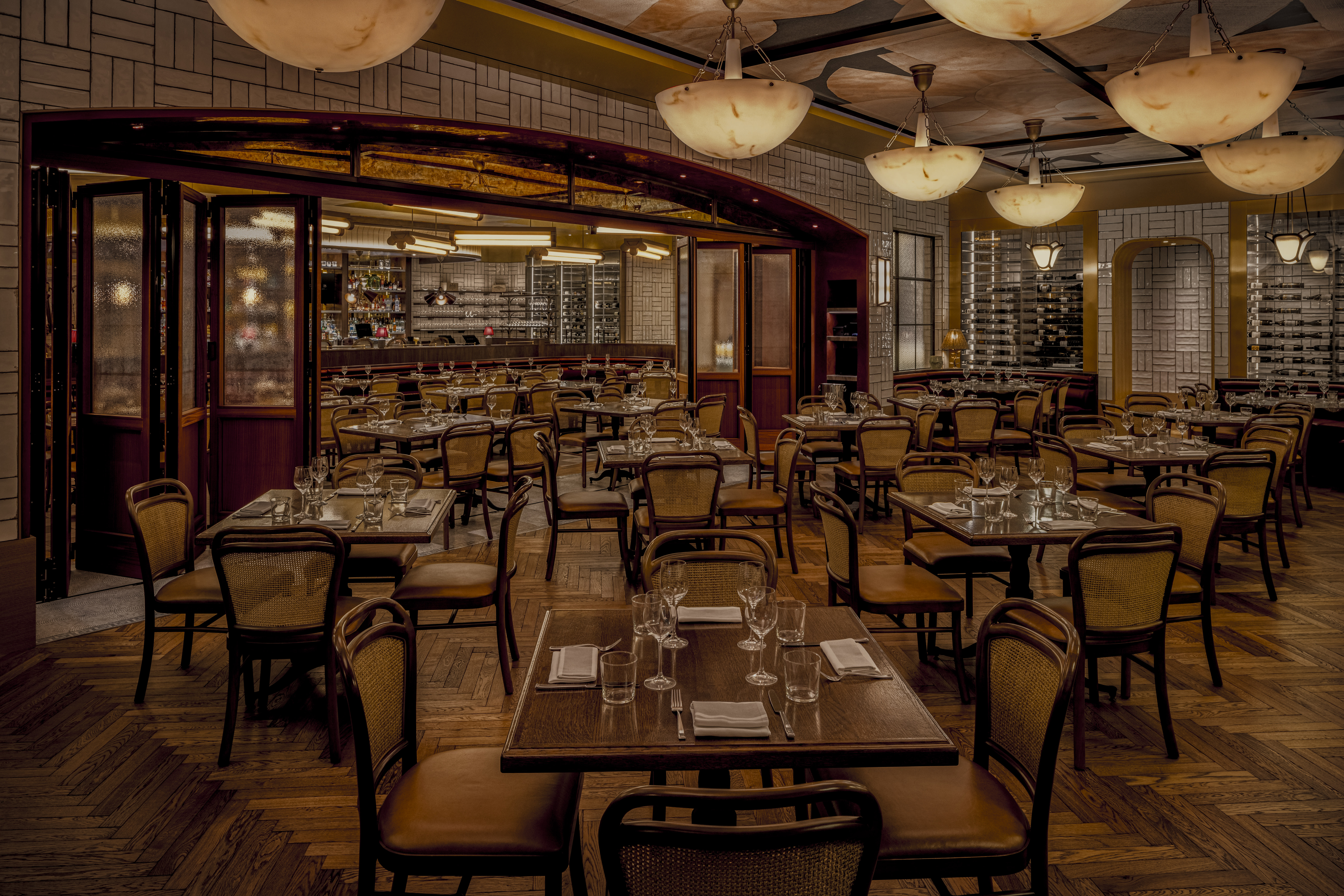
Luxury home designers, premium hotel groups, and high-end retail brands continue to specify herringbone flooring at high rates. This is meaningful because these clients have access to every alternative and choose herringbone not because it is fashionable but because it consistently produces results that perform commercially and visually. When the most discerning specifiers keep returning to a pattern, that is a strong signal of lasting value.
Adaptation Rather Than Abandonment
Genuinely passing trends tend to disappear, not evolve. Herringbone has done the opposite. Designers have continued to push the pattern in new directions, exploring larger plank formats, mixed scales, contrasting tones, and creative material combinations. This kind of ongoing evolution is the mark of a classic that designers continue to find new ways to use, not a trend losing relevance.
A Pattern That Crosses Style Boundaries
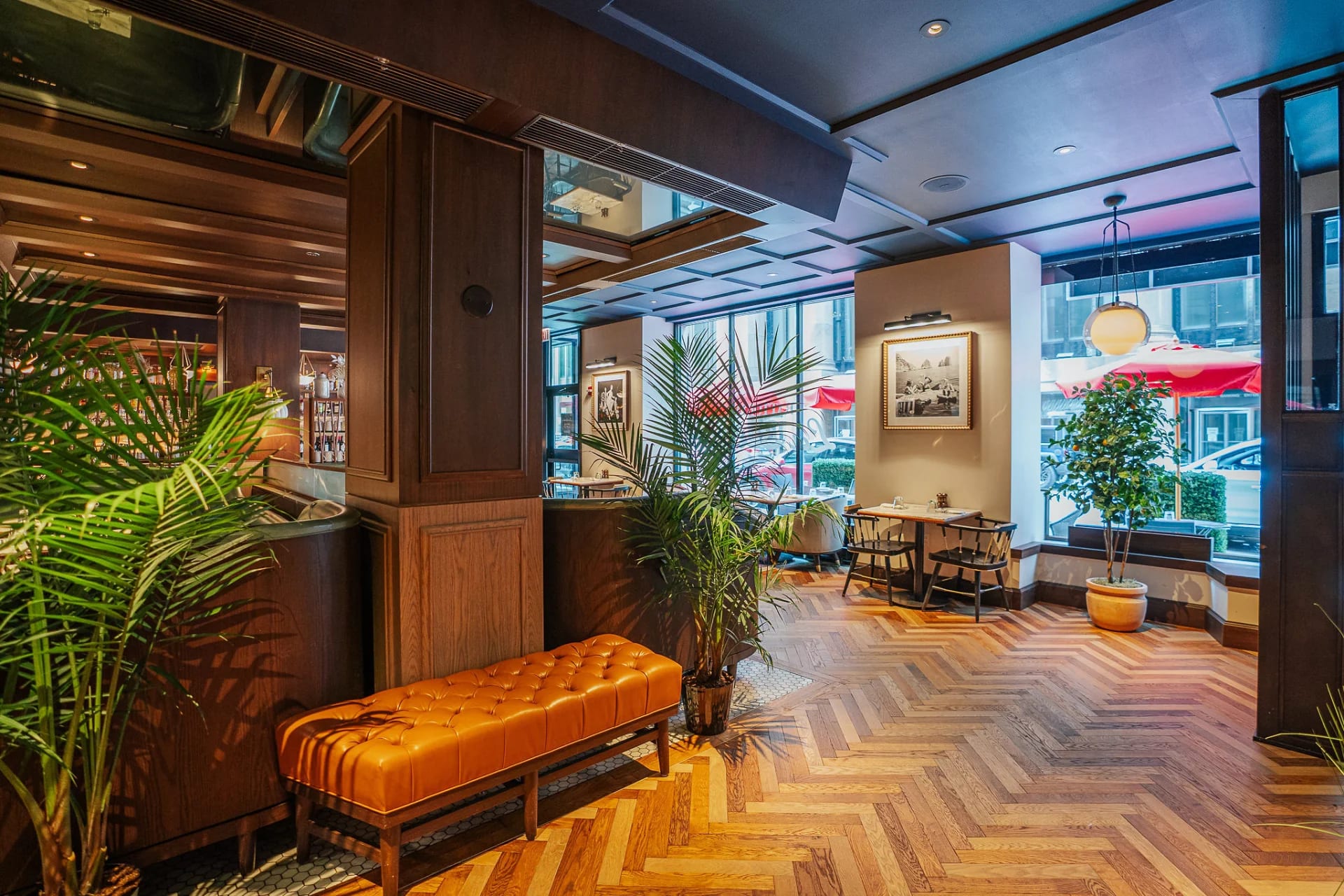
A genuine trend tends to be tied to a specific style moment. Herringbone is not. It works in heritage homes, contemporary penthouses, country properties, urban apartments, traditional libraries, and minimalist lofts. This kind of cross-style flexibility is one of the strongest indicators that the pattern is built on lasting design principles rather than passing fashion.
What Would Tell Us Herringbone Was Going Out of Style
The fair counter-argument is worth taking seriously. If herringbone were genuinely fading, there would be specific signals that the pattern was on the way out.
The Risk of Overexposure
The most legitimate concern about herringbone is its sheer ubiquity. When a pattern becomes the default choice across an entire design tier, there is a real risk that it starts to read as predictable rather than considered. Some designers are already looking for alternatives precisely because they want their work to feel distinctive, and that creates space for other patterns to gain ground.

Volume Builder Adoption
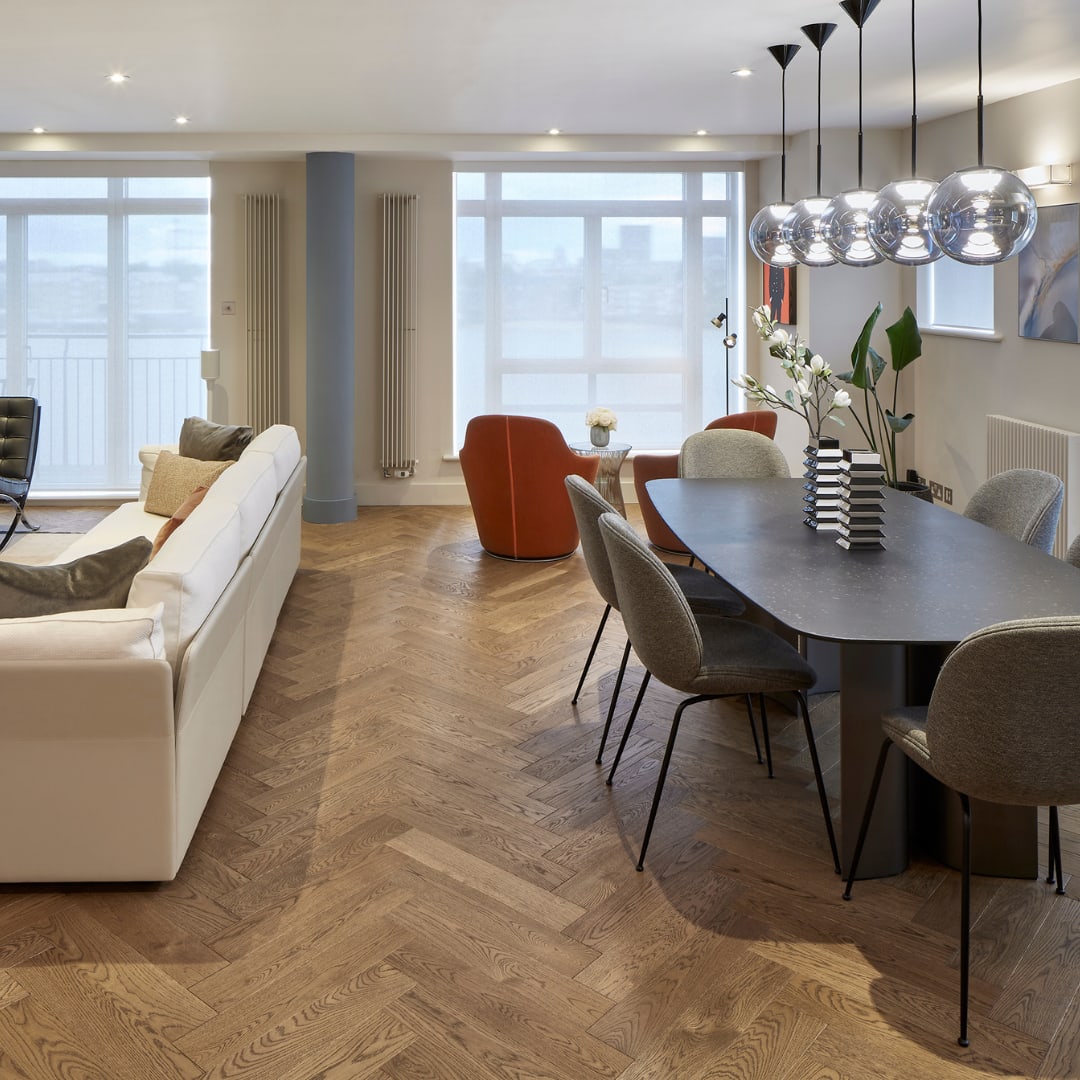
Once a design direction becomes standard in volume residential construction, its premium status can erode. Herringbone has begun appearing in mass-market developments, which can dilute the perceived premium nature of the pattern. This does not mean herringbone is dead, but it does mean that simply specifying any herringbone is no longer enough to signal luxury. The details now matter more than ever.
Backlash in Certain Design Circles
There is a small but visible backlash against herringbone in certain corners of the design community, with some designers actively avoiding the pattern in favor of straight-laid wide planks or alternative parquet layouts. This kind of contrarian movement is worth noting, but it has not translated into broad rejection of the pattern across luxury design.
How to Specify Herringbone Floors That Will Stand the Test of Time
For anyone investing in herringbone today, the way the floor is specified will determine how well it ages.
Choose Quality Construction
Herringbone is a long-term investment, and the quality of the manufacturing matters enormously. Engineered construction with a thick hardwood wear layer delivers both performance and longevity, allowing the floor to handle modern living conditions while still being refinishable when needed. Premium engineered ranges, including those offered across Havwoods collections such as Venture Plank, Pureplank, Henley, and the Italian Collection, provide the kind of build quality that supports a floor designed to last for decades.
Match the Pattern to the Space
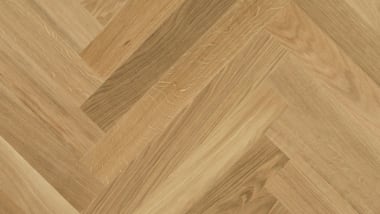
The scale of the herringbone matters. Smaller traditional formats suit detailed interiors and smaller rooms, while larger format herringbone reads as calmer and more contemporary, suiting open-plan spaces and modern architecture. Choosing the right scale for the room is one of the most important decisions in keeping a herringbone floor looking right years from now.
Consider Color and Finish Carefully
The strongest long-term herringbone specifications tend to be in natural tones, including European Oak in pale to mid-brown finishes, smoked greys, and rich walnut. These colors have proven themselves across decades. Heavily processed or fashion-driven colors can date faster than the pattern itself, so erring toward natural tones is the safer path for a floor meant to last.
Pair the Pattern With Considered Design
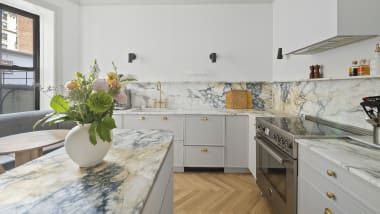
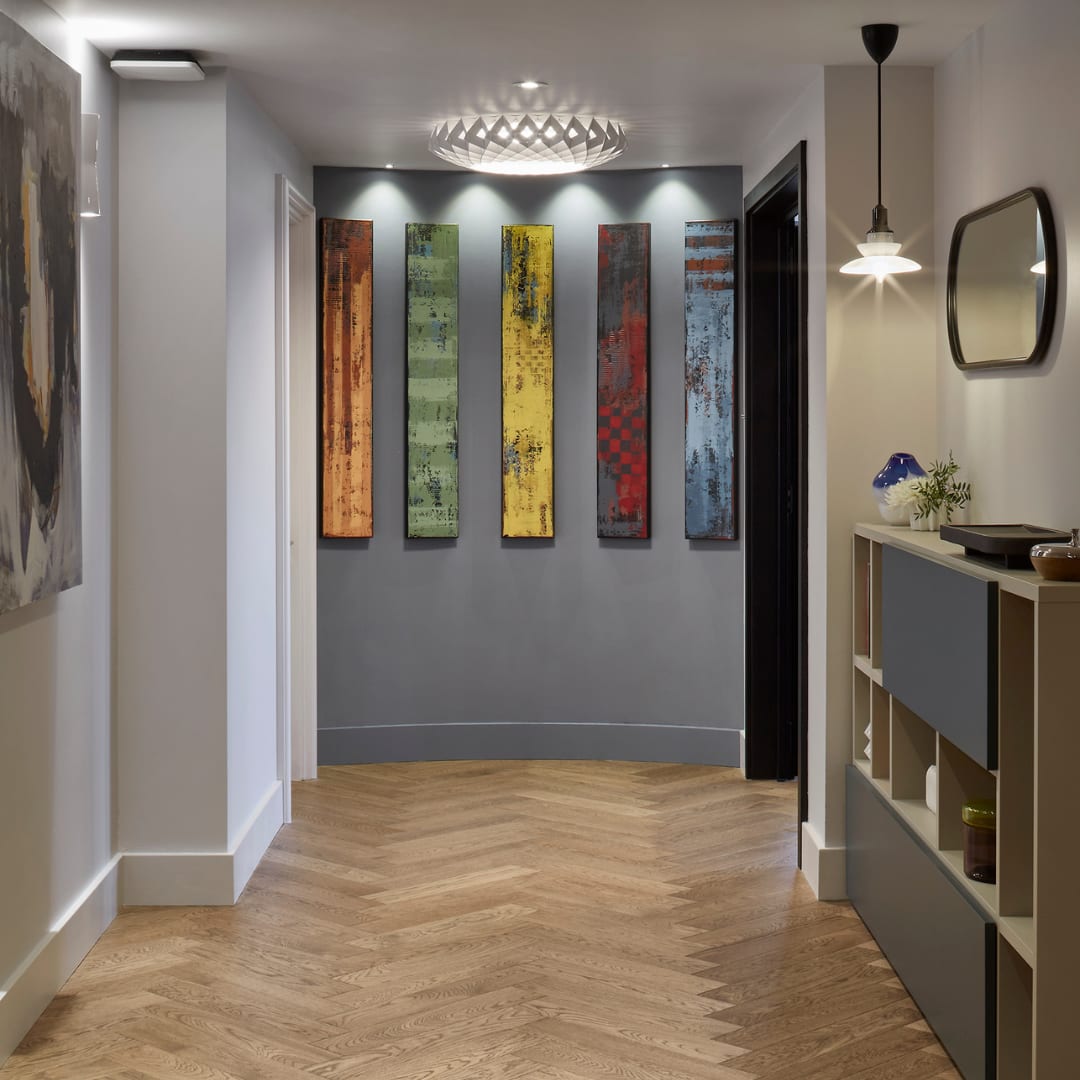
A herringbone floor performs at its best when the rest of the interior is designed thoughtfully around it. Strong joinery, considered lighting, and quality materials throughout the space all support the floor and prevent it from feeling like a single styling moment in an otherwise undeveloped interior. When the design is right, herringbone reads as a deliberate architectural choice rather than a trend-driven decoration.
The Final Verdict on Herringbone Floors
Are herringbone floors still in style? Yes, and the evidence suggests they will remain in style for the foreseeable future. The pattern has centuries of continuous use behind it, broad current adoption across the top of the luxury design market, and a design logic rooted in geometry rather than fashion. The ubiquity argument is the only legitimate counterpoint, and it can be addressed through careful specification that emphasizes scale, quality, and considered execution.
For anyone considering herringbone for a new project, the question is not really whether the pattern is still fashionable. The question is how to specify it well enough that the result feels distinctive and considered rather than generic. Done thoughtfully, a herringbone floor remains one of the most reliable design investments available, capable of lifting an entire interior and holding its value across decades. That kind of staying power is the opposite of a passing trend.

