

















Dark Wood Flooring: A Guide to the Cocoa Color Group
24 Jun 2026
Dark wood flooring has a way of setting the tone for an entire room before you have placed a single piece of furniture. Deep, warm timber brings richness and a grounded sense of calm that lighter floors simply cannot replicate, which is why it remains a favorite for homeowners and designers chasing real presence underfoot.
This guide focuses on the Cocoa color group, the warm-brown end of the dark spectrum where mocha, chocolate, and espresso tones live. We will look at what makes these floors special, where they work best, how to style and care for them, and how to decide whether the Cocoa palette is the right foundation for your project.
Why dark wood flooring keeps drawing the eye
Few surfaces command a room the way dark wood flooring does. The deeper end of the wood spectrum carries weight, warmth, and a quiet sense of confidence that lighter floors rarely match. When you walk into a space finished in rich, chocolate-toned timber, the floor does more than sit underfoot. It anchors the design, frames the furniture, and gives every other material in the room something solid to push against.
The Cocoa color group sits at the heart of this look. Built around warm browns that range from soft mocha through to deep espresso, Cocoa brings together the drama people want from dark floors with the natural character that only real wood can offer. This guide walks through what makes the Cocoa group special, where dark wood floors work best, how to style them, and how to keep them looking their best for years to come.
What defines the cocoa color group
Cocoa is one of several curated color groups designed to make choosing a floor simpler. Rather than scrolling through endless individual products, you can start with a tone and work inward. Cocoa gathers the warmer dark shades into one family, so every option shares a common thread of brown depth while still offering plenty of variety in grain, plank format, and finish.
What sets these tones apart is the balance they strike. Black floors bring real drama, and cool greys feel crisp and contemporary. The browns in the Cocoa range offer something different again, staying grounded and inviting. You get the richness of a dark floor with an undertone that feels organic and lived in. That is a large part of why dark hardwood flooring in warm brown tones has stayed in demand across both residential and commercial projects.
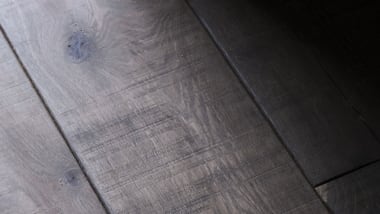
Within the group you will find variation across species and surface treatments. Oak remains a popular base because it takes a dark stain beautifully while keeping its expressive grain visible. American Black Walnut offers naturally deep coloring with a smooth, flowing figure. The finish then shapes the final mood, with matte and brushed surfaces softening the look and higher-sheen options adding a touch of formality.

Where dark wood floors make the biggest impact
Dark wood flooring is versatile, but certain settings let it shine. Understanding where the tone performs best helps you decide whether it suits your own space.
In larger rooms with generous natural light, dark wood floors create contrast and definition without closing the space in. The light keeps the floor from feeling too dense, while the depth of color adds richness that pale floors cannot deliver. Open-plan living areas, dining rooms, and double-height spaces all benefit from this grounding effect.
In more intimate rooms, a Cocoa-toned floor builds atmosphere. Studies, snugs, bedrooms, and reading corners feel warmer and more enclosed with a darker surface underfoot. The key is layering in enough light, whether through lamps, mirrors, or lighter walls, so the room feels cocooning rather than dim.
Commercial and hospitality settings lean on dark floors for a reason. Boutique hotels, restaurants, and luxury retail spaces use deep timber tones to signal quality the moment a guest steps inside. A considered dark wood floor reads as refined and durable, which is exactly the impression these environments aim to make.
The points below capture the settings where the Cocoa group tends to perform especially well:
- Spacious, light-filled rooms that can carry depth without feeling heavy.
- Cozy, low-traffic rooms where warmth and intimacy are the goal.
- Hospitality and retail interiors that want an immediate sense of quality.
- Period properties where rich timber complements original architectural detail.
- Contemporary homes use dark floors as a bold, grounding base layer.

Styling a room around the cocoa palette
A dark floor changes how everything above it reads, so styling matters. The good news is that Cocoa tones are remarkably accommodating once you understand a few principles.
Contrast is your most powerful tool. Pale walls, cream upholstery, and off-white joinery sit crisply against a deep brown floor, producing a clean, gallery-like effect. If you prefer a softer scheme, mid-tone walls in greige, sage, or muted terracotta wrap the room in warmth and let the floor settle into a supporting role rather than dominating.
Texture keeps dark spaces from feeling flat. Layer in natural fibers, woven rugs, linen, and matte ceramics to bounce light around and add tactile interest. Metals also come alive against dark wood. Warm brass and aged bronze feel at home with Cocoa browns, while blackened steel reinforces a more industrial mood.
Rugs deserve special mention. A well-placed rug protects high-traffic zones and introduces pattern, but on dark wood floors, it also softens the visual weight. Lighter rugs lift the room, while tonal rugs in deeper shades create a seamless, enveloping feel for spaces where calm is the priority.
Lighting ties it all together. Because dark floors absorb rather than reflect light, plan for layers of illumination. Combine ambient ceiling light with task lamps and accent fixtures so the room stays balanced after dark. Done well, the floor becomes a backdrop that makes warm light glow rather than disappear.
Choosing the right format and finish
Color is only part of the story. The plank format and finish you choose will shape how dark wood flooring feels in practice.
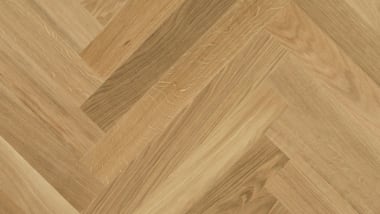
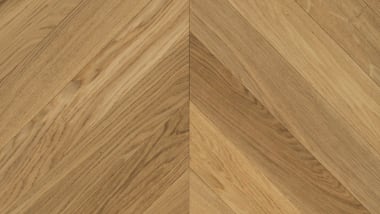
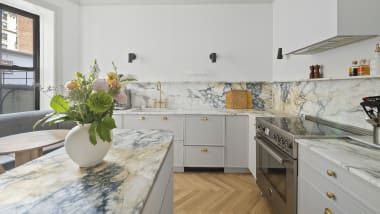
Wide planks suit larger rooms and modern interiors, showcasing long, uninterrupted runs of grain that emphasize the richness of the Cocoa tone. Narrower boards bring a more traditional rhythm, while patterns such as herringbone and chevron turn a dark floor into a genuine design feature. In a deep brown, herringbone in particular reads as both classic and current, catching light along its angled joints.
Finish affects both look and upkeep. Matte and brushed finishes hide everyday marks well and lend a natural, understated feel that flatters the warmth of Cocoa browns. Satin and gloss finishes amplify depth and reflectivity, which looks striking but tends to show dust and footprints more readily. For busy households, a lower-sheen finish on dark engineered wood flooring usually delivers the easiest day-to-day experience.
Engineered construction is worth understanding here. An engineered board pairs a real timber wear layer with a stable core built from multiple layers. This makes the floor more resistant to the expansion and contraction caused by changes in humidity and temperature, which is helpful in open-plan spaces, rooms with underfloor heating, and properties that see seasonal swings. You get the authentic surface of natural wood with added dimensional stability underneath.
Keeping dark wood floors looking their best
One honest point about dark floors is that they reveal more than pale ones. Dust, pet hair, and footprints can be more visible on a deep surface, especially under high-sheen finishes. This is manageable with a simple routine and the right choices at the outset.
Regular sweeping or vacuuming with a soft brush head keeps grit from scratching the surface. Wipe spills promptly and clean with a barely damp mop using a product suited to wood floors, never a soaking-wet one. Place mats at entrances to catch the grit that does the most damage, and add felt pads under furniture legs to prevent scratches.
Light management helps too. Strong, direct sunlight can fade or shift any wood floor over time, and on dark wood floors, uneven exposure may become noticeable. Rotating rugs and furniture occasionally and using blinds or sheers during the brightest hours keeps the color even across the room.
Choosing a brushed or matte finish from the start is one of the simplest ways to reduce visible maintenance. These surfaces diffuse light and disguise minor marks far better than glossy alternatives, so the floor keeps its composed look with less daily effort.
Is the Cocoa Group right for your project
Deciding whether dark wood flooring suits your home comes down to light, lifestyle, and the mood you want to create. If your space enjoys good natural light and you are drawn to richness, warmth, and a grounded feel, the Cocoa group is a natural fit. If your rooms are small or dim and you prefer an airy, expansive feel, you may want to weigh that carefully, or balance a darker floor with bright walls and generous lighting.
For many people, ordering samples is the best next step. Seeing cocoa wood flooring in your own light, against your own walls and furniture, tells you far more than any screen can. Tones shift throughout the day, and a sample lets you judge how a floor behaves from morning brightness to evening lamplight.
Dark wood floors reward the people who choose them with depth, character, and a sense of permanence that lighter options rarely achieve. The Cocoa color group makes that choice easier by gathering the warmest, most inviting dark tones into one considered family, ready to anchor whatever you build above it.


