














Designing with an Oakwood Floor as a Long-Term Interior Choice
11 Feb 2026
When we choose an Oakwood Floor, we are making a decision that extends far beyond immediate style. Flooring is one of the most permanent elements in any interior, and an Oakwood Floor plays a defining role in how a space looks, feels, and functions over time. Whether you are designing a family home, planning a renovation, or specifying materials for a long-term project, an Oakwood Floor provides reliability, adaptability, and enduring appeal.
Interior trends naturally shift, but an Oakwood Floor remains consistent because it adapts rather than competes. As furniture changes, layouts evolve, and finishes are refreshed, an Oakwood Floor continues to support the space without feeling outdated. That ability to evolve alongside your interior is what makes an Oakwood Floor such a strong long-term design choice.
Why an Oakwood Floor Works for Long-Term Interior Design
Longevity in design is about more than durability. It is about selecting materials that remain relevant as your needs and tastes change. An Oakwood Floor offers this balance by combining natural character with structural strength.
Oak has been used in interiors for generations because it brings warmth without overwhelming a space. An Oakwood Floor feels grounded and familiar, yet refined enough to suit modern environments. This versatility allows you to design confidently, knowing the floor will continue to work as the interior develops.
We also value how an Oakwood Floor ages. Instead of losing its appeal, oak develops depth and character over time. Subtle shifts in tone and texture add richness, allowing the floor to feel more personal as it matures. This natural evolution makes an Oakwood Floor feel lived in rather than worn out.
Designing with an Oakwood Floor That Will Age Well
When designing for the long term, it is important to avoid choices that feel tied to a single trend. An Oakwood Floor provides a neutral foundation that allows other elements to change without disrupting the overall balance of the space.
Lighter oak tones create a calm and open atmosphere, making them ideal if you anticipate changing décor in the future. Mid-toned Oakwood Floor options offer warmth and versatility, while deeper tones introduce contrast and structure without dominating the room. Each option supports longevity when chosen with the wider interior in mind.
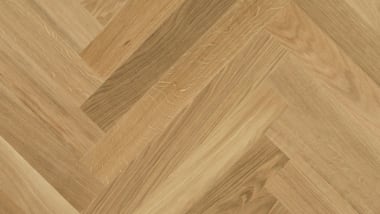
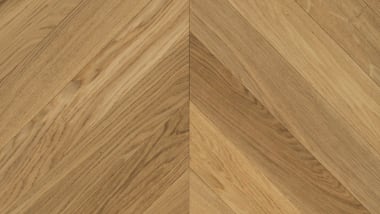
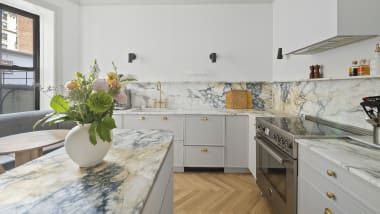
Plank size and layout also influence how an Oakwood Floor performs visually over time. Wider planks feel contemporary yet established, offering scale that works across many design styles. Narrower planks bring a more classic feel, while patterned layouts such as herringbone introduce architectural interest that remains relevant when used thoughtfully. No matter the format, an Oakwood Floor provides continuity that anchors the space.
Engineered Oakwood Floor Options for Modern Living
Many interiors today demand more from flooring than ever before. Open-plan layouts, underfloor heating, and changing indoor environments require stability without sacrificing appearance. An engineered Oakwood Floor meets these demands while retaining the authenticity of real oak.
An engineered Oakwood Floor features a genuine oak surface supported by a layered core designed for enhanced stability. This construction allows us to specify an Oakwood Floor across larger spaces and in conditions where solid wood may not be suitable. The result is a floor that performs consistently while maintaining the natural look and feel of oak.
From a design perspective, engineered options provide the same visual depth and texture that make an Oakwood Floor so desirable. From a practical standpoint, they offer reassurance that the floor will continue to perform well as conditions change over time.
How Finish Choice Impacts the Longevity of an Oakwood Floor
The finish applied to an Oakwood Floor plays a major role in how it looks, wears, and ages. Choosing the right finish should always be guided by how the space will be used.
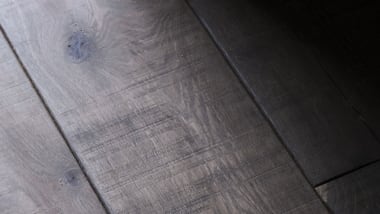
Oiled finishes allow the natural grain and texture of an Oakwood Floor to remain visible while supporting long-term maintenance. They make it easier to refresh the surface over time, which is ideal if you want a floor that can be maintained rather than replaced.
Lacquered finishes create a more sealed surface that offers added protection against everyday wear. This can be particularly beneficial in busy households or high-use spaces where durability is essential. Both finishes can support long-term use when specified correctly, and the key is selecting the option that best suits your lifestyle.

The Sustainable Value of an Oakwood Floor
Sustainability is an important consideration when making long-term interior decisions. An Oakwood Floor aligns naturally with responsible design because it is durable, renewable, and designed to last.
When we invest in an Oakwood Floor, we reduce the need for frequent replacement. This approach minimizes material waste and encourages a more thoughtful relationship with the space. Many Oakwood Floor options can also be sanded and refinished, further extending their lifespan.
By prioritizing quality and maintenance, an Oakwood Floor supports sustainability through longevity rather than novelty. It becomes a permanent part of the interior rather than a disposable surface.
Everyday Performance of an Oakwood Floor
A long-term interior choice must perform as well as it looks. An Oakwood Floor is well suited to everyday life, including areas that experience consistent foot traffic such as living spaces, hallways, and open-plan kitchens.
Oak’s natural density helps an Oakwood Floor withstand impact and movement, while its grain pattern disguises minor marks that develop over time. Rather than appearing damaged, the floor gains a sense of authenticity that reflects how the space is used.
If you want a home that feels welcoming and lived in rather than overly delicate, an Oakwood Floor offers the durability and comfort needed for daily life.

Creating Flow with an Oakwood Floor in Open-Plan Spaces
Open-plan interiors rely on visual continuity, and an Oakwood Floor excels at creating a seamless flow between connected areas. Using the same Oakwood Floor throughout shared spaces helps unify the interior and makes it feel intentional.
An Oakwood Floor allows different zones to transition naturally without visual disruption. This is especially valuable if you expect the layout to change over time. The floor remains consistent while the space adapts around it, reinforcing its role as a long-term design element.
Key Considerations When Choosing an Oakwood Floor for the Long Term
When we choose an Oakwood Floor with longevity in mind, it is important to think carefully about how the space will be used on a daily basis. The way you live, move, and interact with your interior should guide decisions around construction type, finish, and overall specification. An Oakwood Floor that suits your lifestyle will naturally perform better and feel more comfortable over time.
It is also worth selecting tones and plank styles that can adapt as your interior evolves. An Oakwood Floor that works across different design styles allows you to refresh furniture, wall colors, and finishes without feeling restricted by the flooring. This flexibility is essential when planning an interior meant to last.
Quality should always be a priority. Choosing a well-constructed Oakwood Floor and ensuring professional installation helps protect its lifespan and appearance. A properly installed Oakwood Floor is far more likely to remain stable, attractive, and functional for decades.
Finally, thinking ahead about maintenance makes a significant difference. When you plan for care from the outset, an Oakwood Floor can be refreshed and maintained rather than replaced. This approach not only extends the life of the floor but also reinforces its value as a long-term interior choice.
Why an Oakwood Floor Continues to Be a Reliable Choice
An Oakwood Floor is not simply a design feature. It is a long-term investment in quality, flexibility, and performance. When we design with oak, we choose a material that supports change rather than resisting it.
As interiors evolve, an Oakwood Floor remains relevant because it is rooted in natural character and proven durability. It provides a stable foundation that allows you to update other elements without needing to rethink the flooring itself.
Conclusion
Designing with an Oakwood Floor as a long-term interior choice offers confidence in both form and function. Its durability, adaptability, and natural appeal make it one of the most dependable flooring options available. When selected thoughtfully and maintained properly, an Oakwood Floor supports interiors for decades, adapting gracefully as spaces and lifestyles change.
Interested in Oakwood flooring? Get free samples for your project.