














Everything You Need to Know About Ash Hardwood Flooring
19 May 2026
Ash has quietly built a strong reputation in luxury flooring without ever chasing the spotlight. While oak and walnut dominate most design conversations, ash hardwood flooring has earned its place as a distinct and increasingly specified alternative, particularly in contemporary, Scandinavian-influenced, and design-led residential projects. The species delivers a unique combination of light tones, expressive grain, and genuine performance that few other hardwoods can match. For homeowners and designers looking beyond the most obvious choices, ash represents one of the most rewarding directions in hardwood flooring today.
Understanding Ash as a Flooring Species
Before getting into design applications, it helps to understand what ash actually is and why it performs the way it does as a flooring material.
The Origins of Ash Hardwood
Ash is a hardwood species native to temperate regions across North America, Europe, and parts of Asia. The two species most often used for flooring are American White Ash and European Ash, both of which deliver similar visual and performance characteristics. The wood has been used for centuries in furniture, tool handles, sporting equipment, and structural applications because of its combination of strength, flexibility, and workability. Its move into premium flooring is more recent, but it builds on the same fundamental qualities that have made ash valuable for generations.
Natural Color and Tone
One of the defining characteristics of ash hardwood flooring is its color. Ash tends to be pale, with cream, blonde, and soft warm tones running through most of the heartwood and sapwood. The natural shade sits comfortably in the lighter end of the wood spectrum, which positions ash as a strong alternative to pale oak for projects that want something slightly different. The wood also takes stains and reactive treatments exceptionally well, which means ash flooring can range from almost-white finishes to deep smoked and darkened tones.
Distinctive Grain Pattern
The grain of ash is one of its most appealing features. Where oak is dense and tight, ash grain is more open, more expressive, and more visibly directional. The pattern reads almost like flowing lines across the board, which gives ash flooring a sense of movement and energy that quieter species cannot match. For designers looking for a hardwood with visible character but without the rustic feel of heavily knotted species, ash sits in a particularly attractive middle ground.

Why Ash Hardwood Flooring Has Gained Ground
Ash has moved from a specialist choice to a mainstream luxury option over the past decade. Several factors have driven that shift.
The Rise of Pale Wood Floors
As contemporary design has embraced lighter, calmer interiors, pale wood floors have become a default specification in luxury homes. Ash fits this direction beautifully. Its natural lightness suits Scandinavian, Japandi, coastal, and minimalist schemes without requiring heavy bleaching or processing. For projects that want pale wood that still feels alive and characterful, ash hardwood flooring delivers exactly what the design demands.
Performance That Holds Up
Ash is not a soft compromise. It is a genuine hardwood with strong density, good wear resistance, and stable behavior in well-constructed engineered formats. This makes ash hardwood flooring a practical choice for high-traffic homes and commercial projects, not just a visually appealing one.
The Visual Character of Ash Hardwood Flooring
Beyond the technical qualities, the way ash actually looks in a finished room is what makes the species so compelling for luxury design.
A Sense of Light Without Coldness
Ash floors brighten a room without introducing the slight coolness that some pale woods can carry. The natural warmth in the species keeps the tone inviting, which is one of the reasons ash hardwood flooring works so well in primary living areas and bedrooms. The floor reflects light, opens the space, and still feels welcoming underfoot.
Movement and Energy
The visible grain of ash adds a quiet sense of movement to a room. In wider plank formats, the directional pattern of the grain emphasizes the length of the space and draws the eye through the room. This is particularly effective in open-plan layouts, hallways, and large living areas where the floor needs to do real visual work without competing with the rest of the design.
A Natural, Honest Aesthetic
Ash reads as honest. The grain is clearly visible, the color is natural rather than heavily processed, and the overall feel is one of genuine craftsmanship. For interiors built around natural materials and considered design, ash hardwood flooring delivers exactly the kind of authenticity these projects demand.

Specifying Ash Hardwood Flooring for Real Projects
Choosing ash is only the start. Several specification decisions shape how the floor performs and how it integrates with the wider design.
Solid Versus Engineered Construction
Most contemporary ash hardwood flooring is produced in engineered construction, with a real ash wear layer bonded to a stable multi-layer core. This format handles humidity, temperature changes, and underfloor heating far better than solid ash, which makes it the default for modern homes and commercial projects. Solid ash flooring is still available and remains a strong choice for heritage projects and stable environments, but engineered construction is now the standard for most luxury specifications.
Color and Finish Direction
Ash takes finishes exceptionally well, which gives designers significant flexibility. Natural and oiled ash retains the pale, warm character of the species at its most authentic. White-washed and lightly bleached ash leans into the Scandinavian aesthetic and delivers maximum brightness in a room. Smoked ash and darker stained finishes shift the species into richer, moodier territory while preserving the distinctive grain pattern. Matte and satin lacquered finishes provide additional surface protection while keeping the natural look intact.
Plank Size and Format
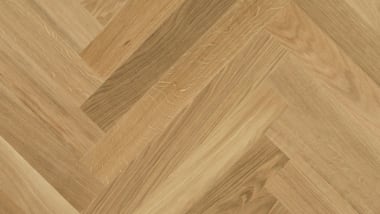
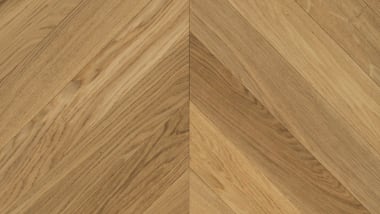
Wider and longer planks have become the default in luxury ash flooring because they emphasize the calm, contemporary character of the species. Tight strip layouts in ash can feel busy and dated, while wide plank installations allow the natural beauty of the grain to be fully appreciated. Patterns such as herringbone and chevron also work beautifully in ash, particularly in projects where the directional grain of the species can play against the geometry of the pattern.
Surface Texture
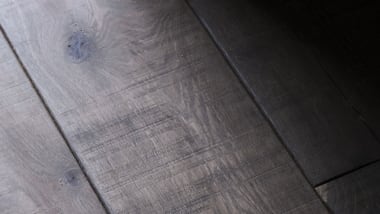
Brushed surfaces emphasize the natural grain of ash and add subtle depth to the floor. Smooth finishes feel cleaner and more contemporary. Lightly sawn or scraped surfaces lean rustic and work well in country homes and design-led commercial spaces. The right choice depends on the design direction and how much character the project needs underfoot.

Where Ash Hardwood Flooring Performs at Its Best
Ash is versatile enough to suit almost any room, but the species performs particularly well in certain settings.
Contemporary Living Areas
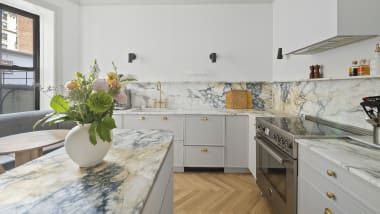
Open-plan living, dining, and kitchen spaces benefit enormously from the brightness and rhythm of ash hardwood flooring. The pale color unifies the space, while the expressive grain adds visual interest that quieter pale floors lack. In homes with abundant natural light, ash floors shift subtly across the day, picking up warmer and cooler tones as the light changes.
Bedrooms and Primary Suites
Ash works beautifully in bedrooms and primary suites, where the pale tone contributes to a calm, restful atmosphere and pairs naturally with soft textiles and neutral palettes. The natural warmth of the wood keeps the room feeling inviting rather than clinical, which is exactly what a well-designed primary suite calls for.
Scandinavian and Japandi-Inspired Interiors
For interiors built around Scandinavian or Japandi design principles, ash is one of the strongest flooring choices available. The pale color, expressive grain, and natural authenticity of the species align perfectly with these design movements. Combined with linen textiles, natural stone, and minimalist joinery, ash floors deliver the foundational quality these interiors depend on.
Hospitality and Commercial Spaces
In boutique hotels, design-led restaurants, and high-end retail environments, ash hardwood flooring delivers a sense of light, craft, and contemporary refinement that supports premium brand experiences. The species is particularly effective in spaces that want to feel residential rather than commercial, which is a defining direction in luxury hospitality today.
Pairing Ash Hardwood Flooring With Wider Design
The most successful ash installations come from treating the floor as part of a complete material story. Pale ash floors pair naturally with white and off-white walls, plaster finishes, and pale limestone for a clean, light-filled feel. They also work beautifully alongside warmer materials such as walnut joinery, brass fittings, and natural leather, where the contrast between pale floor and warmer accents builds depth without weight.
In textiles, ash floors flatter linen, wool, and natural fibers. In art and accessories, the quiet, light foundation allows bolder colors and shapes to stand out clearly. Plant life and natural greenery read beautifully against ash flooring, which is part of why the species has become so closely associated with the biophilic direction in contemporary interior design.
Caring for Ash Hardwood Flooring
Ash rewards regular, gentle care with a long, beautiful lifespan. Routine sweeping or vacuuming with a hard-floor setting removes the grit that causes most scratches. A barely damp microfiber mop with a manufacturer-approved wood floor cleaner handles deeper cleaning without exposing the boards to standing water. Avoid wet mopping, steam cleaners, and harsh chemicals, all of which can damage the finish and the wood beneath.
Like most pale floors, ash tends to show debris more clearly than darker tones. In practice, this actually encourages better daily care and helps the floor stay in better condition over time. Oiled finishes can be refreshed locally without disturbing the rest of the floor, while lacquered surfaces can be screened and recoated when needed. Quality engineered ash flooring with a thick wear layer can also be sanded and refinished if a major refresh is ever required.
The Lasting Value of Ash Hardwood Flooring
Ash hardwood flooring delivers a rare combination of qualities. It brightens rooms while retaining warmth. It carries visible character without becoming busy. It performs reliably in engineered formats while preserving the authenticity that makes hardwood special in the first place. For homeowners and designers looking beyond oak and walnut without sacrificing quality or performance, ash represents one of the strongest alternatives available.
The species suits contemporary, traditional, and transitional projects equally well, which gives it real flexibility across different briefs. The investment in ash flooring rewards itself across decades of use, with the floor aging gracefully and continuing to feel relevant as design trends move around it. For projects where the floor needs to do more than simply cover the ground, ash hardwood flooring offers a foundation that brings light, character, and lasting design impact to every space it appears in.

