














How to Choose the Right Textured Wood Flooring for Your Space
29 May 2026
Smooth floors have their place, but for interiors that need depth, character, and a sense of craft, nothing performs quite like textured wood flooring. The category covers a range of surface treatments designed to bring out the natural grain of the wood, soften the appearance of daily wear, and add tactile interest underfoot. Choosing the right textured floor for your space means understanding what each finish brings to the room and matching that decision to how the space will actually be used.
Understanding Textured Wood Flooring
Before selecting a specific finish, it helps to understand what textured wood flooring actually is and why it has become such a strong specification across residential and commercial projects.
What Defines a Textured Floor
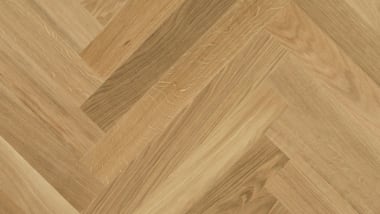
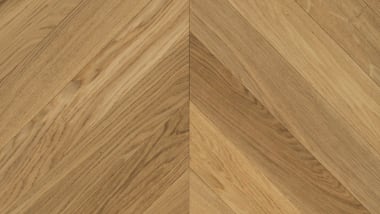
Textured wood flooring refers to any hardwood floor whose surface has been treated to add visible and tactile relief, rather than being sanded flat and finished smooth. The texture might be subtle, such as a light brushing that emphasizes the grain, or pronounced, such as a heavily hand-scraped or sawn surface that delivers obvious character. In every case, the goal is the same: to move the floor away from the uniform appearance of a factory-smooth board and toward something that feels more natural, more crafted, and more alive.
Why Textured Hardwood Has Gained Ground
A few years ago, glossy and perfectly smooth floors dominated luxury interiors. Today, the design conversation has shifted decisively toward texture. Textured hardwood adds depth and warmth that smooth surfaces cannot replicate, and it suits the broader move toward interiors that feel warm, layered, and considered rather than polished and clinical. Texture also performs well in real-world conditions. It conceals minor scratches, scuffs, and dents far better than a smooth finish, which means the floor continues to look good through years of normal use.
How Texture Changes the Feel of a Room
A textured wood floor changes how a space reads visually and physically. Light catches the surface differently across the day, creating subtle shifts in tone that flat floors simply cannot offer. Underfoot, the floor feels slightly less uniform, which paradoxically tends to read as more luxurious rather than less. Acoustically, textured surfaces also break up sound reflection slightly more than glass-smooth floors, contributing to rooms that feel calmer and more comfortable.
The Main Types of Textured Wood Flooring
Within the textured category, there are several distinct surface treatments. Understanding what each one delivers is the foundation for making the right choice.
Brushed Textured Wood Flooring
Brushed surfaces are created by passing wire brushes across the board to remove the softer parts of the grain, leaving the harder grain raised slightly above the surface. The result is a subtle, refined texture that emphasizes the natural pattern of the wood without becoming dramatic. Brushed textured hardwood is among the most popular finishes in contemporary luxury design because it works across nearly every style direction, from coastal to industrial to refined traditional.

Hand-Scraped Surfaces
Hand-scraped textured wood flooring features visible undulations and tool marks across each board, mimicking the look of antique floors that have been worked by hand. The character is more pronounced than brushed flooring, and the effect is rustic, lived-in, and full of personality. Hand-scraped finishes suit country homes, heritage properties, and any interior where a sense of history is part of the design intent.
Sawn and Bandsawn Textures
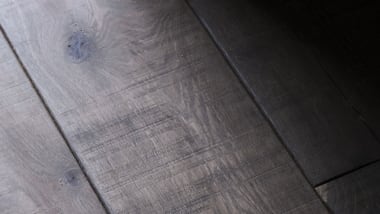
Sawn textures preserve some of the marks left by the milling process, giving the surface a slightly rougher, more raw character. This treatment leans toward the industrial and architectural end of the spectrum and works beautifully in lofts, contemporary barn conversions, and design-led commercial spaces. The Havwoods Handgrade Premier range is one example of a collection where this kind of authentic, characterful surface plays a central role.
Distressed and Aged Finishes
Some textured wood flooring is treated to look genuinely aged, with selective wear, edge details, and tonal variation built into the boards before installation. These finishes deliver instant character and suit interiors that want to look established from day one, such as boutique hotels, heritage restorations, and homes designed around natural and reclaimed materials.

Matching Textured Wood Flooring to the Room
Choosing the right texture is not just about visual preference. The room itself, how it is used, and the rest of the interior all influence which texture will work best.
High-Traffic Living Spaces
For living rooms, hallways, and family-focused spaces, brushed textured wood flooring is often the strongest choice. It offers enough texture to disguise everyday wear without being so dramatic that it dominates the room. Brushed oak in particular performs well in these settings because the grain pattern of oak responds beautifully to brushing, producing a surface that ages gracefully through years of foot traffic.
Kitchens and Dining Rooms
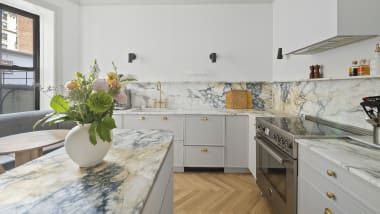
Kitchens and dining areas benefit from textured hardwood because the surface conceals the inevitable spills, marks, and crumbs that come with daily use. Brushed and lightly scraped finishes work particularly well here, as they keep the floor looking refined while standing up to real-world conditions. Engineered construction is almost always preferable in these rooms because of moisture exposure, and most quality textured wood flooring is available in engineered formats.
Bedrooms and Primary Suites
In bedrooms, the priority shifts from durability to atmosphere. A softly brushed or lightly scraped textured floor adds warmth underfoot without competing with the soft furnishings that define a comfortable bedroom. Wider plank formats work particularly well in primary suites because they emphasize the calm, residential feel of the space.
Commercial and Hospitality Spaces
In restaurants, hotels, and retail environments, textured wood flooring earns its specification through a combination of design impact and practical performance. The texture hides the wear that comes with heavy foot traffic, while the natural grain creates atmosphere that smooth floors simply cannot match. Boutique hotels in particular have embraced textured hardwood for guest rooms and public areas, where the surface contributes to the considered, residential feel that distinguishes hospitality interiors today.
Color, Species, and Finish Considerations
Texture is one variable in a larger design decision. Pairing the right texture with the right species, color, and finish is what determines whether the floor truly works for the space.
Species That Suit Texture
European Oak is the most widely specified species for textured wood flooring because its grain takes brushing and scraping exceptionally well. American Black Walnut offers a darker, richer alternative that brings real drama to a textured surface. Ash and Douglas Fir provide lighter, more rustic options. Within the Havwoods collections, European Oak runs through ranges including Handgrade Premier, Colossal, Venture Plank, Henley, and the Italian Collection, giving designers significant flexibility in textured oak specification.
Color Direction
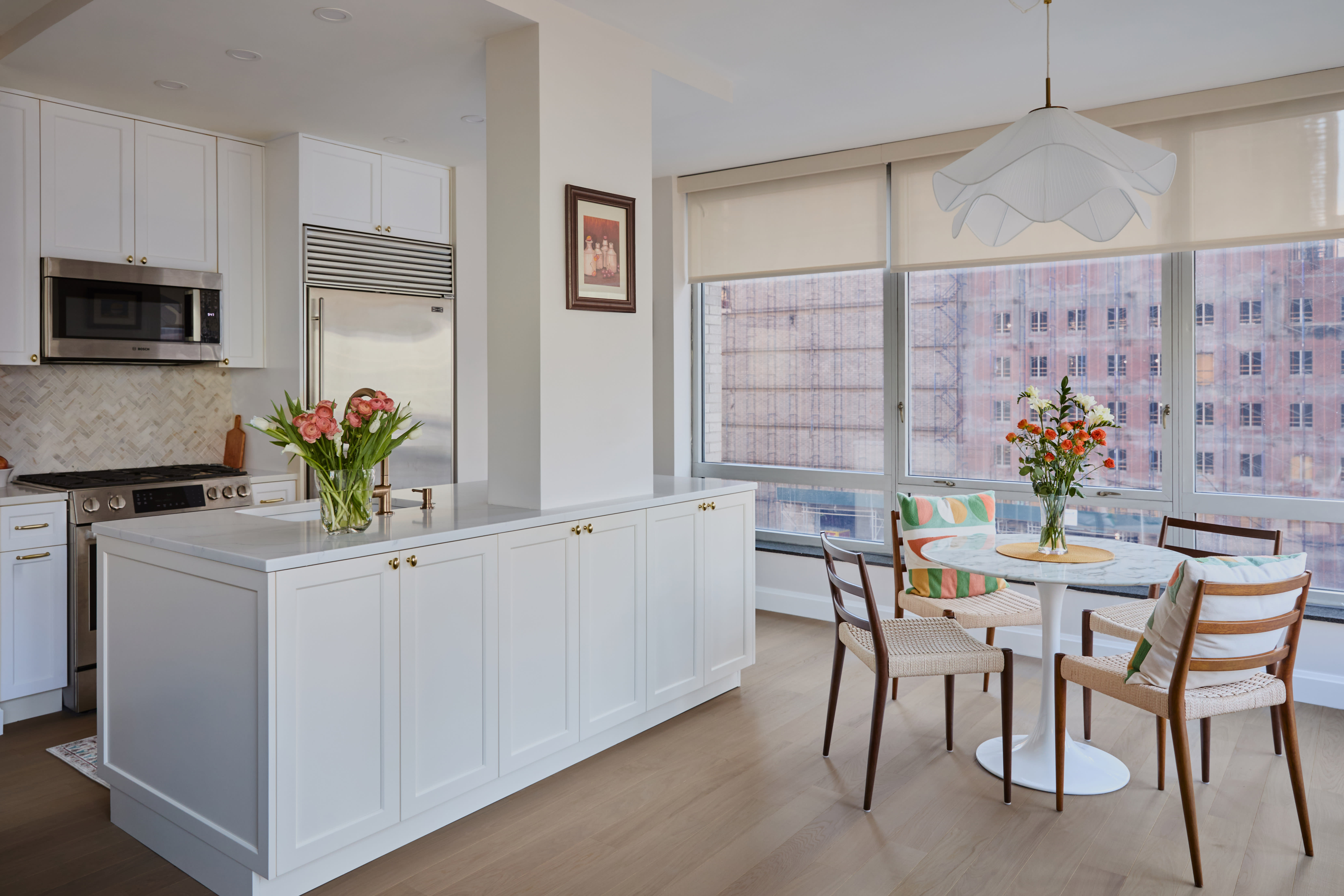
Color and texture interact in ways that can transform a room. Pale blonde and Honey oaks combined with a light brushed texture produce calm, contemporary spaces. Smoky Grey and Platinum oaks emphasize the texture more strongly and lean toward modern, sophisticated interiors. Cocoa, Brunette, and Monochrome finishes bring depth and drama, with the texture catching light in ways that reinforce the moody atmosphere. Havwoods organizes its woods into clear color groups, which makes it easier to coordinate textured flooring with the wider material palette.
Finish Type
Once the texture and color are chosen, the finish layer determines the final feel of the floor. Oiled finishes feel natural and soft, working with the texture to produce a surface that reads as authentic and tactile. Matte lacquered finishes offer slightly more durability while still preserving the natural look. Higher-gloss finishes are generally not the right choice for textured wood flooring because they can flatten the visual effect of the surface treatment.
Practical Considerations Before You Specify
Beyond the aesthetic choices, a few practical decisions will shape the long-term performance of the floor.
Engineered Construction
Most contemporary textured wood flooring is offered in engineered formats, where a real hardwood wear layer sits on a stable multi-layer core. This construction handles humidity, temperature changes, and underfloor heating far better than solid wood, which makes it the default specification for modern homes and commercial projects. A quality engineered floor with a thick wear layer can still be sanded and refinished if needed, giving you long-term flexibility.

Maintenance and Longevity
Textured surfaces require slightly different cleaning approaches than smooth floors. Soft sweeping, vacuuming with a hard-floor setting, and the occasional damp microfiber mop with an approved wood floor cleaner are typically all that is needed. Avoid wet mopping and harsh chemicals, both of which can damage the finish over time. Done correctly, maintenance is straightforward and the floor will continue to look its best for many years.
Underfloor Heating Compatibility
Most engineered textured wood flooring is suitable for use with underfloor heating, but it is worth confirming the specifications with the manufacturer for the specific product you choose. Following the manufacturer's installation and acclimatization guidance is essential to the long-term performance of the floor.
Bringing It All Together
Choosing the right textured wood flooring comes down to matching the character of the surface to the character of the space. Brushed finishes work almost everywhere and suit homeowners and designers who want refined texture without drama. Hand-scraped and sawn surfaces deliver more personality and suit interiors built around natural and aged materials. Distressed finishes give instant atmosphere to spaces designed to feel established and warm.
Combined with the right species, color, and finish, textured hardwood becomes one of the most rewarding flooring choices available. It looks better through years of use, feels better underfoot, and contributes to interiors that age gracefully rather than dating quickly. For any project where the floor needs to do more than simply cover the ground, textured wood flooring delivers a surface with real depth and lasting design impact.

