















How to Maintain an Engineered Wood Ceiling for Lasting Beauty
19 May 2026
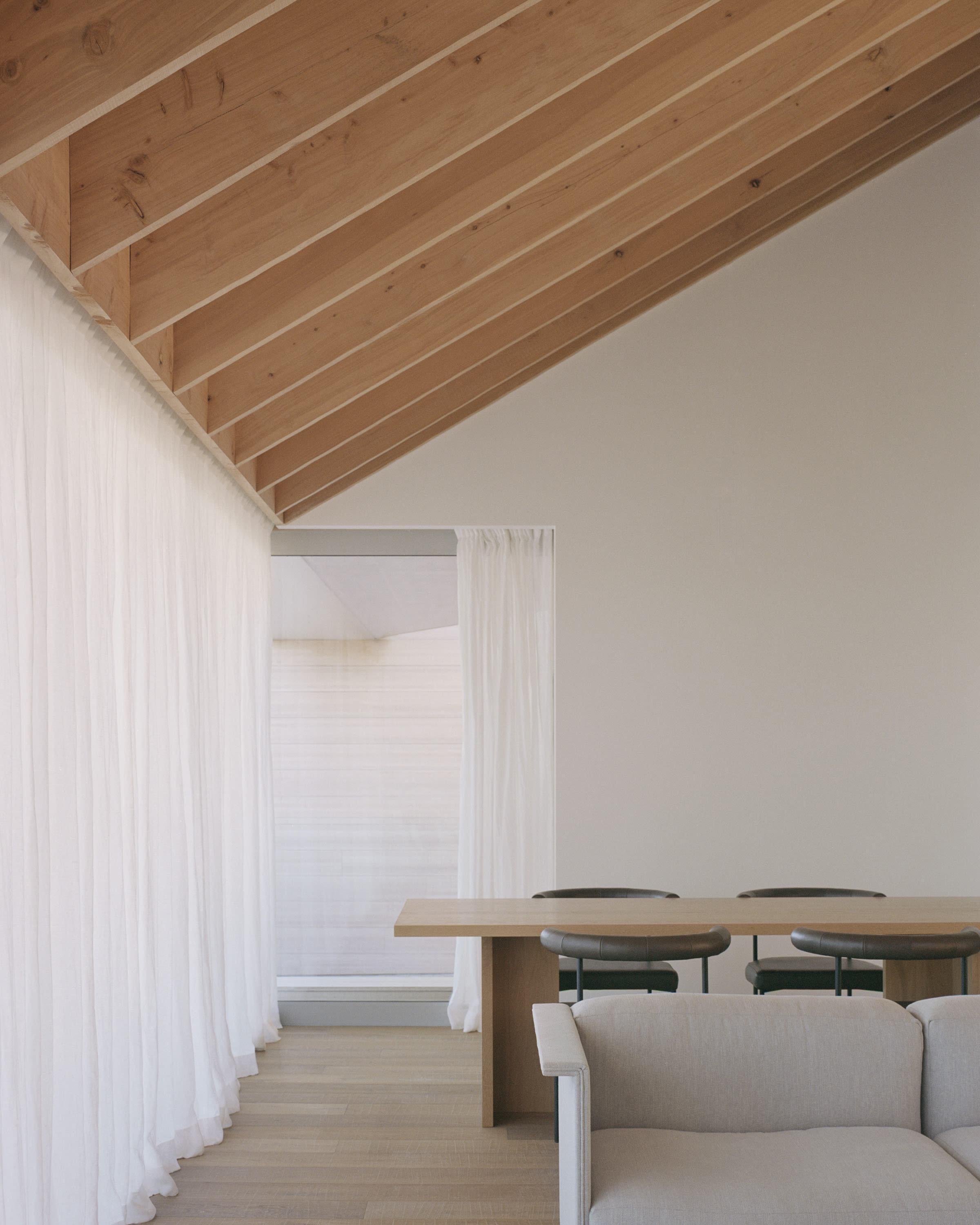
An engineered wood ceiling brings warmth, texture, and architectural depth to a space in a way few other materials can match. Whether installed in a residential living area, a boutique hotel lobby, or a high-end restaurant, the surface overhead deserves the same considered care as the floor beneath your feet. With the right approach, an engineered wood ceiling will hold its character and finish for decades.
Understanding what makes an engineered wood ceiling unique
Engineered wood is constructed in layers, with a hardwood veneer bonded to a stable plywood or HDF core. This layered structure gives the material exceptional dimensional stability, which matters even more on a ceiling than on a floor. Because ceilings are exposed to rising heat, fluctuating humidity, and sometimes direct sunlight from skylights or tall windows, they need a substrate that resists warping. An engineered wood ceiling delivers that performance while still showcasing the natural grain and color of real hardwood species such as European oak, American black walnut, ash, or Douglas fir.
Understanding the construction also informs how you care for it. The top veneer is real wood and behaves like any solid hardwood surface, so the finish, the species, and the environment all play a role in long-term appearance.
Establishing a regular cleaning routine
Maintenance starts with consistency. Dust, airborne grease, and humidity all settle on overhead surfaces, and even though ceilings do not endure foot traffic, they still accumulate residue over time. A light routine prevents buildup from becoming a deeper problem later.
Dusting and dry cleaning
For weekly upkeep, use a soft microfiber duster on a telescoping pole. Move with the grain of the wood rather than against it, and avoid pressing hard against the planks. In rooms with high ceilings, a vacuum with a soft brush attachment works well, though you should keep the suction on a moderate setting to protect the finish.
Avoid feather dusters loaded with chemical sprays, which can leave a film on the surface of an engineered wood ceiling. Likewise, never use abrasive pads or stiff bristles, both of which can scratch the veneer.

Spot cleaning when needed
If a stain or splash reaches the ceiling, address it quickly. Kitchens and bathrooms are the most common culprits, where cooking vapors or steam can carry oils and particles upward. Dampen a soft cloth with water and a small amount of pH-neutral wood cleaner, wring it out thoroughly, and wipe the affected area gently. The cloth should be barely damp. Water sitting on any wood surface, including engineered wood ceilings, can damage the finish over time.
Controlling humidity and indoor climate
Wood responds to its environment. Even with the stability that engineered construction provides, dramatic swings in humidity can cause the veneer to expand, contract, or develop minor checking. Keeping indoor relative humidity between 35 and 55 percent is the ideal range for protecting an engineered wood ceiling.
In dry winter months, a humidifier helps prevent the wood from shrinking and developing hairline gaps between planks. In summer, dehumidification or steady air conditioning prevents excess moisture from softening the finish or encouraging movement. Bathrooms and kitchens with wood overhead should have strong ventilation, including extractor fans rated for the room size, so steam dissipates quickly rather than condensing on the surface.

Protecting against sunlight and color change
Real wood evolves over time. Oak tends to deepen and warm, walnut may lighten slightly, and lighter species can take on a richer patina. This evolution is part of the appeal of natural materials, but uneven exposure can create noticeable contrast. If part of an engineered wood ceiling sits under a skylight while the rest is shaded, the difference may become visible within a few years.
To manage this, consider UV-filtering film on skylights and large windows. Rotate or reposition any furnishings that cast shadows onto the ceiling, particularly tall plants or pendant lighting with broad shades. If the ceiling has been installed in a sun-drenched space, expect some natural color shift and embrace it as part of the material's character.
Deep cleaning your engineered wood ceiling
A more thorough clean once or twice a year keeps the surface looking refined. The approach is gentle but methodical:
- Begin by dusting the entire ceiling with a microfiber pad to remove loose particles.
- Prepare a cleaning solution using warm water and a manufacturer-approved wood cleaner suited to the finish on your engineered wood ceiling.
- Working in small sections, wipe the surface with a barely damp microfiber cloth attached to a flat-head mop or extension pole.
- Follow immediately with a clean, dry cloth to remove any residual moisture.
- Inspect each section under good light for streaks, missed spots, or signs of wear that may need follow-up attention.
This sequence works for most finishes, from oiled to lacquered. Always check the care guidance for the specific collection you have installed, since some surfaces require specialized products.
Repairing minor damage and wear
Even with careful upkeep, small marks can appear. A wood ceiling installed near a stairwell, in a renovation environment, or in a busy commercial space may pick up the occasional scuff or dent from incidental contact.
Scratches and surface marks
Light scratches on an engineered wood ceiling can often be addressed with a touch-up pen or wax stick matched to the wood tone. Apply sparingly, blend with a soft cloth, and allow it to set. For oiled finishes, a small amount of maintenance oil rubbed into the affected area can restore both color and protection.
Watermarks and discoloration
If a leak from above has caused staining, the source must be repaired first. Once the area is fully dry, light discoloration on the surface can sometimes be lifted with a wood-specific cleaner. Persistent dark marks may indicate moisture damage to the veneer, in which case replacing the affected planks is the cleanest solution. Keeping a few spare boards from the original installation makes this kind of repair far easier.
Long-term care and refinishing
One of the advantages of an engineered wood ceiling with a generous wear layer is that it can be refinished if the surface becomes worn or you simply want to refresh the look. A light sanding and recoating, performed by a specialist, can restore depth and clarity to the wood. The frequency depends on the thickness of the veneer, the original finish, and the environment, but most well-maintained ceilings will not need refinishing for many years.
When considering a refinish, take the opportunity to assess the rest of the installation. Check fixings, look for any loose planks, and confirm that adjacent walls or beams are still in good condition. A coordinated approach extends the life of the whole installation, particularly where the ceiling sits alongside complementary wood paneling, joinery, or acoustic elements.
Knowing when to bring in a professional
There are moments when expert support pays for itself. Significant water damage, structural settling, or extensive UV-related color shift can be challenging to address with routine care alone. Specialists who work regularly with engineered wood ceilings and architectural wood products have the tools to match finishes, replace boards seamlessly, and advise on whether refinishing or partial replacement is the right path forward.
Bespoke and custom installations, in particular, benefit from periodic professional inspection. A trained eye will spot early signs of issues that homeowners or facility managers may overlook, from subtle cupping at the edges to fixing points loosening in older properties.
Preserving the character of your wood ceiling for the long term
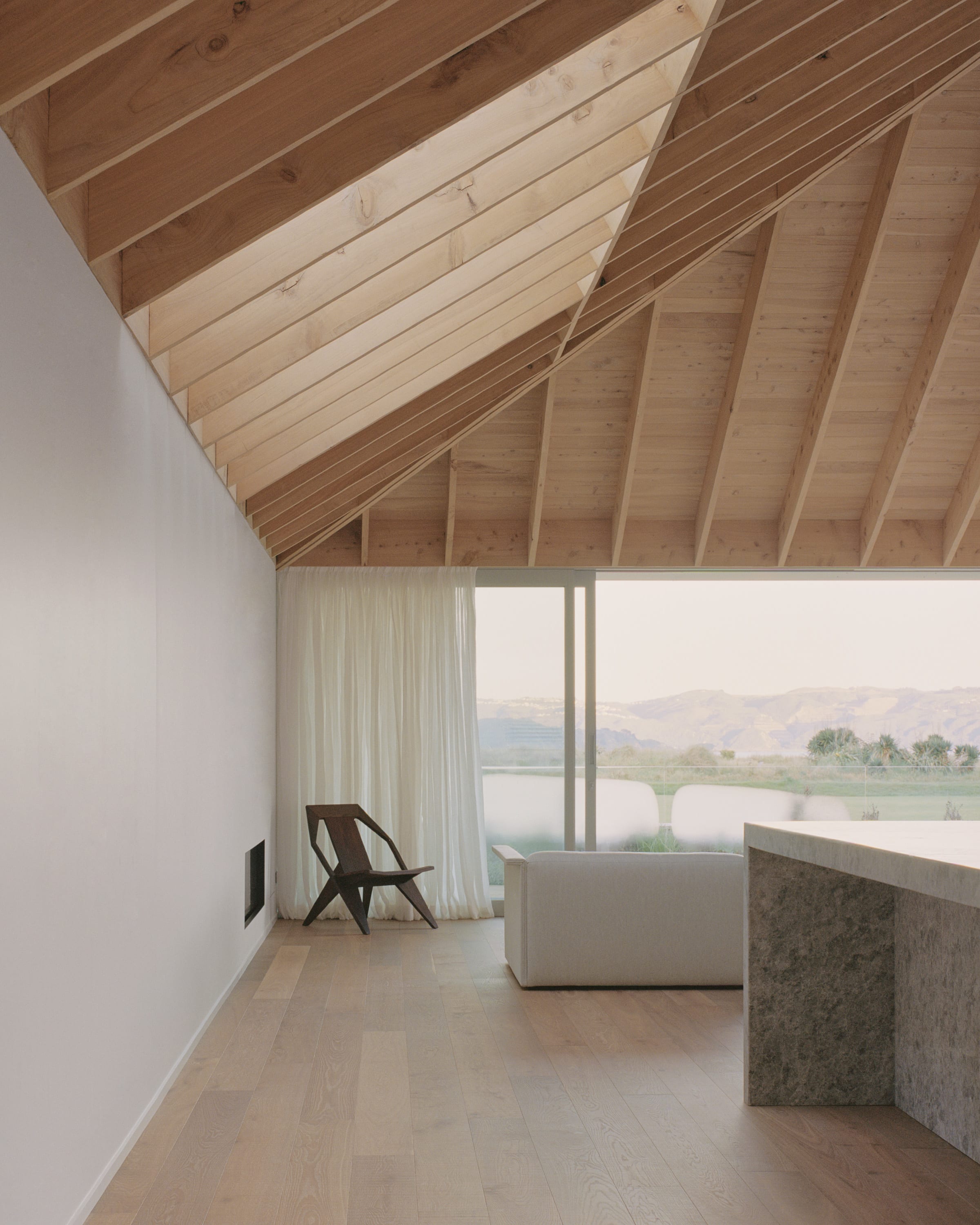
An engineered wood ceiling is an investment in atmosphere as much as architecture. The grain of the wood, the depth of the finish, and the way light moves across the surface all contribute to how a room feels. With consistent dusting, careful humidity control, sensible protection from direct sun, and the occasional deep clean, you preserve those qualities well into the future.
Treat the surface above with the same respect you would give a fine hardwood floor or a piece of solid wood joinery, and the wood ceiling will continue to anchor the design of the space for years to come. A small amount of attention each season delivers a result that feels effortless and looks considered.

