















How Wooden Wall Panels Transform Residential and Commercial Spaces
3 Jun 2026
Wooden wall panels have moved firmly into the heart of contemporary interior design. Once considered a feature reserved for traditional studies and heritage homes, they now appear across luxury residences, boutique hotels, restaurants, and modern workspaces. The reasons are practical as much as aesthetic. Wooden wall panels deliver warmth, texture, and architectural depth that few other materials can match, and they have become one of the most reliable ways to lift the quality of an interior.
The Renewed Appeal of Wooden Wall Panels
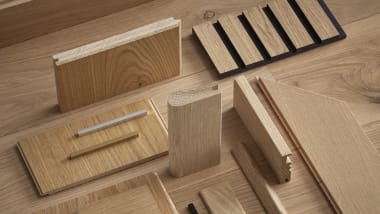
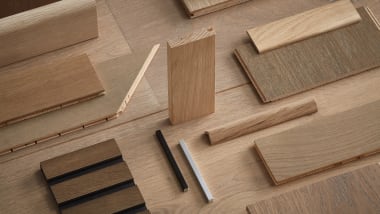
There is a reason wooden wall panels are appearing in nearly every category of refined design. Wood brings a natural warmth that softens hard architecture, anchors open layouts, and adds richness to rooms that would otherwise feel flat. At Havwoods, wooden wall paneling has grown into a dedicated product category alongside flooring, with ranges including PurePanel®, Vertical, Elegante Veneers, and Simplista offering a full spectrum of finishes, grain patterns, and applications.
The appeal is part visual and part practical. Wooden walls absorb sound, improve thermal comfort, and conceal imperfections in older buildings. They also allow designers to introduce natural materials in spaces where wood flooring is not an option. As clients across residential and commercial sectors look for interiors that feel considered rather than generic, wooden wall panels offer a quiet but unmistakable signal of quality.
How Wooden Wall Panels Reshape Residential Interiors
In homes, wooden wall panels do more than decorate. They define how a space is used, how light moves through it, and how the architecture is experienced.
Living Rooms and Entryways
A living room with wooden wall panels behind a fireplace or media wall reads as intentional rather than improvised. The wall becomes a focal element, drawing the eye and giving surrounding furniture a backdrop with real depth. Entryways also benefit from this treatment, with paneled walls helping a foyer feel grounded and warm from the moment a guest steps inside. Vertical wooden wall panels in particular can make ceilings appear taller in compact entry spaces.
Bedrooms and Personal Retreats
Wooden wall panels behind a bed have become a signature move in luxury residential design. The effect is sculptural without being loud, replacing traditional headboards with an integrated architectural feature. The Simplista range works particularly well in these contexts, offering a clean look that suits both contemporary and traditional bedroom schemes.
Kitchens and Dining Spaces
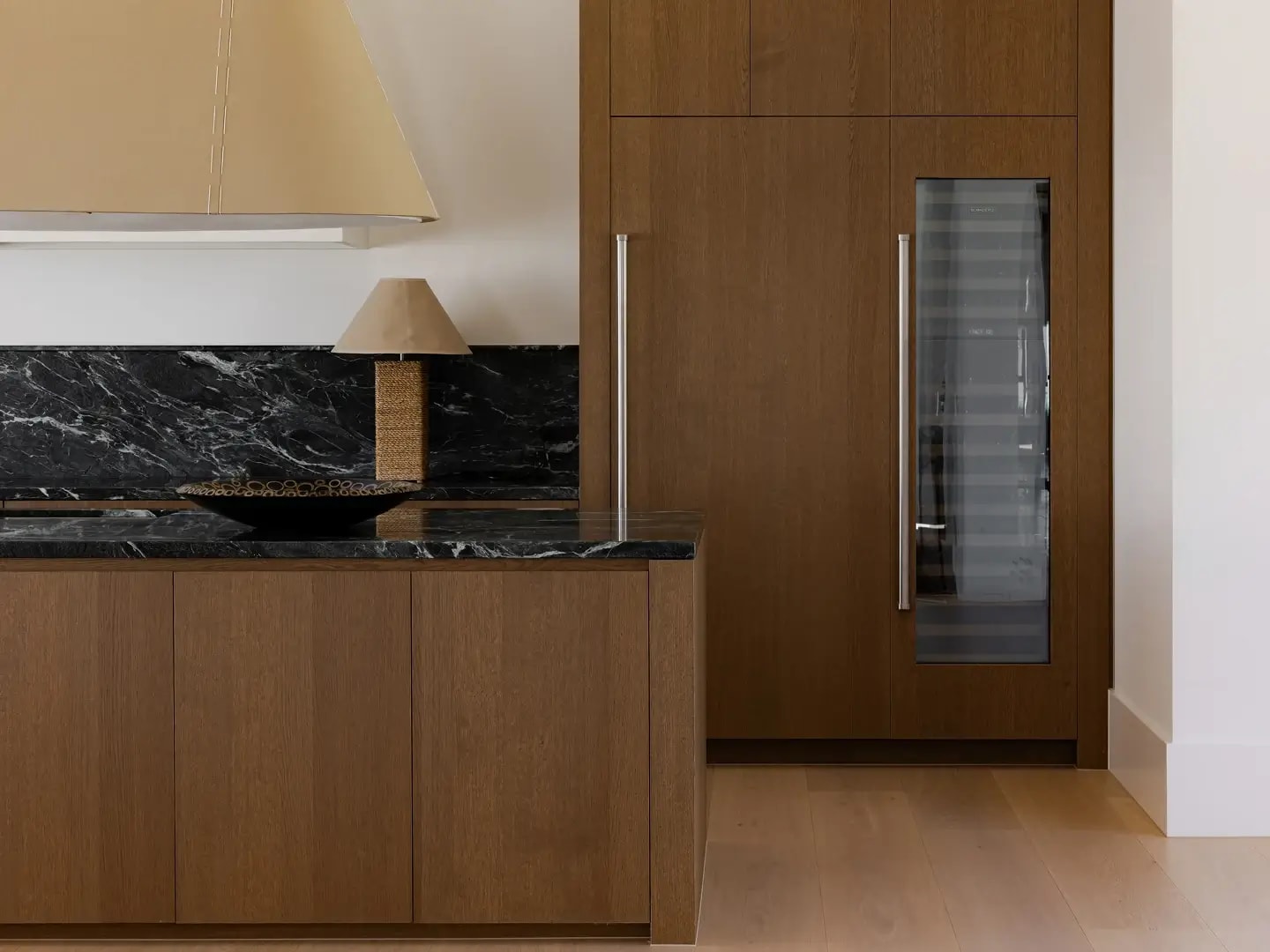
Kitchens and dining areas benefit enormously from the softening influence of wood. Wooden wall panels used as a feature behind open shelving, banquette seating, or a dining nook help break up the hard edges of cabinetry and stone, keeping the room feeling residential rather than utilitarian.
Wooden Wall Panels in Commercial Environments
The commercial side of design has embraced wooden wall panels with equal enthusiasm. In environments where atmosphere is part of the product, wooden walls do real work.
Hospitality and Restaurants
In hotels and restaurants, wooden wall panels create the kind of immersive setting that guests remember. Lobbies clad in wide plank paneling feel established and welcoming. Restaurants use wooden walls to control acoustics in spaces that would otherwise feel echoing, while also building a richer sensory backdrop for dining. The Elegante Veneers range, with its striking grain expressions, suits boutique hotels and high-end restaurants where the wall finish itself becomes part of the brand story.
Retail and Showroom Spaces
Retail design depends on creating a setting that makes the merchandise feel valuable. Wooden wall panels can dramatically shift the tone of a shop, turning a simple white-box interior into a space that feels curated and refined. PurePanel® has become a popular choice in retail because it offers the look of traditional wood paneling with the consistency required for commercial fit-outs.
Workplaces and Offices
Modern offices have moved away from open-plan austerity toward warmer, more residential interiors. Wooden wall panels have a central role to play in this shift. Reception areas paneled in wood greet visitors with a sense of permanence and craft, while meeting rooms benefit acoustically and visually from the same treatment.

Choosing the Right Wooden Wall Panels for Your Project
The category is broad, and choosing well requires thinking about more than appearance.
Material and Finish Considerations
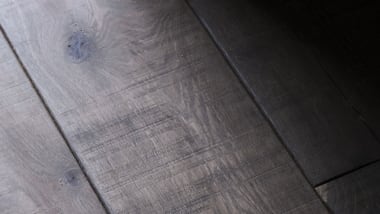
Wood species, grade, and finish all shape the final look. European Oak offers a balanced grain and accepts a wide range of finishes, from pale and limed to deep and smoked. American Black Walnut brings a richer, darker character that suits more dramatic interiors. Within each species, the choice of brushed, smooth, or sawn texture changes how the wood reads under different lighting.
Color matters too. Havwoods organizes its woods into color groups including Blonde, Honey, Auburn, Cocoa, Platinum, Smoky Grey, Brunette, and Monochrome, which helps designers coordinate wooden wall panels with flooring, joinery, and other architectural elements.
Acoustic Performance and Functional Benefits
One of the strongest practical arguments for wooden wall panels is their impact on sound. Hard, reflective interiors are exhausting to occupy for long periods. Wooden walls help break up sound waves and reduce reverberation, making conversations easier and spaces more comfortable. Some panel systems are designed specifically with acoustic performance in mind, combining the visual appeal of wood with engineered backing that absorbs noise.
Pairing Wooden Wall Panels With Flooring and Other Materials
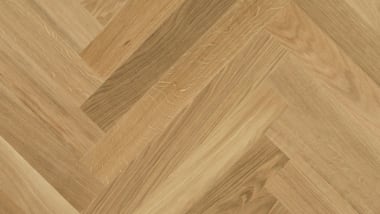
A common question from designers is how to coordinate wooden wall panels with the floor. Matching the species and tone across floor and wall creates a fully enveloping, architectural look that suits modern minimalism. Contrasting the two, such as pairing a darker walnut feature wall with a lighter oak floor, introduces depth and definition. Wooden wall panels also work beautifully alongside stone, plaster, brushed metals, and natural textiles.
The Lasting Value of Well-Specified Wooden Wall Panels
Wooden wall panels are not a fleeting design fashion. They are a long-term investment in the quality of a space. When specified well, they age gracefully, deepen the architecture, and continue to feel relevant as styles shift. For homeowners, they add real value to a property. For commercial clients, they elevate brand experience and create environments that customers want to return to. With the breadth of ranges, finishes, and species now available, wooden wall panels have become one of the most reliable ways to give an interior real presence and lasting design impact.


