

















Light Oak Flooring Ideas and Buying Guide
23 Jun 2026
Few materials shape a room the way light oak does. It brings a sense of space, calm, and natural warmth that suits almost any interior, from pared-back Scandinavian schemes to busy family homes. If you are drawn to bright, airy interiors that still feel grounded and welcoming, oak flooring in a pale tone is one of the most rewarding choices you can make. This guide brings together practical buying advice and design inspiration so you can choose well and style with confidence.
Light oak has stayed in demand for a simple reason. It works. The soft, blonde character of the timber reflects light, opens up smaller rooms, and provides a flexible backdrop that lets furniture and décor take the lead. Whether you are renovating a single room or fitting out a whole home, understanding what to look for will help you find a floor that performs as beautifully as it looks.
Why light oak flooring is so popular
The appeal of light oak begins with its versatility. A pale floor acts as a neutral canvas, which means it adapts as your taste evolves. Repaint the walls, swap the sofa, or change the rugs, and the floor still belongs. That longevity of style is one reason light oak flooring continues to feature so heavily in contemporary interiors.
There is a practical side too. Lighter tones tend to disguise dust and the fine scratches of daily life more forgivingly than very dark surfaces. They suit homes with pets and children, and they make compact rooms feel larger by bouncing natural and artificial light around the space. For north-facing rooms that can feel cool or dim, a blonde or honey-toned oak floor adds a welcome lift.
Oak itself deserves credit as well. It is one of the most dependable hardwoods, prized for its strength, its distinctive grain, and the way it takes a finish. When you choose oak wood flooring in a light shade, you are getting a surface that balances good looks with genuine durability, which is exactly what a hardworking floor needs to deliver.
Solid or engineered oak flooring
One of the first decisions any buyer faces is the choice between solid and engineered construction. Both are real wood, and both can look superb, but they behave differently and suit different settings.
Solid oak is milled from a single piece of timber. It has a traditional appeal and can be sanded back and refinished many times over its life. The trade-off is that it responds to changes in humidity and temperature, expanding and contracting through the seasons. In rooms with underfloor heating or significant moisture variation, that movement has to be planned carefully.
Engineered oak flooring takes a different approach. It is built from a genuine oak top layer bonded to a stable core of cross-layered timber. You still walk on and see real oak, so the look and feel are authentic, but the engineered structure resists the swelling and shrinking that can affect solid boards. This makes engineered oak flooring particularly well-suited to modern homes, open plan layouts, and spaces fitted with underfloor heating.
For most buyers, this construction offers the most dependable balance of beauty and stability. It gives you the surface you want with the structural reassurance that keeps the floor looking right for many years, which is why it has become the default recommendation for so many living spaces.

What to look for when buying oak flooring
Choosing well means looking past the surface and understanding the specification. A few key factors determine how a floor will look on day one and how it will hold up over time. Keep these points in mind as you compare options:
- Check the wear layer thickness on engineered boards, since a thicker layer of real oak means the floor can be sanded and refreshed in the future.
- Consider the grade, as prime grades give a cleaner, more uniform look while character grades show more knots, sapwood, and natural movement.
- Think about the finish, weighing a natural oiled surface that enhances the grain against a lacquered finish that adds extra protection.
- Match the plank width to your room, with wider boards suiting larger open spaces and narrower boards feeling more classic.
- Confirm underfloor heating compatibility before you buy if it applies to your project.
Working through these points helps you avoid surprises and ensures the floor you choose suits both your lifestyle and your design.
Grade and finish
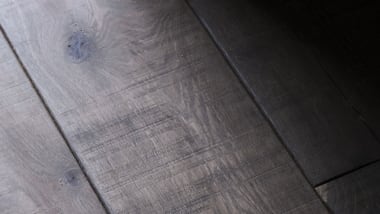
Grade has a big effect on the final look. A prime grade light oak reads as smooth and contemporary, with minimal knots and an even tone, ideal for clean modern interiors. A character grade brings more personality, with visible knots and grain variation that feel warmer and more rustic. Neither is better; it comes down to the mood you want.
Finish matters just as much. An oiled finish sinks into the wood, enhancing the grain and giving a soft, tactile, matte appearance that is easy to spot and repair. A lacquered finish sits on the surface and offers a tougher, more wipeable layer that resists daily wear. For busy households, the extra resilience of a lacquer can be reassuring, while design-led spaces often favour the natural feel of oil.

Light oak flooring ideas for every room
Once you have settled the specification, the creative work begins. Light oak is wonderfully adaptable, and a few thoughtful choices can completely change the character of a space. These oak flooring ideas show how the same material can flex across very different interiors.
In open plan living areas, wide plank light oak creates a seamless, expansive feel that draws the eye across the room and unifies kitchen, dining, and lounge zones. The pale tone keeps the space bright and prevents large floors from feeling heavy. Layer in textured rugs and natural materials to add depth without losing that airy quality.
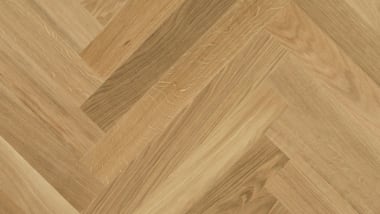
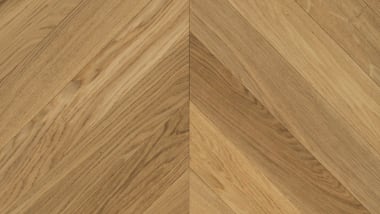
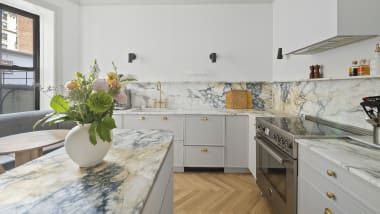
For period homes, narrower boards or a herringbone layout in a soft oak tone strike a lovely balance between heritage and freshness. Herringbone in particular has surged in popularity, and a light finish keeps the pattern feeling current rather than overly traditional. Chevron offers a sharper, more contemporary alternative for those who want a stronger geometric rhythm.
In bedrooms, light oak brings a restful, grounded calm underfoot, pairing beautifully with soft linens and muted palettes. In hallways and entrances, where light is often limited, a blonde floor brightens the space and makes a welcoming first impression. Among the most popular oak flooring ideas right now is keeping walls and floor in a similar tonal family, then introducing contrast through furniture, art, and greenery, which creates a serene, gallery-like backdrop.
Styling light oak with colour and texture
Light oak gives you enormous freedom with the rest of your scheme. Cool greys and crisp whites lean modern and Scandinavian, letting the floor add the only warmth in the room. Earthy tones such as terracotta, sage, and ochre play to the natural character of the wood and create a cosier, more organic feel. Black accents and dark joinery provide a striking contrast against a pale floor, sharpening the whole look.
Texture is your friend, too. Because light oak is relatively understated, layering different textures keeps a room from feeling flat. Think wool rugs, linen upholstery, ceramic, and matte metals. Each adds interest while letting the oak flooring remain a quiet, confident foundation. The goal is a space where the floor supports the design rather than competing with it.
Caring for oak flooring
A light oak floor is easy to look after with a little consistency. Sweep or vacuum regularly to remove the grit that can scratch the surface, and wipe spills promptly rather than letting them sit. Use a cleaner formulated for wood rather than harsh or overly wet methods, which can dull or damage the finish over time.
Felt pads under furniture legs prevent scuffs, and a doormat at entrances stops abrasive dirt from being walked across the boards. Keeping indoor humidity reasonably stable through the year reduces natural movement in the wood and keeps everything sitting neatly. With this simple routine, oak wood flooring stays looking its best and only grows more characterful with age.
Making your decision
Choosing light oak comes down to matching the floor to the way you live. Decide between solid and engineered construction first, with engineered oak flooring usually offering the most reliable performance. Check the wear layer, grade, and finish so you know exactly what you are buying. Then explore plank widths, patterns, and styling so your floor works with your wider scheme rather than against it.
Ordering samples is always worth the effort, because oak looks different in your own light, against your own walls, and beside your own furnishings. Take the time to view options at home and think about both looks and longevity, and you will land on oak flooring that feels right from the very first step and rewards the choice for decades to come.c


