
















Metal inlay strips: how to incorporate them into wood flooring
8 Apr 2026
Metal inlay strips are one of the most effective ways to elevate wood flooring from a functional surface into a considered design feature. When used thoughtfully, metal inlay strips introduce contrast, structure, and a refined edge that enhances the natural beauty of wood rather than competing with it. Whether subtle or statement-driven, metal inlay strips offer a level of customization that feels tailored and architectural.
At Havwoods, wood flooring is treated as the foundation of a space, not just a finishing touch. From engineered planks to intricate parquet patterns, every floor is designed to bring warmth, durability, and visual depth. Metal inlay strips complement this approach perfectly, allowing designers to add detail without losing the integrity of the wood itself.
Why metal inlay strips work so well with wood flooring
The success of metal inlay strips comes down to contrast. Wood is organic, textured, and naturally varied, while metal inlay strips are precise, smooth, and reflective. When the two are combined, the result is a balanced aesthetic that feels both grounded and refined.
Metal inlay strips can subtly catch light, define edges, and introduce rhythm across a floor. In lighter tones, they can add a polished and contemporary feel. In darker or warmer interiors, metal inlay strips can create depth and highlight key design moments. Because of this versatility, metal inlay strips can work across a wide range of interior styles, from classic to modern.
What are metal inlay strips in flooring?
Metal inlay strips are narrow sections of metal that are integrated into wood flooring. They can be installed flush with the surface for a seamless look or used as feature details that sit between boards, patterns, or zones. Metal inlay strips are often used to create borders, define transitions, or highlight architectural features within a space.
Rather than being purely decorative, metal inlay strips are a design tool. They help organize a floor visually, guiding the eye and reinforcing the layout of a room. When paired with high-quality engineered wood flooring, metal inlay strips become part of a cohesive and durable design solution.
Where to use metal inlay strips in the home
Metal inlay strips can be introduced in a variety of ways, depending on how subtle or expressive you want the final look to be. In entryways, metal inlay strips can create a framed effect that immediately sets the tone for the rest of the home.
In hallways, they can break up long runs of flooring and add visual interest without overwhelming the space.
In open-plan interiors, metal inlay strips are particularly useful. They allow you to define different zones, such as dining and living areas, while maintaining a continuous flooring surface. This approach supports a cohesive flow while still giving each area its own identity.
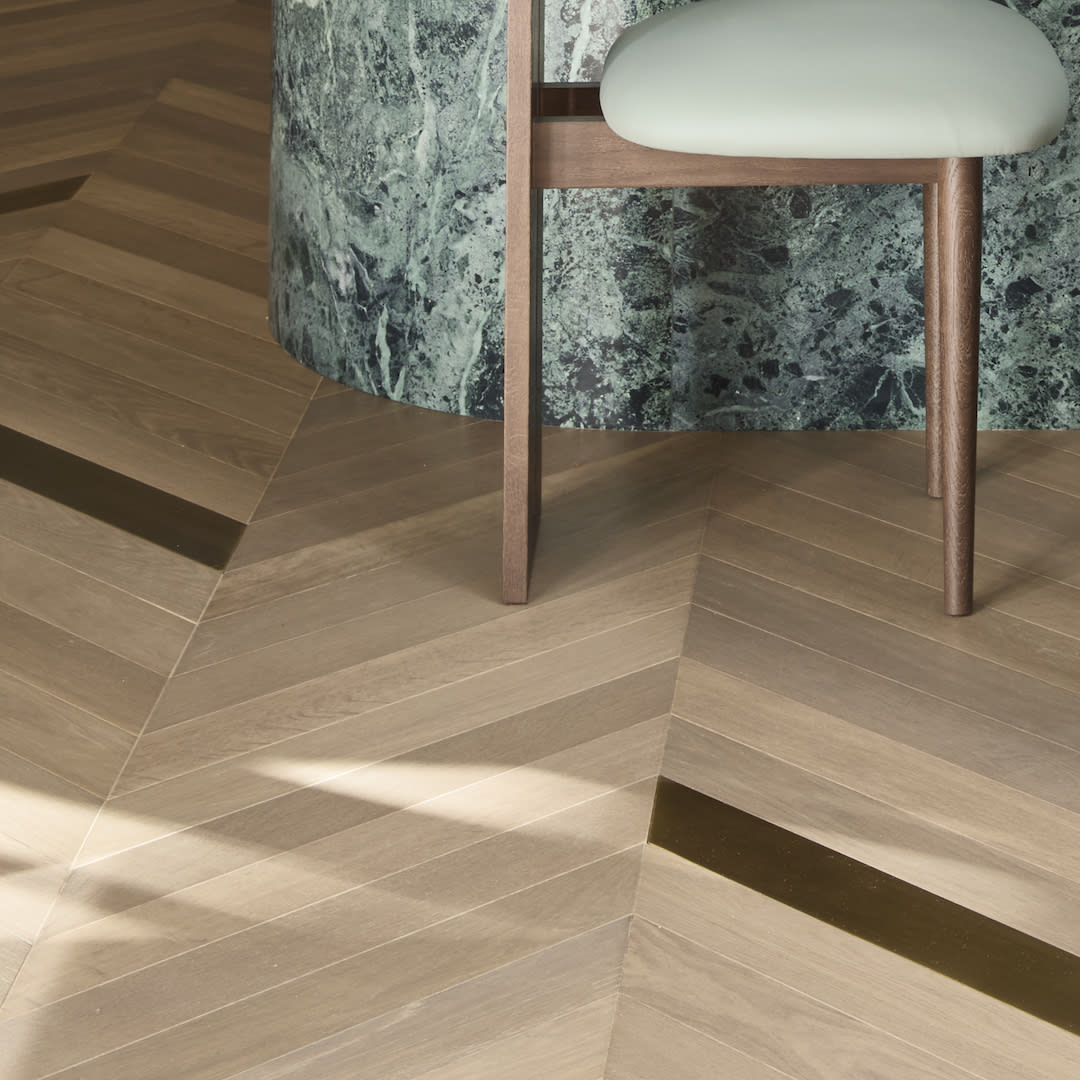
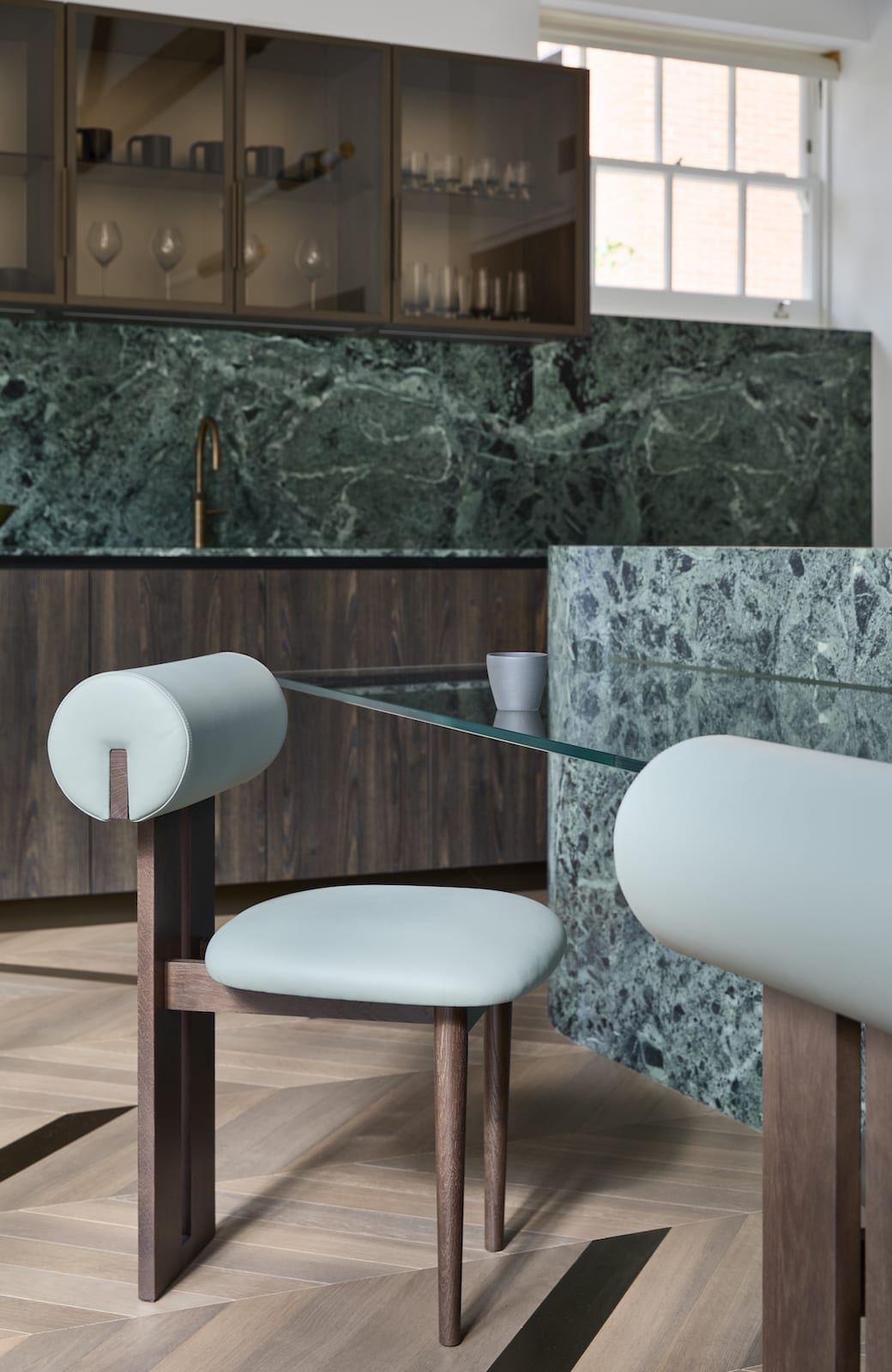
Kitchens are another ideal setting for metal inlay strips. They can be used to outline an island, mark transitions between materials, or subtly separate functional zones. In living rooms or more formal spaces, metal inlay strips can frame a central area, adding a bespoke touch that enhances the overall design.
Even in smaller details, metal inlay strips can make an impact. Thresholds, stair landings, and doorways all benefit from the added definition that metal inlay strips provide.
Ways to incorporate metal inlay strips into your flooring design
One of the most popular approaches is to use metal inlay strips as a border. This works particularly well in larger rooms or spaces where you want to create a sense of structure. A border can be simple and understated or more pronounced, depending on the width and placement of the metal inlay strips.
Metal inlay strips also pair beautifully with patterned wood flooring, such as herringbone or chevron. These patterns already introduce movement, and metal inlay strips can be used to frame or enhance that geometry, making the overall design feel more intentional.
In larger, open spaces, metal inlay strips can define zones without interrupting the continuity of the floor. This is especially effective in modern homes where maintaining flow is important but subtle differentiation is still needed.
Another approach is to use metal inlay strips to highlight specific features within a room. A fireplace, built-in seating, or kitchen island can all become stronger focal points when outlined with a fine metal detail. In these cases, metal inlay strips act as a design accent that draws attention to key elements of the space.
For those who prefer a more minimal aesthetic, a single line of metal inlay strips can be enough. Running across a threshold or along a key axis in the room, this simple detail can have a surprisingly strong impact.
Choosing the right wood flooring to pair with metal inlay strips
The choice of wood flooring plays a crucial role in how metal inlay strips are perceived. Lighter tones, such as blonde or pale oak, create a clean and contemporary backdrop that allows metal inlay strips to stand out in a subtle and refined way. For example, a prime-grade European oak floor with a smooth finish offers consistency and clarity, making it ideal for modern interiors where precision is key.
For a slightly more expressive look, a character grade floor introduces natural variation in tone and grain. This can soften the effect of metal inlay strips, creating a more relaxed and organic feel while still maintaining a sense of design intent.
Warmer tones bring a different dimension to metal inlay strips. Honey or deeper oak shades create a welcoming atmosphere, and when paired with metal details, they achieve a balance between comfort and sophistication.
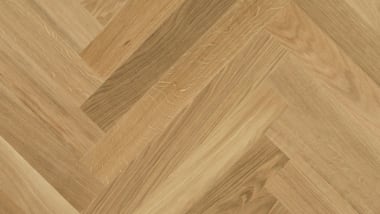
Patterned flooring, such as herringbone, offers another opportunity. The directional layout already adds visual interest, and metal inlay strips can be used to frame or enhance that pattern, giving the floor a layered and custom appearance.
Why engineered wood flooring is ideal for detailed designs
When incorporating metal inlay strips, stability is essential. Engineered wood flooring is constructed in layers, which helps reduce movement caused by changes in temperature and humidity. This makes it a reliable choice for designs that include precise detailing like metal inlay strips.
Wood is a natural material and will always respond to its environment, so proper installation and environmental control remain important. Maintaining consistent indoor conditions helps preserve both the wood and the integrity of the metal inlay strips, ensuring the floor performs as well as it looks.
Design considerations for metal inlay strips
For the best results, metal inlay strips should feel integrated into the overall design rather than added on as an afterthought. The finish of the metal should relate to other elements in the space, such as lighting or hardware, to create a cohesive look.
Scale is also important. Thin metal inlay strips offer a subtle, refined detail, while wider strips create a more graphic and contemporary effect. The size of the room and the complexity of the flooring pattern should guide this decision.
Restraint is key. Because metal inlay strips naturally draw attention, using them sparingly often leads to a more sophisticated result. A well-placed detail can have far more impact than an overly complex design.
Bringing it all together
Metal inlay strips are a powerful way to enhance wood flooring, adding precision, contrast, and a sense of craftsmanship. Whether used to frame a room, define zones, or highlight architectural features, metal inlay strips can transform a floor into a true design statement.
When paired with high-quality engineered wood flooring from Havwoods, the result is a surface that not only looks exceptional but also performs reliably over time. By considering placement, scale, and material combinations carefully, metal inlay strips can be seamlessly integrated into any interior, creating a finish that feels both modern and enduring.

