














Textured Hardwood in Interior Design: Styles, Finishes, and Benefits
11 Feb 2026
Textured Hardwood has become a defining feature in contemporary interior design, offering depth, character, and a tactile quality that smooth flooring simply cannot replicate. As homeowners and designers increasingly look for materials that feel authentic and lived in, Textured Hardwood stands out as both a practical and aesthetic solution. From modern apartments to classic family homes, this style of wood flooring adds warmth, visual interest, and long-term value.
In this guide, we explore how Textured Hardwood is created, the most popular styles and finishes, and the key benefits it brings to interior spaces. Whether you are planning a full renovation or simply refining your design palette, understanding Textured Hardwood can help you make a confident and informed flooring choice.
What We Mean by Textured Hardwood
When we talk about Textured Hardwood, we are referring to wood flooring that has been intentionally worked to enhance the natural grain and structure of the timber. Instead of a smooth, uniform surface, Textured Hardwood highlights variation, depth, and movement in the wood.
Textured Hardwood is created using techniques that interact with the softer and harder parts of the grain. These processes bring out natural patterns that already exist in the wood, rather than covering them up. The result is a floor that feels more organic underfoot and looks richer across the surface.
If you want a floor that feels natural rather than polished, Textured Hardwood allows you to embrace the beauty of real wood while still benefiting from modern performance.
Why We See Textured Hardwood Everywhere in Interior Design
Interior design has shifted toward warmth, tactility, and authenticity. We now prioritize materials that feel grounded and comfortable rather than overly refined. Textured Hardwood fits perfectly within this approach.
When you choose Textured Hardwood, you are choosing a floor that works with everyday life. Texture helps disguise minor marks and wear, which means your floor continues to look good even as your space is lived in. This makes Textured Hardwood especially appealing if you have an open plan layout, children, pets, or simply want a floor that does not require constant maintenance to look its best.
Textured Hardwood also creates visual interest without overwhelming your design. It adds depth to neutral interiors and complements both contemporary and traditional spaces.
Popular Textured Hardwood Styles You Can Choose From
Wire Brushed Textured Hardwood
Wire brushed Textured Hardwood is one of the most versatile options available. During the wire brushing process, the softer grain is gently removed, allowing the natural structure of the wood to stand out.
If you are aiming for a clean but characterful look, wire brushed Textured Hardwood gives you the best of both worlds. The texture is subtle, which makes it ideal for modern interiors, transitional homes, and open concept spaces.
We often recommend wire brushed Textured Hardwood when you want texture that enhances the floor without dominating the overall design.

Hand Scraped Textured Hardwood
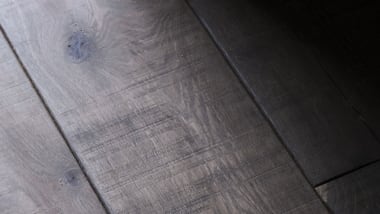
Hand scraped Textured Hardwood offers a more pronounced surface variation. This technique creates gentle undulations across each plank, resulting in a floor that feels crafted rather than manufactured.
If you want warmth and personality in your space, hand scraped Textured Hardwood delivers exactly that. It works particularly well in classic interiors, farmhouse-inspired homes, and spaces where you want the floor to feel established and welcoming.
This style of Textured Hardwood also helps soften larger rooms by breaking up light across the surface.
Distressed Textured Hardwood
Distressed Textured Hardwood is designed to celebrate imperfection. Through controlled distressing techniques, the wood takes on an aged, lived-in appearance.
You might choose distressed Textured Hardwood if you want your space to feel relaxed and full of character from the moment you walk in. This style pairs well with layered interiors, natural materials, and design schemes that prioritize comfort over uniformity.

Choosing the Right Finish for Textured Hardwood
The finish you choose plays a crucial role in how your Textured Hardwood looks, feels, and performs over time.
Oiled Finishes on Textured Hardwood
When you opt for an oiled finish, the oil penetrates the surface of the Textured Hardwood rather than sitting on top of it. This enhances the natural grain and allows the texture to remain fully visible and tactile.
Oiled Textured Hardwood gives you a matte, natural appearance that works beautifully in both contemporary and classic interiors. It also allows for easy maintenance over time, as targeted areas can be refreshed without refinishing the entire floor.
If you want a finish that complements texture and supports a natural look, oiled Textured Hardwood is an excellent choice.
Lacquered Finishes on Textured Hardwood
Lacquered finishes provide a protective layer over the surface of Textured Hardwood. Modern matte lacquers are designed to protect the wood while still allowing the texture to show through.
This finish works well if you want lower maintenance without sacrificing design. Lacquered Textured Hardwood resists spills and everyday wear, making it suitable for busy areas like kitchens, hallways, and open living spaces.
The Practical Benefits of Textured Hardwood
One of the biggest advantages of Textured Hardwood is how well it handles daily life. Texture naturally disguises small scratches, dents, and marks, so your floor continues to look balanced and intentional over time.
Textured Hardwood also feels more forgiving underfoot. The subtle variations in the surface create a comfortable, grounded feel that enhances the overall experience of the space.
From a design standpoint, Textured Hardwood adds depth and movement. Light interacts with the surface differently throughout the day, giving your interior a dynamic quality that smooth floors often lack.
How You Can Use Textured Hardwood in Different Spaces
Textured Hardwood in Modern Interiors
In modern homes, Textured Hardwood introduces warmth without disrupting clean lines. We often see wire brushed finishes used to soften minimalist interiors and prevent them from feeling too stark.
By choosing neutral tones and subtle texture, you can use Textured Hardwood to anchor your design while still maintaining a contemporary aesthetic.
Textured Hardwood in Classic and Transitional Homes
Classic interiors benefit greatly from Textured Hardwood. Hand scraped and lightly distressed finishes complement traditional architectural details while still feeling current.
If you are working with a transitional design, Textured Hardwood helps bridge old and new elements by adding character without overpowering the space.
Textured Hardwood in Open Plan Living
Open plan spaces require flooring that can perform across multiple zones. Textured Hardwood is ideal here because it maintains visual consistency while handling different levels of foot traffic.
Texture also helps large spaces feel more intimate by adding variation and depth across the floor.
Sustainability and Longevity of Textured Hardwood
When you choose Textured Hardwood, you are also making a long-term decision. Because texture disguises wear, floors often maintain their appearance for longer, reducing the need for replacement.
Engineered Textured Hardwood offers added stability and efficient use of wood resources, making it suitable for modern homes and sustainable design goals. Many Textured Hardwood floors can also be refinished, extending their lifespan even further.

How You Can Choose the Right Textured Hardwood
When selecting Textured Hardwood, consider how you use the space and how much texture feels right for your design. Subtle textures suit clean, modern interiors, while deeper textures work well in character-driven spaces.
Lighting also plays a role. Natural and artificial light enhance texture differently, so sampling Textured Hardwood in your space helps you see how it behaves throughout the day.
Maintenance preferences should guide your finish choice. Whether you prefer the natural feel of oil or the convenience of lacquer, Textured Hardwood gives you options that align with your lifestyle.
Why Textured Hardwood Continues to Stand Out
We see Textured Hardwood remain popular because it balances beauty and practicality. It allows you to create interiors that feel warm, lived in, and intentional without sacrificing performance.
When you choose Textured Hardwood, you are not just selecting a floor. You are creating a foundation that supports how you live, move, and design your space for years to come.