











The Best Engineered Hardwood Flooring for Your Home
23 Jun 2026
Choosing a floor is one of the biggest decisions you will make when designing or renovating a home. It shapes how a room feels underfoot, how light moves across a space, and how well the surface holds up to daily life. For many homeowners, engineered hardwood flooring has become the natural answer because it brings together the warmth of real timber with a construction method built for modern living.
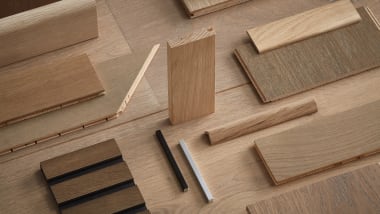
Unlike solid boards cut from a single piece of wood, engineered hardwood flooring is made from multiple layers. A genuine wood veneer sits on top, bonded to a stable core of plywood or high-density backing. This layered build gives the floor its strength and its resistance to the small movements that happen when temperature and humidity shift through the seasons. The result is a surface that looks and feels like solid timber yet behaves far more predictably in real homes.
If you have been comparing options, this guide will help you understand what sets the best engineered hardwood flooring apart, where it performs best, and how to select a floor that will serve your home beautifully for decades. By the end, you should feel confident about whether engineered hardwood flooring is the right surface for your project.
How engineered wood flooring is built
The performance of any engineered board comes down to its layers. Understanding this structure makes it easier to judge quality and value when you are shopping.
The top layer, often called the wear layer or veneer, is real hardwood. This is the surface you see and walk on, and its thickness matters a great deal. A thicker wear layer means the floor can be sanded and refinished more than once over its lifetime, extending its life significantly. Beneath this sits the core, usually made of cross-bonded plywood layers or a dense substrate. These layers are positioned in alternating directions, which is what gives engineered wood flooring its dimensional stability.
This clever construction is the reason engineered boards resist warping and gapping. Solid timber expands and contracts as moisture levels change, while the layered core of an engineered floor counteracts that movement. For homes with underfloor heating, large open rooms, or rooms that see seasonal humidity swings, this stability is a real advantage.
The benefits that make engineered hardwood floors a smart choice
There are several reasons designers, architects, and homeowners reach for engineered hardwood floors when they want a surface that is both beautiful and practical.
- Genuine wood character: because the top layer is real timber, every board carries the grain, tone, and texture of natural wood. No two planks are identical, which gives a floor depth and authenticity that printed surfaces cannot match.
- Stability across conditions: the cross-layered core handles changes in temperature and humidity with ease, making engineered boards suitable for almost any room in the home.
- Compatibility with underfloor heating: the construction allows heat to pass through evenly while keeping the boards stable, so you can enjoy warm floors without worrying about movement.
- A wide range of finishes: from pale, blonde tones to deep cocoa and smoky grey shades, engineered floors come in finishes to suit any interior scheme.
- Long service life: with a quality wear layer, the surface can be refinished, allowing the floor to be refreshed rather than replaced.
These qualities explain why engineered hardwood flooring has become a default choice for renovations and new builds alike. It offers the look people love without some of the limitations that come with solid boards.
Where engineered hardwood flooring performs best
One of the strengths of engineered wood flooring is its versatility. Because it copes so well with changing conditions, it can be used in spaces where solid timber might struggle.
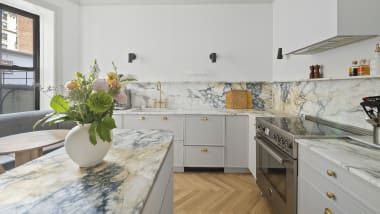
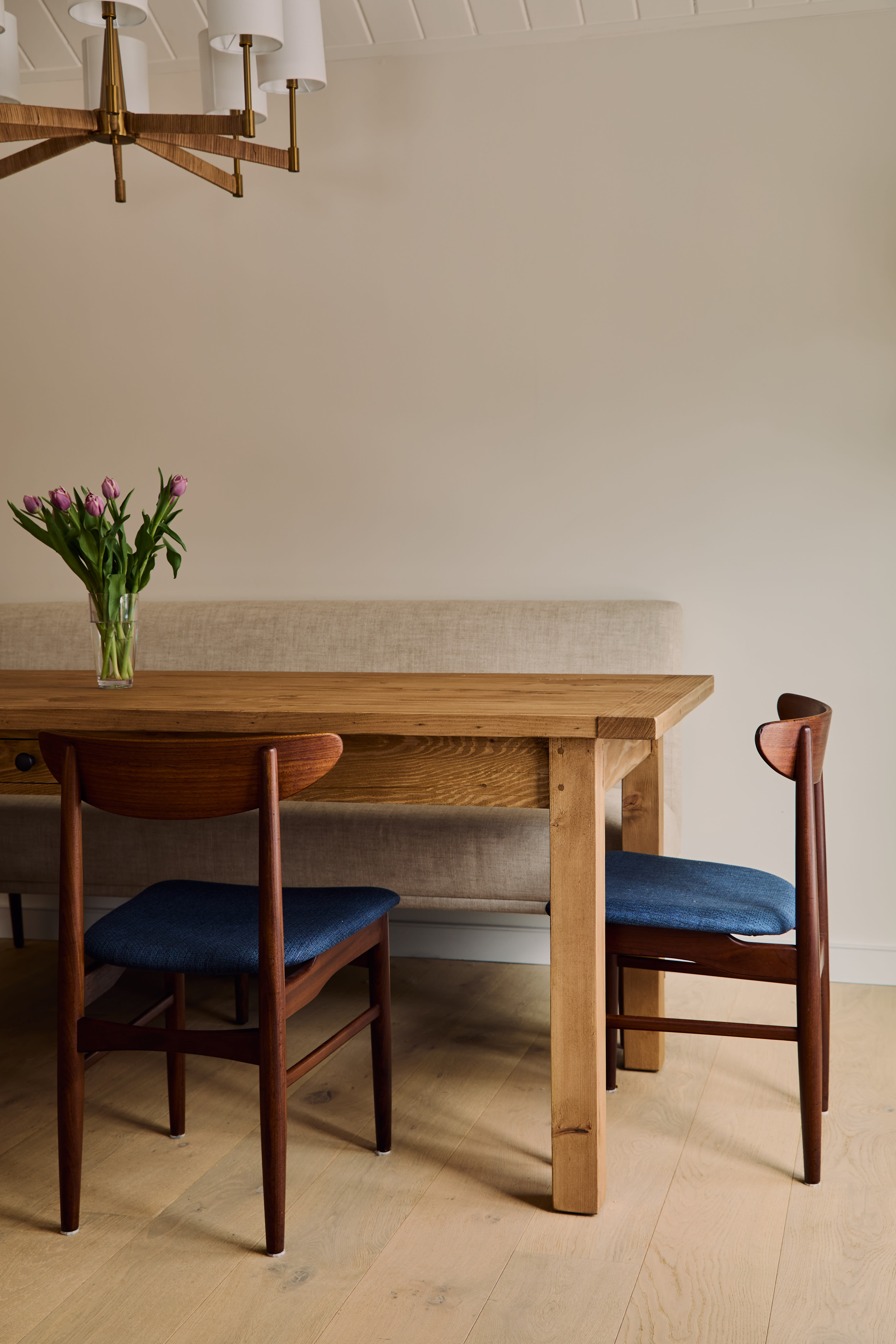
This adaptability is one of the main reasons engineered hardwood flooring suits homes of every style and layout. Living rooms and bedrooms benefit from the warmth and comfort that real wood brings. Hallways and entrances, which see heavy foot traffic, suit boards with a robust wear layer and a hard-wearing finish. Open-plan kitchens and dining areas, where humidity and temperature can fluctuate, are well matched to the stability of engineered construction. Even rooms above underfloor heating systems perform reliably, since the layered core was designed with exactly this kind of environment in mind.
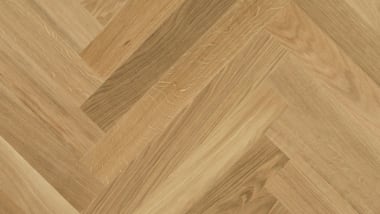
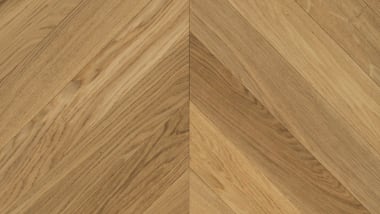
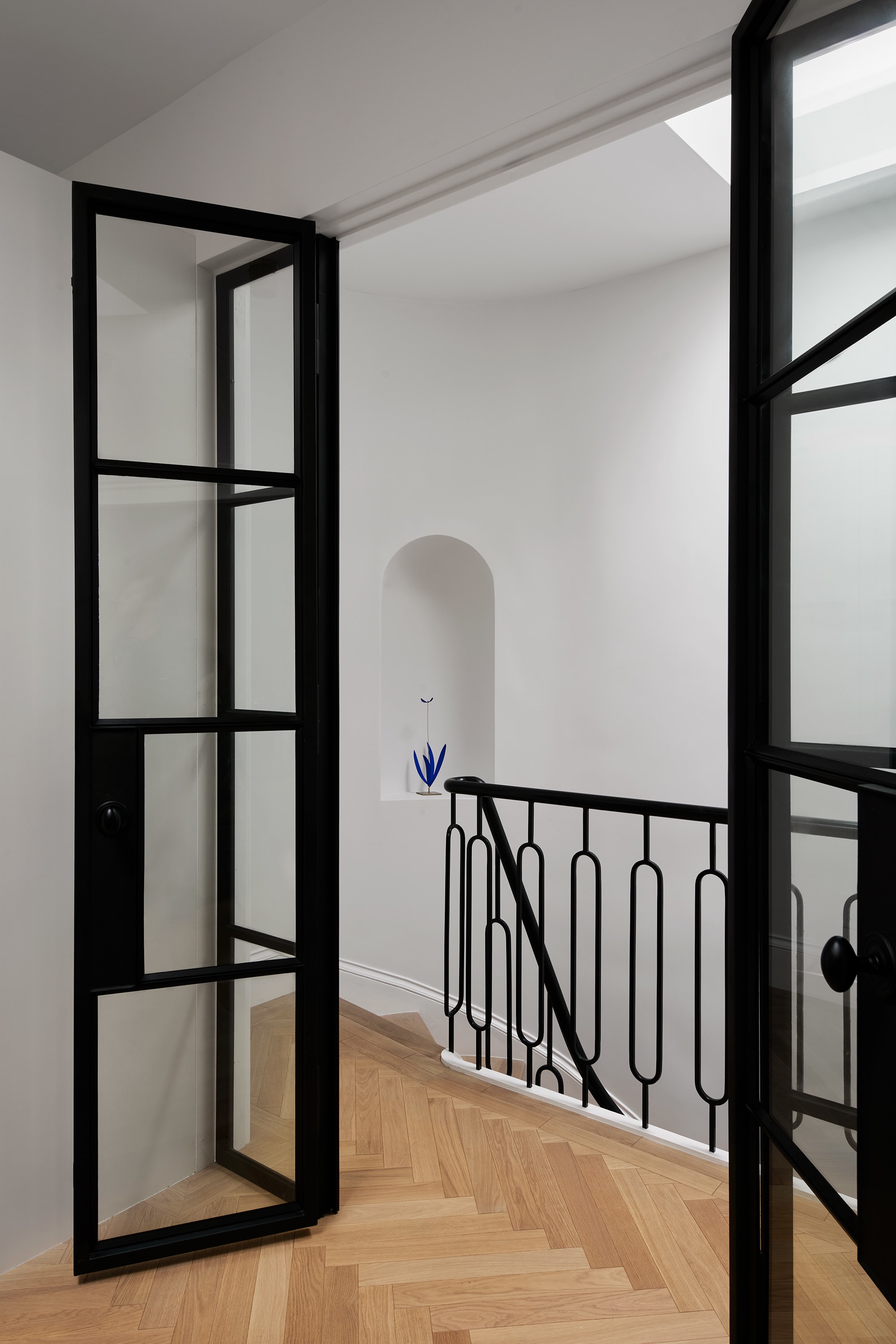
For larger spaces, wide planks create a sense of openness and flow, while patterns such as herringbone and chevron add structure and craft to a room. The format you choose can change the entire character of a floor, so it is worth considering the scale and style of each space before deciding.
Choosing the right engineered oak flooring for your space
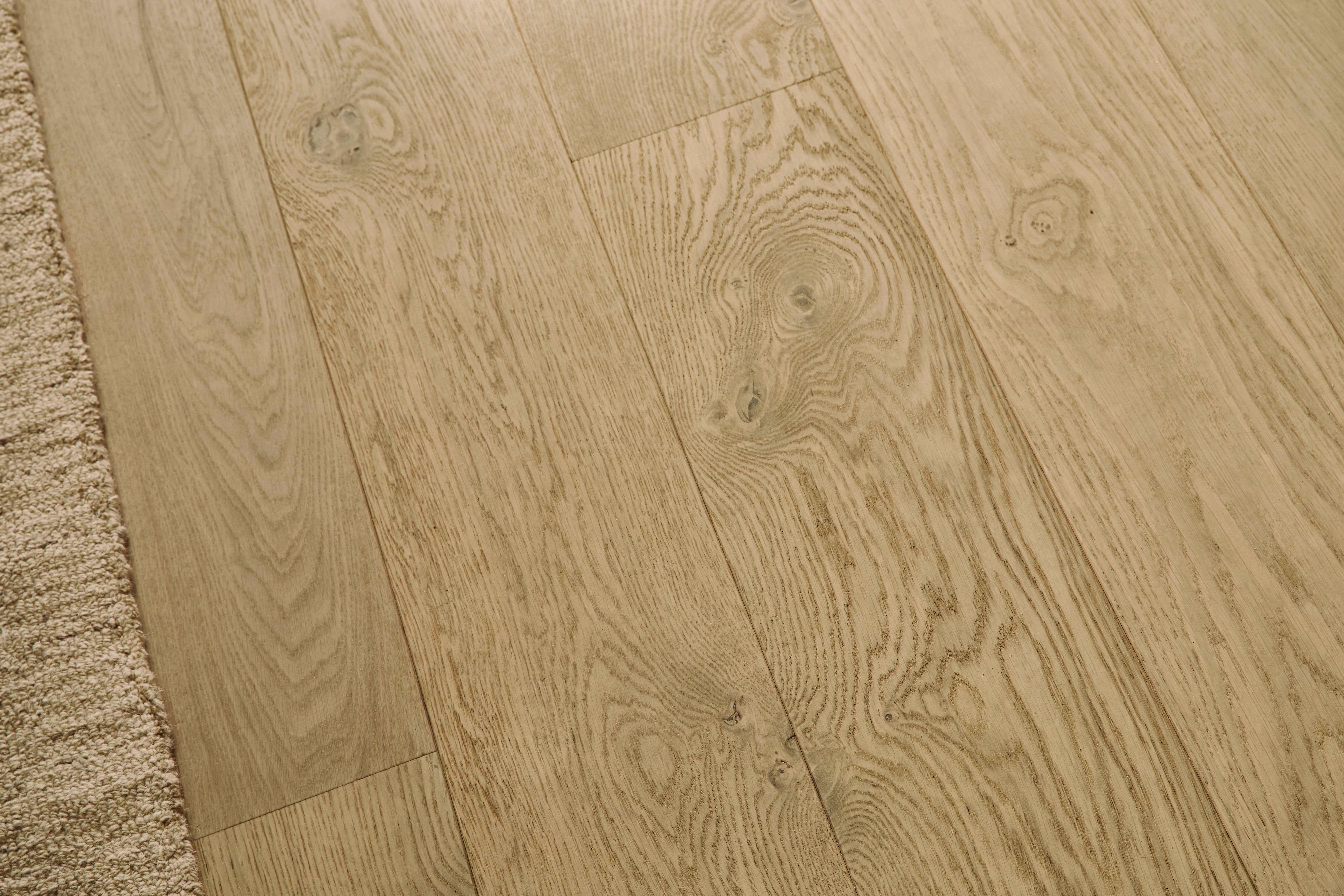
Oak remains the most popular species for engineered floors, and for good reason. Engineered oak flooring offers a balance of hardness, grain character, and adaptability that suits a huge range of interiors. Its natural tones can be left close to raw for a soft, organic feel, or finished in richer shades for a more dramatic look.
When selecting engineered oak flooring, think about the grade first. Prime grades show cleaner, more uniform grain with fewer knots, giving a calm and refined appearance. Character grades celebrate the knots, colour variation, and movement in the timber, producing a floor with more personality and rustic warmth. Neither is better than the other; the right choice depends on the mood you want to create.
Colour is the next consideration. Lighter tones open up smaller rooms and bring an airy, contemporary feel, while deeper tones add intimacy and a sense of grounding. Texture also plays a part, with brushed and matt finishes offering a more tactile, natural surface compared to smoother options.
What to look for when buying the best engineered hardwood flooring
To make a confident decision, it helps to know which factors separate a good floor from a great one. Here are the key things to assess before you buy.
- Wear layer thickness, since a thicker veneer allows for refinishing and a longer life.
- Core quality, looking for stable, well-bonded plywood or a dense, reliable substrate.
- Finish durability, which determines how the surface resists scratches, scuffs, and daily wear.
- Board width and length affect both the look and the sense of space in a room.
- Certification and sourcing, ensuring the timber comes from responsibly managed forests.
Working through these points gives you a clear picture of value. A floor with a generous wear layer, a solid core, and a durable finish will reward you for years, even though it may cost a little more at the outset.
Sustainability and responsible sourcing
For many buyers today, where the wood comes from matters as much as how it looks. The best engineered hardwood flooring is produced with care for the forests it draws on. Engineered construction also makes efficient use of timber, since the precious hardwood is reserved for the visible top layer while the core uses faster-growing or more abundant material.
Look for floors backed by recognised certification, which confirms the wood has been harvested from responsibly managed sources. Two of the most widely trusted schemes are FSC (Forest Stewardship Council) and PEFC (Programme for the Endorsement of Forest Certification), and many of our products are certified under one or both. Choosing certified engineered wood flooring means you can enjoy a natural surface in your home while supporting better forestry practices. It is a way to bring genuine timber into your space with a clearer conscience.
Caring for engineered hardwood floors
A well-made floor is easy to live with. Regular sweeping or vacuuming keeps grit from scratching the surface, and a damp mop with a suitable wood floor cleaner handles everyday cleaning. Avoid soaking the boards, since excess water is never a friend to wood, and wipe up spills promptly.
Felt pads under furniture legs protect the finish, and rugs in high-traffic areas help reduce wear over time. When the surface eventually shows its age, a quality engineered floor with a thick wear layer can be sanded and refinished, bringing it back to life rather than sending it to landfill. With this kind of simple care, engineered hardwood flooring stays looking its best for many years.
Bringing it all together
The appeal of engineered hardwood flooring lies in how well it balances beauty and practicality. It delivers the authentic look and feel of real timber while standing up to the realities of modern homes, from underfloor heating to busy family life. By paying attention to the wear layer, the core, the finish, and the species, you can choose a floor that suits both your style and your space.
Whether you are drawn to pale, contemporary tones or the rich character of engineered oak flooring, there is an option to match your vision. Take time to consider how each room will be used, request samples so you can see the timber in your own light, and choose a floor built to last. The right engineered hardwood flooring will reward you with warmth, character, and lasting quality for decades to come.