














The Best Wood Flooring for Living Rooms
23 Jun 2026
The living room is where a home shows its personality. It hosts quiet mornings, family gatherings, and the kind of evenings that stretch long into the night. Because it carries so much of daily life, the surface beneath your feet deserves real thought. Choosing the best wood flooring for living room spaces is about matching beauty, comfort, and performance to the way you actually live, and getting that balance right transforms the entire room.
Wood remains one of the most rewarding choices for this part of the home. It brings warmth that few other materials can match, it suits almost any style of décor, and it ages with character rather than wearing out. The challenge is knowing which type, species, finish, and format will serve you best. This guide walks through the decisions that matter so you can choose with confidence.
Why wood works so well in living rooms
A living room asks a lot of its floor. It needs to feel inviting underfoot, look refined under changing light, and stand up to footfall, furniture, and the occasional spill. Wood answers all of these demands at once. Its natural grain adds depth and texture that printed surfaces cannot replicate, and its tonal range means there is a shade for every palette, from pale blondes to deep cocoa browns.
Comfort is part of the appeal too. Wood holds warmth better than stone or tile, so the room feels cosy even in cooler months. It also pairs naturally with rugs, soft furnishings, and layered lighting, giving you the freedom to restyle the space over the years without replacing the floor. When people search for the best wood flooring for living room interiors, they are usually looking for exactly this combination of looks and longevity, and wood delivers it generously.
There is a practical benefit as well. A quality wood floor tends to add lasting value to a home. Buyers respond to natural materials, and a well laid floor reads as a considered, premium choice. That makes it an investment in both daily enjoyment and long term worth.
Engineered or solid wood for living rooms
One of the first decisions is whether to choose engineered or solid wood. Both are genuine wood, and both look beautiful, but they behave differently.
Solid wood is milled from a single piece of timber. It has a classic appeal and can be sanded and refinished many times throughout its life. However, it responds to changes in humidity and temperature, expanding and contracting with the seasons. In a living room with large windows, underfloor heating, or fluctuating conditions, that movement needs to be planned for.
Engineered wood for living rooms has become the preferred option for many homeowners and designers, and for good reason. It is built from a real hardwood top layer bonded to a stable core of layered timber. The genuine wear surface gives you the authentic look and feel of natural wood, while the engineered structure resists the swelling and shrinking that affects solid boards. This makes engineered wood for living rooms especially suited to modern homes, open layouts, and spaces fitted with underfloor heating.
For most living rooms, engineered boards strike the ideal balance. You get the surface you want with the dimensional stability that keeps the floor looking right for decades. If you are weighing up the best wood flooring for living room use specifically, engineered wood is usually the most dependable starting point.
Choosing durable living room flooring that lasts
Durability is not only about how tough a floor is on day one. It is about how well it holds its looks over years of real use. Durable living room flooring comes down to a few factors working together: the hardness of the species, the thickness of the wear layer, the quality of the finish, and the grade of the board.
Harder species naturally resist dents and scuffs. Oak is a favourite for living rooms because it offers an excellent blend of strength, availability, and visual character. Walnut brings a richer, darker tone and a softer, more luxurious feel, while ash and Douglas fir each carry their own grain and personality. The right choice depends on how busy the room is and the look you want to achieve.
The wear layer matters too. On engineered boards, a thicker top layer of hardwood means the floor can be sanded and refreshed in the future, extending its life considerably. A robust factory finish, meanwhile, protects against everyday marks and makes cleaning straightforward. Together, these elements define how your floor performs over the long term.
When assessing durable living room flooring, consider these points before you commit:
- Match the species hardness to your household, choosing tougher timbers for high-traffic rooms and homes with children or pets.
- Check the thickness of the hardwood wear layer so you know whether the floor can be refinished later.
- Confirm the finish suits your lifestyle, balancing a natural matte look against the practicality of a more protective surface.
- Consider the board grade, since prime grades offer a cleaner, more uniform appearance while character grades show more knots and movement.
- Plan for underfloor heating compatibility if it applies, as not every floor is suited to it.
Working through these points helps you avoid surprises and ensures the floor you choose keeps performing well for years.

Colors, formats, and living room wood flooring ideas
Once you have settled on type and durability, the creative part begins. The colour, plank width, and laying pattern you choose shape the whole atmosphere of the room. This is where living room wood flooring ideas come to life, and small decisions can have a surprisingly large effect.
Lighter tones such as blonde and honey shades open up a space and reflect natural light, making them ideal for smaller or north-facing rooms. They create a calm, airy feel and pair beautifully with neutral and Scandinavian-inspired interiors. Mid-tones in auburn and brunette bring warmth and a more traditional sense of comfort, while deeper cocoa and smoky grey tones add drama and sophistication, anchoring a room with confidence.
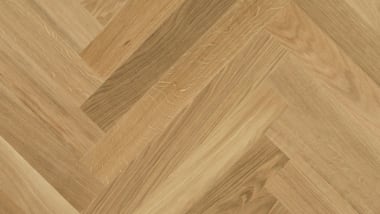
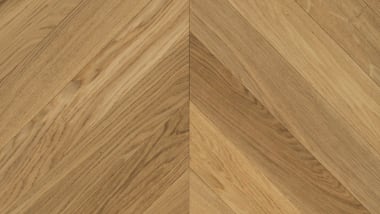
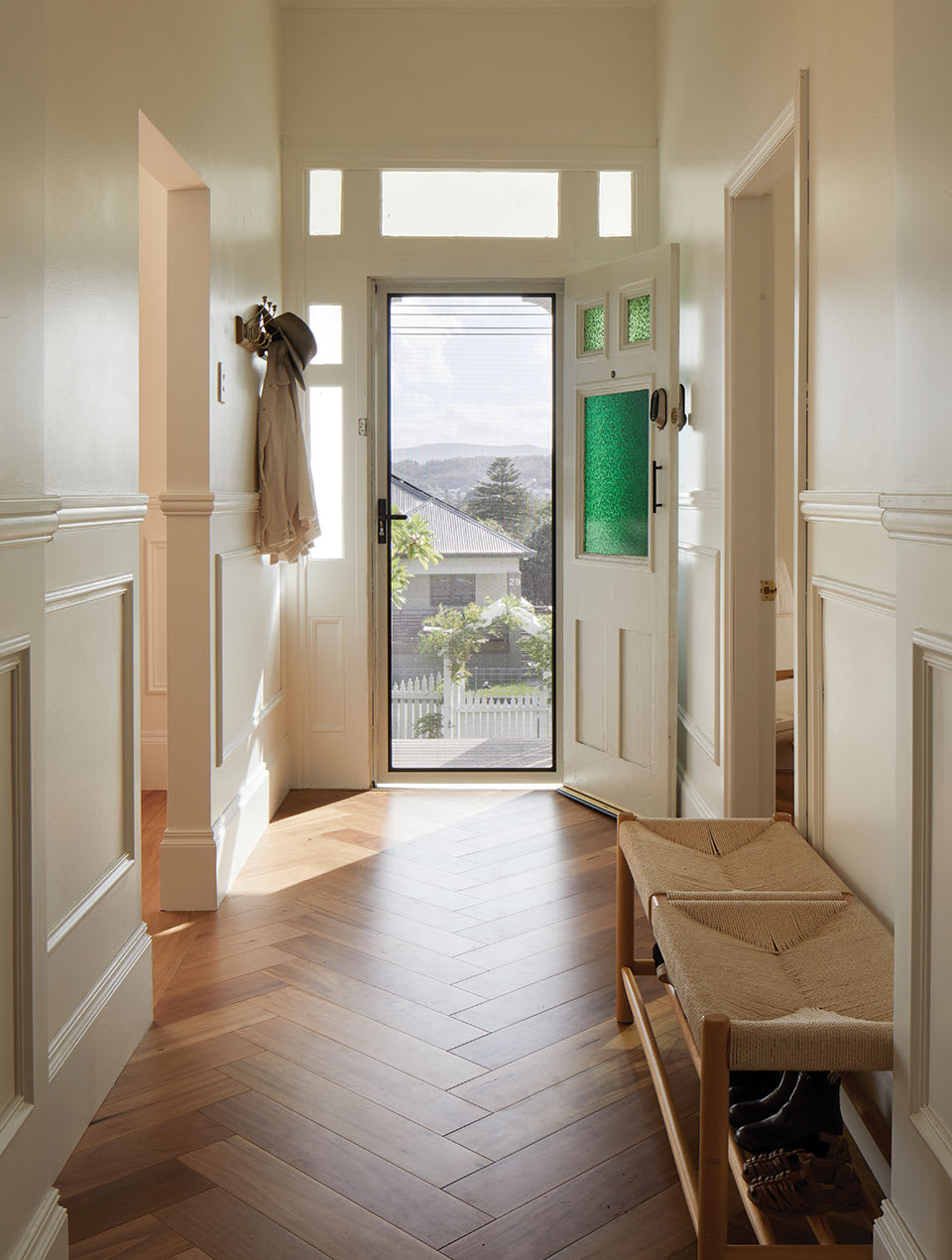
Plank width changes the mood as well. Wide planks suit larger, open living rooms and lend a contemporary, expansive look, drawing the eye across the floor and emphasising the natural grain. Narrower boards feel more classic and work well in period homes. For those who want something distinctive, patterns offer real impact. Herringbone and chevron layouts add rhythm and elegance, turning the floor itself into a feature, while Versailles panels make a bold statement in grand rooms.
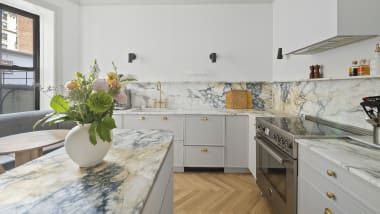
Among the most popular living room wood flooring ideas right now is mixing a refined wide plank in a soft, natural tone with layered textiles and statement lighting. The floor becomes a quiet backdrop that lets furniture and art take centre stage, yet it still carries genuine presence. Whatever direction you take, the best wood flooring for living room schemes is the one that supports your overall design rather than competing with it.
Finding the best hardwood for living rooms
If your heart is set on the richness of hardwood, the question becomes which species and specification will serve you best. The best hardwood for living rooms tends to be one that combines visual warmth with practical resilience, and oak consistently earns its place at the top of that list.
Oak suits almost any interior, takes a wide range of finishes beautifully, and offers the strength a living room needs. It is forgiving in busy households and looks equally at home in modern and traditional settings. For those seeking something more striking, walnut delivers a deep, characterful tone that feels indulgent underfoot, though it is a little softer and rewards a slightly gentler environment.
When comparing options for the best hardwood for living rooms, think about the finish as much as the species. A natural oiled finish enhances the grain and feels wonderfully tactile, while a lacquered surface offers extra resistance to daily wear. Neither is right or wrong; the better choice depends on how much traffic the room sees and the look you are drawn to. Ordering samples is always worthwhile, because timber looks different in your own light, against your own walls, and beside your own furnishings.
Caring for your living room floor
A beautiful floor deserves simple, consistent care, and wood makes this easy. Regular sweeping or vacuuming removes the grit that can scratch a surface over time. Wipe spills promptly rather than letting them sit, and use a cleaner designed for wood rather than harsh or overly wet methods. Felt pads under furniture legs prevent scuffs, and a doormat at entrances keeps abrasive dirt from being walked across the room.
Managing the indoor environment helps too. Keeping humidity reasonably stable through the year reduces natural movement in the boards and keeps everything sitting neatly. With this light routine, a quality wood floor stays looking its best for many years and only grows more characterful with age.

Making your choice with confidence
Choosing the best wood flooring for living room spaces comes down to understanding how you live and matching the floor to it. Decide between engineered and solid construction, with engineered wood usually offering the most reliable performance. Prioritise durable living room flooring by considering species hardness, wear layer, finish, and grade. Then explore colours, widths, and patterns to find living room wood flooring ideas that bring your vision together.
If you take the time to order samples, view them in your own space, and think about both looks and longevity, you will land on a floor that feels right from the first step. The right floor is ultimately the one that suits your home, your style, and the life you live within it, and a well-chosen wood floor will reward that decision every single day for decades to come.

