














The Impact of Wood Floor Texture on Interior Design
19 May 2026
Few design decisions shape a room more quietly than the finish underfoot. Color and species attract the eye first, but texture is what hands, feet, and light eventually settle on. Textured wood flooring has moved from a specialty preference into the heart of contemporary residential and commercial design, prized for the way it adds dimension, softens harsh interiors, and gives natural materials room to behave like themselves. Understanding how texture works and where it belongs is one of the most useful skills a designer or homeowner can develop.
Why texture matters in modern interior design
Designers have spent the last decade pulling rooms away from flat, glossy perfection. The reaction has been a return to honest materials with visible grain, varied tone, and surfaces that read as crafted rather than manufactured. Textured wood flooring sits at the center of that shift because the floor is the largest continuous surface in most interiors, and small changes to its tactile character ripple through everything above it.
Texture also performs practically. A surface with brushing, sawing, or hand work catches less light at the wrong angles, which means scratches, dust, and the routine signs of daily life become much harder to spot. For families, hospitality settings, and busy commercial spaces, this is more than an aesthetic detail. It is a question of how the floor will look after five years of life, not five days of staging.
The main types of wood floor texture
Texture in wood flooring is not a single quality but a category that covers several distinct surface treatments. Each one carries its own visual language and feel underfoot, and choosing between them is one of the early decisions that defines the rest of a room.
Smooth and sanded finishes
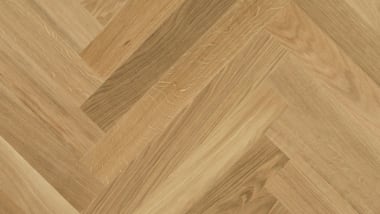
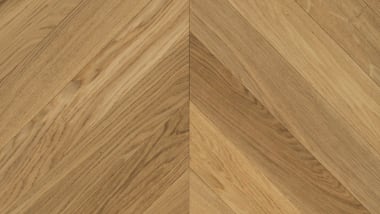
Smooth flooring is the closest wood comes to a neutral baseline. The board is sanded flat, the grain reads cleanly, and the finish, whether oil or lacquer, allows the natural pattern of the timber to do the work. This approach suits crisp, contemporary interiors where the architecture is doing the heavy lifting and the floor needs to recede. Within Havwoods, much of the Pureplank range, including engineered European Oak in cleaner palettes, lends itself to this kind of restrained smooth finish.
Brushed textures
Brushing is the most common form of textured wood flooring on the market today, and for good reason. The process passes a wire or nylon brush across the surface to remove the softer fibers between the harder growth rings. What remains is a board with gentle undulation, a clearer expression of grain, and a feel that reads as natural without being rustic. Brushed textured wood floors are particularly forgiving in homes with pets, children, or high foot traffic, and they sit comfortably in nearly every design style.
Hand-scraped and distressed surfaces
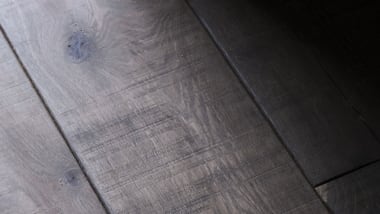
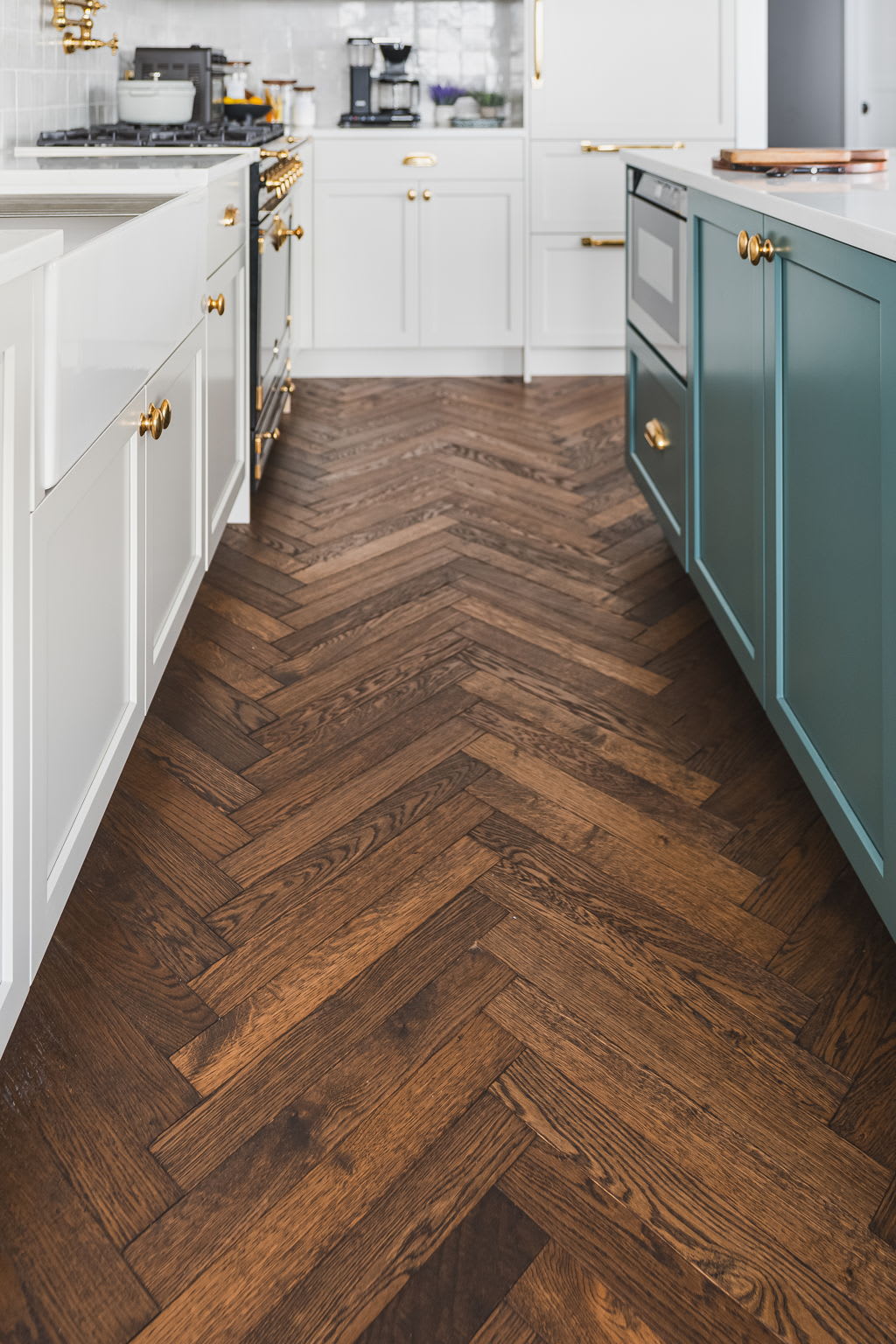
Where brushing whispers, hand-scraped and distressed textured wood flooring speaks. These treatments mimic the look of floors worn over generations, with visible saw marks, gouges, undulating ridges, and occasionally simulated worm holes or chatter marks. The result is character-heavy and best suited to traditional, farmhouse, or heritage interiors where a polished surface would feel out of place. Within the Castle Bespoke range, Havwoods offers some of the most refined examples of this category, treated with the kind of care that distinguishes intentional craft from manufactured imitation.
Saw-marked and reactive finishes
A more contemporary subset of textured wood floors uses saw cuts, reactive stains, and fumed treatments to create surfaces that feel modern despite their tactile depth. These finishes often appear in the Handgrade Premier and Colossal collections, where wide and long boards give the eye room to absorb the complexity of the surface. Reactive finishes, in particular, allow color to settle into the grain unevenly, producing the kind of variation that flat staining cannot replicate.

How textured wood flooring shapes the feel of a room
A room's atmosphere is the sum of its surfaces, and the floor sets the baseline for everything else. Textured wood flooring affects acoustics, light reflection, and the way other materials read against it. A heavily brushed board absorbs sound differently from a smooth one. A hand-scraped surface scatters light, while a sanded floor returns it cleanly. These differences feel subtle on a sample board and become unmistakable across an entire room.
Color also behaves differently across textures. The same European Oak board in a Blonde tone will feel pale and airy when smooth, and more earthy and grounded when brushed. In darker palettes like Cocoa or Brunette, texture deepens the impression of mass and weight, giving a room a more anchored quality. Designers working with Havwoods' Smoky Grey or Platinum tones often choose textured wood floors specifically because the surface treatment prevents the color from reading as flat or sterile.
Pairing texture with light, color, and material
Texture rarely operates alone. It works with natural and artificial light, with the colors of walls and joinery, and with adjacent materials like stone, plaster, brass, and textile. The interaction between textured wood flooring and natural light is especially important. South-facing rooms with strong daylight benefit from finer textures that soften glare, while north-facing rooms with cooler light can carry heavier textures without feeling dim.
The same logic applies to color palettes. Heavily textured wood flooring tends to complement softer wall colors, lime washes, and warm whites because the floor is already contributing visual complexity. Spaces with bold or saturated walls usually look more composed over smoother boards, where the floor steps back and lets the room's color story lead.
Textured wood flooring across design styles
Wood floor texture is not tied to a single aesthetic. It moves comfortably across design vocabularies, taking on different meanings depending on the rest of the room.
Contemporary and minimalist interiors
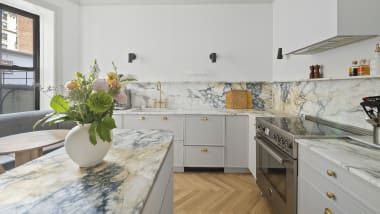
In stripped-back, minimalist spaces, lightly brushed textured wood flooring adds the warmth and tactility that pure smoothness can lack. Wide boards in Blonde or Honey tones, finished with a matte oil, produce floors that feel modern without feeling cold. This is one of the reasons Havwoods' Venture Plank and Henley collections appear so often in clean, design-forward homes.

Traditional and heritage homes
Period properties benefit from textures that match the age of the building. Hand-scraped, sawn, and reclaimed-style finishes belong in rooms with original moldings, fireplaces, and plasterwork, where a flat modern floor would feel anachronistic. Auburn and Cocoa tones in European Oak deepen this effect, especially in larger plank widths that echo the proportions of historic construction.
Industrial and loft-style spaces
In converted warehouses, loft apartments, and adaptive-reuse projects, textured wood floors create a counterweight to the hard surfaces around them. Concrete, steel, and exposed brick become more livable when the floor underfoot has visible grain and depth. Wider Colossal-format boards with brushed or reactive finishes work particularly well in these environments, where scale and texture have to hold their own against architectural drama.

Beyond flooring: extending texture across walls and joinery
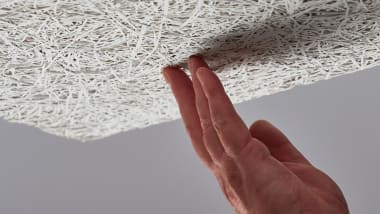
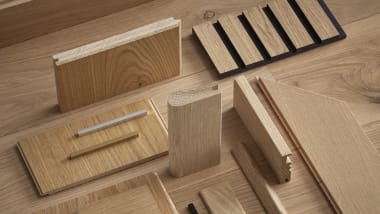
Wood floor texture is no longer confined to the floor itself. Designers increasingly carry the same tactile language up the walls and into joinery, ceilings, and cabinetry. Havwoods' PurePanel® and Vertical wall ranges, along with the Simplista and Elegante Veneers collections, allow a brushed or planed texture to continue from floor to wall, creating interiors where surfaces feel coordinated rather than collaged. The same logic extends to bespoke joinery, acoustic paneling, and curved wood applications, all categories that Havwoods supports alongside flooring.
This kind of continuity is one of the most effective tools in contemporary interior design. When wall paneling shares the grain, color, and texture of the floor below it, the architecture feels intentional, and the room reads as a single composition rather than a series of finishes layered over one another.
Choosing the right texture for your project
There is no single best texture, only the right texture for a specific room, lifestyle, and design intent. A few factors are worth weighing carefully before committing:
- The level of foot traffic and the realistic wear the floor will see over the next decade.
- The amount and direction of natural light in the space.
- The color palette and material story of the walls, joinery, and furniture.
- The architectural character of the building, including its age and proportions.
- The role you want the floor to play, whether as a quiet backdrop or a featured surface.
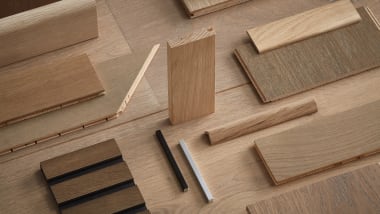
For most projects, the answer arrives through samples viewed in the actual space, ideally at different times of day. Havwoods offers samples, in-person showroom consultations in New York City and Portland, Oregon, and virtual consultations for projects further afield. Reviewing textured wood flooring against the light, walls, and furniture of a real interior is the only reliable way to predict how a sample-sized board will read at full scale.
Textured wood flooring rewards this kind of careful selection. Done well, it gives a room depth, comfort, and a quiet sense of craft that flatter surfaces simply cannot reach.

