














Why Grey Wood Floors Are a Designer Favorite
Few flooring choices have shifted the direction of contemporary interior design as decisively as grey wood floors. Once considered an unconventional alternative to traditional warm tones, grey has moved firmly into the mainstream of luxury residential and commercial design. Today, it is one of the most consistently specified color directions among interior designers, architects, and homeowners looking to create calm, sophisticated, and forward-looking interiors. The reasons for its popularity run deeper than fashion, and the design community continues to find new ways to make grey work across a remarkable range of project types.
The Rise of Grey Wood Floors in Contemporary Design
Grey wood floors did not appear overnight. The category has built its reputation through decades of refinement, and understanding that evolution helps explain why grey now occupies such a central place in modern interiors.
From Niche Choice to Designer Default
For most of flooring history, hardwood floors were defined by warm tones. Honey oak, rich walnut, and amber-stained pine dominated residential design. Grey wood flooring began as a quiet alternative in Scandinavian and minimalist interiors, where designers wanted a softer, more neutral foundation that did not pull the eye away from architecture and furnishings. As open-plan living and contemporary architecture became more common, grey moved from niche to mainstream. Today, it is a default option in many luxury specifications because it delivers the calm, balanced foundation modern interiors demand.
Why Grey Reads as Sophisticated
There is a reason grey wood floors are so consistently described as refined. The color sits in a quiet middle ground between warm and cool, light and dark, traditional and contemporary. That neutrality gives the floor a sense of restraint, which most viewers read as sophistication. Grey also flatters natural light. As the sun moves across a room, grey floors shift subtly in tone, picking up cooler blue undertones in the morning and warmer brown undertones in the evening. This kind of quiet variation is part of what gives the category its lasting appeal.
A Color That Suits Modern Architecture
Contemporary architecture tends to favor large windows, open layouts, minimal joinery, and clean material palettes. Grey wood floors complement this kind of architecture exceptionally well. The color provides a neutral foundation that does not compete with the architecture itself, while still delivering the warmth and tactile quality of real wood. This is one of the reasons grey timber flooring has become so popular in new-build luxury homes, urban penthouses, and design-led commercial projects.
Why Designers Specify Grey Wood Floors
Beyond visual appeal, grey offers strategic and practical advantages that explain its strong position in the design community.
Versatility Across Style Directions
One of the strongest reasons designers reach for grey wood floors is how easily the color translates across style directions. Pale grey oak floors anchor coastal and Scandinavian schemes. Deeper smoked greys suit industrial and modern urban interiors. Mid-tone greys with subtle warmth work in transitional homes that blend traditional and contemporary elements. The same fundamental color family can carry a project in almost any stylistic direction, which makes grey wood flooring one of the most flexible specifications available.

A Neutral Foundation for Considered Interiors
Designers rely on neutral foundations to give the rest of their work room to breathe. Grey wood floors deliver that neutrality without feeling cold or impersonal. The natural grain of the wood retains its character, while the cooler color tones provide a calm backdrop for furniture, art, textiles, and joinery. This balance between character and restraint is exactly what designers need when building richly layered interiors.
Coordination With Modern Material Palettes
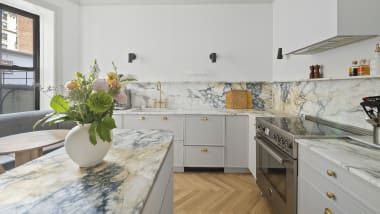
Contemporary interior palettes lean heavily on natural materials such as marble, limestone, plaster, brushed metal, and natural textiles. Grey wood floors coordinate naturally with these materials, picking up the cooler tones of stone and the muted character of plaster while still introducing the warmth and tactility of wood. This material harmony is one of the reasons grey timber flooring appears so often in high-end residential and hospitality projects.
The Many Shades of Grey Wood Floors
Grey is not a single color. It is a family of shades, each with its own character, undertones, and design implications.
Pale and Washed Greys
Pale grey wood floors sit at the lightest end of the spectrum. These shades often retain visible natural grain and a soft warmth beneath the cooler surface tone. Washed greys are particularly popular in Scandinavian-inspired interiors, coastal homes, and any project that prioritizes natural light and airy proportions. The category includes finishes within the Havwoods Platinum color group, which sits naturally alongside other pale and neutral palettes.

Smoked and Mid-Tone Greys
Smoked oak floors are produced by exposing the wood to ammonia or other treatments that react with the natural tannins, deepening the color from within. The result is a richer, more nuanced grey that retains the warmth of the natural wood while sitting clearly within the grey family. Smoky Grey oak is one of the most popular grey wood flooring specifications in contemporary luxury design because it strikes a careful balance between drama and restraint.
Deep Charcoal and Near-Black Greys
At the darker end of the spectrum, deep grey wood floors lean toward charcoal, slate, or near-black tones. These finishes deliver real visual drama and tend to appear in moody, design-led interiors, boutique hotels, and luxury retail spaces. They work particularly well in rooms with abundant natural light, where the depth of the color can be appreciated without making the space feel heavy.
How Grey Wood Floors Influence a Room
The visual and emotional impact of grey wood floors goes beyond simple color choice. The way a floor sets the tone of a room is one of the strongest arguments for specifying grey carefully.
A Sense of Calm and Composure
Grey is widely associated with calm. In a flooring context, that translates into rooms that feel composed and settled rather than busy or warm. This sense of quiet underfoot is part of why grey wood flooring has become a signature of contemporary luxury homes, where the goal is often to create restful, considered interiors.
Light and Spatial Perception
Light grey floors reflect natural light more readily than warm-toned woods, which can make rooms feel larger and brighter. Deeper grey floors absorb more light and tend to make rooms feel more intimate. Designers use this distinction strategically, choosing pale grey wood floors to open up smaller or darker rooms, and deeper grey timber flooring to give large, light-filled spaces a more grounded character.
Pairings With Walls, Furniture, and Textiles
Grey wood floors pair beautifully with a wide range of complementary elements. White and off-white walls create classic, clean schemes that highlight the floor as the primary architectural feature. Plaster, stone, and natural textile finishes coordinate with the cooler undertones of grey without becoming cold. Furniture in natural linen, leather, walnut, or brushed metal sits comfortably above grey floors, while bold colors and patterns gain extra impact when set against a quieter grey foundation.
Specifying Grey Wood Floors for Real Projects
Choosing the right grey is less about color preference and more about how the floor will work in the specific space and within the broader design.
Species and Construction
European Oak is the most common species for grey wood floors because its grain reacts beautifully to smoking, washing, and reactive staining. American Black Walnut offers a darker, naturally cooler alternative that can be pushed into deeper grey tones. Most contemporary grey wood flooring is produced in engineered construction, with a real hardwood wear layer bonded to a stable multi-layer core. This format handles humidity, temperature changes, and underfloor heating far better than solid wood, making it the default choice for modern homes and commercial spaces.

Surface Texture and Finish
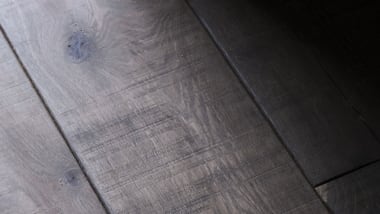
The surface texture of a grey floor has a major impact on how the color reads. Brushed surfaces emphasize the natural grain and deepen the perceived character of the grey. Smooth finishes feel cleaner and more contemporary. Sawn and lightly scraped surfaces lean toward the rustic and industrial, which can work beautifully in lofts and design-led commercial spaces. The choice of oil, matte lacquer, or satin finish further influences how the grey catches light through the day.
Plank Size and Format
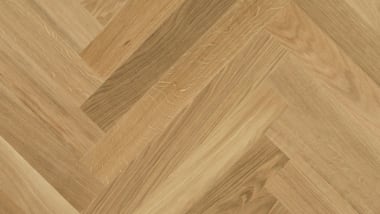
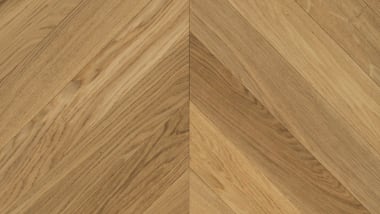
Wider and longer planks have become the default in luxury grey flooring specifications because they emphasize the calm, contemporary character of the color. Tight strip layouts in grey can feel busy, while wide plank installations allow the natural beauty of the grain and tone to be fully appreciated. Patterns such as herringbone and chevron also work exceptionally well in grey, particularly in homes where the floor is meant to be a primary architectural feature.
Where Grey Wood Floors Make the Strongest Impact
Grey is versatile enough to work almost anywhere, but it performs at its best in certain settings.
Open-Plan Living Spaces
Open-plan living, dining, and kitchen areas benefit enormously from the calm neutrality of grey wood floors. The color unifies the space, reduces visual clutter, and allows the rest of the design to take center stage. In homes with abundant natural light, the way grey floors shift subtly through the day adds a layer of quiet interest that warmer woods cannot match.

Primary Suites and Personal Spaces
Bedrooms, dressing rooms, and primary suites are often designed as private retreats, and grey wood flooring suits this brief beautifully. The cooler, calmer color contributes to a restful atmosphere and pairs naturally with rich textiles, soft lighting, and layered material palettes.
Hospitality, Retail, and Workplace Interiors
In commercial design, grey wood floors deliver atmosphere and identity without dominating the space. Boutique hotels use grey timber flooring to create the considered, residential feel that distinguishes premium hospitality from generic. Retail spaces use grey to elevate merchandise presentation, while workplaces draw on grey's calming influence to create environments that feel professional without becoming cold.
The Lasting Appeal of Grey Wood Floors
Grey wood floors continue to dominate designer specifications because they deliver on every front a modern interior demands. They bring calm, refinement, and architectural neutrality. They pair beautifully with the materials that define contemporary design. They flatter natural light, suit open layouts, and adapt to almost any style direction. Most importantly, they age gracefully and continue to feel relevant year after year, which makes them a sound long-term investment as well as a strong design choice.
For homeowners and designers looking for a flooring direction that combines confidence and restraint, grey wood floors remain one of the most reliable answers available. The category has earned its place at the center of contemporary luxury design, and the breadth of grey timber flooring options available today means there is a shade and finish to suit almost any project.

