














Why Timber Ceiling Cladding Is Worth Considering
19 May 2026
Ceilings are the most overlooked surface in any room. They account for nearly a sixth of the visible interior, yet most spec sheets treat them as an afterthought, painted white and forgotten. That habit is shifting. Designers, architects, and homeowners are starting to treat the overhead plane as a design opportunity rather than a default, and timber ceiling cladding has emerged as one of the most effective ways to do it. The reasons go well beyond aesthetics.
The renewed interest in overhead surfaces
For decades, ceilings followed a predictable formula. Smooth plaster, matte white paint, occasionally a coved edge or a recessed light. That sameness is starting to feel limiting, particularly in open-plan layouts where the ceiling carries enormous visual weight. A flat painted finish can make a generous room feel low and uninflected, while a clad ceiling introduces texture, rhythm, and warmth that ground the architecture.
Timber ceiling cladding answers those needs without forcing a heavy aesthetic. Wood reads as natural and considered rather than ornamental, which suits the direction interior design has been moving for several years. Material honesty, tactile surfaces, and biophilic cues are now central to how high-end residential and commercial projects are conceived, and a wood-clad ceiling delivers all three in one move.
What timber ceiling cladding actually does for a space
The functional case is just as strong as the visual one. A well-specified timber ceiling does several jobs simultaneously, which is part of why architects keep returning to it for hospitality, retail, and residential briefs alike.
Acoustic performance
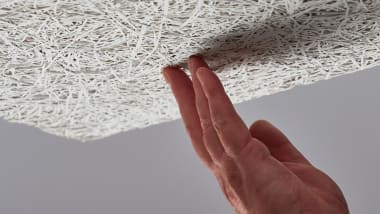
Hard, reflective ceilings bounce sound around a room, which is why restaurants with concrete shells and glass walls so often feel loud. Timber, particularly when installed over a suitable substrate or paired with an acoustic backer, absorbs and diffuses sound waves rather than reflecting them straight back.
Havwoods includes Acoustics as a dedicated product category for exactly this reason, recognising that the same wood surfaces that soften a room visually can also soften it sonically. Slatted or grooved formats are especially effective, and they read as an intentional design feature rather than a technical fix.
Light, warmth, and visual depth
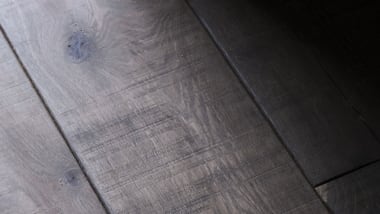
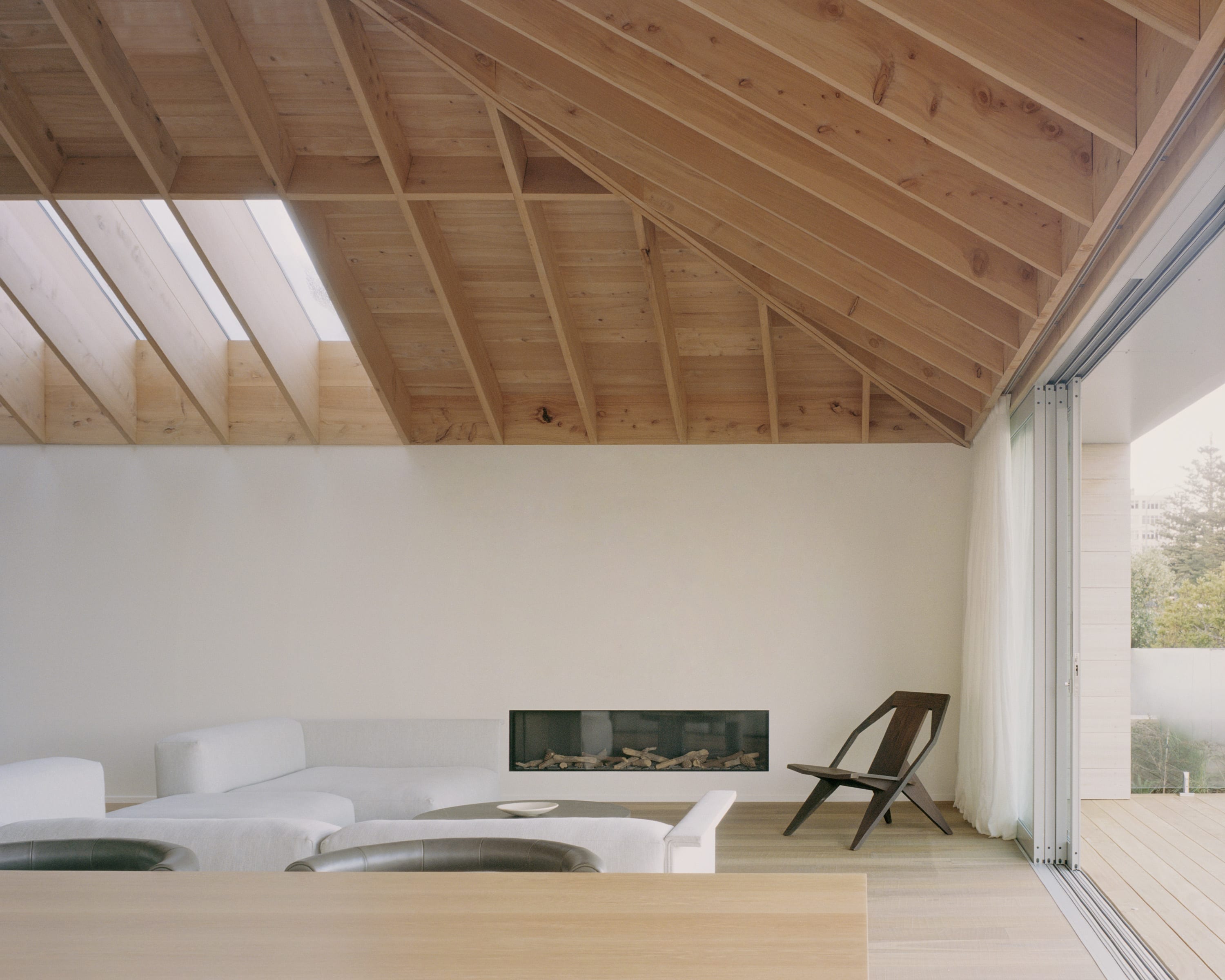
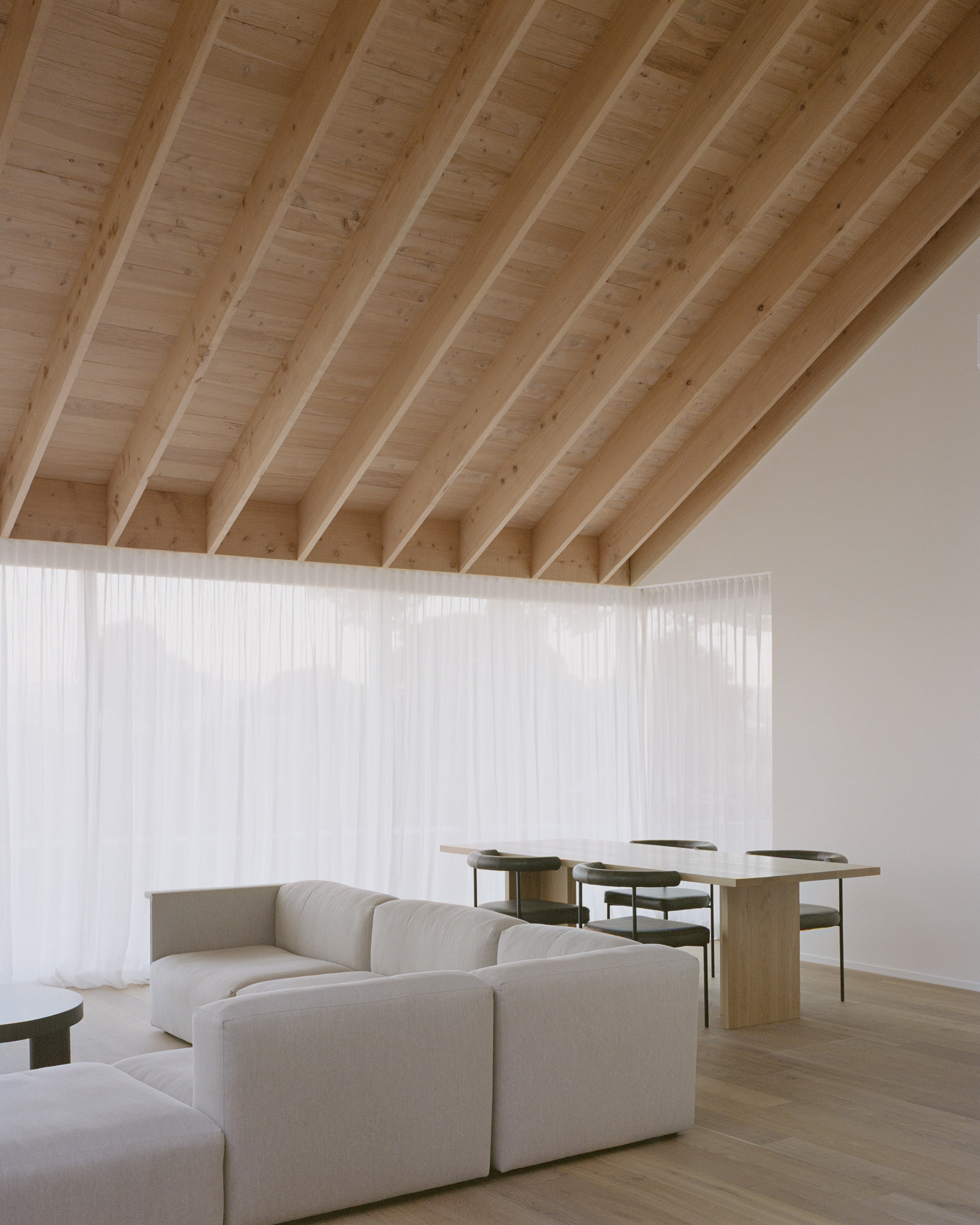
Painted ceilings reflect light evenly, which sounds desirable until you experience the alternative. A wood-clad ceiling catches light differently across the day, picking up grain, knots, and tonal shifts that flat paint cannot offer. The result is a sense of depth that makes rooms feel more layered and more inhabited. In rooms with limited natural light, a lighter species or finish can keep the space bright while still adding character. In rooms with abundant glazing, a deeper tone draws the eye upward and balances the openness below.
Design directions worth exploring
Timber ceiling cladding is not a single look. The format, species, and finish you choose will shape the room far more than most people anticipate, which is why the specification stage matters.
Plank-style installations
Long, narrow planks running the length of a room create a strong directional pull, making spaces feel longer or wider depending on orientation. Wide planks read calmer and more contemporary, while narrower boards reference traditional timber-lined ceilings found in coastal and mountain architecture. Havwoods collections such as Venture Plank and Henley translate well to overhead use because their proportions and surface treatments are designed to read confidently across large planes.

Panel systems and engineered formats
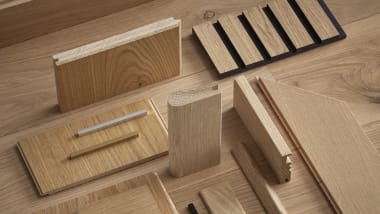
For installations where plank-by-plank fitting is impractical, engineered panel systems offer a faster route to the same finish. Ranges like PurePanel® and Vertical are built for wall and ceiling applications, providing larger format modules that install efficiently while maintaining the appearance of real wood throughout. Elegante Veneers and Simplista extend the palette further, giving designers options that suit both residential refinements and large-scale commercial briefs.
Species and finish considerations
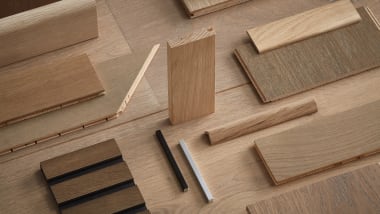
European Oak remains the default choice for good reason. It accepts a wide range of finishes, takes brushing and smoking well, and reads as both classical and contemporary depending on how it is treated. American Black Walnut delivers richer, darker tones suited to libraries, dining rooms, and intimate hospitality settings. Ash offers a paler, more open grain, while Douglas Fir brings a softer, more rustic quality that suits relaxed residential interiors. Havwoods organises its species by color groups including Blonde, Honey, Auburn, Cocoa, Platinum, Smoky Grey, Brunette, and Monochrome, which makes it easier to match ceiling cladding to flooring or joinery elsewhere in the project.
Practical Considerations Before Specifying
Before committing to timber ceiling cladding, there are three areas worth thinking through carefully. None of them is a deal-breaker, but each can influence the final specification.
- Substrate and structure must support the additional weight of the cladding and its fixings, particularly in older buildings where ceiling joists were not sized for material loads above plaster and lath. A structural review at the design stage prevents expensive surprises later.
- Moisture conditions affect how engineered timber performs overhead, especially in bathrooms, kitchens, and pool environments. Specifying products formulated for higher humidity and pairing them with appropriate ventilation keeps movement and cupping under control.
- Access for services, including lighting, sprinklers, and HVAC diffusers, needs to be planned before the cladding goes up. Concealed fixings and modular panel systems can make future access easier, but the time to think about it is during design, not during a maintenance call.
Structural and substrate requirements
Most modern engineered timber ceiling cladding is light enough to install over standard ceiling structures without reinforcement, but every project should be assessed individually. Older properties, in particular, benefit from a professional review.
Moisture, ventilation, and stability
Engineered constructions are inherently more dimensionally stable than solid timber, which is why they are usually the better choice overhead. They tolerate seasonal humidity shifts with less movement, reducing the risk of visible gaps or surface distortion.
Maintenance over time
A timber ceiling is far easier to live with than most people expect. It does not accumulate dust the way ornate plaster does, it does not need repainting every few years, and minor marks rarely show on textured or brushed finishes. Periodic dusting and occasional inspection of fixings is generally all that is required.
Where timber ceiling cladding works hardest
Some applications suit timber overhead more than others, and identifying the right scenarios early helps justify the investment.
Residential applications
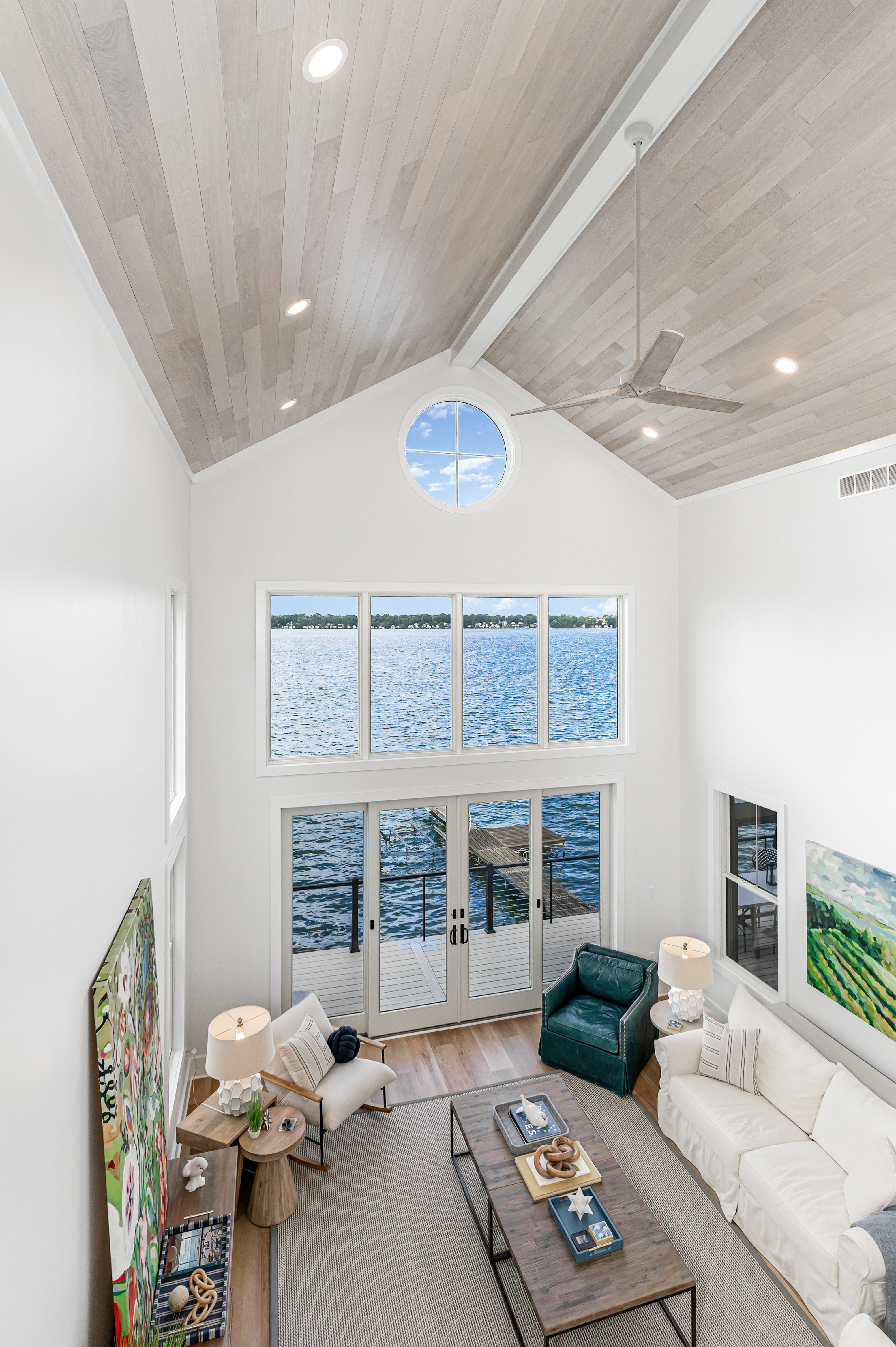
In homes, timber ceiling cladding tends to deliver the strongest impact in entryways, living rooms, kitchens, and main bedrooms, all spaces where occupants spend extended time looking up or moving through. Vaulted and pitched ceilings benefit particularly well, as the cladding accentuates architectural geometry that a painted finish flattens. A wood ceiling can also unify open-plan layouts where flooring transitions or zone divisions might otherwise feel fragmented.
Hospitality and commercial settings
Hotels, restaurants, lobbies, and boutique retail spaces have been driving much of the recent demand for timber ceiling cladding. The reasons line up neatly. Wood softens acoustics in environments designed for conversation, it photographs beautifully across social channels, and it signals quality and craft in a way that bare ceilings cannot. Restaurants in particular benefit from the combined acoustic and atmospheric improvements, and wood ceilings are a recurring feature in hospitality projects across both Havwoods showroom regions in New York City and Portland, Oregon.
Bringing the design together
The most successful uses of timber ceiling cladding treat the ceiling as one element in a coordinated material story rather than a feature in isolation. That might mean carrying the same species across flooring, walls, and ceiling for a sense of enclosure, or contrasting a darker ceiling with paler floors and joinery to anchor the upper plane. It might involve matching the ceiling cladding to bespoke wall paneling, integrating acoustic considerations across both surfaces, or pulling a single color group through every wood element in the space so the architecture reads as a whole.
Whatever the approach, the underlying point is that the ceiling deserves the same level of intent as the floor. Timber ceiling cladding rewards that intent, returning warmth, acoustic comfort, and visual depth in equal measure. For projects where the interiors are expected to feel considered and characterful, it is one of the most efficient design decisions available.

