














Why Walnut Flooring Remains a Top Choice for Luxury Interiors
19 May 2026
Across decades of shifting design trends, walnut flooring has held its position at the top of luxury residential and commercial specifications. While other species rise and fall in popularity, walnut continues to be the wood designers reach for when a project demands depth, richness, and a genuine sense of character. The reasons run deeper than fashion. Walnut delivers a combination of natural beauty, performance, and design flexibility that few other hardwoods can match, and its place in luxury interiors has only grown more secure as contemporary design has embraced richer, more expressive material palettes.
The Enduring Appeal of Walnut Flooring
Walnut flooring has been a fixture of premium homes and commercial interiors for centuries, and the species continues to be specified across nearly every style direction in luxury design today.
A Heritage of Premium Use
American Black Walnut has been valued for fine furniture, cabinetry, and flooring since the earliest days of high-end American craftsmanship. The wood was a signature of formal homes in the eighteenth and nineteenth centuries, used for the most important interiors precisely because of its rarity, beauty, and depth of color. That heritage has carried forward. Walnut flooring still reads as a premium choice, and specifying it sends a clear signal about the quality and intent of a project.
A Color That Stands Apart
The single defining feature of walnut flooring is its natural color. Unlike many hardwoods that require staining to achieve a rich tone, walnut delivers deep chocolate, espresso, and warm brown shades straight from the tree. The color is consistent across the species but varies beautifully board to board, with subtle shifts between heartwood and the lighter edges that bring real depth to a floor. This natural richness is part of why walnut continues to dominate moody, sophisticated, and traditional luxury interiors.
Grain and Character
Walnut grain reads differently from oak or ash. It is softer, more flowing, and more visually quiet, which allows the rich color to take the lead. The pattern of swirls, occasional knots, and gentle figuring gives the floor character without becoming busy. For designers who want a floor that feels luxurious but does not compete with the rest of the interior, walnut delivers a near-perfect balance.
Why Designers Continue to Specify Walnut Flooring
Beyond its natural appeal, walnut offers a set of design advantages that explain its lasting place in luxury specifications.

Instant Warmth and Depth
Walnut brings warmth to a room more effectively than almost any other flooring choice. The depth of color anchors the space and provides a foundation that flatters rich textiles, leather, brass, and natural stone. In rooms that need to feel substantial and considered, walnut delivers that quality without any additional decoration.
A Signature of Quality
Walnut flooring is widely understood as a premium material. Specifying it communicates a level of investment and care that more common species simply cannot match. For luxury residential clients, hospitality brands, and high-end retail spaces, walnut becomes part of the visual language that separates premium environments from everyday ones.
A Foundation for Layered Interiors
The natural richness of walnut creates a strong base for layered, considered interiors. Furniture, art, and accessories all read more clearly against a warm walnut floor than against a paler or more neutral foundation. Designers working with strong, characterful pieces often turn to walnut precisely because the floor supports the rest of the design without disappearing into it.
The Distinct Qualities of American Black Walnut
Walnut flooring is dominated by one species in particular, and understanding its specific qualities helps explain its premium position.
Color and Tonal Range
American Black Walnut is one of the few hardwoods that comes naturally in a deep brown color. The heartwood ranges from rich chocolate to almost purple-brown, with the sapwood appearing as a lighter cream or tan. This natural variation gives walnut floors their characteristic depth and prevents the surface from looking flat or uniform. Over time, walnut tends to mellow slightly, with the deepest tones developing a golden warmth that adds further character to the floor.
Density and Durability
Walnut is a hardwood in the genuine sense of the term. It is dense, strong, and stable, which makes it well suited to flooring applications in both residential and commercial settings. Walnut handles foot traffic well, resists denting better than many softer species, and ages gracefully under normal use.
Workability and Finishing
One of the practical advantages of walnut is how well it accepts finishes. Oil, lacquer, and matte finishes all work beautifully on walnut, each producing slightly different effects. Oiled walnut emphasizes the natural depth and warmth of the wood. Matte lacquer offers more surface protection while preserving the natural look. Higher-gloss finishes are less common in contemporary specifications because they can overwhelm the natural richness of the species.
Engineered Versus Solid Walnut Flooring
Walnut flooring is available in both solid and engineered formats, and the choice between them has real implications for performance.
Solid Walnut Flooring
Solid walnut flooring consists of planks milled from a single piece of walnut, typically three quarters of an inch thick. The traditional choice for heritage homes and formal interiors, solid walnut can be sanded and refinished many times across its lifespan, which gives it exceptional longevity. The downside is that solid walnut is more sensitive to humidity and temperature changes than engineered alternatives, which limits where it can be installed.
Engineered Walnut Flooring
Engineered walnut flooring features a real American Black Walnut wear layer bonded to a stable multi-layer plywood or composite core. This construction handles humidity, temperature changes, and underfloor heating far better than solid wood, which has made engineered walnut the default specification for most modern luxury projects. The wear layer can still be sanded and refinished depending on its thickness, so engineered walnut delivers most of the long-term benefits of solid wood without the same environmental sensitivity.

Which Construction to Choose
For most contemporary luxury projects, engineered walnut flooring is the stronger choice. It delivers the natural beauty of walnut while performing reliably in open-plan layouts, homes with underfloor heating, and apartments where humidity can shift. Solid walnut still has a place in traditional heritage projects and homes where the floors above and below are also solid, but engineered construction is the default for most new luxury specifications.
Where Walnut Flooring Makes the Strongest Impact
Walnut is versatile enough to work almost anywhere, but its richness allows it to perform exceptionally well in certain settings.
Living and Dining Rooms
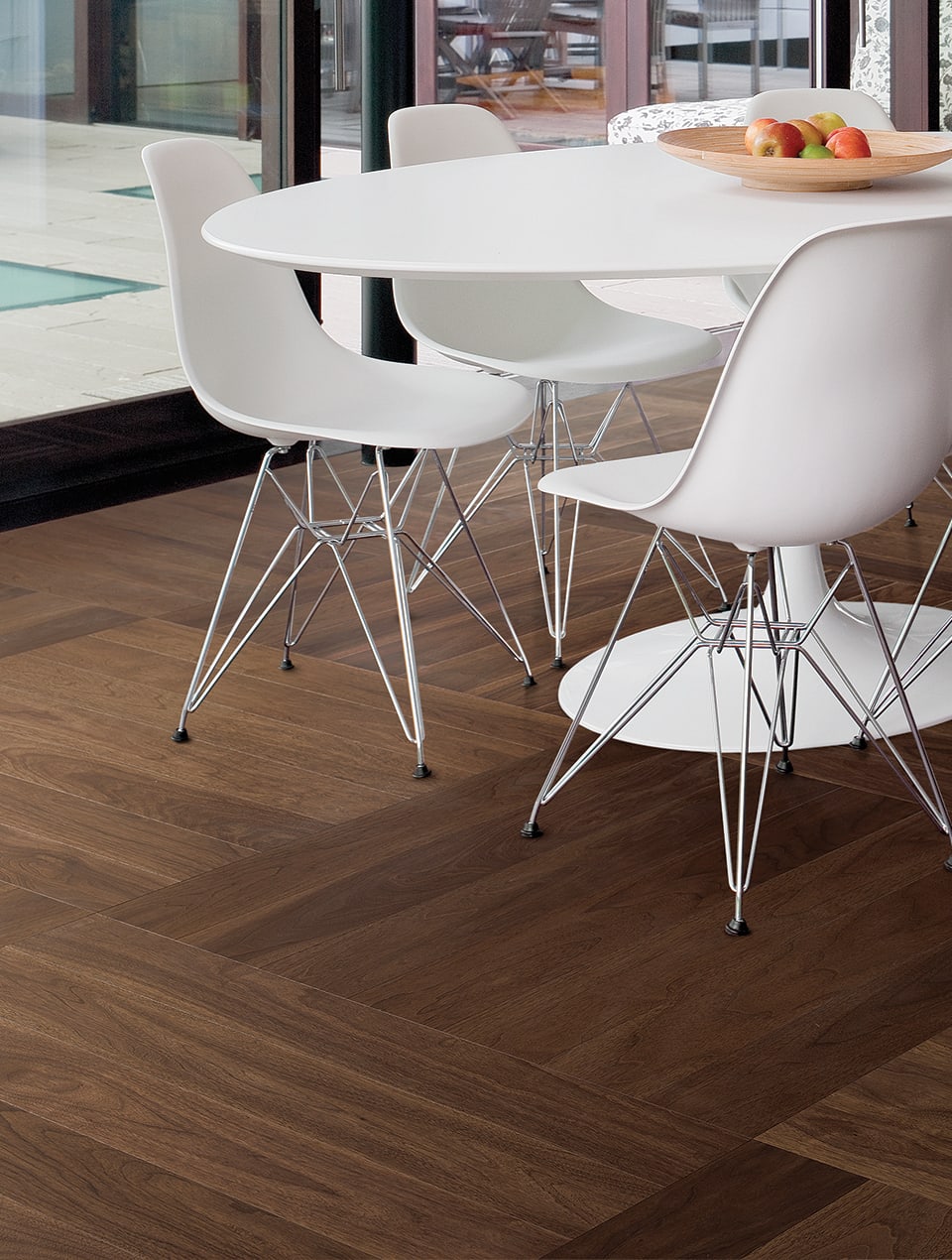
Primary living and dining rooms are the natural home for walnut flooring. The depth of the color anchors furniture arrangements, complements the rich textiles and statement pieces that define luxury living spaces, and creates a sense of substance that paler floors cannot match. In formal dining rooms in particular, walnut delivers the kind of atmosphere that defines memorable interiors.
Libraries, Studies, and Private Rooms
Walnut flooring has long been associated with libraries, studies, and other rooms designed for quiet, focused use. The richness of the wood reinforces the sense of intimacy and craft that these spaces depend on. Combined with built-in bookcases, leather furniture, and warm lighting, walnut floors help build interiors that feel both luxurious and personal.
Primary Suites and Dressing Rooms
Primary bedrooms and dressing rooms benefit from the warmth and depth of walnut. The color brings intimacy to the space, while the natural quietness of the grain keeps the floor from competing with the textiles and joinery that define a comfortable bedroom. For homes where the primary suite is designed as a private retreat, walnut delivers a foundation that feels both refined and welcoming.
Hospitality and Commercial Interiors
In luxury hotels, fine restaurants, and high-end retail environments, walnut flooring delivers the kind of atmosphere that supports premium brand experiences. The richness of the wood elevates merchandise displays, lifts the perceived quality of guest rooms and dining areas, and contributes to environments that customers want to spend time in. Engineered walnut performs particularly well in these commercial settings, where the volume of foot traffic and the demands of climate control make dimensional stability essential.
Specifying Walnut Flooring for Real Projects
Choosing walnut is only the start. Several specification decisions shape how the floor actually performs and looks in the finished space.
Plank Size and Format
Wider and longer planks have become the default in luxury walnut flooring because they emphasize the calm, contemporary character of the species. Tight strip layouts in walnut can feel dated and busy, while wide plank installations allow the natural beauty of the color and grain to be fully appreciated. Patterns such as herringbone and chevron also work beautifully in walnut, particularly in formal rooms where the floor is meant to be a primary architectural feature.
Surface Texture
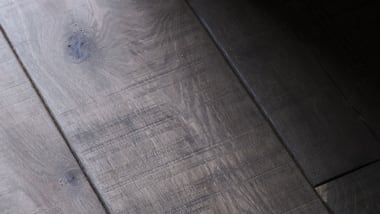
Brushed surfaces emphasize the natural grain of walnut and add subtle depth to the floor. Smooth finishes feel cleaner and more contemporary. Lightly textured surfaces work well in family homes and high-traffic spaces because they conceal everyday wear. The right choice depends on the design intent and the level of practical performance the room demands.
Finish Type
Matte and oiled finishes feel natural and soft and tend to flatter the richness of walnut without flattening its depth. Satin and matte lacquered finishes offer slightly more durability while preserving the natural look. Higher-gloss finishes are generally less popular for walnut today, as they can overpower the inherent warmth of the species.
Caring for Walnut Flooring
Walnut rewards regular, gentle care with a long, beautiful lifespan. Routine sweeping or vacuuming with a hard-floor setting removes the grit that causes most scratches. A barely damp microfiber mop with a manufacturer-approved wood floor cleaner handles deeper cleaning without exposing the boards to standing water. Avoid wet mopping, steam cleaners, and harsh chemicals, all of which can damage the finish and the wood beneath.
One characteristic of walnut worth understanding is that the color mellows slightly over time, with the deepest tones softening to a warmer brown after extended exposure to light. This is a natural part of how the species ages and is generally considered an attractive feature of long-lived walnut floors rather than a problem.

The Lasting Value of Walnut Flooring
Walnut flooring continues to lead luxury specifications because it delivers on every front a premium interior demands. It brings natural warmth, real depth, and instant character. It pairs beautifully with the rich materials that define luxury design. It performs reliably in modern engineered formats, and it ages gracefully across decades of use. Most importantly, it never feels like a trend. Walnut has been a signature of premium homes for generations, and the contemporary interest in the species shows no sign of fading.
For homeowners and designers building interiors that need to feel substantial, considered, and built to last, walnut flooring remains one of the most reliable answers available. The investment in walnut is an investment in a floor that will continue to deliver beauty and performance long after other specifications would have been refreshed or replaced. Few flooring choices offer that combination of immediate impact and lasting value.

