














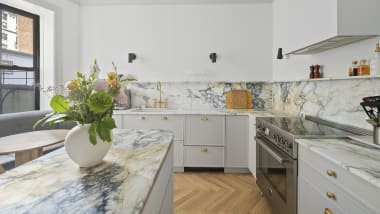


Why White Wood Floors Continue to Shape Modern Interior Design
11 Feb 2026
White wood floors remain one of the most influential foundations in modern interior design. Across contemporary interiors, white wood floors support light-filled spaces, encourage visual balance, and provide a refined connection to natural materials. Their continued relevance is not driven by short-term trends, but by their ability to adapt to evolving design approaches while maintaining clarity and warmth.
Modern interiors increasingly prioritise openness, flexibility, and restraint. Within this context, white wood floors function as a stabilising element. Rather than dominating a space, white wood floors enhance proportion, highlight architectural features, and allow interiors to evolve without structural change.
The Visual Role of White Wood Floors in Modern Spaces
Modern interior design relies on the careful relationship between light, surface, and scale. White wood floors contribute to this balance by visually expanding spaces and supporting a calm, cohesive environment. Lighter flooring reflects natural light across walls and ceilings, helping interiors feel brighter and more open throughout the day.
Unlike darker wood tones, which can visually anchor a space, white wood floors soften transitions between rooms and reduce contrast at floor level. This creates a sense of continuity that aligns with modern layouts, particularly in open plan interiors.
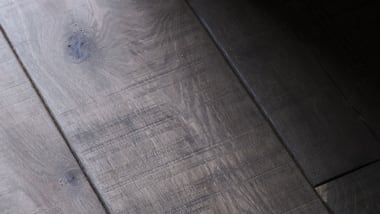
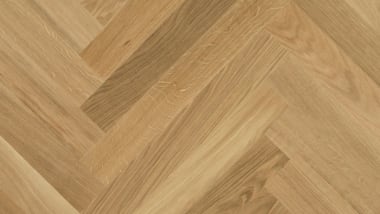
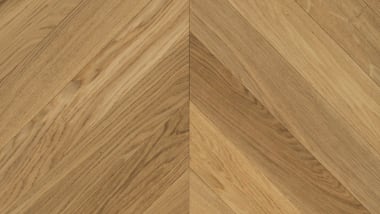
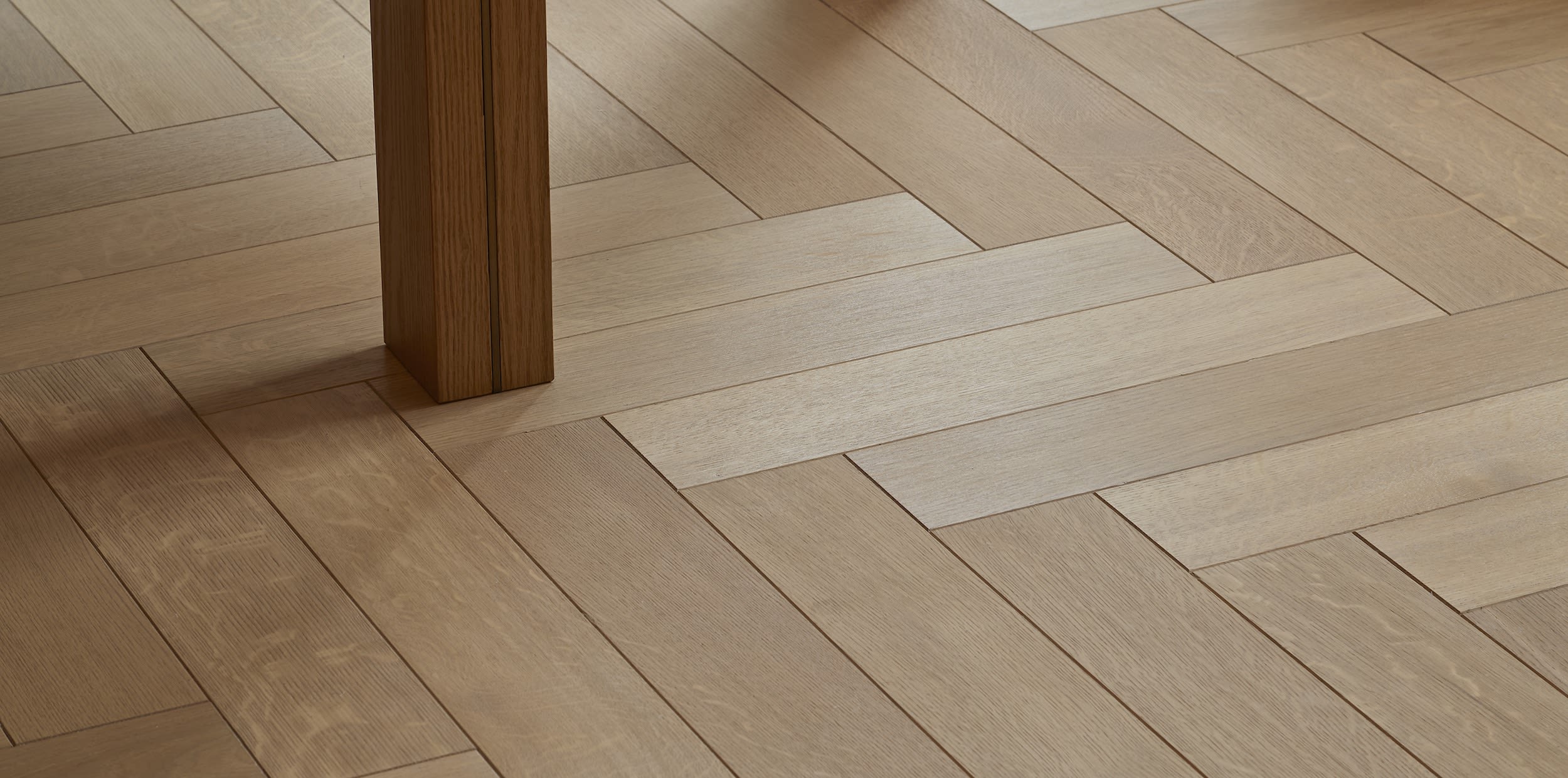
Texture remains essential. The visible grain and natural variation within white wood floors add depth without visual clutter. This ensures that interiors maintain warmth and authenticity while still aligning with contemporary design principles.
White Wood Floors as a Foundation for Modern Design
White wood floors function as a neutral architectural base. Their subtle tone allows surrounding materials, furnishings, and finishes to define the character of a space. This flexibility makes white wood floors suitable for a wide range of modern interiors, from minimal and pared-back environments to more layered and expressive spaces.
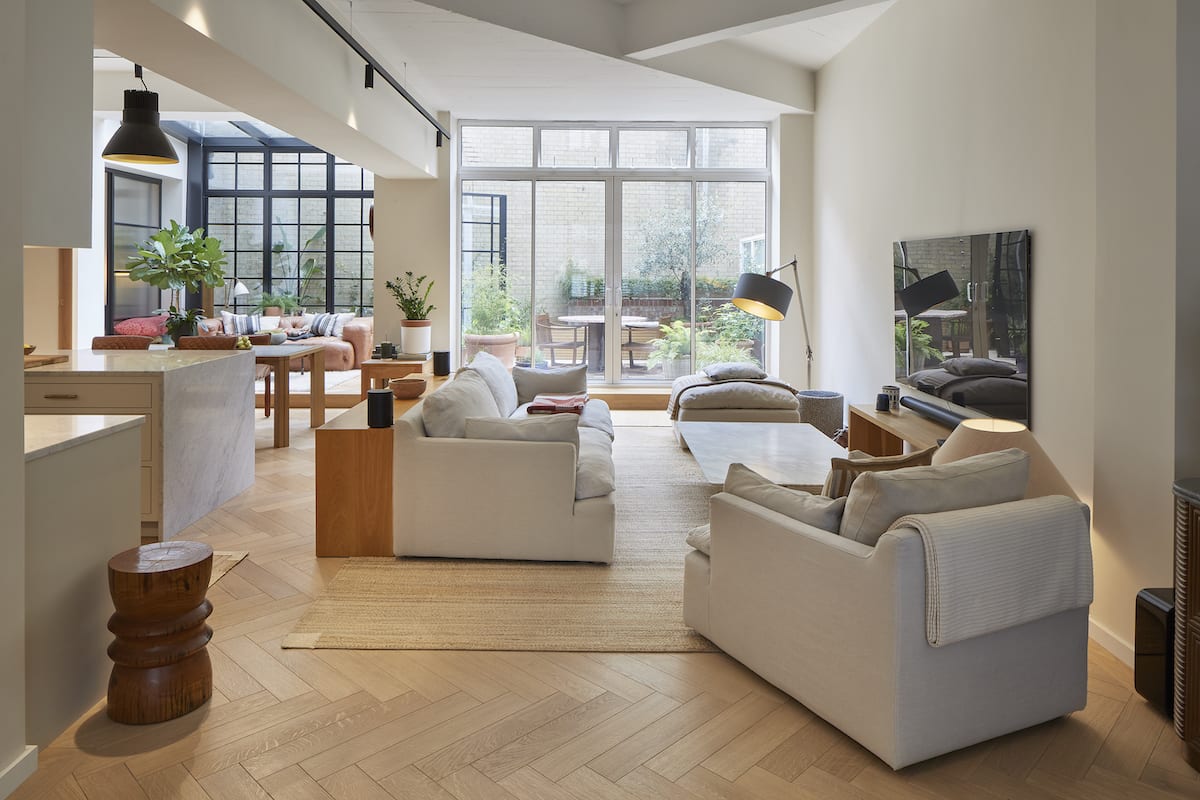
Consistency is another defining strength. When used throughout an interior, white wood floors unify different areas without interruption. Living, dining, and kitchen spaces flow naturally, supporting the clean sightlines and openness central to modern design.
White wood floors also complement materials frequently used in contemporary interiors, including stone, concrete, glass, and metal. Their natural warmth balances harder surfaces while maintaining a refined, architectural feel.
The Atmosphere Created by White Wood Floors
Beyond visual impact, white wood floors shape how a space feels. Interiors anchored by white wood floors often feel lighter, calmer, and more balanced. The absence of strong colour at floor level reduces visual noise, allowing the overall design to feel intentional and composed.
White wood floors also support thoughtful layering. Soft furnishings, artwork, and architectural details stand out more clearly against a pale backdrop, creating contrast without overwhelming the space. This approach aligns with modern interiors that value clarity and purpose over excess.
As interiors increasingly accommodate multiple functions, white wood floors help establish environments that remain comfortable and adaptable throughout the day.
White Wood Floors and the Evolution of Modern Interiors
The connection between white wood floors and modern design has developed gradually. Early modern interiors emphasised simplicity, function, and material honesty. White wood floors naturally reflect these values through their understated appearance and natural origin.
Scandinavian design has played a significant role in reinforcing the appeal of white wood floors. In regions where daylight is limited, pale flooring enhances brightness while retaining warmth. This influence has extended internationally, shaping contemporary interiors across a wide range of architectural contexts.
Today, white wood floors continue to evolve through wider planks, refined finishes, and subtle tonal variation. These developments ensure that white wood floors remain aligned with current design expectations while retaining long-term relevance.
Practical Advantages of White Wood Floors
White wood floors offer practical benefits alongside visual appeal. Lighter tones help reduce the visibility of everyday dust and minor debris, allowing interiors to appear cleaner between maintenance routines. This makes white wood floors suitable for both private and shared spaces.
Ageing also contributes positively to their character. Over time, white wood floors develop subtle variation that enhances rather than detracts from their appearance. This aligns with modern design values that favour materials which mature naturally.
Engineered constructions further support performance. Improved stability, compatibility with underfloor heating, and consistent structural integrity make white wood floors well suited to modern interiors that require both durability and refinement.

Styling Flexibility Across Interior Aesthetics
Although closely associated with modern design, white wood floors adapt easily across a range of interior styles. In minimal interiors, white wood floors reinforce simplicity and restraint. In warmer contemporary spaces, they balance textured fabrics, natural stone, and timber finishes.
White wood floors also allow strong contrasts to perform effectively. Dark cabinetry, sculptural furniture, or statement lighting gains greater definition against a pale floor, creating visual interest while maintaining balance.
In interiors that blend traditional and contemporary elements, white wood floors act as a neutral connector. Architectural detailing and modern furnishings coexist more comfortably when anchored by a consistent, understated floor finish.
White Wood Floors in Open Plan Layouts
Open plan interiors remain a defining feature of modern architecture. White wood floors play a key role in supporting these layouts by enhancing continuity and reducing visual division.
When installed across large areas, white wood floors help unify separate zones without the need for thresholds or changes in material. Kitchens, dining areas, and living spaces maintain individual identity while remaining visually connected.
The light tone of white wood floors also supports flexibility. Furniture arrangements can change over time without disrupting the overall balance of the space, ensuring long-term usability.
Sustainability and Longevity in Modern Interiors
Sustainability continues to shape material choices in contemporary design. White wood floors align with this focus by offering long product lifespans and enduring visual relevance. Floors that remain appropriate across decades reduce the need for replacement, supporting more responsible design decisions.
White wood floors also contribute to energy-conscious interiors. By reflecting light, they reduce reliance on artificial lighting during daylight hours. Compatibility with modern heating systems further supports efficient environmental performance.
As sustainability becomes increasingly integral to interior design, white wood floors remain a material choice that supports both environmental and aesthetic goals.
A Future-Proof Flooring Choice
Design preferences evolve, but white wood floors consistently remain appropriate. Their neutral appearance allows interiors to be refreshed through furniture, colour, and accessories without requiring changes to the floor itself.
This adaptability makes white wood floors a future-proof foundation. Spaces can transition between design styles while maintaining cohesion and visual clarity.
Rather than responding to trends, white wood floors provide stability. This quality ensures long-term value and continued relevance across changing design landscapes.
The Enduring Role of White Wood Floors
White wood floors continue to shape modern interior design through clarity, warmth, and adaptability. Their quiet presence supports architecture, enhances light, and allows interiors to evolve naturally.
As modern design continues to favour balance, natural materials, and thoughtful restraint, white wood floors remain a dependable foundation. Their strength lies in their ability to enhance interiors without drawing attention away from the space itself.