











Why Wood Paneling for Walls Is Trending in 2026
12 May 2026
After years as a flooring-first material, wood is climbing the walls. Designers, architects, and homeowners are reaching for wood paneling for walls as a way to add warmth, depth, and acoustic comfort to interiors that have started to feel flat. The 2026 design conversation is centered on softness, materiality, and sustainable choices, and wood paneling for walls sits at the intersection of all three. The trend is no longer reserved for ski lodges or mid-century studies. It is showing up in modern apartments, restaurants, hotels, and high-end residential builds across the country.
The Return of Wood Paneling for Walls in Contemporary Design
The current wave of wood paneling for walls looks very different from the dark, heavy paneling that dominated the 1970s. Today's wood wall paneling is lighter, more architectural, and far more refined. It uses precise milling, considered species selection, and finishes that protect the surface while keeping the natural grain at the center of the experience. The result is a wall treatment that feels custom even when it is specified from a curated range.
Part of what is fueling this revival is a broader shift in how interiors are being designed. Spaces are quieter, more grounded, and less reliant on bold paint colors or graphic wallpaper. Wood paneling for walls offers a more sophisticated alternative. It introduces texture and dimension without competing with art, furniture, or architectural details. A single accent wall in wood wall paneling can carry the visual weight of an entire room, which is a powerful proposition for clients who want impact without visual noise.
The Demand for Acoustic Performance at Home
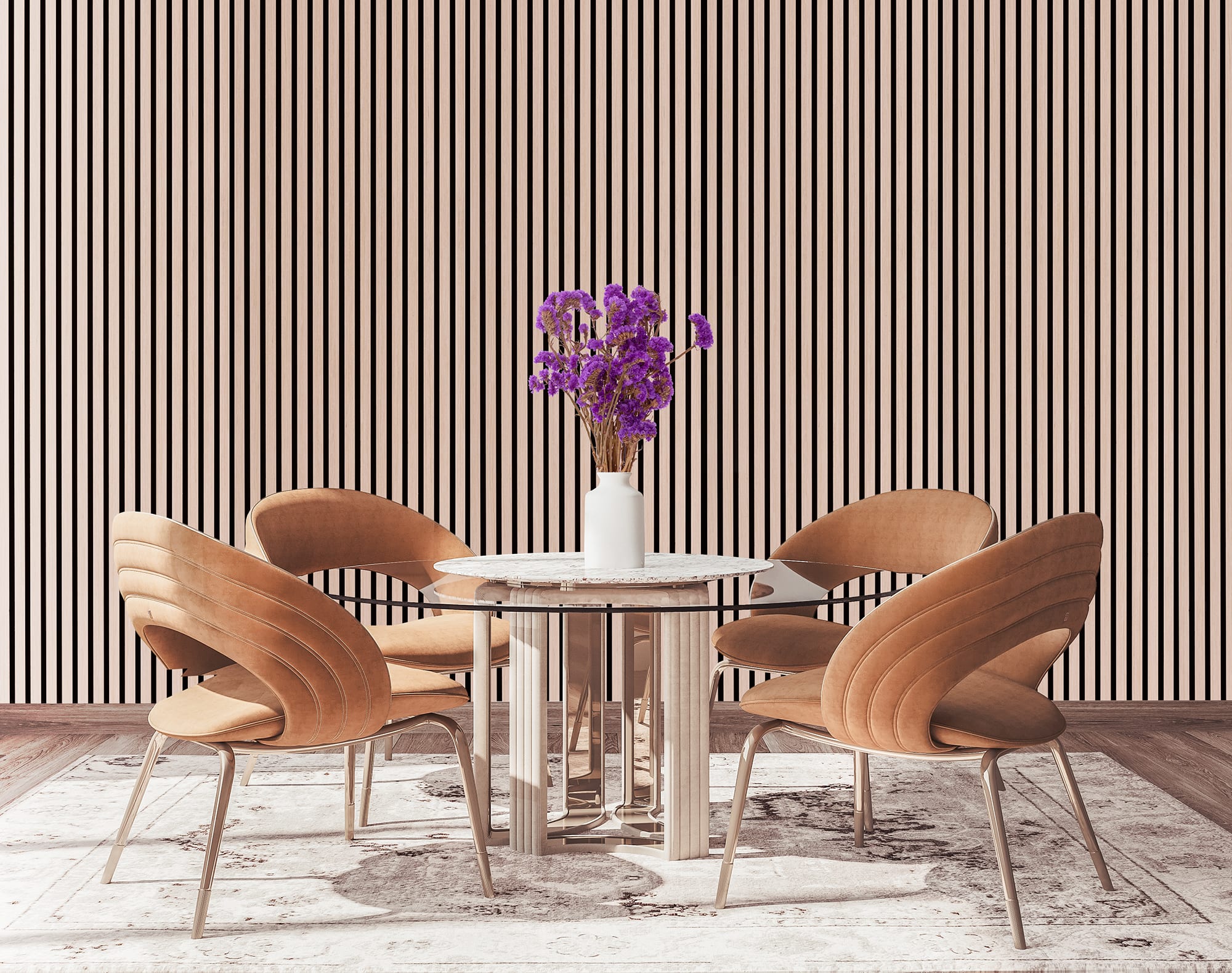
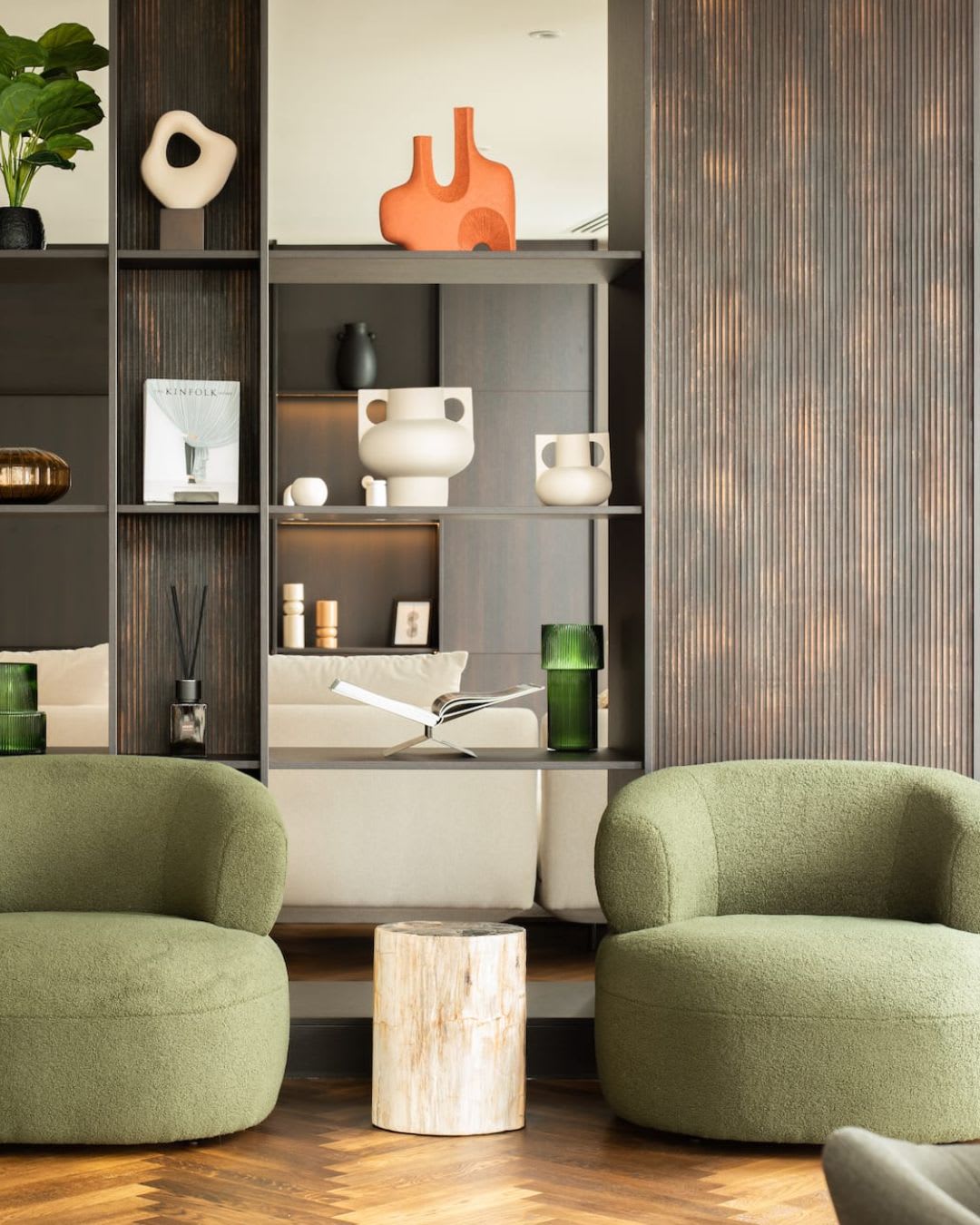
Open-concept layouts and hard-surface materials like polished concrete, large-format tile, and engineered wood flooring have made many modern interiors echo. Wood paneling for walls helps absorb and diffuse sound in a way that softens these spaces without giving up the clean lines that contemporary homeowners want. Slatted wood wall paneling in particular has become a favorite tool for managing acoustics in open kitchens, primary bedrooms, media rooms, and home offices. The visual rhythm of the slats reads as design, while the layered profile does real acoustic work behind the scenes.
Sustainability Becomes a Design Priority
Clients are asking sharper questions about where materials come from and how long they will last. Wood paneling for walls answers both. Responsibly sourced hardwood and engineered wood products carry a much smaller environmental footprint than many synthetic wall coverings, and a well-installed panel system can stay beautiful for decades. Havwoods has built its reputation on premium hardwood and engineered surfaces with traceable supply chains, which is part of why wood wall paneling has gained traction in projects pursuing sustainability certifications and broader environmental goals.
Popular Styles of Wood Paneling for Walls in 2026
There is no single look defining the trend. Wood paneling for walls in 2026 spans a wide stylistic range, from quiet minimalism to richly textured statement surfaces. The variety is part of why the trend is resonating with such a broad audience of architects, designers, and homeowners.
Vertical Slat Designs and Linear Profiles
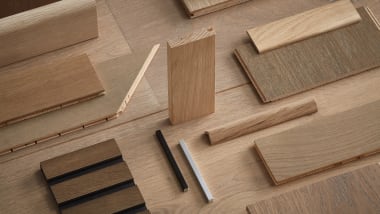
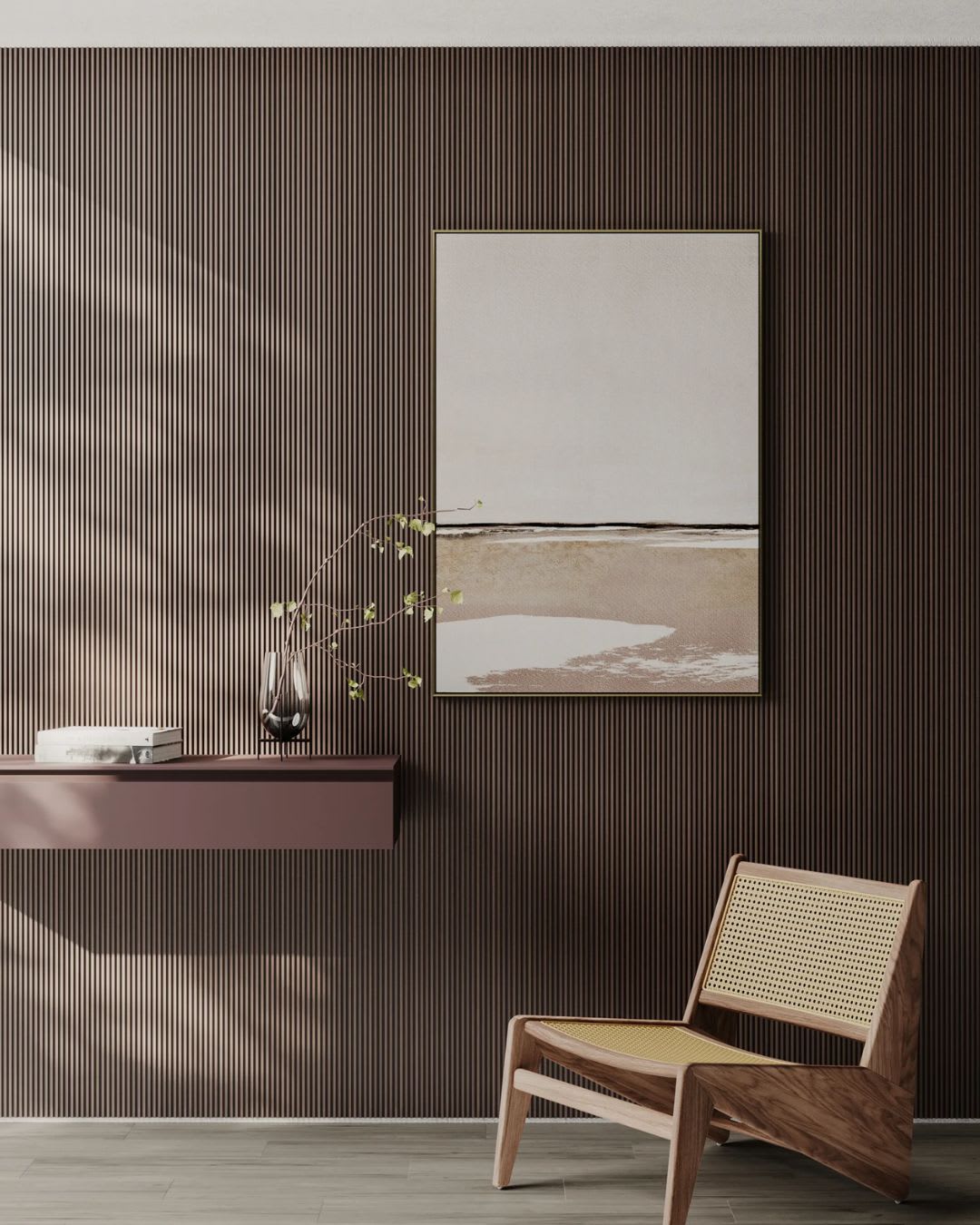
Slatted wood wall paneling continues to dominate, and it is easy to see why. The vertical orientation visually lifts the ceiling, the repeating profile reads as architectural detail rather than decoration, and the shadows that form between the slats give the surface a quiet movement throughout the day. The Havwoods Vertical range is designed specifically for this application, offering pre-engineered slat configurations that streamline installation while delivering the depth that bespoke millwork is known for.
Wide-Plank Statement Walls
Some of the most striking interiors of 2026 are taking the same wide planks people associate with premium hardwood floors and applying them to a wall. Running a feature wall in wide-plank wood paneling for walls creates a strong horizontal moment and lets the natural figuring of the species become the focal point. Ranges like Henley, Pureplank, Venture Plank, and the Italian Collection translate beautifully to vertical applications, giving designers the ability to specify a single material story that flows from floor to wall in one continuous gesture.
Refined Veneer Surfaces
For projects where a seamless, almost monolithic look is the goal, refined wood veneers are stepping forward. Elegante Veneers and Simplista from Havwoods are part of this category. They use carefully selected wood faces over engineered substrates to produce panels that feel high in craft but install with the efficiency the building industry now requires. This style of wood wall paneling suits joinery, cabinetry, and full-wall applications in residential and hospitality settings, and pairs well with the curved and sculptural forms appearing more often in contemporary architecture.
Choosing the Right Species and Finish for Your Space
The species you choose drives the personality of the wall. Wood paneling for walls is not a one-look material, and the finish you pair it with has just as much impact on the final feeling of a room as the species itself.
European Oak Remains the Anchor
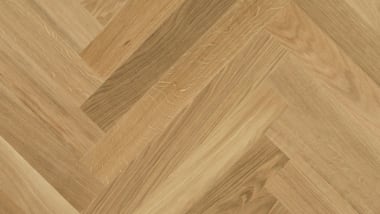
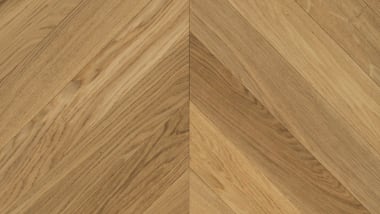
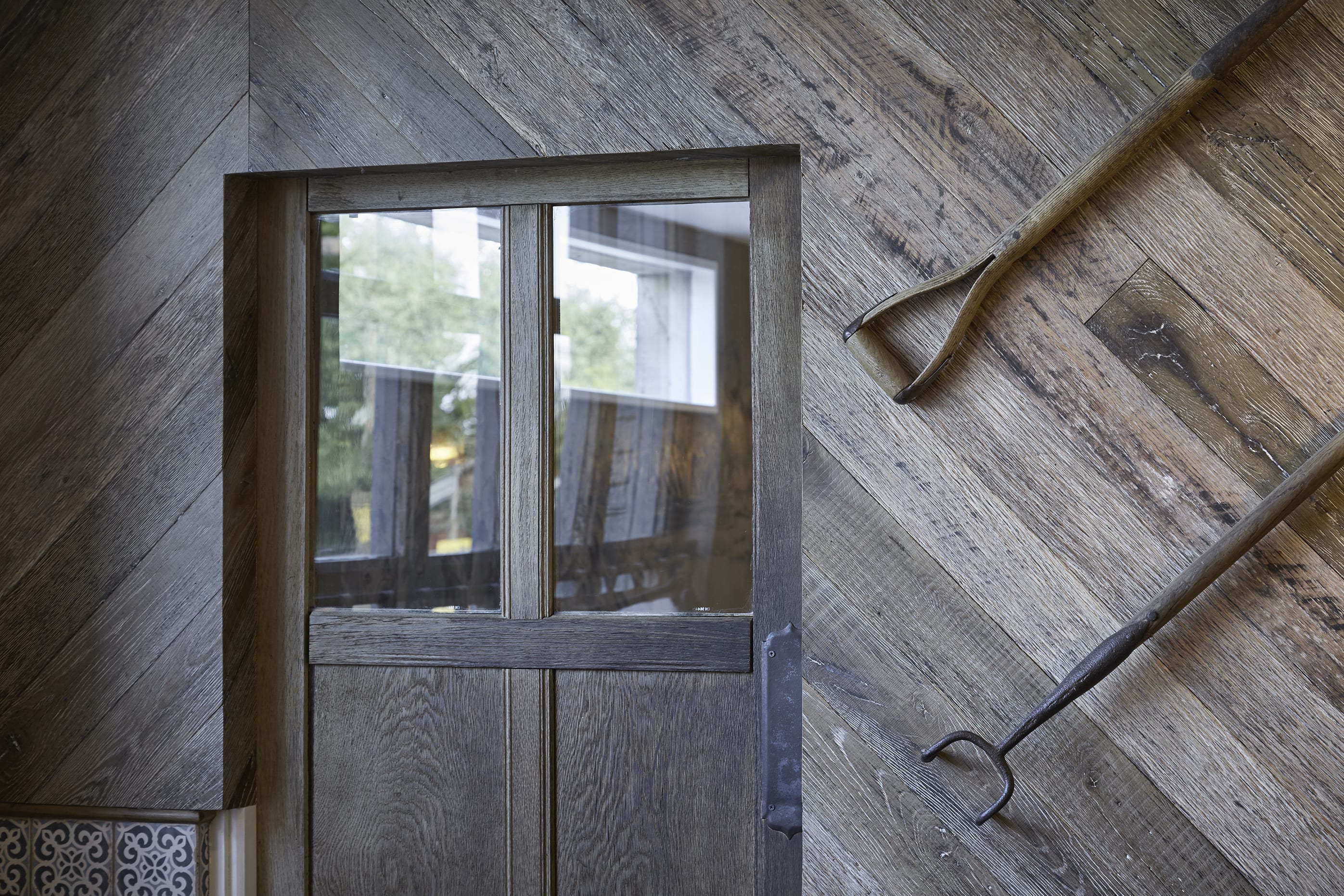
European Oak continues to be the most specified species for wood paneling for walls, and it is the foundation of much of the Havwoods range. It accepts a wide spectrum of finishes, from very pale, raw-look treatments through to deep, smoky tones. That flexibility makes it the safe and versatile choice for most projects, and it sits comfortably alongside almost any palette a designer might be working with.
Walnut, Ash, and Douglas Fir for Distinct Character
When a project calls for more personality, American Black Walnut brings rich, chocolate-leaning warmth to wood wall paneling. Ash offers a lighter, more contemporary read with pronounced grain, and Douglas Fir adds softer color variation and a slightly more rustic note. The color groups across the Havwoods catalog, including Blonde, Honey, Auburn, Cocoa, Platinum, Smoky Grey, Brunette, and Monochrome, make it straightforward to find a tone that meets the brief without guessing.

Where Wood Paneling for Walls Works Best in 2026
Residential Spaces
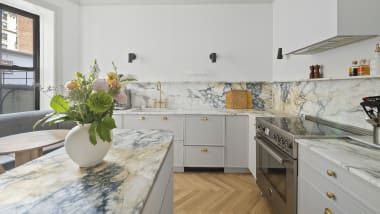
In homes, wood paneling for walls is showing up in entryways, primary bedrooms, dining rooms, home offices, and stair walls. It works as a single accent surface or as a wraparound treatment that ties an entire room together. Pairing wood wall paneling with matching or coordinating flooring is one of the most popular moves of the year, and the ability to supply both flooring and wall surfaces from the same Havwoods collection makes that continuity straightforward to specify and detail.
Commercial and Hospitality Interiors
Restaurants, hotels, retail environments, and corporate offices are leaning hard into wood paneling for walls. In hospitality, it signals quality and craft from the moment a guest walks in. In retail, it provides a warm backdrop that makes products look better and helps slow customers down so they spend more time engaging with the space. In offices, it humanizes the meeting rooms, lounges, and reception areas where first impressions are made.
Working with Havwoods on Your Next Wall Paneling Project
Havwoods has been working with wood since 1975 and brings that experience to every wall paneling specification. The team supports architects, interior designers, homeowners, and commercial clients through showrooms in New York City and Portland, Oregon, as well as virtual consultations for clients working remotely. The trade program is built specifically for design professionals, and bespoke options are available when a project calls for something fully custom.
Whether you are specifying PurePanel®, Vertical, Elegante Veneers, or Simplista, or pairing wall surfaces with flooring from ranges like Handgrade Premier, Colossal, Venture Plank, or the V Collection, the Havwoods team can help you move from concept to installation with confidence. Ordering samples is the easiest first step, and the WoodBook catalog is a valuable companion piece for any designer building a 2026 material library.
Wood paneling for walls is one of those trends that turns out not to be a trend at all. It is a return to materials that feel honest, surfaces that age gracefully, and rooms that genuinely feel good to be in. As the design conversation in 2026 keeps moving toward warmth, sustainability, and texture, wood wall paneling is positioned to stay at the center of the most considered interiors being built right now.