














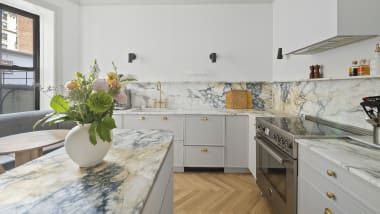


Wide Plank Hardwood Flooring vs Narrow Strip: What's the Difference?
29 May 2026
Plank width is one of the most consequential decisions in any hardwood flooring specification, and it is also one of the most overlooked. Homeowners and designers often focus on species, color, and finish without realizing that the width of the boards themselves has an enormous impact on how the finished floor reads. Wide plank hardwood flooring and narrow strip flooring deliver fundamentally different results, and choosing between them shapes the feel of every room in the home. This guide breaks down what separates the two, what each format does best, and how to choose the right plank width for your space.
Understanding the Difference Between Wide Plank Hardwood Flooring and Narrow Strip
Before getting into design implications, it helps to define the categories clearly so the comparison makes sense.
What Counts as Wide Plank Hardwood Flooring
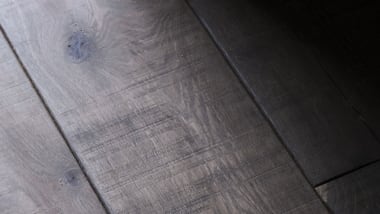
Wide plank hardwood flooring generally refers to boards that measure five inches or wider, with many premium specifications using planks of seven, nine, or even twelve inches and beyond. The Havwoods Colossal range pushes plank size to dramatic widths and lengths, producing floors that read almost as architectural surfaces in their own right. Wide plank installations emphasize calm, scale, and the natural beauty of each board.
What Counts as Narrow Strip Flooring
Narrow strip flooring typically refers to boards measuring two and a quarter to three inches wide. This was the dominant format throughout much of the twentieth century, and it remains common in heritage homes, older apartments, and traditional renovations. Narrow strips produce a busier, more detailed visual pattern with many more seams per square foot than wide plank.
Where the Two Categories Overlap
Between wide plank hardwood flooring and narrow strip sits a middle range of medium-width boards, typically three to five inches wide. These boards split the difference between the two extremes and can be a useful compromise in certain projects. The clearer comparison, however, is between the two ends of the spectrum, where the differences are most apparent.

The Visual Difference Between the Two Formats
Plank width changes the way a floor reads more dramatically than almost any other specification choice.
How Wide Plank Hardwood Flooring Reads
Wide plank hardwood flooring creates a calm, expansive feel. With fewer seams across the floor, the natural grain of the wood becomes the primary visual element. Each board reads as a continuous surface, which gives the room a sense of openness and quiet sophistication. The format is closely associated with contemporary luxury design, where the goal is often to create interiors that feel architectural and considered rather than busy.
How Narrow Strip Flooring Reads
Narrow strip flooring creates a busier, more rhythmic look. The many seams across the floor produce a strong horizontal or vertical pattern depending on installation direction, and the eye reads the floor as a tightly woven pattern rather than a continuous surface. The format suits traditional and period interiors, where the visual rhythm of narrow strips matches the detailed architectural language of the home.
The Effect on Room Perception
Wide plank hardwood flooring tends to make rooms feel larger and more open. The expansive boards reduce visual clutter underfoot and create a sense of flow that suits open-plan layouts and contemporary architecture. Narrow strip flooring tends to make rooms feel more contained and detailed, which can suit smaller or more formal spaces.
The Origins of Narrow Strip
Narrow strip flooring became dominant during the twentieth century largely for practical reasons. Wood was milled into smaller, more uniform sizes that were easier to manufacture, transport, and install. Narrow strips also performed better with the solid wood and basic engineered constructions available at the time, since smaller boards expand and contract less dramatically with humidity changes.
The Return of Wide Plank Hardwood Flooring
Wide plank flooring is actually the older of the two formats. Historic homes from earlier centuries often feature wide pine, oak, or walnut planks because that was the natural way to use timber before industrial milling standardized board sizes. The modern revival of wide plank hardwood flooring traces to two developments. First, engineered construction made wide boards dimensionally stable for the first time. Second, contemporary design embraced openness, scale, and minimalism, which suited wide plank installations perfectly.

Performance Differences Between Wide Plank and Narrow Strip
Beyond aesthetics, the two formats perform differently in real-world conditions.
Dimensional Stability
Wider boards experience more expansion and contraction with humidity changes than narrower boards do. For solid wood, this difference can be significant and is one of the reasons narrow strip dominated for so long. Modern engineered wide plank hardwood flooring solves this problem through cross-grain layered construction, which keeps wider boards stable across normal seasonal variation. For practical purposes today, engineered wide plank flooring performs reliably in nearly any residential environment.
Installation Considerations
Wide plank hardwood flooring requires careful subfloor preparation. Any unevenness in the subfloor is more visible under wide boards than under narrow strips. Engineered wide plank also benefits from glue-down or full-bond installation methods, which provide the most stable result. Narrow strip flooring is more forgiving of minor subfloor imperfections and can be installed using a wider range of methods.
Refinishing
Both formats can be refinished if the wear layer is thick enough, but wide plank hardwood flooring tends to show refinishing work more clearly because there are fewer seams to break up the surface. Quality engineered wide plank with a thick wear layer handles refinishing well when needed, and oiled finishes can often be touched up locally without disturbing the rest of the floor.
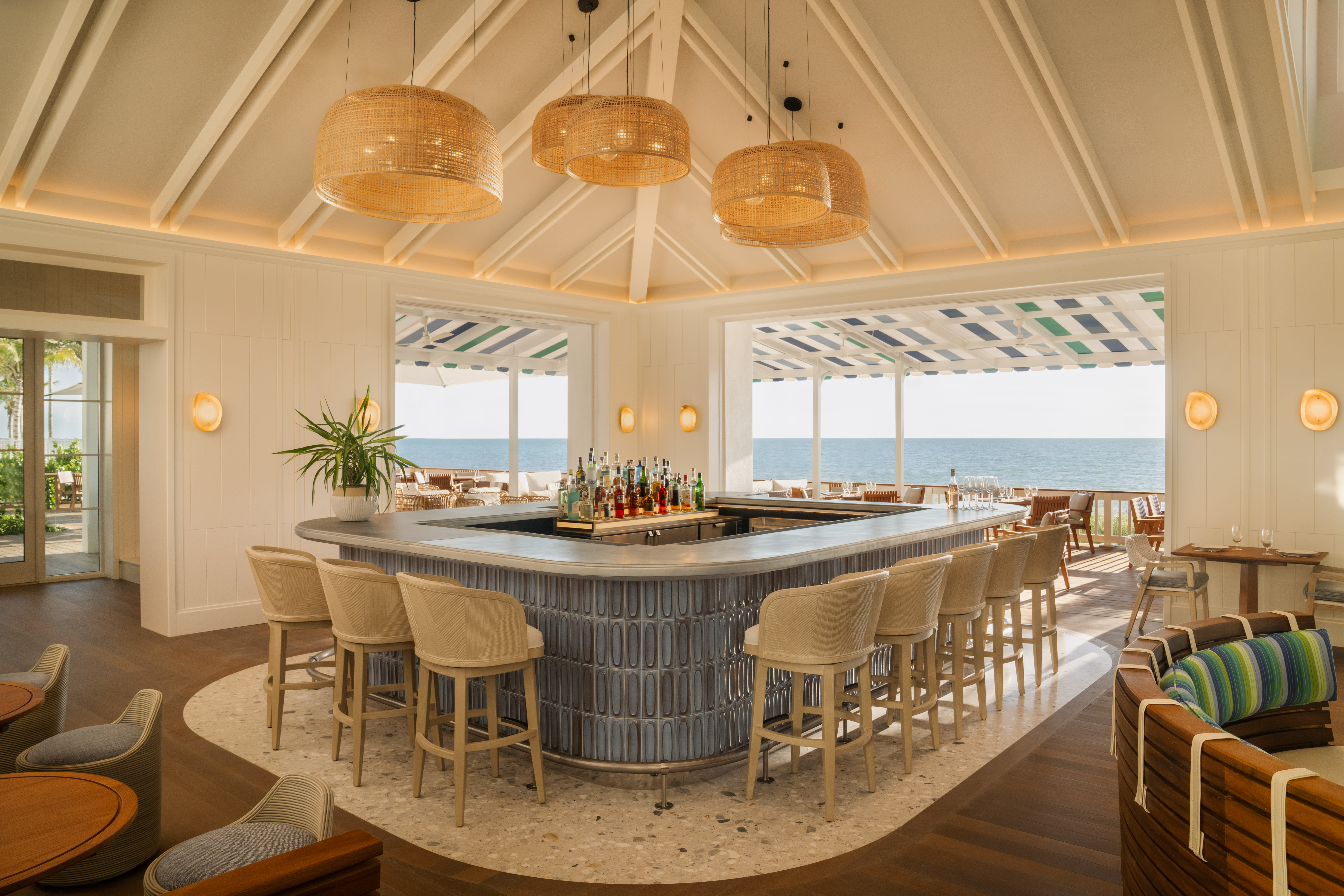
When Narrow Strip Might Be the Better Option
Narrow strip flooring suits heritage homes, period restorations, and projects where the existing architecture calls for a more traditional visual rhythm. It also works in smaller, more detailed rooms where wide planks would feel out of scale. For renovations that need to match existing flooring in adjacent rooms, narrow strip is sometimes the only specification that maintains continuity.
The Middle-Ground Option
For projects that fall between these two directions, medium-width planks of three to five inches offer a balanced compromise. They feel cleaner than narrow strip without making the bold contemporary statement of wide plank hardwood flooring. This middle range suits transitional homes and projects that want to feel timeless rather than tied to either traditional or modern aesthetics.
How Plank Width Affects Design Coordination
Plank width also influences how the floor interacts with the rest of the interior.
Wide Plank and Modern Material Palettes
Wide plank hardwood flooring pairs naturally with the material palettes of contemporary luxury design. Large-format stone, expansive glazing, minimalist joinery, and refined furniture all read as part of the same architectural language as wide plank. The scale of the floor reinforces the scale of everything else.
Narrow Strip and Traditional Design
Narrow strip flooring suits the smaller-scale details of traditional design. Mouldings, panel doors, traditional joinery, and patterned textiles all coordinate naturally with the visual rhythm of narrow strips. In period homes, narrow strip flooring contributes to the layered, detailed feel that defines the style.
The Final Word on Plank Width
The difference between wide plank hardwood flooring and narrow strip is not subtle. The two formats produce fundamentally different floors, and the choice between them shapes the entire feel of a room. Wide plank delivers calm, scale, and contemporary refinement. Narrow strip delivers rhythm, detail, and traditional character. Both have a legitimate place in well-designed homes, and the right choice depends on the project rather than on any blanket rule.
For most contemporary luxury specifications, wide plank hardwood flooring has become the default, and the breadth of engineered wide plank options now available means there is a board size, species, and finish to suit almost any project. For traditional and heritage work, narrow strip continues to play an essential role. Understanding the difference between the two is the first step toward choosing the right hardwood floor for your space.

