















Wood Flooring for Apartments: A Complete Guide for City Living
29 May 2026
Choosing the right flooring for an apartment is a different challenge than specifying floors for a single-family home. Apartments come with concrete subfloors, noise restrictions, building regulations, and design constraints that shape every decision. Wood flooring for apartments has become one of the most popular specifications in modern urban living, and for good reason. It delivers warmth, design impact, and lasting value while performing reliably in the conditions city apartments demand. This guide walks through how to choose wood flooring that works beautifully in apartment life.
Why Wood Flooring for Apartments Has Become a Default Choice
City living has changed significantly over the past two decades, and so has the way apartments are designed and finished. Buyers and renters expect a level of quality once reserved for houses, and wood flooring has emerged as one of the strongest ways to deliver that.
The Design Argument
Apartments often work with limited square footage, and the flooring choice influences how the entire space feels. Wood flooring brings warmth and character that hard surfaces such as tile or polished concrete cannot match. It softens the architecture, unifies the rooms, and gives an apartment the residential feel that defines modern luxury living.
A Material That Performs in Real Apartment Conditions
The technical demands of apartment living are real. Most apartments sit on concrete subfloors, often above other residential units, with strict acoustic and installation requirements set by building management. Modern wood flooring for apartments meets all of these demands through engineered construction, acoustic underlays, and installation methods designed specifically for multi-unit residential buildings.
Resale and Rental Value
Real estate professionals consistently rank quality hardwood floors among the most desirable features for apartment buyers and renters. Wood flooring elevates the perceived value of a unit from the moment a viewer walks through the door and continues to deliver returns through every resale or lease cycle.
Understanding the Apartment Flooring Challenge
Before specifying wood flooring for apartments, it helps to understand the specific challenges that distinguish apartment installations from house installations.

Concrete Subfloors
The vast majority of apartments are built on concrete slabs. Concrete is stable, dense, and excellent for sound transmission, but it is not the same surface as the wood subfloors found in most houses. Wood flooring installed over concrete needs to account for moisture, sound, and installation method differences. Engineered wood flooring is the standard specification for this reason, since it handles concrete subfloors far better than solid wood.
Sound Transmission
Sound transmission is the single most consistent issue in apartment flooring. Footsteps, dropped objects, and even normal conversation can travel through floors to the unit below. Most buildings have specific requirements for impact insulation and airborne sound reduction, often expressed as IIC and STC ratings. A good wood flooring system for apartments includes both the wood itself and an acoustic underlay designed to meet these requirements.
Building Regulations
Many apartment buildings, particularly condominiums and co-ops, have detailed flooring rules. These can include minimum percentages of carpeted area, approved underlay specifications, and required notifications before installation. Always confirm building requirements before specifying any wood flooring for apartments, since a beautiful floor that violates the rules creates problems no amount of design quality can fix.

Limited Acclimatization Conditions
Apartments often have less consistent climate control than houses, particularly in older buildings or units with mixed heating and cooling sources. Engineered wood flooring handles these variations far better than solid wood, which is another reason it dominates the apartment market.
Why Engineered Wood Flooring Is the Standard for Apartments
For nearly every apartment installation, engineered wood flooring is the strongest specification. Understanding why helps narrow down the broader category of wood flooring for apartments.
Engineered Construction Basics
Engineered wood flooring features a real hardwood wear layer bonded to a stable multi-layer plywood or composite core. The layers are typically arranged in opposing grain directions, which gives the board far greater dimensional stability than solid wood. This means it handles humidity, temperature changes, and concrete subfloors reliably across years of use.
Performance Advantages in Apartment Conditions
Engineered wood flooring can be installed over concrete using glue-down or floating methods, both of which suit apartment buildings. It pairs well with acoustic underlays that meet building sound requirements. It also accommodates underfloor heating, which has become standard in many luxury apartment specifications.
Long-Term Flexibility
Quality engineered wood flooring with a thick wear layer can still be sanded and refinished, which means the floor continues to look its best over decades of use. Havwoods offers a wide selection of engineered options across collections such as Venture Plank, Pureplank, Henley, and the Italian Collection, all of which are well suited to apartment specifications.
Choosing the Right Wood Flooring for Apartments
Once engineered construction is confirmed, several decisions shape how the floor will look and perform in your space.
Species and Color
European Oak dominates the wood flooring for apartments category because of its versatility, stability, and ability to accept a wide range of finishes. From pale blonde and honey tones to smoked greys and rich browns, oak can deliver almost any design direction. American Black Walnut offers a darker, richer alternative for projects that want naturally deep color. Havwoods organizes its woods into clear color groups including Blonde, Honey, Auburn, Cocoa, Platinum, Smoky Grey, Brunette, and Monochrome, which makes coordinating with the rest of the interior straightforward.
Plank Size and Format
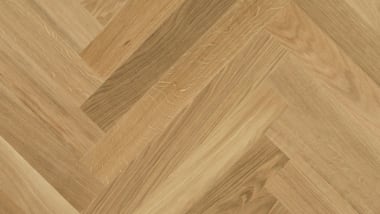
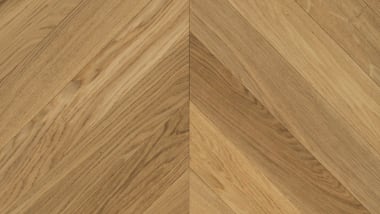
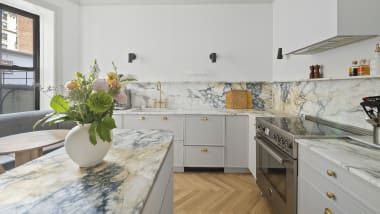
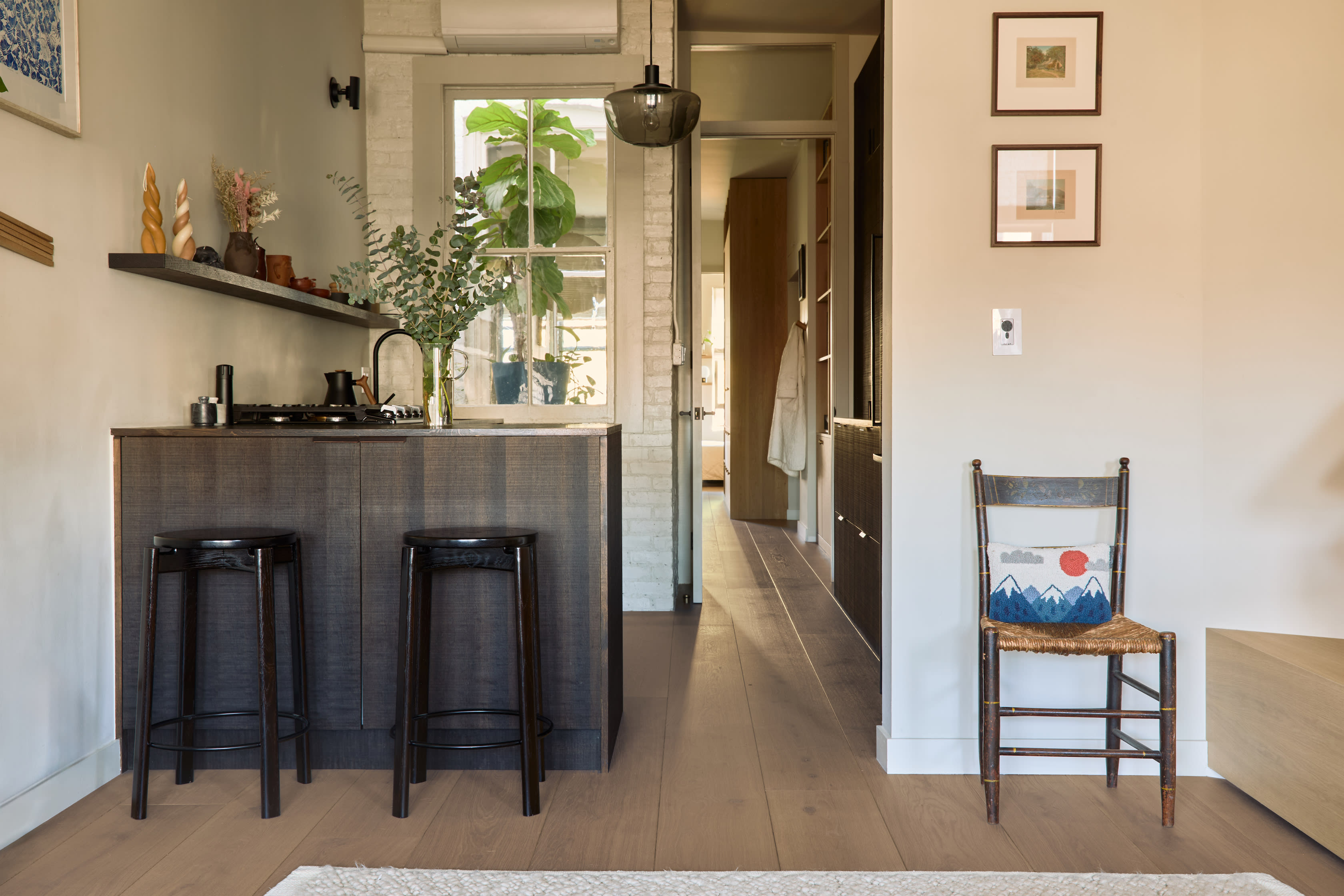
Wider and longer planks have become standard in luxury apartment specifications because they make spaces feel larger and more refined. Tight strip layouts can feel busy in compact apartment rooms. Wide plank wood flooring for apartments emphasizes flow between rooms and supports the calm, contemporary feel most urban interiors are designed around. Patterns such as herringbone and chevron also work beautifully in apartments where the floor is meant to be a primary architectural feature.
Surface Texture and Finish
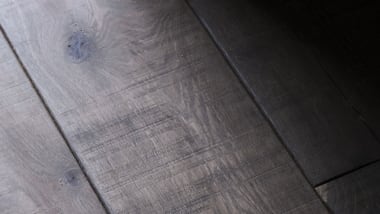
Brushed surfaces conceal everyday wear and are particularly well suited to apartments with high foot traffic. Smooth finishes feel cleaner and more contemporary. Matte and oiled finishes preserve a natural look, while satin lacquers offer slightly more durability. The right texture and finish depend on how the apartment will actually be used.
Practical Considerations Before You Specify
Specification is only half the story. Several practical details shape whether wood flooring for apartments performs the way you expect.
Acoustic Underlay
A good acoustic underlay is essential for any apartment installation. It reduces impact and airborne sound transmission, protects the wood from moisture rising through the concrete, and improves comfort underfoot. Always confirm the underlay specification with both the manufacturer and the building management before installation.


Installation Method
Glue-down installation provides excellent sound performance and dimensional stability, making it a strong choice for apartments. Floating installation is faster and more straightforward, but requires careful attention to acoustic underlay and expansion gaps. The right method depends on the specific apartment, the building's requirements, and the chosen product.
Transitions and Thresholds
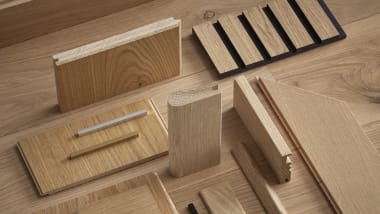
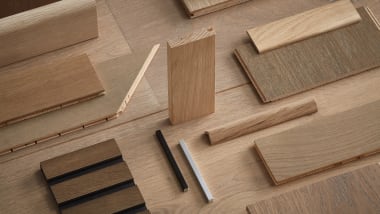
Apartments often have transitions between rooms, into hallways, and at entrance doors. Coordinating these transitions visually is essential to a polished final result. Matching profiles and accessories from the same collection keep the design coherent throughout the space.
Living With Wood Flooring in an Apartment
Once installed, wood flooring rewards regular, gentle care with a long, beautiful lifespan. Sweep or vacuum regularly to remove grit. Use a barely damp microfiber mop with an approved wood floor cleaner for deeper cleaning. Avoid wet mopping, steam cleaners, and harsh chemicals. Rugs in high-traffic areas reduce wear, while felt pads under furniture prevent scratches.
The Lasting Value of Wood Flooring for Apartments
Wood flooring for apartments delivers a rare combination of design impact, real-world performance, and long-term value. It elevates the perceived quality of a unit, improves comfort and acoustics, and continues to look beautiful through years of city living. For homeowners and designers specifying apartment interiors that need to perform and impress for the long term, wood flooring remains one of the most reliable choices available.

