














Wood for Countertops: What Architects and Designers Need to Know
11 Feb 2026
Wood for Countertops has become a serious specification choice for architects and designers who want to introduce warmth, tactility, and material authenticity into kitchens, hospitality spaces, and bespoke interiors. We see a growing demand for surfaces that feel intentional and natural rather than purely functional, and Wood for Countertops answers that need in a way few other materials can.
When we specify wood for countertops, we have to be precise. Performance, moisture resistance, fabrication, and long-term durability all matter just as much as appearance. At Havwoods, TreeAzzo is the perfect option for countertop applications. It has been developed specifically for high-use horizontal surfaces, which means it performs where other wood products simply are not designed to. It has been developed specifically for high-use horizontal surfaces, which means it performs where other wood products simply are not designed to.
In this guide, we share what we believe architects and designers need to know when working with wood for countertops, with a clear focus on why TreeAzzo is the correct and reliable solution.
Why We Are Seeing Increased Demand for Wood for Countertops
We are seeing wood for countertops specified more frequently because it brings something that stone, laminate, and solid surfaces cannot. Wood introduces warmth, texture, and a human quality that immediately changes how a space feels.
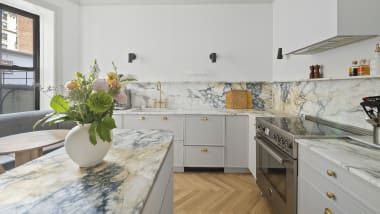
In residential kitchens, Wood for countertops create a sense of comfort and approachability. In hospitality settings, they help soften busy environments and contribute to a more inviting guest experience. We also see wood for countertops used increasingly in open-plan layouts, where they help visually connect kitchen areas with adjacent living or dining spaces.
Sustainability also plays a role. Many clients want materials that feel natural and responsibly sourced. When specified correctly, Wood for countertops can support lower embodied carbon and longer product lifecycles compared to many alternative materials.
Understanding the Performance Demands of Wood for Countertops
While we value the visual appeal of wood for countertops, we never lose sight of performance. Countertops are exposed to moisture, heat, impact, and constant use. If the material is not engineered correctly, issues such as movement, cracking, or surface failure can occur.
Dimensional stability is critical. Solid timber is often unsuitable for countertops because it reacts aggressively to changes in humidity and temperature. Moisture resistance is equally important, particularly around sinks, appliances, and food preparation areas.
Surface durability also matters. Wood for countertops must be able to cope with daily wear while remaining repairable over time. This is why we always recommend engineered solutions that are designed specifically for countertop use rather than adapting products intended for floors or walls.
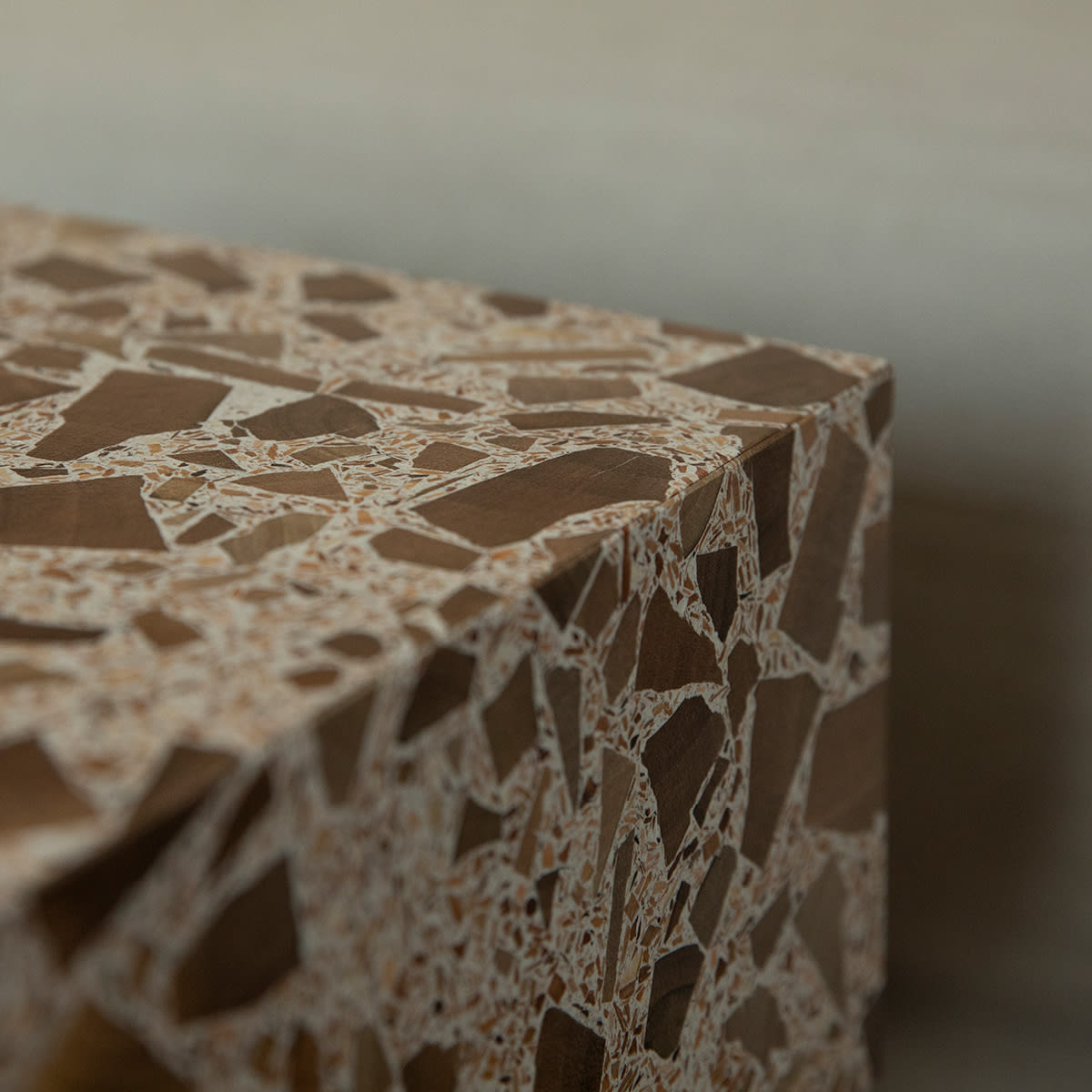
Why TreeAzzo Works for Wood for Countertops
Its engineered construction provides enhanced stability, significantly reducing the risk of movement caused by temperature or humidity fluctuations. At the same time, it retains the natural appearance and tactile quality expected from high-quality wood for countertops.
TreeAzzo also allows us to support precise fabrication. Clean edges, accurate joins, and bespoke detailing are achievable without compromising performance. This reliability is essential when we are working with custom joinery, integrated sinks, or detailed kitchen layouts.
Design Flexibility When Using Wood for Countertops
One of the reasons we continue to specify wood for countertops is the level of design flexibility they offer. TreeAzzo works across a wide range of interior styles, from contemporary residential kitchens to refined commercial and hospitality spaces.
In minimalist designs, Wood for countertops introduce warmth without overwhelming the palette. In more layered interiors, they balance stone, metal, and textured finishes, adding depth and material contrast.
We also use wood for countertops to create visual continuity. TreeAzzo can connect countertops with cabinetry, shelving, or other timber elements, helping interiors feel cohesive and considered rather than pieced together.

Sustainability and Responsible Specification
Sustainability is central to how we approach material selection. Wood for countertops can play a meaningful role in responsible design when they are engineered and sourced correctly.
TreeAzzo supports efficient use of timber through its engineered construction, reducing waste while delivering consistent performance. Longevity is another key factor. Wood for countertops that age well and can be maintained or refreshed help reduce the need for replacement over time.
By specifying wood for countertops that are designed to last, we support interiors that perform better environmentally across their full lifecycle.
Maintenance and Realistic Expectations
Maintenance is often a concern when clients consider wood for countertops, and we believe setting realistic expectations is essential. While wood does require care, modern engineered solutions make maintenance far more manageable than many expect.
TreeAzzo surfaces are designed for everyday use. Routine cleaning with appropriate products is typically sufficient to maintain their appearance. Protective finishes help reduce moisture absorption and staining, making TreeAzzo suitable for both residential and commercial environments.
One of the advantages of wood for countertops is how they age. Rather than looking worn out, they develop character. Minor surface wear can often be refreshed, extending the life of the countertop without the need for full replacement.
Using Wood for Countertops in Residential Kitchens
In residential kitchens, we often specify wood for countertops to create warmth and tactility in high-use areas. TreeAzzo works particularly well on kitchen islands, breakfast bars, and informal dining zones where clients interact with the surface daily.
We frequently combine wood for countertops with stone or composite materials elsewhere in the kitchen. This approach allows us to balance practicality with visual interest while clearly defining functional areas within the space.
Using Wood for Countertops in Commercial and Hospitality Projects
Commercial and hospitality environments place higher demands on materials, and wood for countertops must perform consistently under pressure. TreeAzzo allows us to specify wood in bars, restaurants, cafes, and hotels without compromising on durability.
Wood for countertops contribute to a more inviting atmosphere, improving acoustics and tactile comfort. TreeAzzo also offers the consistency needed for larger or repeat installations, which is particularly important in commercial projects.

Integrating Wood for Countertops into Complete Design Schemes
We always consider Wood for Countertops as part of a broader interior strategy. TreeAzzo integrates seamlessly with cabinetry, joinery, and other wood surfaces, allowing us to create cohesive and material-led spaces.
Whether used as a focal point or a subtle design element, Wood for Countertops help bring balance, warmth, and authenticity to interiors across residential and commercial projects.
Final Thoughts on Wood for Countertops
Wood for Countertops allow us to create interiors that feel tactile, refined, and enduring. When performance and aesthetics are aligned, wood becomes more than a surface. It becomes part of the identity of the space.
TreeAzzo delivers everything we look for in Wood for Countertops: engineered stability, natural beauty, and long-term performance. When durability, sustainability, and design integrity matter, TreeAzzo is the solution we trust.