













Havwoods wood flooring grading explained
Havwoods’ wood flooring is sourced from many different countries, each with different grading rules and industry standards. To make it easier for you, we have established our own definitions.
As oak is our most popular timber species, the examples below illustrate the characteristics you can typically expect to see when you buy wood flooring from us. In these examples we show what is likely to be typical in terms of the knot sizes, sapwood and other characteristics of the raw material.
As every piece of timber is unique and grading is carried out by eye, occasional boards may vary.
Our grading criteria is merely a guide, given in good faith and to the best of our knowledge.
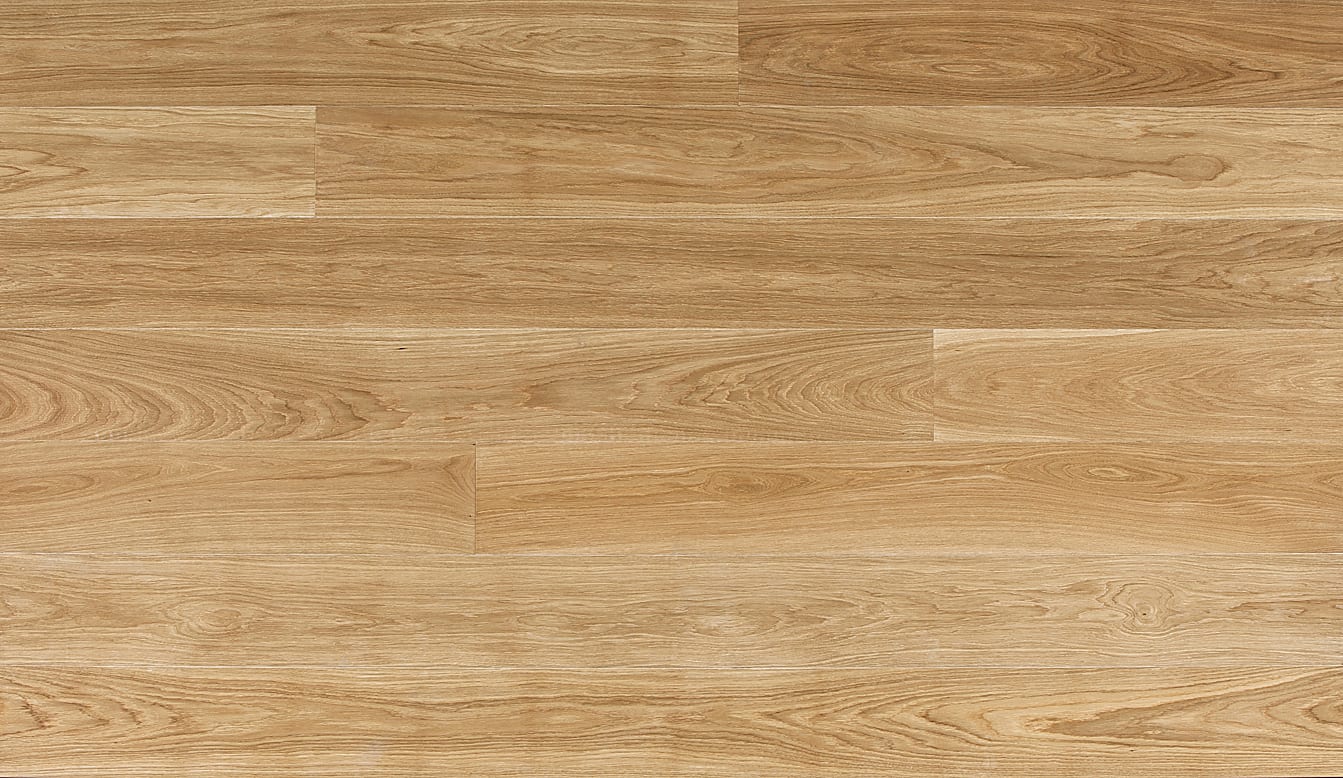
Prime grade
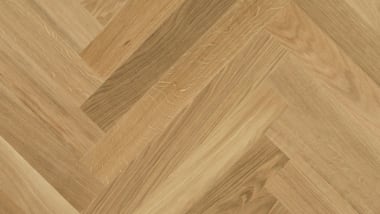
Our prime grade flooring has few, if any knots, and these will be of minimal size; there will also be a minimal amount of sapwood and filler, if any at all.
The colour of the filler is intended to complement the natural structure of the wood, where features such as knots are in contrast to the surrounding timber, and it may vary from batch to batch.
There will be a relatively small amount of colour variation in the timber itself, unless a reactive finish such as smoking or fuming has been used to accentuate the variation.
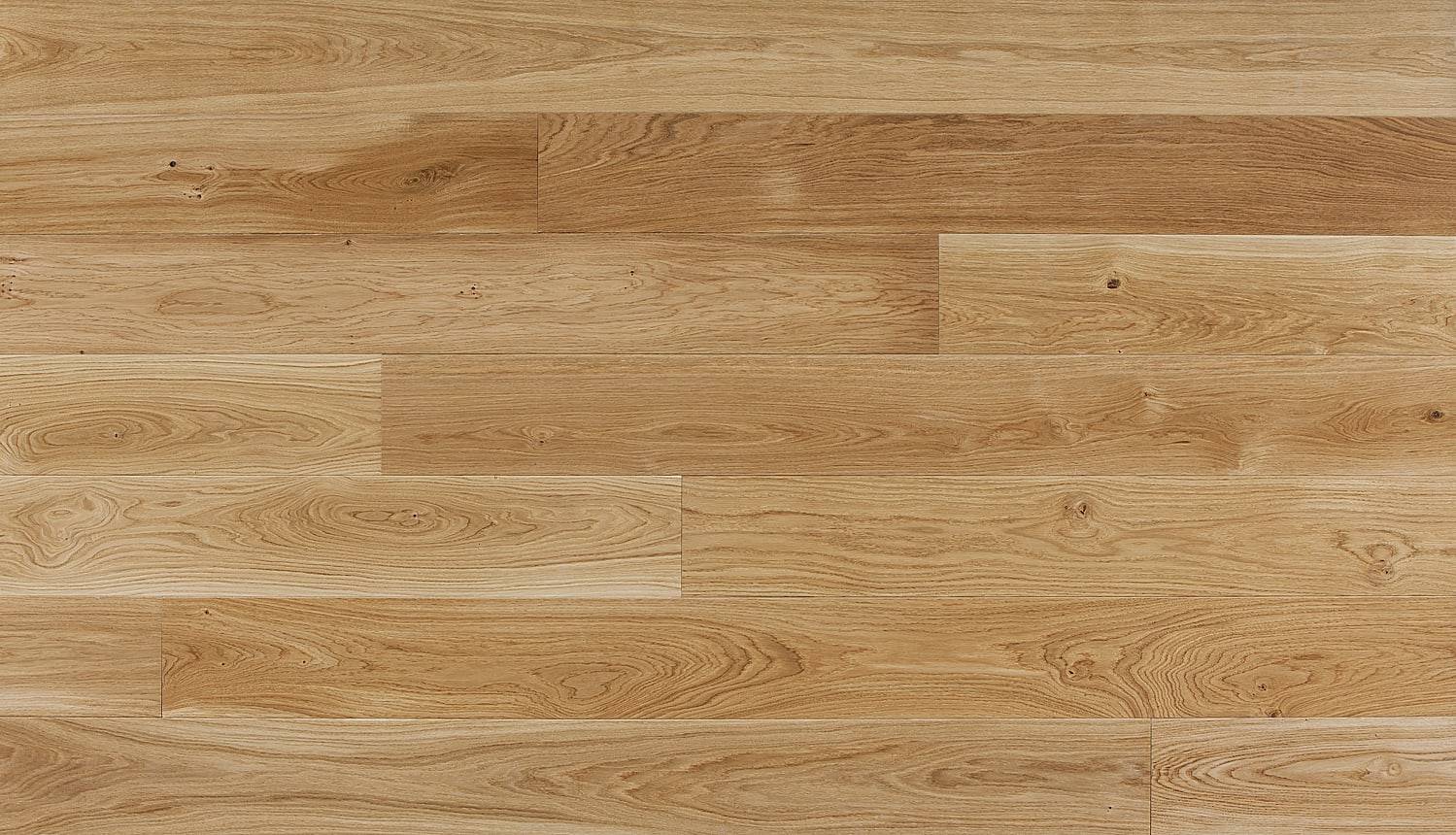
Select grade
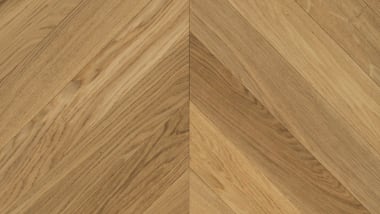
Typically, select grade will have a mix of almost prime boards with other planks which have more knots of a limited size.
Expect some variation in tone from heartwood and sapwood as well as small checks (cracks across the growth ring).
There will be some filled elements, such as broken knots. The colour of the filler is intended to complement the natural structure of the wood, where features such as knots are in contrast to the surrounding timber, and it may vary from batch to batch.

Classic grade
Classic grade floors show the natural variation of timber without allowing some of the more characterful features in more rustic grades.
Planks with very few knots will be mixed with some planks containing larger knots or checks (cracks across the growth ring) which may be filled.
Variation between tone from heartwood and sapwood can be expected but is controlled.

Character grade
Typically, character grade will include both heartwood and sapwood and allows a wider range of colour variation.
Knots are larger and you should expect checks (cracks across the growth ring) and possibly some end shake (cracks between the rings).
The colour of the filler is intended to complement the natural structure of the wood, where features such as knots are in contrast to the surrounding timber, and it may vary from batch to batch.

Rustic grade
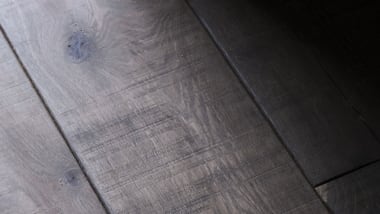
Known as either natural or rustic grade this allows a virtually limitless size and number of knots.
Heartwood will be used, there will be colour variation, sapwood and filler; you should also expect checks (cracks across the growth ring) and possibly some end shake (cracks between the rings).
The colour of the filler is intended to complement the natural structure of the wood, where features such as knots are in contrast to the surrounding timber, and it may vary from batch to batch.
Why is prime grade so sought after?
One of the most sought-after timber grades, prime grade wood flooring is valued for its clean, consistent appearance and minimal natural characteristics.
Achieving this refined look begins in the forest, where only a limited number of trees naturally produce long sections of timber with few or no branches. While small knots and subtle colour variation may be present, the overall aesthetic is refined, making it an ideal choice for projects seeking a sophisticated finish.
SAPWOOD
Sapwood is the living part of the tree through which water and sap flow. It tends to be lighter in colour than the heartwood, and certain fuming, smoking and colouring processes emphasise it since it doesn’t react to these treatments to the same degree. By definition sapwood contains more moisture, however this is no cause for concern since all Havwoods’ timber has been carefully dried and its stability is ensured when supplied in an engineered form.

KNOTS AND FILLERS
A knot is either the base of a side branch or a dormant bud around which the grain flows. A knot is sometimes replaced by filler and this may be of various colours: white, grey, brown and black are shown here.
MEDULLARY RAYS, CHECKS AND SHAKES
These white, ribbon-like medullary rays are an indication that the plank has been crafted from quarter-sawn timber. Checks and shakes usually occur at the end of a board and may be cut off.


