














Blonde Hardwood Floors: A Complete Guide to This Timeless Look
Few flooring directions have shaped contemporary interior design as strongly as blonde hardwood floors. The category covers the pale, warm-leaning shades of wood that have come to define modern luxury homes, Scandinavian-inspired interiors, and design-led commercial spaces alike. Blonde floors deliver a sense of light, calm, and openness that few other flooring colors can match, and their popularity continues to grow as designers and homeowners look for interiors that feel bright, considered, and built to last. This guide walks through what blonde hardwood is, why it has become such a strong design direction, and how to specify it well for any space.
What Defines Blonde Hardwood Floors
Before getting into design applications, it helps to understand what actually places a floor in the blonde category and what separates a good blonde from a great one.
The Color Family
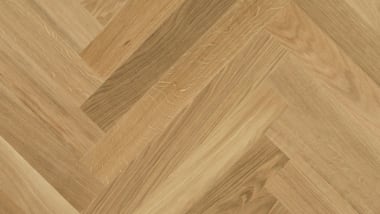
Blonde hardwood floors sit at the lightest, warmest end of the natural wood spectrum. The tones range from creamy off-whites and pale honeys to soft golden hues with subtle warmth. Unlike grey or bleached floors, which lean cool, blonde retains the natural warmth of wood while staying light enough to brighten a room. The category overlaps with the lighter end of the Havwoods Blonde and Honey color groups, both of which include oak finishes that capture this softer, sun-bleached look without losing the character of the grain.
Light Without Loss of Character
What separates blonde hardwood floors from other pale flooring options is the visible character of the wood itself. Where painted or heavily processed floors can flatten the natural grain, well-specified blonde floors retain the texture, knots, and grain variation that make hardwood feel alive. The result is a floor that reads as light and refined without becoming generic or sterile.
How Blonde Differs From White and Grey
Blonde is often confused with white-washed and grey-toned floors, but the three categories deliver very different effects. White-washed floors lean cool and slightly artificial. Grey floors sit firmly in the cool tonal range. Blonde hardwood floors keep their warmth, which gives them a more inviting quality and makes them feel more residential, even in clean contemporary settings.
Why Blonde Hardwood Floors Have Become a Designer Staple
The shift toward blonde hardwood floors is not a passing trend. The category has earned its place at the center of contemporary design through a clear set of practical and aesthetic advantages.
A Sense of Openness and Light
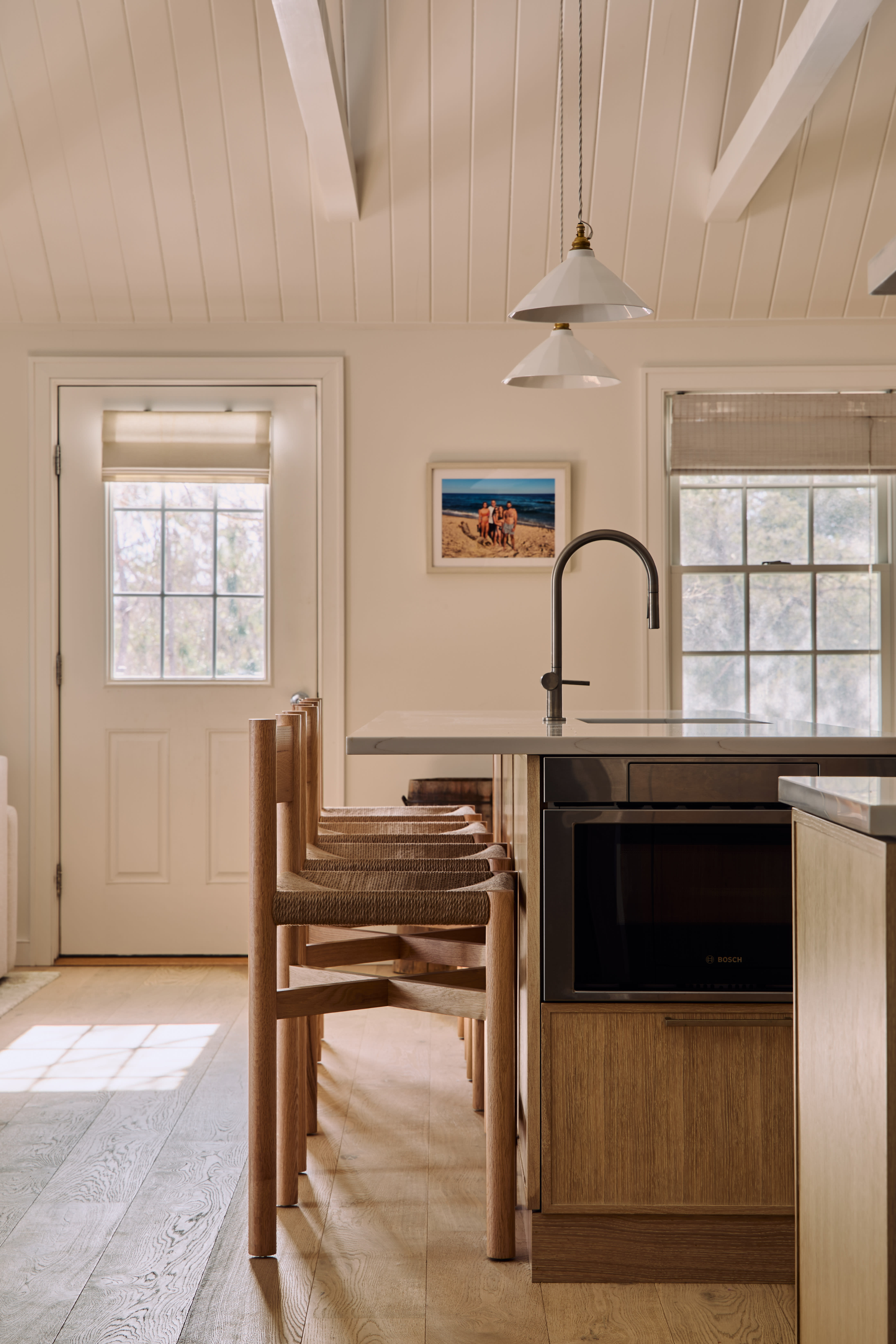
Blonde floors reflect natural light more readily than mid-tone or dark woods, which makes rooms feel larger, brighter, and more open. In smaller spaces, this effect can dramatically improve how the room is experienced. In larger spaces, blonde hardwood reinforces the sense of architectural calm that modern open-plan layouts depend on. For homes with limited natural light, blonde floors are often the single most effective way to lift the entire interior.
A Neutral Foundation for Layered Design
Designers consistently reach for neutral foundations because they leave room for the rest of the interior to do its work. Blonde hardwood floors provide that neutrality without feeling cold or impersonal. The natural warmth of the wood softens the room, while the pale tone keeps the floor quiet enough to let furniture, textiles, and joinery take the lead. This balance between presence and restraint is exactly what makes blonde flooring so valuable in considered residential and commercial design.
A Connection to Scandinavian and Japandi Design
Much of the recent popularity of blonde hardwood floors traces back to the global influence of Scandinavian and Japandi design. Both movements prioritize natural materials, calm palettes, and a sense of clean simplicity, and pale wood floors are central to that aesthetic. As these design directions have moved from niche interest to mainstream luxury, blonde hardwood has become a default specification rather than an unconventional choice.
The Different Shades of Blonde Hardwood Floors
Blonde is not a single color. The category spans several distinct shades, each with its own character and design implications.
Pale and Bleached Blonde
At the lightest end of the spectrum sit pale, almost bleached blonde hardwood floors. These shades lean toward off-white and cream and deliver maximum brightness in a room. They suit coastal homes, contemporary apartments, and any space that prioritizes a fresh, airy feel. The natural grain of the wood still reads clearly, but the overall impression is soft and luminous.
How Blonde Hardwood Floors Influence a Room
The visual and emotional impact of a blonde floor goes beyond simple color choice. The way a floor sets the tone of a space is one of the strongest arguments for specifying blonde carefully.
Brightening Without Overpowering
Blonde hardwood floors brighten a room without competing with the rest of the design. They reflect natural light, soften corners, and reduce the visual weight that darker floors can introduce. This makes them particularly effective in north-facing rooms, smaller spaces, and homes where the goal is to maximize the sense of light throughout the day.
Creating a Sense of Calm
Pale wood floors carry a quiet, settled quality that contributes to interiors that feel calm and considered. In bedrooms, primary suites, and personal spaces, blonde flooring helps build the kind of restful atmosphere that defines luxury residential design today. In commercial settings, the same calmness translates into spaces that feel welcoming without being loud.
Working With Strong Furniture and Art
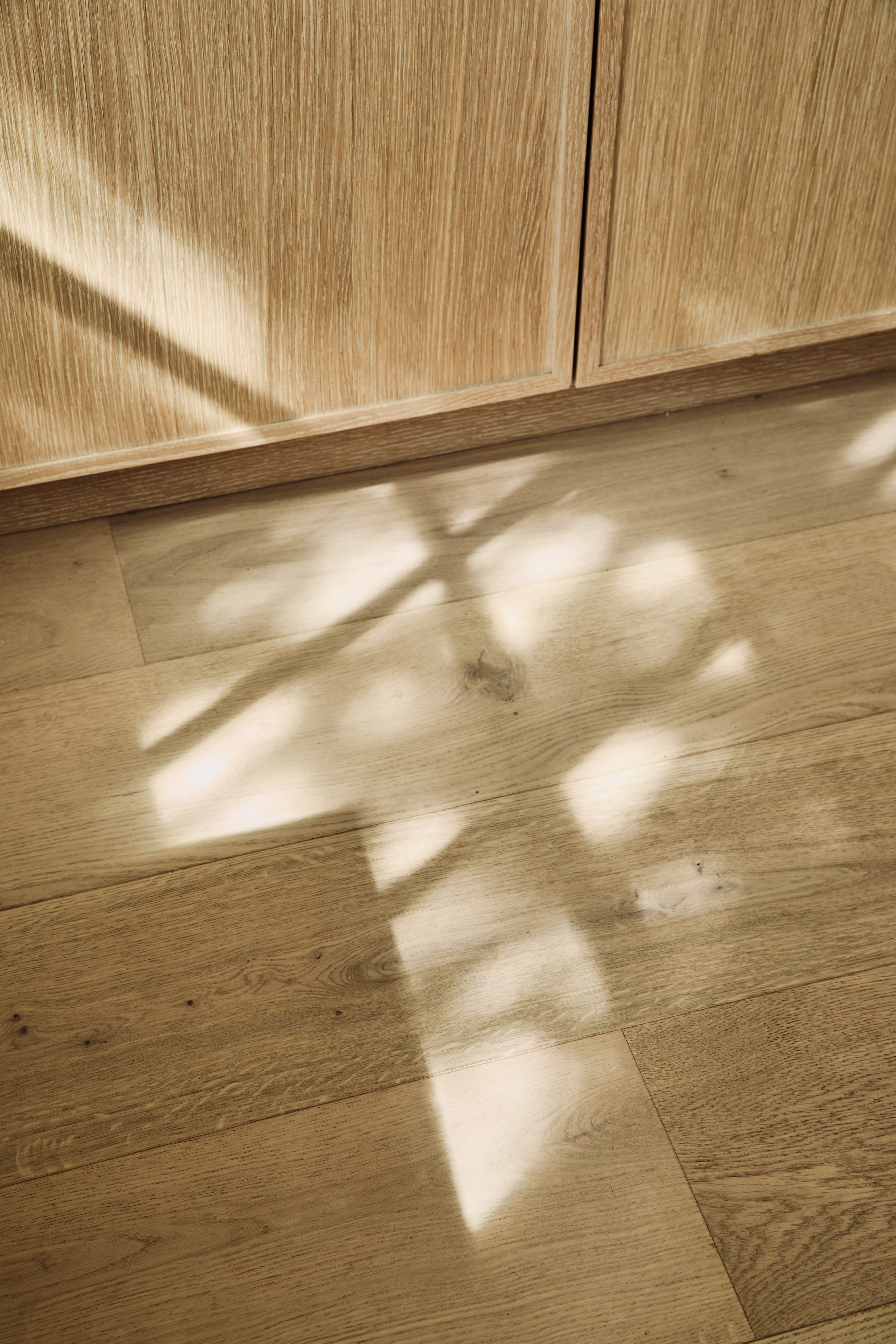
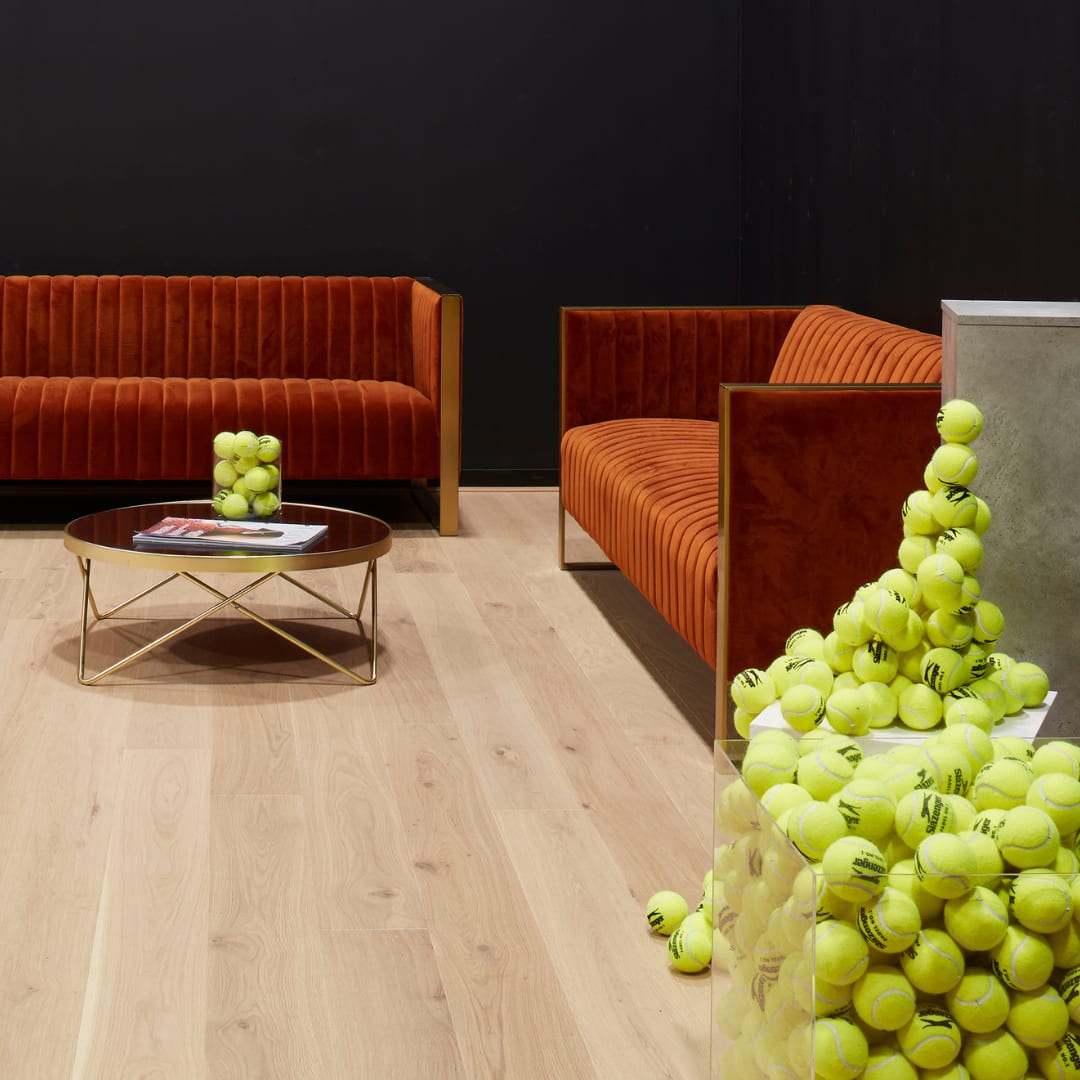
Because blonde hardwood floors stay quiet underfoot, they allow statement furniture, bold art, and rich textiles to stand out more clearly than they would against a darker floor. Designers who work with strong, characterful pieces often choose blonde floors precisely because they let the rest of the room do the talking.
Specifying Blonde Hardwood Floors for Real Projects
Choosing the right blonde is less about color preference and more about how the floor will work in the specific space and within the broader design.
Species and Construction
European Oak is the dominant species for blonde hardwood floors because its grain accepts pale finishes beautifully and its natural color sits comfortably within the blonde range. Ash is another strong choice, particularly for projects that want a slightly cooler, finer-grained appearance. Most contemporary blonde flooring is produced in engineered construction, with a real hardwood wear layer bonded to a stable multi-layer core. This format handles humidity, temperature changes, and underfloor heating far better than solid wood, making it the default for modern homes and commercial projects.
Surface Texture and Finish
The surface texture of a blonde floor has a major impact on how the color reads. Brushed surfaces emphasize the natural grain and add subtle depth to the pale tone. Smooth finishes feel cleaner and more contemporary. Sawn and lightly scraped surfaces lean toward the rustic, which can work well in country homes and design-led commercial spaces. The finish layer also matters. Matte oils and lacquers preserve the natural look of blonde wood, while glossier finishes tend to flatten the tonal subtlety that makes the category so appealing.
Plank Size and Format
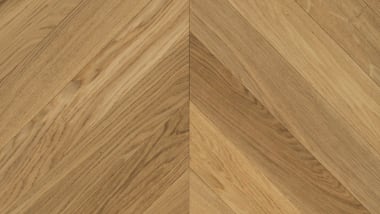
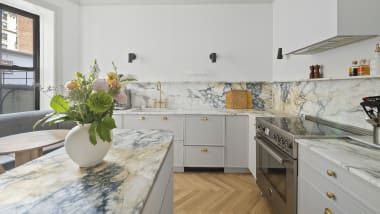
Wider and longer planks have become the default in luxury blonde hardwood specifications because they emphasize the calm, contemporary character of the color. Tight strip layouts in blonde can feel busy and dated, while wide plank installations allow the natural beauty of the grain and tone to be fully appreciated. Patterns such as herringbone and chevron also work beautifully in blonde, particularly in homes where the floor is meant to be a primary architectural feature.
Pairing Blonde Hardwood Floors With Wider Design
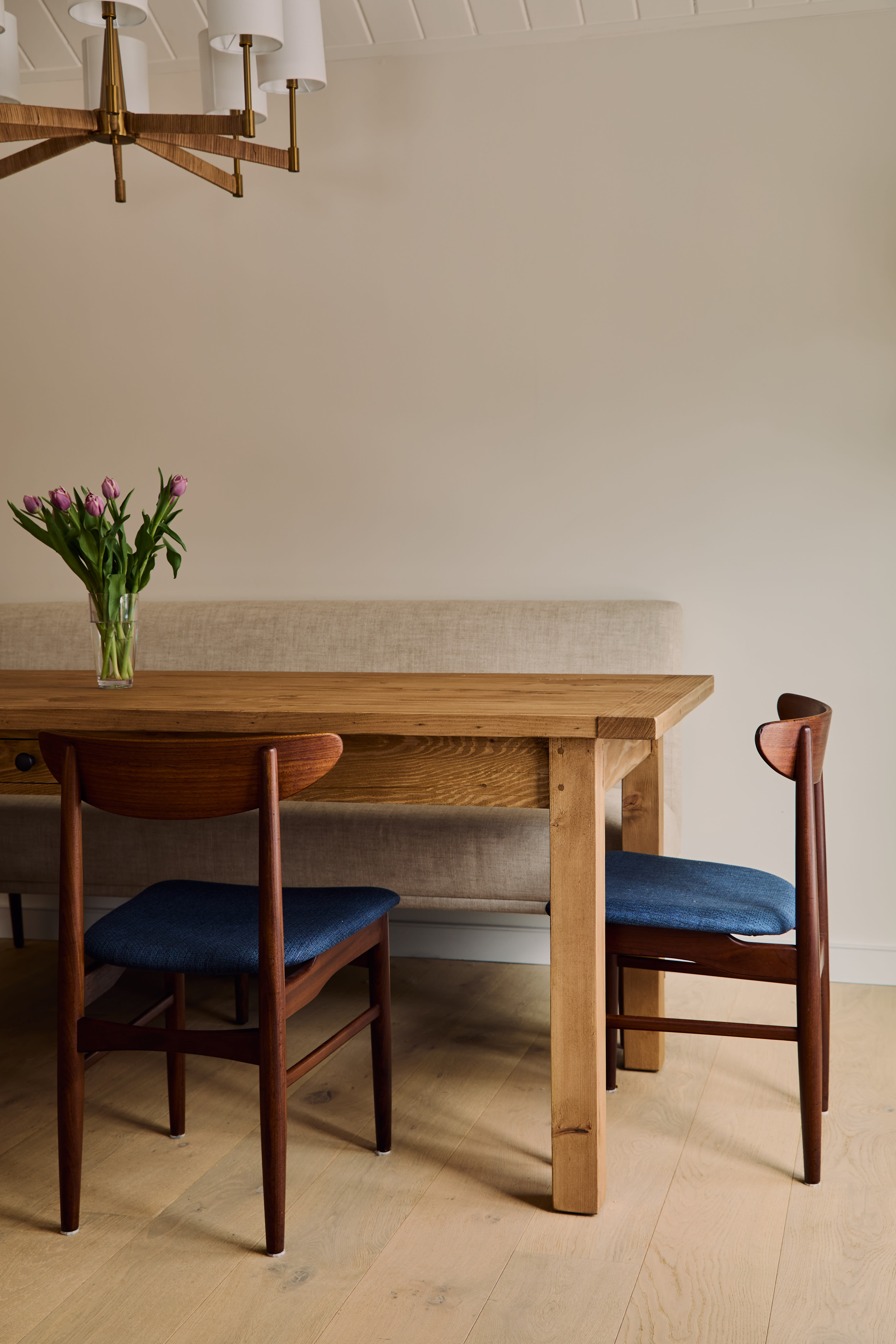
The most successful blonde installations come from treating the floor as part of a complete material story. Pale blonde hardwood floors pair naturally with white and off-white walls, plaster finishes, and pale limestone for a clean, light-filled feel. They also work beautifully alongside richer materials such as walnut joinery, brass fittings, and natural leather, where the contrast between pale floor and warmer accents builds depth without weight.
In textiles, blonde floors flatter linen, wool, and natural fibers, while in art and accessories they let bolder colors and shapes stand out clearly. Plant life, in particular, reads beautifully against blonde flooring, which is part of why the category has become so closely associated with the biophilic direction in contemporary interior design.
Where Blonde Hardwood Floors Make the Strongest Impact
Blonde is versatile enough to work almost anywhere, but it performs at its best in certain settings.
Open-Plan Living Areas
Open-plan living, dining, and kitchen areas benefit enormously from the brightness and neutrality of blonde hardwood floors. The color unifies the space, reduces visual clutter, and allows the rest of the design to take center stage. In homes with abundant natural light, the way blonde floors shift subtly through the day adds a quiet layer of interest that mid-tone woods often lack.
Bedrooms and Primary Suites
Blonde floors suit bedrooms and primary suites particularly well. The pale color contributes to a calm, restful atmosphere and pairs naturally with soft textiles, neutral palettes, and considered lighting schemes. In children's rooms and guest spaces, the brightness of blonde flooring also helps the room feel welcoming and easy to live with.
Hospitality, Retail, and Workplace Interiors
In commercial design, blonde hardwood floors deliver atmosphere and identity without dominating the space. Boutique hotels use blonde flooring to create the considered, residential feel that distinguishes premium hospitality. Retail spaces use blonde floors to elevate merchandise presentation in clean, light-filled settings. Workplaces draw on the calming influence of pale wood to create environments that feel professional and welcoming at the same time.
Caring for Blonde Hardwood Floors
Blonde flooring rewards regular, gentle care with a long, beautiful lifespan. Routine sweeping or vacuuming with a hard-floor setting removes the grit that causes most scratches. A barely damp microfiber mop with a manufacturer-approved wood floor cleaner handles deeper cleaning without exposing the boards to standing water. Avoid wet mopping, steam cleaners, and harsh chemicals, all of which can damage the finish and the wood beneath.
One practical note for blonde floors is that they tend to show debris more clearly than darker tones, which actually encourages better daily care and helps the floor stay in better condition over time. With routine attention, blonde hardwood floors continue to look fresh and considered for decades.
The Lasting Value of Blonde Hardwood Floors
Blonde hardwood floors continue to lead contemporary luxury design because they deliver on every front a modern interior demands. They brighten rooms, support layered design, pair beautifully with the materials defining current architecture and interiors, and adapt across style directions with ease. Most importantly, they age gracefully and continue to feel relevant year after year, which makes them a sound long-term investment as well as a strong design choice.
For homeowners and designers looking for a flooring direction that combines lightness, warmth, and lasting design impact, blonde hardwood floors remain one of the most reliable answers available. The breadth of options now available means there is a shade and finish to suit almost any project, and the design impact of the right blonde floor rarely disappoints.

