














Brown Wood Floors: How to Choose the Right Tone for Your Space
Brown wood floors remain the most widely specified flooring color in the world, and for good reason. The category covers everything from pale honey oak to deep espresso walnut, with countless shades in between, each capable of transforming the feel of a room. Choosing the right brown is one of the most consequential design decisions in any interior, and getting it right means understanding how tone, light, and material context work together. This guide walks through how to choose brown wood floors that suit your space, your style, and the way you actually live.
Why Brown Wood Floors Remain a Designer Staple
Despite the rise of grey, black, and bleached wood finishes in recent years, brown wood floors continue to lead luxury residential and commercial flooring specifications. Their lasting appeal comes from a combination of natural warmth, design flexibility, and proven performance.
The Natural Warmth of Brown
Brown is the color most associated with wood itself. It carries inherent warmth that cool tones cannot replicate, and that warmth has a measurable effect on how a room feels. Walking into a space with rich brown wood floors produces a sense of comfort and grounding that pale or grey floors rarely match. For homeowners building interiors that need to feel welcoming and lived-in, brown remains the default for good reason.
A Color That Spans Every Style
One of the strongest arguments for brown wood floors is how well they translate across design styles. Pale honey browns suit Scandinavian, coastal, and minimalist interiors. Mid-tone browns work in transitional homes that blend traditional and contemporary elements. Deep, rich browns anchor classic, traditional, and dramatic modern spaces alike. Few flooring colors offer this kind of range, and that flexibility is part of why brown continues to dominate luxury specifications.
Lasting Value and Resale Appeal
Brown wood floors hold their value over time both visually and financially. Real estate professionals consistently rank quality hardwood floors among the most desirable features for buyers, and brown remains the tone buyers most readily associate with premium homes. Where bolder color directions can date as design trends shift, brown wood floors tend to remain compelling across decades.

Understanding the Spectrum of Brown Wood Floors
Brown is not a single color. It is a broad family of tones, each with its own character and its own design implications.
Pale and Honey Browns
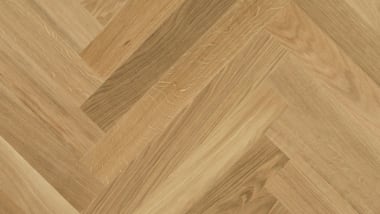
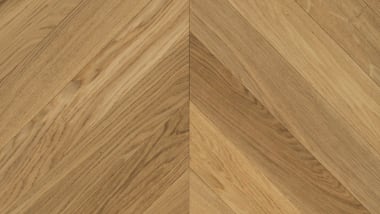
At the lightest end of the spectrum sit pale and honey-toned brown wood floors. These shades retain visible natural grain and carry a soft, warm character that suits bright, open interiors. Honey browns work beautifully in coastal homes, contemporary apartments, and any space that prioritizes natural light. Within the Havwoods color groups, Blonde and Honey ranges represent this end of the brown spectrum, often produced in European Oak for its even grain and warm undertone.
Mid-Tone and Auburn Browns
Mid-tone browns sit at the heart of the category. These are the shades most people picture when they think of classic hardwood floors. Auburn and richer caramel tones bring real warmth to a room without becoming dark. They pair beautifully with traditional architecture, transitional interiors, and warm-toned material palettes built around plaster, linen, and natural stone. The Havwoods Auburn color group captures much of this territory, with oak finishes that develop genuine character over time.

Deep, Rich, and Dark Browns
The deepest browns lean toward espresso, chocolate, and near-black tones. These shades deliver real visual drama and tend to appear in moody, design-led interiors, formal traditional homes, and luxury hospitality projects. Brown wood floors in this range work particularly well in rooms with abundant natural light, where the depth of the color can be appreciated without making the space feel heavy. Cocoa and Brunette ranges represent this part of the spectrum, often produced in European Oak or American Black Walnut.
How to Choose the Right Brown for Your Space
Once you understand the spectrum, the question becomes how to choose the brown that suits your specific project. A few practical considerations make the decision much clearer.
Consider the Natural Light
The amount of natural light in a room has a major impact on how brown wood floors read. Rooms with abundant natural light can carry darker browns without feeling closed in, while rooms with less natural light tend to feel more open with pale or mid-tone browns. Brown wood floors also shift subtly across the day as the light changes, picking up warmer tones in the morning and cooler tones in the evening. Visiting samples in the actual space, at different times of day, is one of the most reliable ways to test a color before committing.
Match the Brown to the Architecture
The architecture of the home should guide the brown you choose. Traditional architecture with detailed mouldings, fireplaces, and formal proportions often suits richer, mid-tone or deep brown wood floors. Contemporary architecture with clean lines, open layouts, and minimal joinery typically works best with paler or more neutral browns. Heritage homes and country properties tend to benefit from warmer, more characterful brown floors that complement aged materials and traditional details.

Coordinate With the Wider Material Palette
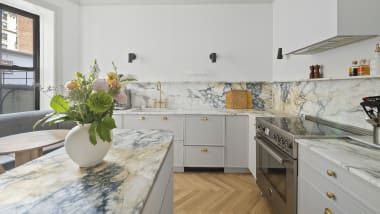
Brown wood floors interact with every other material in the room. Marble and limestone with warm undertones coordinate naturally with mid-tone and deeper browns. Cooler stones such as quartzite or pale grey marble pair more comfortably with paler brown floors. Brass, bronze, and aged metals enhance the warmth of brown wood, while chrome and stainless steel sit more comfortably with cooler-toned browns. Choosing the brown that works with your wider palette is often more important than choosing the brown you would pick in isolation.
Think About Furniture and Joinery
If the home includes significant amounts of wood furniture or joinery, the floor needs to coordinate with those pieces. Matching the tones exactly is rarely the goal. Designers more often aim for clear contrast or clear harmony, with the floor either sitting noticeably lighter or darker than the wood above it. This approach gives each material its own presence and avoids the muddled feel that comes from competing wood tones that almost match but not quite.
Species and Construction Choices
The right brown is only part of the decision. Species and construction also shape how the floor performs and ages.
European Oak
European Oak dominates the market for brown wood floors because of its versatility. Its fine, even grain accepts a wide range of stains and finishes, which means oak can deliver almost any brown tone from the palest honey to the deepest chocolate. Oak also performs well in engineered formats, handles refinishing well, and ages gracefully across decades of use. The Havwoods Handgrade Premier, Colossal, Venture Plank, Pureplank, and Italian Collection ranges all include oak options across the full brown spectrum.
American Black Walnut
For projects where the brown needs to be naturally rich and deep, American Black Walnut is the leading species. Walnut delivers a darker, more chocolate-toned brown without the need for heavy staining, and the natural color variation in the boards creates beautifully layered floors. Walnut suits formal traditional homes, luxury hospitality spaces, and dramatic contemporary interiors equally well.
Engineered Construction
Most contemporary brown wood floors are produced in engineered construction, with a real hardwood wear layer bonded to a stable multi-layer core. This format handles humidity, temperature changes, and underfloor heating far better than solid wood, which makes it the default specification for modern homes and commercial projects. A quality engineered floor with a thick wear layer can still be sanded and refinished if needed, giving you long-term flexibility.
Texture, Finish, and Grade
Tone is only one variable in choosing brown wood floors. The surface treatment shapes how the floor actually looks in the room.
Surface Texture
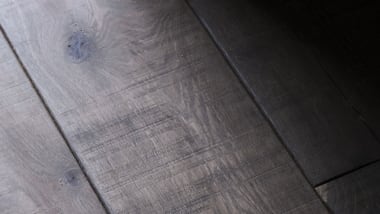
Brushed surfaces emphasize the natural grain and add subtle depth to brown wood floors. Smooth finishes feel cleaner and more contemporary. Sawn and lightly scraped surfaces deliver more rustic character, suiting heritage and design-led commercial spaces. The right texture depends on the design intent and the level of practical performance the room demands.
.jpg?_a=ATAK9AA0)
Finish Type
Matte and oiled finishes feel natural and soft and tend to flatter the warmth of brown wood. Satin and matte lacquered finishes offer slightly more durability while preserving a natural appearance. Higher-gloss finishes can flatten the depth of brown floors visually and are generally less popular in contemporary luxury design.
Grade and Character
Prime grade boards show a cleaner, more consistent appearance with minimal knots and color variation, which suits refined and contemporary interiors. Character grade boards celebrate the natural imperfections of the wood, with more visible knots, mineral streaks, and color variation that bring real personality to brown floors. The grade you choose should match the overall character of the project.
Where Brown Wood Floors Make the Strongest Impact
Brown is so versatile that it works almost anywhere, but it performs at its best in certain settings.

Living and Dining Spaces
Primary living and dining rooms are the natural home for brown wood floors. The warmth of the color anchors furniture arrangements, complements rich textiles, and creates the kind of welcoming atmosphere that defines residential luxury. Continuous brown flooring across open-plan living areas reinforces the sense of flow and architectural cohesion that modern homes rely on.
Bedrooms and Personal Spaces
Brown wood floors in bedrooms produce the kind of warm, restful atmosphere that few other materials can match. The color works particularly well in primary suites, where the goal is to create a private retreat that feels both comfortable and considered.
Heritage and Traditional Interiors
For heritage homes, period properties, and traditional interiors, brown wood floors remain the natural choice. Deeper browns in particular suit formal dining rooms, libraries, and entry halls, where the richness of the color complements detailed architecture and traditional joinery.
Hospitality and Commercial Spaces
In hotels, restaurants, and retail showrooms, brown wood floors deliver warmth and identity that other materials struggle to match. Boutique hotels use brown flooring to create the considered, residential feel that distinguishes premium hospitality from generic. Restaurants choose brown floors to add atmosphere and character, while retail spaces use brown to elevate merchandise presentation in warm, inviting settings.
The Lasting Value of Brown Wood Floors
Brown wood floors continue to lead luxury flooring specifications because they deliver on every front a modern interior demands. They bring warmth, character, and design flexibility. They pair beautifully with the full range of materials that define contemporary and traditional design. They hold their value over time, both as a design choice and as a property investment. And they age gracefully, deepening in character rather than dating quickly.
For homeowners and designers looking for a flooring direction that delivers on beauty, performance, and longevity, brown wood floors remain the most reliable answer available. The spectrum is broad enough to suit almost any project, and the design impact of the right brown rarely disappoints.


