
















Designing a Wood Accent Wall? Here’s What Every Living Room Needs
7 Nov 2025
In interior design, few elements offer the warmth, texture, and character of a beautifully crafted wood accent wall. Especially in the living room, where family gathers and memories are made, a wood accent wall can instantly elevate the space. It creates a focal point that feels natural and welcoming while offering timeless appeal. Whether your goal is cozy and rustic or clean and modern, this design feature brings out the best in any living room.
This guide explores everything you need to know to bring a wood accent wall into your living room successfully. From choosing the right wood tone and finish to enhancing your design with lighting and decor, we’ll walk you through the process to help create a cohesive and visually compelling space.
Why Every Living Room Deserves a Wood Accent Wall
The living room sets the tone for your home. It’s often the first space guests experience and where most daily living unfolds. A wood accent wall adds visual depth and texture in a way that paint and wallpaper can’t match. It introduces a natural, organic element that interacts with light, enhances acoustics, and softens more modern or minimalist design styles.
Engineered wood solutions in particular provide exceptional durability and aesthetic flexibility. They make it easy to incorporate the authentic beauty of wood into vertical applications, all while offering reliable performance over time.
Choosing the Right Wood for a Living Room Accent Wall
Selecting the ideal wood involves more than just picking your favorite shade. The tone, finish, and grade of the wood all contribute to the overall mood and functionality of your living room.
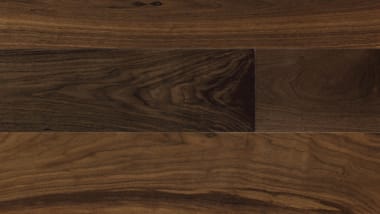
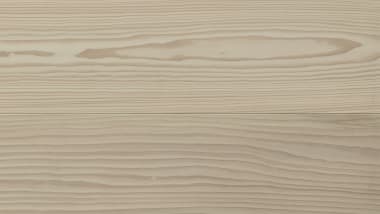
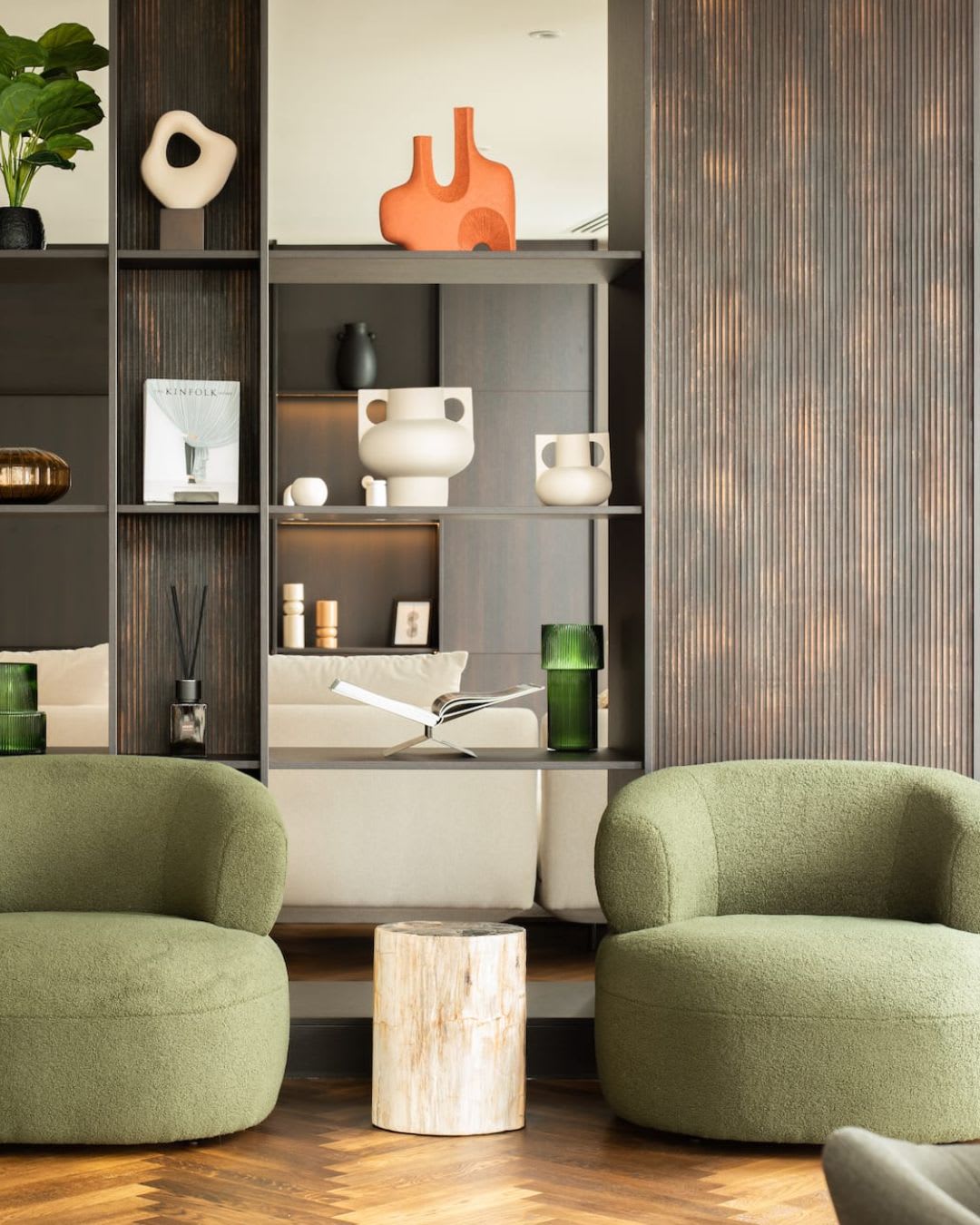
When it comes to tone, lighter woods offer a sense of spaciousness and airiness, making them ideal for smaller or modern interiors. They reflect natural light beautifully and create a clean, open feel. Medium wood tones, with their honey and golden hues, bring warmth and coziness that works well in transitional or farmhouse-inspired designs. Darker woods, on the other hand, add depth and contrast, especially in contemporary or industrial-style rooms. They can help anchor a space and give it a sense of richness and drama.
Finishes play a key role in how the wood looks and performs. A UV oiled finish enhances the grain and texture of the wood while allowing for easier touch-ups. A matt lacquered finish offers a soft sheen that adds refinement without glare. Both finishes are low maintenance and designed to maintain the natural look of wood while offering everyday durability.
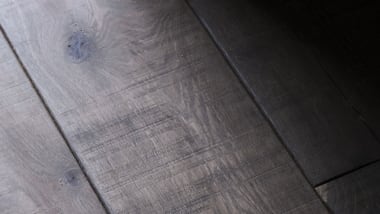
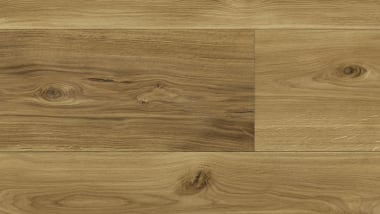
Wood grading is another important factor. Prime grade wood delivers a uniform appearance with fewer knots, perfect for sleek and modern interiors. Character grade wood celebrates natural imperfections such as knots, streaks, and variations in grain, making it a great fit for rustic or eclectic living rooms. The choice between the two depends on the mood you want to create and how much visual texture you prefer in your design.
Direction and Pattern: How to Lay Out Your Wood Panels
The layout of your wood accent wall can dramatically affect the visual balance of your living room. Vertical panels can make ceilings appear taller and create a sense of structure. This approach works well in living rooms with lower ceilings or narrow proportions. Horizontal planks, by contrast, can make a room feel wider and more expansive, ideal for open-concept spaces or long walls.
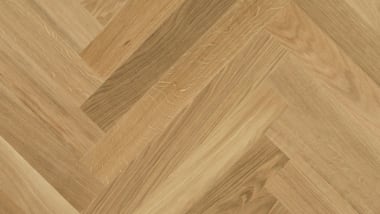
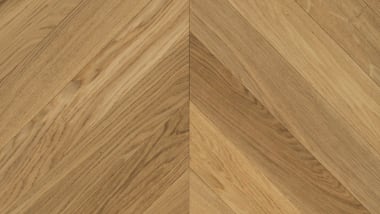
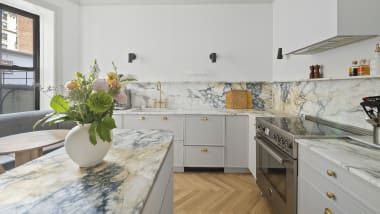
For those wanting to add a bold design element, patterns such as herringbone or chevron can bring movement and sophistication to the wall. These patterns lend a custom, design-forward feel that complements both classic and modern interiors. Regardless of layout, engineered wood planks offer excellent stability and make installation straightforward, especially when applied to vertical surfaces.
Lighting: The Secret to Highlighting Wood’s Beauty
Lighting is a key component of a successful wood accent wall. The natural tones and textures of wood respond beautifully to changes in light throughout the day. During daylight hours, sunlight will highlight the organic grain of the wood, creating soft shadows and movement across the surface.
In the evening, consider installing ambient or accent lighting to bring out the texture and tone of the wall. Wall sconces, LED strips, or overhead spotlights can enhance the wall’s features without overwhelming the space. Choose warm lighting to amplify the richness of the wood and avoid cool-toned bulbs that can make the wall feel flat or artificial.
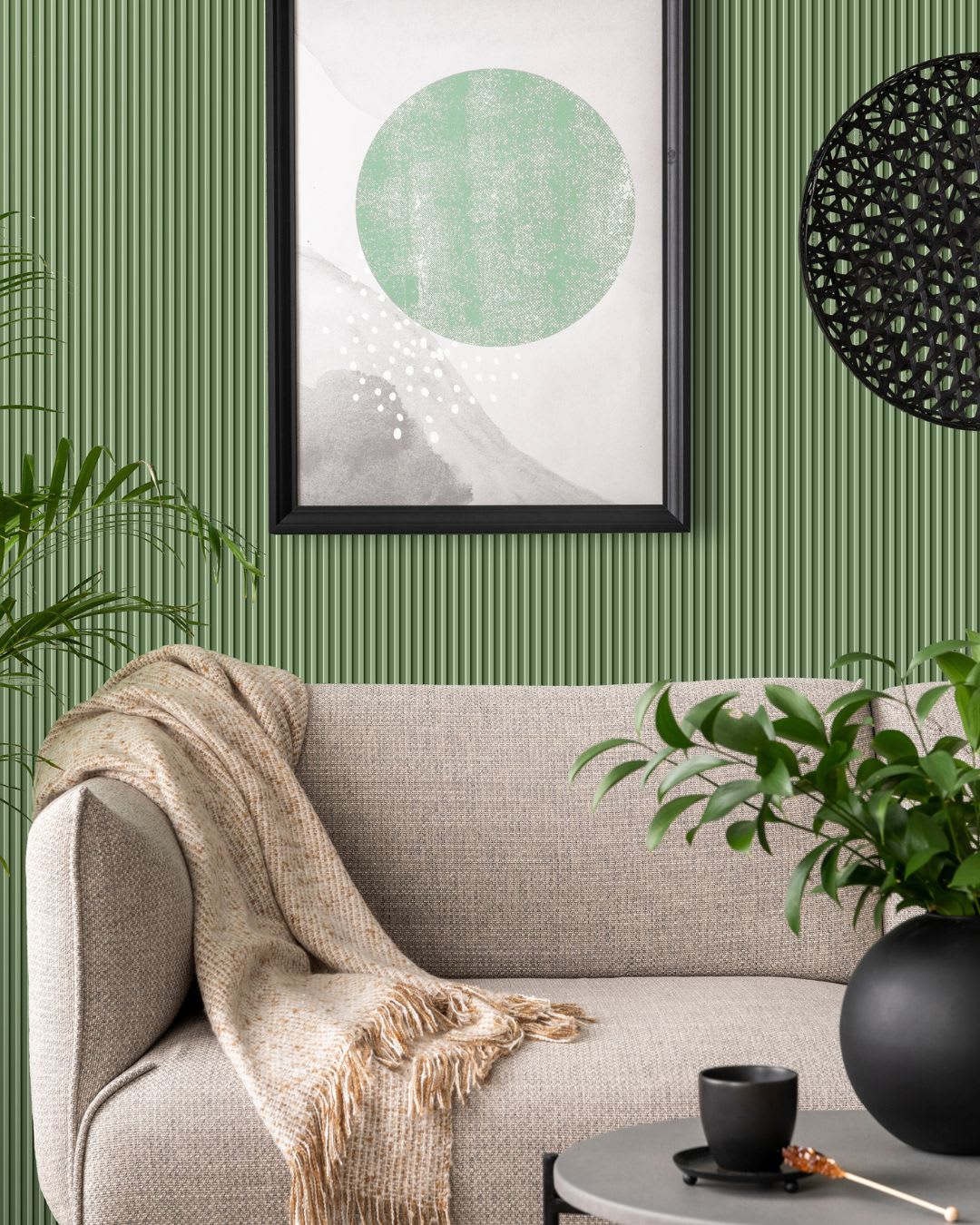
Styling Your Living Room Around the Accent Wall
Once your wood accent wall is installed, the rest of the room should complement its warmth and texture. Think of the wall as the centerpiece and build around it with balance and cohesion.
Keep your furniture in a neutral color palette to allow the wood to stand out. Soft grays, off-whites, and beiges work well, especially in sofas and larger pieces. Introduce texture through natural fabrics like linen, wool, or cotton for added depth without visual clutter.
Metallic accents can create a beautiful contrast with the wood. Use fixtures, hardware, or decor in matte black, brass, or bronze to add a subtle sense of polish and structure. These finishes work especially well with wood, adding dimension and balance.
To reinforce the natural theme, bring in layered organic elements. Houseplants, woven baskets, leather poufs, or ceramic decor items can all help ground the design and tie together the various elements of your living room. The key is to layer thoughtfully without over-accessorizing.
What to Know Before Installation
Installing a wood accent wall in your living room doesn’t need to be complicated, but preparation is essential. Make sure the wall surface is clean, level, and dry before starting. Most engineered wood panels can be installed using adhesive, nails, or a batten system, depending on the wall type and manufacturer’s instructions.
It’s also important to acclimate the wood to the room’s temperature and humidity for at least 48 hours before installation. This allows the material to adjust naturally and reduces the risk of expansion or contraction after it’s installed.
Once installed, maintenance is minimal. Simply wipe the wall with a damp, soft cloth to remove dust. Avoid harsh chemical cleaners and instead opt for wood-safe products. The protective finish applied during manufacturing will help preserve the wood’s look for years.
Why Quality Matters
wood accent walls are an investment in both style and longevity. That’s why using engineered wood from a reputable supplier is crucial. High-performance engineered boards are designed to withstand everyday conditions while maintaining their visual integrity. They're also dimensionally stable, which is especially important for vertical installations where shifting or warping can affect the finished look.
In addition to aesthetics and performance, sustainability is also a key consideration. When you choose responsibly sourced wood products, you contribute to a more environmentally conscious design approach without compromising on style.
Try Before You Commit
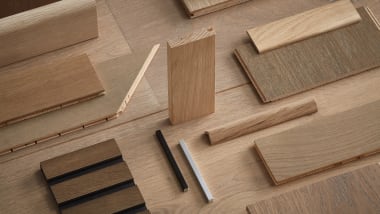
Seeing the wood in your own space makes a big difference when choosing a finish and tone. Requesting samples lets you evaluate how each option looks under your lighting conditions and alongside your existing furniture. Testing multiple finishes side by side will give you the confidence to move forward with a wood accent wall that aligns perfectly with your vision.
Final Thoughts
A wood accent wall in the living room offers more than just visual appeal. It brings a natural, calming presence to your space and serves as a beautiful focal point that ties the room together. By selecting the right tone, layout, lighting, and decor, you can create a space that feels elevated yet comfortable, timeless yet personal.
Whether your style is modern, transitional, rustic, or somewhere in between, a well-executed wood accent wall will enhance the character of your living room for years to come. Start your design journey with samples, thoughtful planning, and materials that perform as beautifully as they look.