














Different Styles of Wall Paneling and How to Use Them in Modern Interiors
23 Jan 2026
Wall design has moved far beyond plain painted drywall. Today, Different Styles of Wall Paneling allow you to add depth, texture, and warmth while keeping your interiors clean and contemporary. When used thoughtfully, wall paneling becomes part of the architecture rather than decoration, helping you shape spaces that feel intentional and refined.
Modern interiors thrive on balance. You want rooms that feel minimal but not cold, layered but not busy. Wall paneling helps you strike that balance by adding visual interest without relying on excess furniture or ornamentation. Whether you are designing a single feature wall or wrapping an entire room, choosing the right paneling style can transform how your space looks and feels.
Why Wall Paneling Works in Modern Interiors
Wall paneling works so well in modern interiors because it introduces texture without clutter. Instead of relying on artwork or accessories, the wall itself becomes a design element. This is especially effective in open plan homes, where subtle architectural details help define zones without breaking visual flow.
Another advantage of Different Styles of Wall Paneling is flexibility. You can use paneling to frame a living area, anchor a bedroom, improve acoustics, or conceal practical elements such as storage or wiring. When paired with high quality wood finishes, paneling adds warmth and material integrity that complements modern design principles.
Vertical Slat Wall Paneling
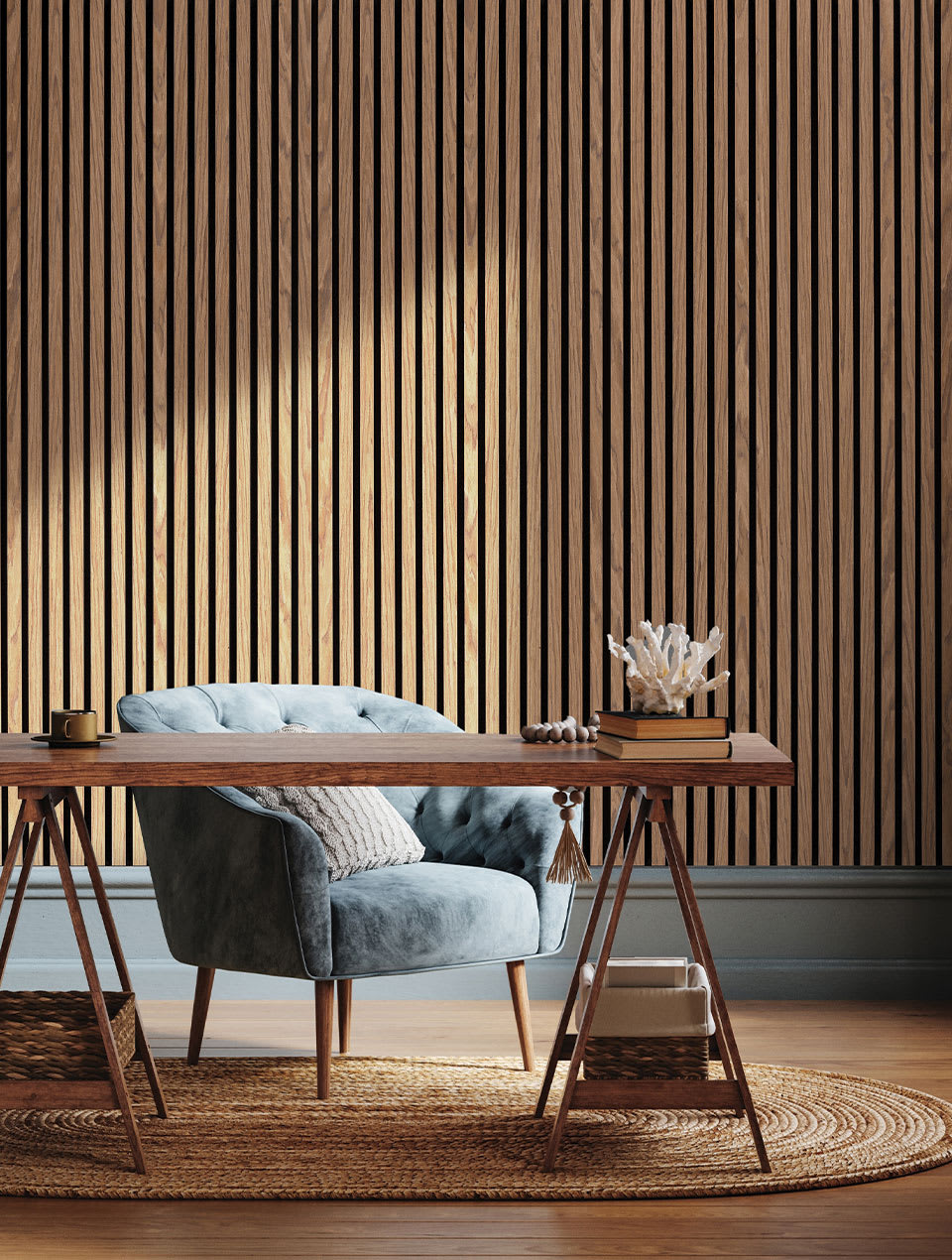
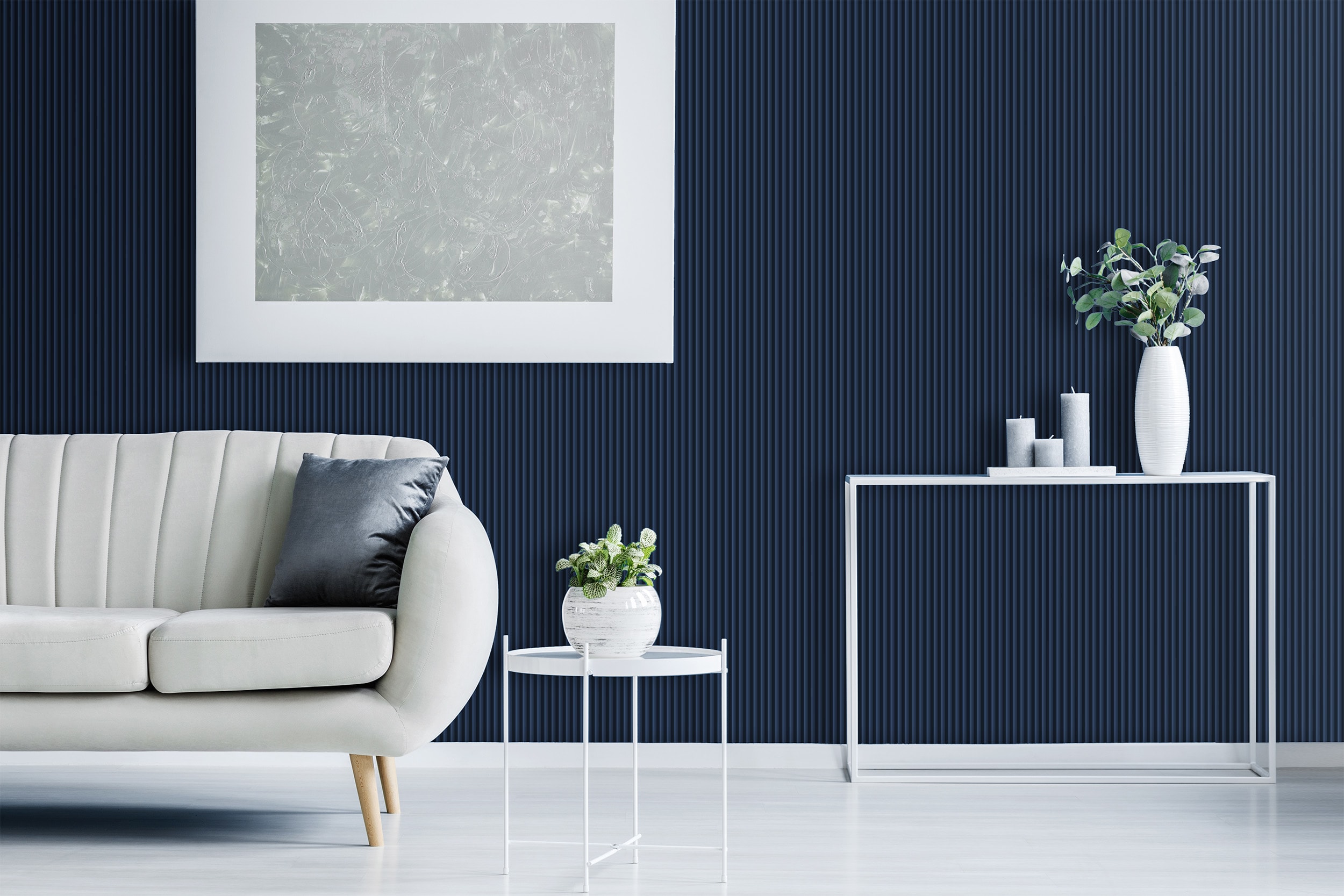
Vertical slat paneling has become one of the most popular Different Styles of Wall Paneling in modern interiors, and for good reason. Clean lines and consistent spacing create rhythm and structure, while vertical orientation emphasizes ceiling height.
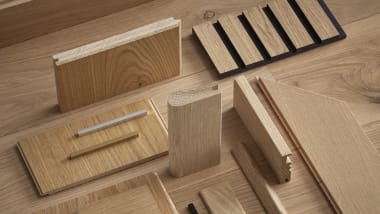
You can use slat paneling behind a sofa, along a stair wall, or as a headboard feature in a bedroom. The gaps between slats introduce shadow and depth, giving walls dimension without visual noise. Slat walls also help absorb sound, making them particularly useful in open plan living areas or media rooms.
If you want to enhance the effect, integrated lighting works beautifully with vertical slats. Soft, indirect light highlights the texture and creates a warm, inviting atmosphere.
Flat Panel Walling
If you prefer subtlety, flat panel walling is one of the most understated Different Styles of Wall Paneling available. With smooth surfaces and minimal detailing, flat panels blend seamlessly into modern interiors while still adding structure and depth.
Flat paneling works especially well in dining rooms, home offices, and hallways where clean lines are essential. When finished in wood veneer, it introduces warmth without disrupting a minimalist aesthetic. You can also use flat panels to create large-scale wall sections that feel architectural rather than decorative.
This style allows you to maintain visual calm while still benefiting from the tactile quality of paneling.
Geometric and Patterned Paneling
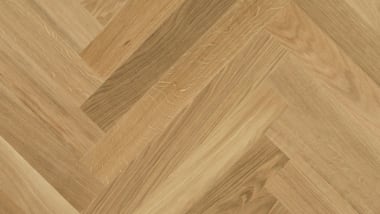
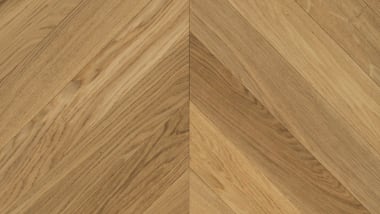
Geometric paneling is one of the most expressive different styles of wall paneling, delivering strong visual impact and architectural depth. Patterns such as chevrons, grids, and custom layouts transform walls into focal points. Many flooring products can also be installed on walls, making them a practical option for creating geometric wall paneling with consistent material flow throughout a space.
Geometric paneling works best when used with intention. A single feature wall in a dining room or home office adds character without overwhelming the room. Using wood flooring products on walls helps anchor bold patterns with natural texture, keeping the design balanced and visually timeless.
In many interiors, patterned wall paneling removes the need for artwork. The wall itself becomes the defining design element.
How to Choose the Right Wall Paneling Style
Choosing between Different Styles of Wall Paneling starts with understanding your space and how you want it to feel. The scale of the room plays a major role, as larger panels and vertical lines suit open areas, while finer detailing works better in smaller rooms.
Light is another important consideration. Natural and artificial lighting interact with paneling to create shadow and depth, so you should think about how the wall will look throughout the day. Paneling can either blend into the background or act as a focal point, depending on finish and layout.
You will also want to ensure your paneling complements existing flooring, cabinetry, and furniture. Cohesion is what makes wall paneling feel architectural rather than applied. Prioritizing quality materials and craftsmanship ensures your paneling performs well and ages beautifully.
Using Wall Paneling Across Different Rooms
One of the strengths of Different Styles of Wall Paneling is how easily they adapt across the home. In living rooms, paneling adds warmth and visual structure, especially in open layouts. In bedrooms, it creates a sense of enclosure and calm, particularly when used behind the bed.
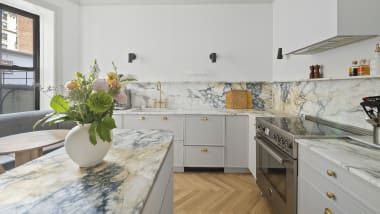
Kitchens and dining spaces benefit from the contrast paneling provides against harder surfaces such as stone or metal. Bathrooms can also incorporate paneling successfully, as long as moisture appropriate materials and finishes are selected.
Maintaining consistency in tone or material across spaces helps your home feel connected, even when paneling styles vary slightly from room to room.
Why Wood Paneling Continues to Define Modern Interiors
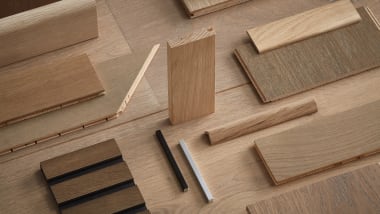
Among Different Styles of Wall Paneling, wood remains the most versatile and enduring choice. Natural grain variation adds authenticity, while engineered wood solutions provide stability and durability suited to modern living.
Wood paneling brings warmth to minimalist interiors and complements a wide range of design styles, from contemporary to transitional. When thoughtfully designed and professionally installed, it becomes a long term feature that enhances both aesthetics and performance.
Final Thoughts on Different Styles of Wall Paneling
Modern interiors rely on thoughtful detail, and wall paneling offers one of the most effective ways to add depth, texture, and architectural interest. By understanding Different Styles of Wall Paneling and how they function within contemporary spaces, you can make confident design decisions that elevate your home.
Whether you gravitate toward clean flat panels, vertical slats, or refined interpretations of classic styles, wall paneling allows you to shape spaces that feel cohesive, modern, and enduring.

