














Exploring Art Deco Flooring Texture Through Parquet and Geometric Patterns
24 Mar 2026
Art deco flooring texture is experiencing a resurgence in interior design. As homeowners and designers search for ways to create spaces that feel distinctive and architectural, flooring has become a powerful design feature rather than simply a backdrop. The right parquet layout, timber tone, and finish can transform the floor into the defining visual element of an entire room.
Art deco flooring texture is rooted in geometry, symmetry, and a sense of luxury through structure rather than ornament. Inspired by the bold design language of the 1920s and 1930s, Art Deco interiors embrace repeating shapes, directional lines, and carefully balanced contrasts. When these principles are applied to wood flooring, they create surfaces that feel dynamic, sophisticated, and visually layered.
Parquet patterns, engineered timber construction, and refined finishes make it possible to achieve art deco flooring texture in both modern and traditional interiors. Whether through herringbone layouts, chevron patterns, or intricate parquet panels, geometric wood flooring provides movement and rhythm that elevate the entire space.
What defines art deco flooring texture?
Art deco flooring texture is created through the combination of pattern, scale, color, and surface finish. Each of these elements works together to produce flooring that feels structured and visually rich.
The first defining feature is geometry. Art deco design relies heavily on repeating forms and symmetrical layouts. On a wood floor, this translates to parquet patterns that create visual direction and movement across the surface.
The second element is scale. Smaller blocks can create intricate detail, while larger boards offer a bold, architectural feel. Both approaches can contribute to art deco flooring texture depending on the space and the desired atmosphere.
Color also plays a significant role. Lighter oak tones produce a crisp and graphic effect that highlights the pattern itself. Warmer honey tones emphasize depth and richness, while cooler platinum shades bring a more contemporary interpretation of art deco flooring texture.
Finally, finish determines how the wood interacts with light. Oiled finishes highlight the natural grain of the timber, creating texture and warmth. Lacquered finishes can create a more polished surface, reinforcing the refined aesthetic often associated with Art Deco interiors.
When these elements are combined thoughtfully, art deco flooring texture becomes more than a design detail. It becomes an architectural foundation for the room.
Why parquet works so well for art deco flooring texture
Parquet flooring naturally aligns with the principles of art deco design. Because parquet uses repeated geometric arrangements of wood blocks, it introduces structure and order into the floor itself.
This structured repetition is exactly what gives art deco flooring texture its visual impact. The patterns guide the eye across the room and establish a rhythm that connects with other architectural features such as paneling, lighting, and furniture placement.
Parquet also adds movement. A straight plank floor can be beautiful and understated, but patterned flooring introduces energy into the space. That energy can help anchor large open rooms, define circulation areas, or highlight focal points within the layout.
Another advantage of parquet is versatility. Patterns such as herringbone, chevron, and panel layouts can adapt to many types of interiors. From contemporary apartments to historic renovations, art deco flooring texture can enhance the architectural story of the space.
Herringbone and art deco flooring texture
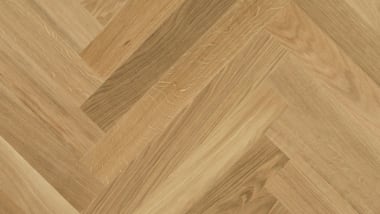
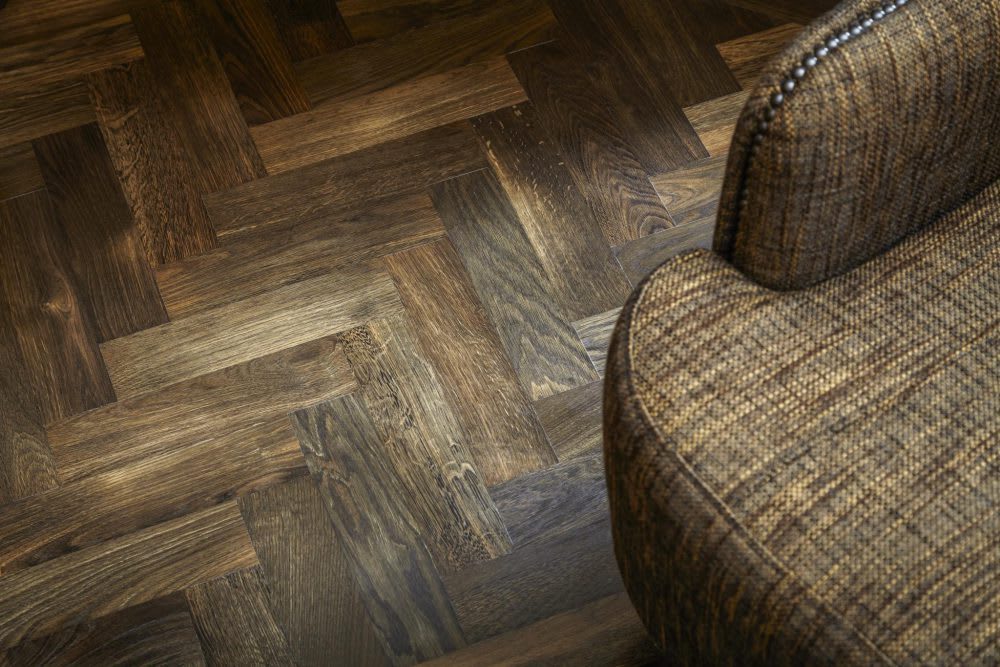
Among parquet patterns, herringbone is one of the most recognizable ways to create art deco flooring texture. The pattern consists of rectangular planks laid at ninety degree angles, forming a repeating zigzag arrangement.
This zigzag formation introduces movement without appearing overly decorative. It provides visual structure while maintaining a sense of warmth and approachability.
Herringbone flooring works particularly well in living rooms, bedrooms, and open concept spaces. The pattern subtly guides the eye across the room, creating flow while still allowing furniture and architectural details to stand out.
Another advantage of herringbone is its ability to adapt to different color palettes. Warm honey oak tones can make the pattern feel inviting and grounded, while lighter platinum tones create a crisp, modern interpretation of art deco flooring texture.
Character grade oak also enhances herringbone layouts by introducing natural variation in grain and knots. This variation softens the geometry of the pattern and adds depth to the overall surface.
Chevron and art deco flooring texture
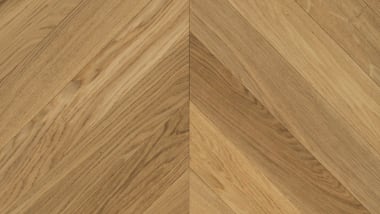
Chevron flooring offers a sharper and more directional take on art deco flooring texture. Unlike herringbone, chevron planks are cut at an angle so that each board meets the next in a continuous V shape.
This creates a strong visual arrow that directs the eye along the length of the room. The result is a pattern that feels precise, tailored, and architectural.
Chevron flooring is particularly effective in spaces where symmetry and alignment are important. Entryways, dining rooms, and long hallways benefit from the strong directional lines that chevron patterns provide.
Because the geometry is so clean, chevron floors pair well with interiors that include metallic finishes, curved furniture forms, or monochrome color palettes. The pattern provides structure that balances these decorative elements.
In lighter tones, chevron floors can appear refined and modern. In darker or smoked finishes, they create a dramatic interpretation of art deco flooring texture that feels luxurious and bold.
Panel parquet and statement flooring
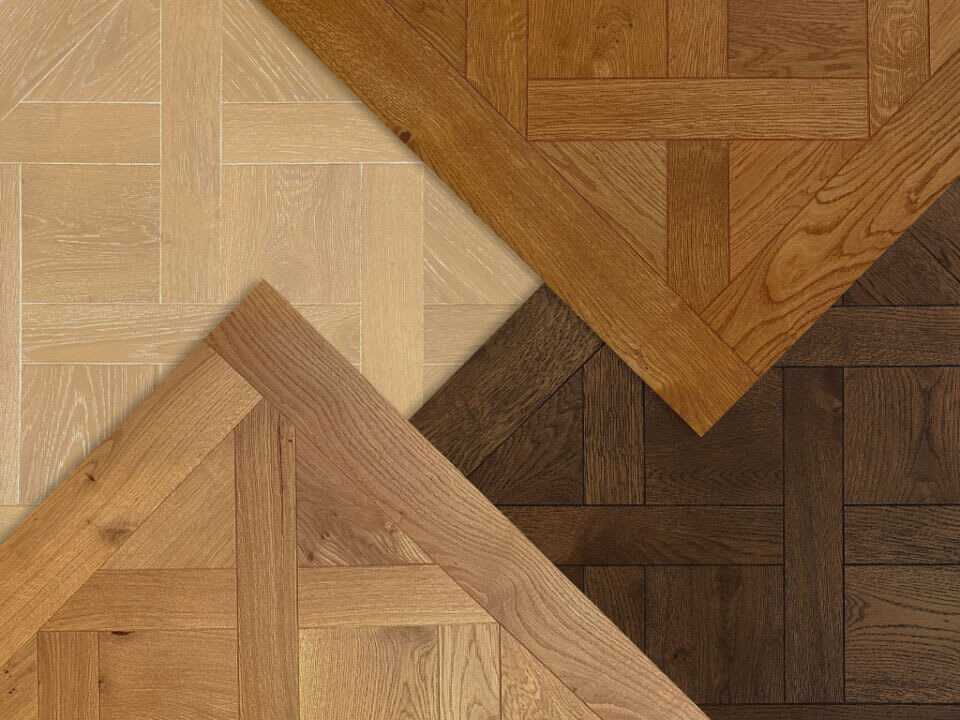
For interiors that require maximum visual impact, parquet panels provide another way to explore art deco flooring texture. Panel designs often consist of intricate arrangements of wood blocks framed within square modules.
These patterns create a layered effect that feels both decorative and architectural. The geometry becomes more complex, giving the floor the presence of a design feature rather than simply a surface.
Panel parquet is often used in formal spaces such as grand entryways, dining rooms, and hospitality interiors. In these settings, art deco flooring texture acts as a visual anchor for the rest of the design scheme.
Because panel floors already contain strong patterns, the surrounding interior elements should remain balanced. Furniture with sculptural shapes, clean lines, and refined materials complements the floor without overwhelming it.
How color influences art deco flooring texture
Color significantly affects how art deco flooring texture is perceived. Different tones of oak can transform the same pattern into completely different visual experiences.
Blonde oak floors create a bright and airy atmosphere that highlights the geometry of parquet patterns. These lighter tones are often used in contemporary interiors where the goal is to emphasize design clarity.
Honey toned oak floors introduce warmth and depth. The richer color enhances the grain of the timber while maintaining the strong visual structure of art deco flooring texture.
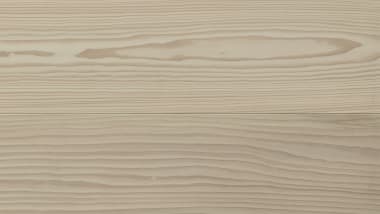
Platinum or extra white finishes provide a cooler aesthetic. These tones create striking contrast with darker furnishings and metallic accents, reinforcing the glamorous spirit of Art Deco design.
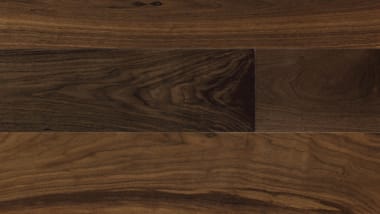
Darker tones such as smoked or brunette finishes bring drama to the space. They highlight the pattern through contrast and create a more intimate, luxurious environment.
Choosing the right tone depends on the overall design direction and the amount of natural light within the room.
The importance of surface finish
The finish applied to a wood floor contributes significantly to art deco flooring texture. Different finishes affect both the visual appearance and the tactile quality of the surface.
UV oiled finishes tend to create a matte, natural look that emphasizes the grain of the timber. This approach works well when the goal is to balance geometric structure with organic warmth.
Lacquered finishes produce a smoother appearance and can reflect more light. This can enhance the polished feel associated with many Art Deco interiors.
Brushed surfaces add depth by highlighting the natural grain pattern of the wood. Sanded finishes create a refined surface that feels elegant and controlled.
Selecting the right finish ensures that art deco flooring texture aligns with the atmosphere of the room while also providing durability for everyday use.
Where art deco flooring texture works best
Art deco flooring texture can enhance many areas of a home or commercial space. Entryways are particularly effective because patterned floors immediately create a sense of arrival.
Living rooms benefit from parquet layouts because they provide a structured base for seating arrangements and decorative elements.
Dining rooms also work well with geometric flooring patterns, as the symmetry of the floor can frame the dining table and define the space.
Hallways can transform from simple circulation areas into striking design features when art deco flooring texture is introduced.
In hospitality environments such as boutique hotels or restaurants, patterned wood flooring helps create memorable interiors that reinforce the identity of the space.

Styling interiors around art deco flooring texture
When designing a room around art deco flooring texture, balance is essential. Because the floor already introduces pattern and movement, other design elements should complement rather than compete with it.
Furniture with sculptural silhouettes works particularly well with geometric flooring. Rounded chairs, curved sofas, and bold lighting fixtures create contrast against the structured patterns of the floor.
Metallic finishes such as brass or chrome can add subtle shine that reflects the glamorous heritage of Art Deco design.
Color palettes should remain cohesive so that the floor pattern remains a focal point. Neutral tones allow the geometry of the flooring to stand out, while carefully placed accents add personality.
By allowing the floor to guide the overall design direction, art deco flooring texture can transform the atmosphere of the entire interior.
Bringing art deco flooring texture into modern interiors
Art deco flooring texture offers a powerful way to introduce architectural interest into both residential and commercial spaces. Through parquet layouts, geometric patterns, and carefully chosen finishes, wood flooring can become a defining design element rather than simply a functional surface.
Herringbone, chevron, and panel parquet patterns each provide unique interpretations of art deco flooring texture. Combined with a wide palette of oak tones and finishes, these patterns allow designers to create interiors that feel structured, dynamic, and refined.
When integrated thoughtfully with lighting, furniture, and color schemes, art deco flooring texture establishes a strong visual foundation for the entire room. The result is an interior that feels deliberate, sophisticated, and rich in character.

