












Fire Rated Flooring Explained: Ratings, Materials, and Benefits
25 Mar 2026
When safety standards shape a specification, flooring moves from a purely design-led choice to a performance decision. That is where fire rated flooring becomes especially important. In residential developments, hospitality projects, mixed-use buildings, offices, and public spaces, fire rated flooring can help support code compliance while still delivering the warmth, texture, and visual quality today’s interiors demand.
At its core, fire rated flooring is flooring that has been tested to measure how it reacts when exposed to heat or flame under defined lab conditions. That matters because not every wood floor, resilient floor, or surface finish performs the same way in a fire scenario. Some products slow flame spread better, some produce less smoke, and some are specifically classified for use in corridors, exits, or other regulated interior spaces.
For designers and specifiers, the most useful starting point is understanding that fire rated flooring is not just about whether a floor “burns” or “does not burn.” Real-world evaluation is more nuanced. Ratings are usually tied to how quickly flame spreads, how much smoke develops, and how a flooring system behaves under radiant heat exposure. In the United States, flooring products are often assessed under ASTM E648, which measures critical radiant flux for floor-covering systems, while other interior finish classifications frequently reference ASTM E84 flame spread and smoke-developed values.
That distinction matters because fire rated flooring is often confused with fire-resistance-rated construction. A floor assembly with an hourly fire-resistance rating is not the same thing as a floor finish or flooring surface that has achieved a reaction-to-fire classification. In simple terms, one addresses how an assembly performs over time as part of a building element, while the other addresses how the finish reacts when exposed to heat and flame. Understanding that difference helps avoid specification errors early in the design process.
What Fire Rated Flooring Ratings Actually Mean
In the US market, one of the most important benchmarks for fire rated flooring is ASTM E648. This test measures the critical radiant flux of a floor-covering system, which is one indicator of how sensitive that system is to flame spread under radiant heat. The method is intended to simulate an important fire exposure component for floors in corridors or exitways, and results apply to the tested flooring system as installed rather than to isolated material components.
From there, code language commonly refers to Class I and Class II interior floor finish. Interior floor finish and floor covering materials required to be Class I or II are classified in accordance with ASTM E648. Class I interior floor finish typically represents a higher level of performance, while Class II is a lower threshold that may still meet certain code requirements depending on the building type and location within the building.
That means when a project team asks for fire rated flooring, they may really be asking for flooring that achieves a Class I or Class II result under ASTM E648. It is a subtle but important point. The right fire rated flooring specification depends on building type, occupancy, local code, and the exact location where the product will be installed.
ASTM E84 is another rating system specifiers often encounter. It is more commonly associated with interior wall and ceiling finishes, but it still appears in broader fire performance discussions. Class A, Class B, and Class C ratings are based on flame spread and smoke-developed values. These ratings are often used when discussing surface burning characteristics of materials used in interior construction.
For international projects, fire rated flooring may also be described using Euroclass terminology under EN 13501-1. Flooring classifications use labels such as A1fl, A2fl, Bfl, Cfl, Dfl, Efl, and Ffl, with additional smoke descriptors such as s1, s2, or s3. These classifications help architects and designers understand how materials perform under standardized fire testing conditions in Europe and other regions.
The Materials Commonly Used In Fire Rated Flooring
Not all fire rated flooring is made the same way, and the material category has a major impact on performance, appearance, and specification flexibility.
Engineered wood is one of the most compelling categories in fire rated flooring because it offers natural character without forcing a project to give up on performance. Standard wood flooring may not always be appropriate where stricter fire performance is required, but specially developed fire rated flooring can bridge that gap.
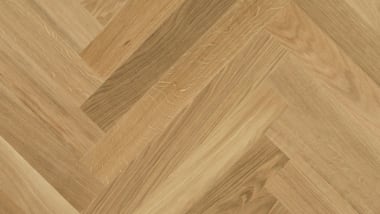
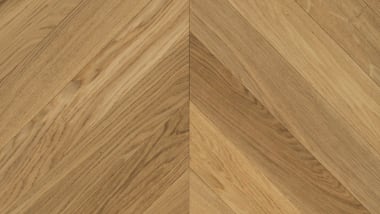
Havwoods offers fire rated flooring solutions through its FlameLESS collection. This range is designed as a specialist engineered wood flooring option that meets enhanced fire safety requirements while preserving the natural beauty and texture of real wood. Products in this range have been independently tested to achieve ASTM E648 Class I classification, making them suitable for many commercial and multi residential environments where higher fire performance is required.
Why Fire Rated Flooring Matters In Modern Interiors
The most obvious benefit of fire rated flooring is regulatory confidence. When a product has the appropriate classification for the intended space, it helps architects, designers, contractors, and clients align with safety expectations and building codes.
Another important advantage of fire rated flooring is design continuity. In the past, projects with stricter fire safety requirements often had to compromise on finish quality. Today, advanced engineered flooring solutions allow designers to maintain consistent material palettes across multiple areas of a building while still meeting safety standards.
This is particularly important in multifamily developments, hotels, office environments, and mixed use spaces where corridors, apartments, shared areas, and amenity spaces all need to work together visually. Fire rated flooring allows designers to maintain the natural appeal of wood while supporting safety requirements.
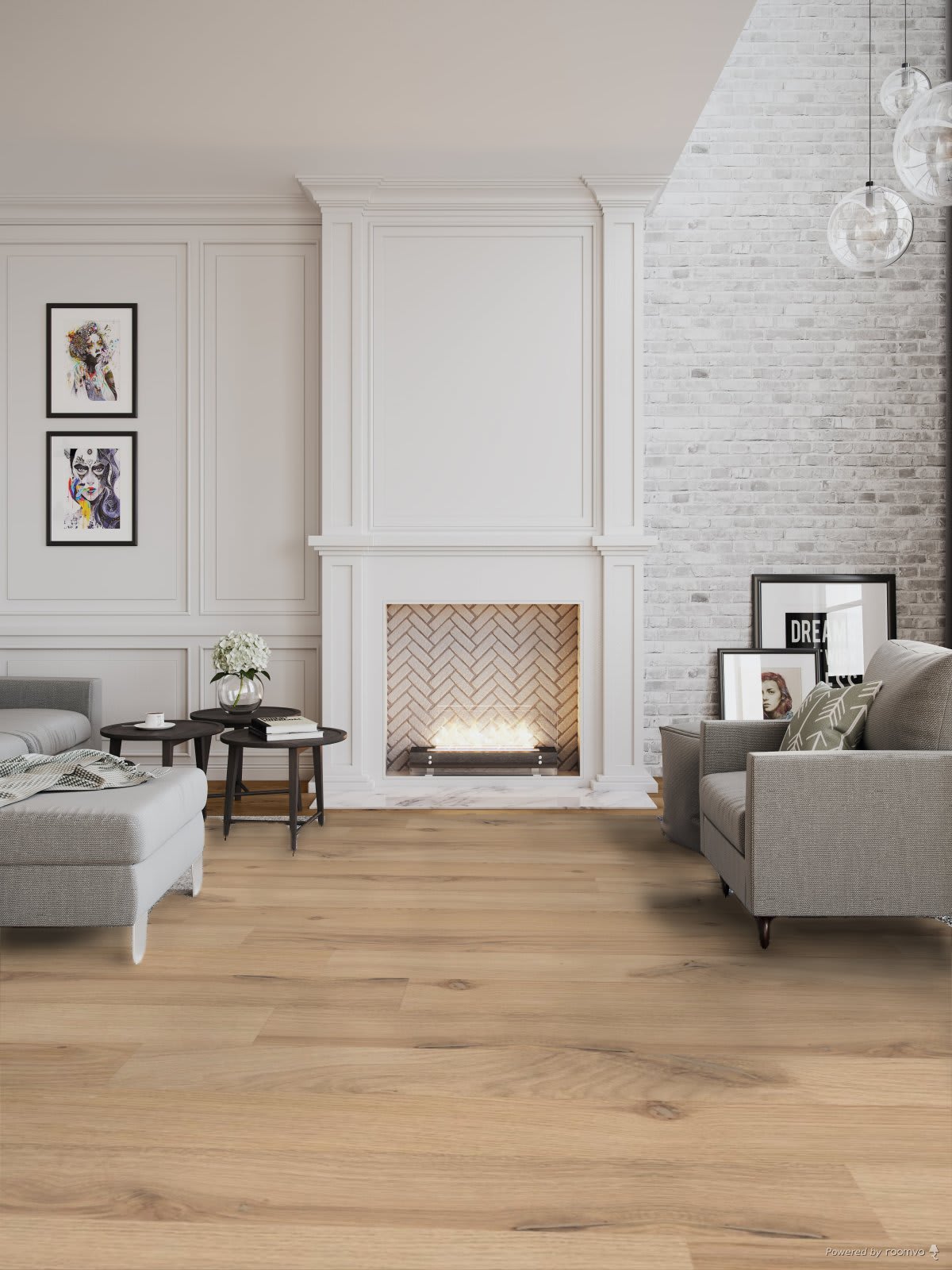
There is also a strong aesthetic benefit. Wood flooring remains one of the most desired materials in interior design because it introduces warmth, depth, and texture. When fire rated flooring is available in engineered wood formats, designers can achieve both safety and visual sophistication in the same specification.
Durability is another factor that adds long term value. Engineered fire rated flooring solutions are designed for dimensional stability and long lasting performance. In high traffic environments, this helps maintain the appearance of the floor over time while reducing maintenance and replacement cycles.
How To Specify Fire Rated Flooring More Confidently
The first step when specifying fire rated flooring is understanding the applicable building code requirements. Different building types and interior spaces may require different fire classifications. Corridors, exit pathways, and shared residential circulation areas often have stricter requirements than private interior rooms.
The second step is verifying the tested flooring system. Fire rated flooring performance is typically based on the entire installed system rather than just the visible surface material. The substrate, adhesive, and installation method can all affect how the flooring performs under fire testing conditions.
The third step is balancing safety requirements with design goals. Many projects want to achieve both performance and aesthetic quality. Engineered wood fire rated flooring can be particularly useful because it delivers the visual richness of natural timber while supporting the fire classifications required in certain building environments.
Finally, working with an experienced flooring supplier can make the process easier. Technical guidance, product samples, and documentation all help ensure that the chosen fire rated flooring aligns with both design intent and regulatory requirements.
The Takeaway On Fire Rated Flooring
Fire rated flooring has become an essential consideration in many modern building projects. As safety standards evolve and building codes become more rigorous, designers and specifiers need materials that support both compliance and creativity.
Understanding how fire ratings work, how different materials perform, and how flooring systems are tested allows project teams to make more informed decisions. With the right approach, fire rated flooring can deliver safety, durability, and design flexibility at the same time.
Engineered wood options in particular have expanded the possibilities for designers who want natural materials without compromising on fire performance. By combining tested fire classifications with the beauty of real wood, fire rated flooring can play an important role in creating interiors that are both safe and visually compelling.