

















From Concept to Completion: How AI Is Redefining Interior Design
5 Nov 2025
Interior design is undergoing a radical shift, and at the forefront of this transformation is artificial intelligence. Once the domain of intuition and experience, design now finds itself collaborating with machine learning and big data to produce stunning results faster, smarter, and more efficiently. From ideation to implementation, AI interior design is not just a trend; it’s the new standard.
Designers, architects, and homeowners are embracing artificial intelligence to simplify complex decisions, create hyper-personalized spaces, and visualize possibilities in real time. Whether it's generating 3D layouts, optimizing furniture placement, or suggesting materials like wood flooring, AI tools are empowering professionals to deliver tailored experiences at record speed.
What Is AI Interior Design?
AI interior design refers to the use of artificial intelligence technologies such as machine learning, computer vision, and natural language processing to assist or automate various aspects of interior design.
This could include layout planning, space optimization, color selection, and material recommendations, as well as mood board creation and 3D rendering. It allows professionals and even end-users to visualize, test, and modify designs without traditional constraints of time, budget, or physical samples.
Some platforms can now scan a room and suggest furniture and décor changes, simulate daylight patterns, or even analyze a homeowner's aesthetic preferences based on existing spaces and online behavior.
Key Benefits of AI in Interior Design
Efficiency and Speed
Traditional design processes often involve multiple revisions, in-person consultations, and extended timelines. AI streamlines this by offering instant suggestions and visualizations based on user input or pre-fed design goals. The result is a faster turnaround from concept to final delivery, enabling quicker project completions and more agile design adjustments.
Hyper-Personalization
AI leverages vast datasets and algorithms to understand what users truly want, even before they explicitly express it. Based on past preferences, online interactions, and visual cues, AI tools can suggest materials, colors, layouts, and finishes that are tailored to each client’s lifestyle, making the design process more intuitive and custom-fit.
Real-Time Visualization
One of the most game-changing features of AI interior design is its ability to generate lifelike 3D models instantly. Clients can explore how different wood flooring, furniture styles, or lighting options would look in their space without lifting a single paintbrush or installing a single plank. This not only boosts client confidence but also significantly reduces the margin of error in decision-making.
Sustainable Decision Making
As sustainability becomes increasingly important, AI supports smarter material choices. These systems can identify options with lower carbon footprints or recommend durable materials that offer longevity. For example, AI tools can highlight engineered wood flooring options like those from Havwoods that prioritize both aesthetics and environmental responsibility.
Flooring: The Foundation of Smart Interior Design
No matter how advanced the design software or how bold the vision, every successful interior begins with the right flooring. AI-powered design platforms now prioritize flooring early in the design process due to its foundational role in shaping the look, feel, and function of a space.
Flooring sets the visual tone of the room. It plays a major role in determining acoustics, comfort, and temperature. It influences how spacious or intimate a room feels, and it also impacts long-term maintenance and lifestyle compatibility. Thanks to AI interior design platforms, choosing the ideal flooring material is more precise than ever. By analyzing room usage, natural lighting, and style preferences, AI can recommend flooring types such as engineered oak, herringbone patterns, or brushed finishes with pinpoint accuracy.
How AI Is Helping Specify Wood Flooring
At Havwoods, we see designers integrating AI platforms into their wood flooring specification workflows with increasing frequency. These systems can suggest flooring products and patterns that complement a space's layout and intended use, all while supporting visual and environmental goals.
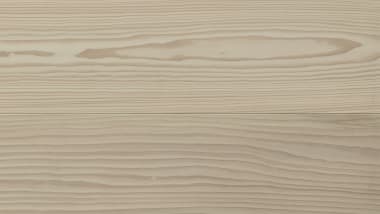
AI software analyzes room images, design language, and functional requirements to match interiors with optimal wood flooring. For instance, a minimalist room bathed in natural light might be matched with Blanco 13 Prime 180mm 1-Strip for its subtle grain, matte lacquered finish, and clean, refined profile.
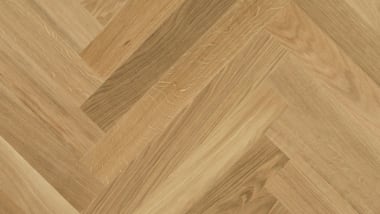
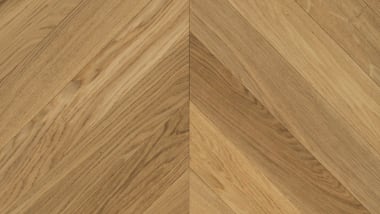
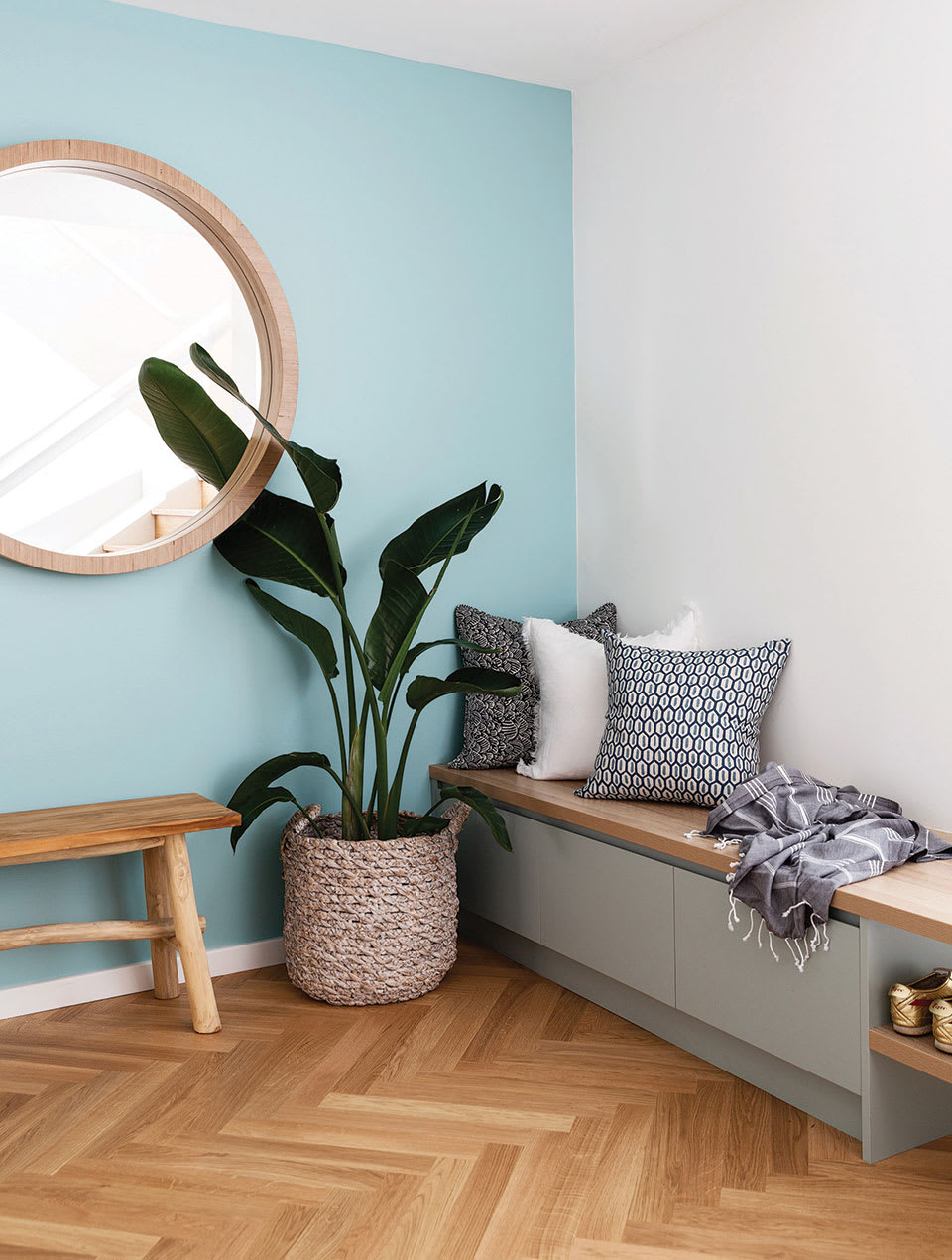
When it comes to pattern selection, AI can visualize how different layout styles such as plank, chevron, or herringbone will influence the spatial dynamics of a room. A space in need of warmth and character, for example, could benefit from Cedro Character Herringbone, which adds geometry and natural richness to any environment.

Additionally, AI systems can account for the environmental impact of flooring materials. They can prioritize products that are FSC® certified or manufactured with low-VOC finishes, helping users select wood flooring that aligns with sustainable design goals.
Some AI platforms also simulate wear and tear based on the type of room and anticipated traffic. This allows clients to choose between oiled or lacquered finishes depending on whether the flooring is going into a high-traffic living room or a low-use guest bedroom. This data-backed guidance leads to better longevity and overall satisfaction.
Case Study: AI in Action with Havwoods Flooring
In a recent Manhattan residential project, designers used an AI platform to generate multiple layout options for a Scandinavian-inspired apartment. The space featured abundant daylight, minimalist architecture, and a focus on natural textures. The AI suggested Aspen Raw 13 Prime 180mm 1-Strip wood flooring for its blonde tone, UV-oiled finish, and ability to harmonize with both the architecture and the client's lifestyle.
The flooring became a key visual anchor in the home, while the AI-enabled planning cut design time in half, allowing for quicker execution and on-budget delivery.
Challenges and Ethical Considerations
Despite its many advantages, AI interior design is not without its challenges. One of the biggest concerns is whether AI can ever truly replicate human creativity. While it excels at identifying patterns and making data-driven suggestions, it lacks the emotional intuition and storytelling abilities that seasoned designers bring to a space.
Another issue lies in the data used to train AI algorithms. If the data is limited or culturally biased, the results may fail to reflect the diverse tastes and needs of global users. Ethical considerations must also include over-reliance on technology. When creatives lean too heavily on AI, the human essence of the design may become diluted.
The most effective approach is collaboration. AI should serve as a high-powered assistant that enhances human creativity, not replaces it.
The Future of AI Interior Design
Looking ahead, AI interior design is only going to become more integrated into everyday workflows. Innovations on the horizon include immersive AR and VR room walkthroughs, voice-prompted design suggestions, and automated sustainability audits that calculate the ecological impact of every material chosen.
As these technologies evolve, clients will expect brands like Havwoods to provide flooring solutions that are easily integrated into AI-driven platforms. The demand for smart, sustainable, and visually captivating materials will continue to grow, and Havwoods is uniquely positioned to meet that demand with both elegance and integrity.
Why Havwoods Is the Ideal Partner for AI Interior Design
Havwoods offers an expertly curated range of engineered wood flooring that caters perfectly to the needs of AI-enhanced design. Our products are defined by superior quality, design versatility, and reliable availability. Designers can choose from a wide array of finishes, dimensions, and tones that allow seamless integration into any project.
Each product is designed not only for beauty but also for durability and long-term performance. Many are crafted with sustainability in mind, supporting architects and interior designers committed to environmentally responsible choices.
Whether specified manually or via intelligent platforms, Havwoods flooring is an essential building block for innovative, future-forward design.
Final Thoughts
AI interior design is revolutionizing the way spaces are created, from mood boards to material selection and final visualization. Flooring plays a crucial role in this process, acting as both the functional foundation and the visual anchor of every project.
By blending AI efficiency with high-quality materials, designers can deliver smarter, faster, and more personalized interiors. As tools get more advanced, working with trusted brands like Havwoods ensures your space doesn’t just look good but performs beautifully for years to come.