














From Floor to Wall: Why Designers Are Choosing Wood Wall Panels
5 Sep 2025
When most people think of wood in interiors, flooring is the first thing that comes to mind. But interior designers are increasingly shifting their focus upward, using wood wall panels as a primary feature in residential and commercial spaces alike. From heritage renovations to ultra-modern builds, these panels are becoming a go-to design element that is both functional and visually impactful.
Wood wall panels add warmth, dimension, and character to interiors. They act as more than a simple backdrop, offering a way to define spaces, enhance acoustic performance, and shape the overall mood and atmosphere of a room. At Havwoods, we’ve seen a noticeable increase in demand for wood cladding solutions, reflecting a larger movement toward natural, tactile materials in interior architecture.
A New Medium for Design Expression
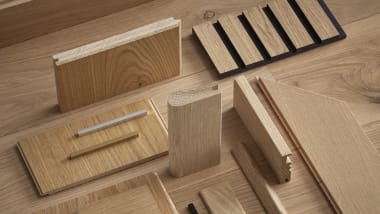
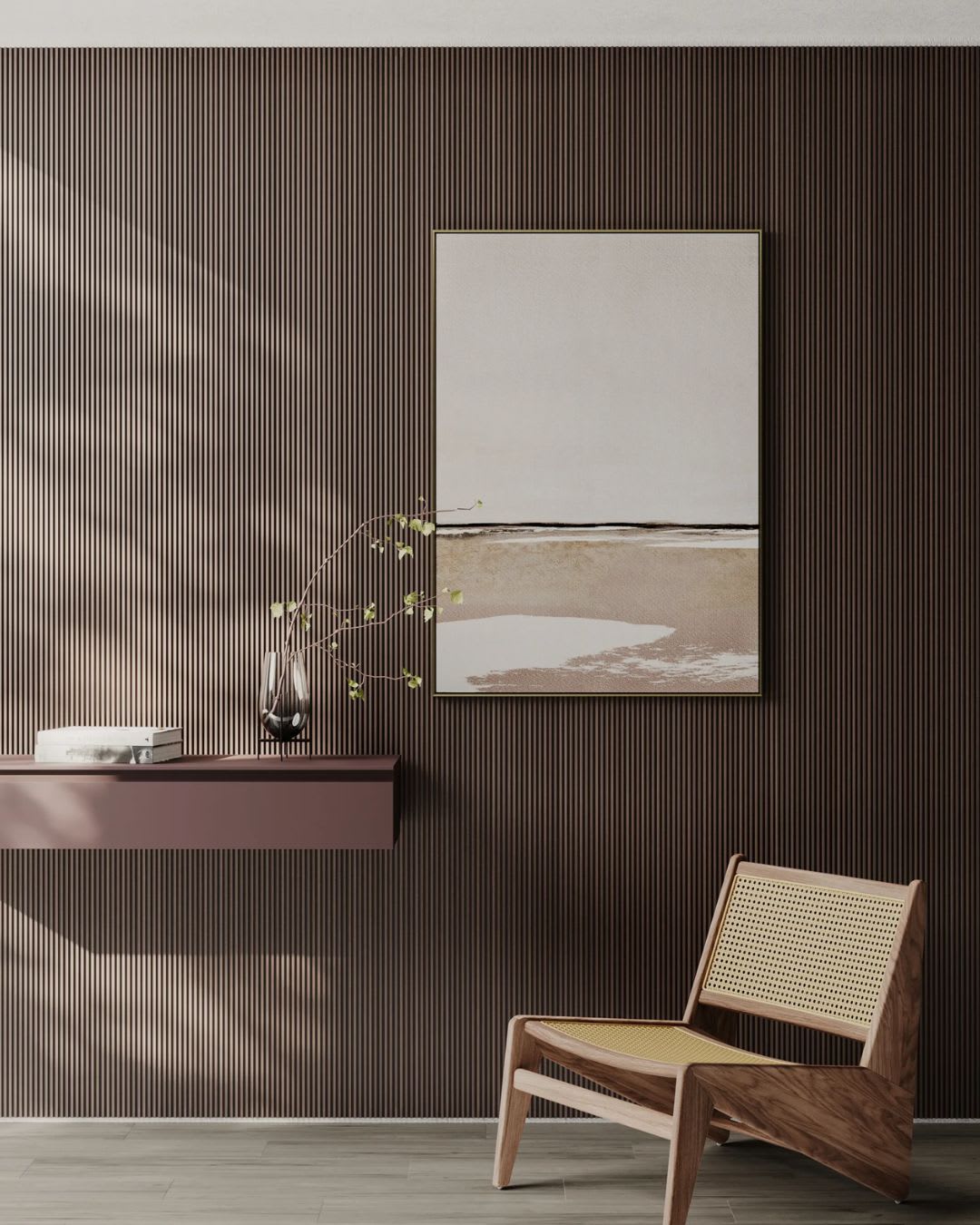
Wood wall panels give designers the ability to create with texture and tone in ways that flat paint or plaster cannot achieve. Whether used as a full feature wall or in more subtle applications like behind a bed or within an alcove, these panels introduce architectural interest while softening the overall design.
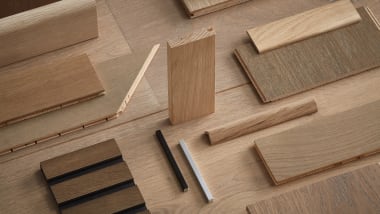
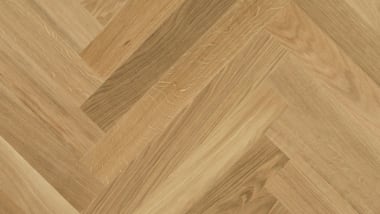
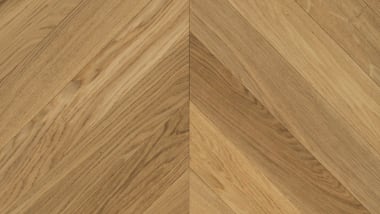
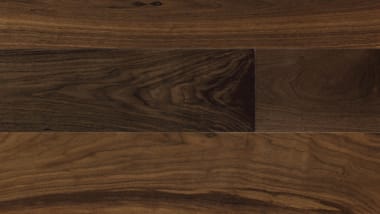
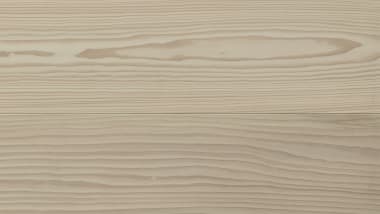
What makes this design element especially appealing is its flexibility. Panels can be installed vertically, horizontally, or in custom patterns. Each orientation alters the visual rhythm of the room. The variety of wood tones and finishes, from bright neutrals to rich, dark hues, means designers can shape anything from a calm, Scandinavian-style retreat to a more dramatic and moody atmosphere.
Function Meets Form
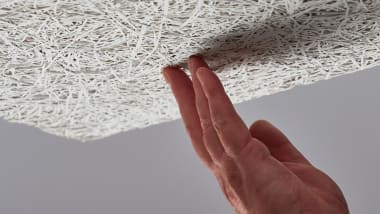
Wood wall panels are appreciated not only for their beauty but also for their practical benefits. Wood naturally absorbs sound, making it an ideal material for improving acoustics in open-plan homes, offices, or hospitality environments. In spaces where sound tends to bounce, wall panels help create a more comfortable experience.
They also serve as a durable alternative to paint or drywall. In high-traffic zones, wood panels resist scuffs and wear, maintaining a polished look for much longer than painted surfaces. For many renovations, panels can even be installed over existing walls, saving time and avoiding unnecessary waste during construction.
A Sustainable Design Choice
Sustainability plays an important role in material selection, and wood wall panels offer a responsible, long-term solution. When responsibly sourced, wood is one of the most renewable building materials available. It stores carbon, can be replenished, and is biodegradable at the end of its lifespan.
At Havwoods, sustainability is at the heart of our material selection. Using wood wall panels supports renewable design strategies and also contributes to biophilic design, which connects people to nature through the use of organic materials. This connection has been linked to improved comfort, focus, and emotional well-being in both residential and commercial spaces.
Enhancing Warmth in Contemporary Interiors
In modern architecture, where glass, concrete, and metal often dominate, wood wall panels offer a needed balance. Their natural warmth softens stark materials and introduces a more inviting, grounded feel. Even small panel applications, like framing a fireplace or lining a hallway, can add layers of texture and personality.
For more traditional interiors, wood wall panels reinforce a sense of depth and richness. Whether you are working in a formal space or a relaxed living room, the presence of real wood adds a level of authenticity that is difficult to replicate with synthetic options.
Zoning Without Building Walls
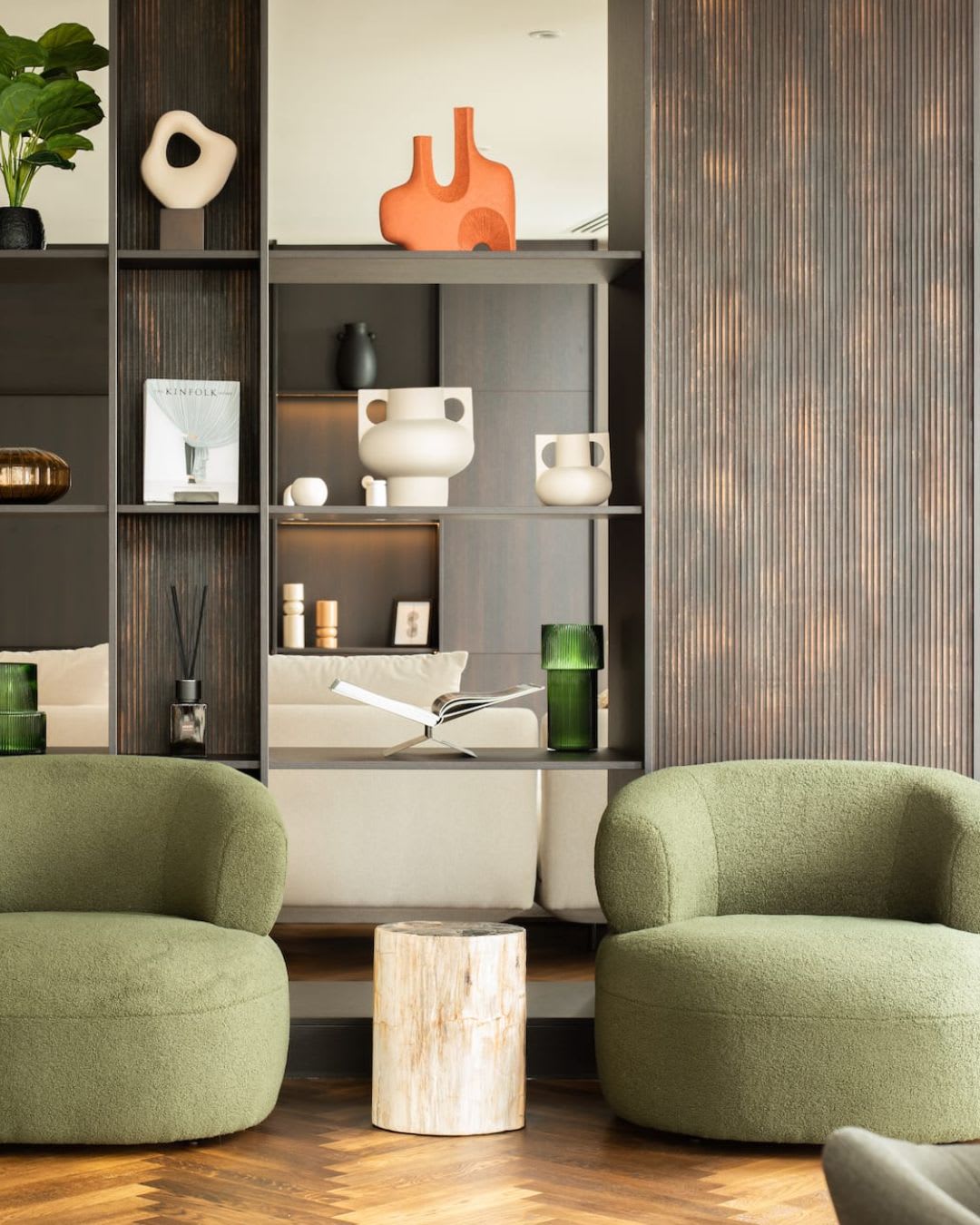
In open-plan design, one of the greatest challenges is defining functional areas without compromising spatial flow. Wood wall panels solve this by acting as subtle markers that distinguish one space from another. A panelled dining area can feel intimate without being physically separated. In commercial spaces, wood panels can help guide movement or draw attention to entry points, displays, or service counters.
These panels are highly adaptable and can wrap around corners, extend onto ceilings, or integrate with furniture and built-ins. This allows for cohesive, continuous visual storytelling throughout an interior without relying on heavy construction.
Broad Appeal Across Project Types
Wood wall panels are used across a wide range of environments, from boutique hotels and retail stores to residential apartments and workspaces. Their balance of form and function makes them ideal for nearly any setting. In private homes, they add depth and comfort to living rooms, bedrooms, and hallways. In commercial design, they create professional yet approachable atmospheres that clients and guests remember.
With endless customization options for size, tone, texture, and installation pattern, designers are free to adapt wood panels to suit any vision. This design freedom makes them an essential element in creating interiors that are not only beautiful but also meaningful and unique.
Built to Last, Designed to Evolve
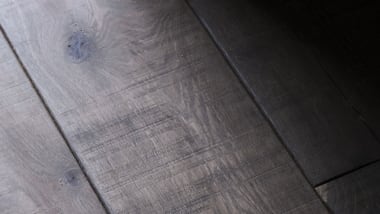
Today’s wood wall panels are engineered with stability and longevity in mind. Thanks to multi-layered construction and advanced finishing methods, they perform well in environments with varying humidity and temperature. Finishes such as hard wax oils or matte lacquers make them easy to maintain and resilient in daily use.
Over time, wood develops a natural patina that adds to its charm. Rather than appearing aged or worn, well-maintained panels mature gracefully, retaining their elegance and value.
This makes wood wall panels not just a short-term design choice but a long-term investment in the quality of your interior.
Rethinking the Vertical Plane
Walls are no longer viewed as purely functional or structural elements. Today, they are design opportunities waiting to be explored. With wood wall panels, designers have a tool that enhances the visual, tactile, and environmental quality of a space.
For those looking to create interiors that feel connected, expressive, and enduring, wood wall panels are a smart and sustainable solution.
They bring harmony to modern architecture, support healthier indoor environments, and contribute to timeless, memorable design.
Let your walls do more than divide a room. Let them become part of the story.

