











Indoor Wood Paneling Ideas That Transform Walls and Ceilings
25 Mar 2026
Indoor wood paneling has made a strong comeback in modern interior design. Once associated primarily with traditional homes, indoor wood paneling is now widely used in contemporary spaces to add warmth, depth, and architectural interest. Designers and homeowners are rediscovering how indoor wood paneling can transform plain walls and ceilings into standout design features that feel both natural and refined.
Unlike flat painted surfaces, indoor wood paneling introduces texture and subtle variation through natural wood grain. This organic character helps interiors feel more inviting while maintaining a sophisticated aesthetic. Whether used across an entire room or applied to a single focal point, indoor wood paneling has the ability to completely reshape how a space looks and feels.
Why Indoor Wood Paneling Is Trending in Interior Design
Interior design trends continue to emphasize natural materials, and indoor wood paneling fits perfectly within this movement. Wood surfaces bring a sense of warmth and authenticity that is difficult to replicate with synthetic materials. The unique grain patterns and tonal variations found in wood make every installation distinctive, allowing designers to create spaces that feel personal and carefully crafted.
Indoor wood paneling also supports the concept of biophilic design, which focuses on incorporating elements of nature into built environments. Spaces that use natural materials like wood often feel calmer and more comfortable. Because of this, indoor wood paneling is frequently used in residential homes, hospitality spaces, and modern offices where comfort and visual appeal are equally important.
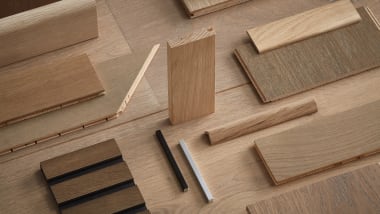
Another reason indoor wood paneling continues to grow in popularity is its versatility. It can be integrated into a wide range of interior styles, from minimalist apartments to luxurious contemporary homes. High quality engineered wood boards provide the durability and stability needed for vertical applications while maintaining the authentic appearance of real wood. For example, engineered European oak boards feature layered construction with a natural wood surface that offers both beauty and performance.
Vertical Slat Indoor Wood Paneling for Modern Walls
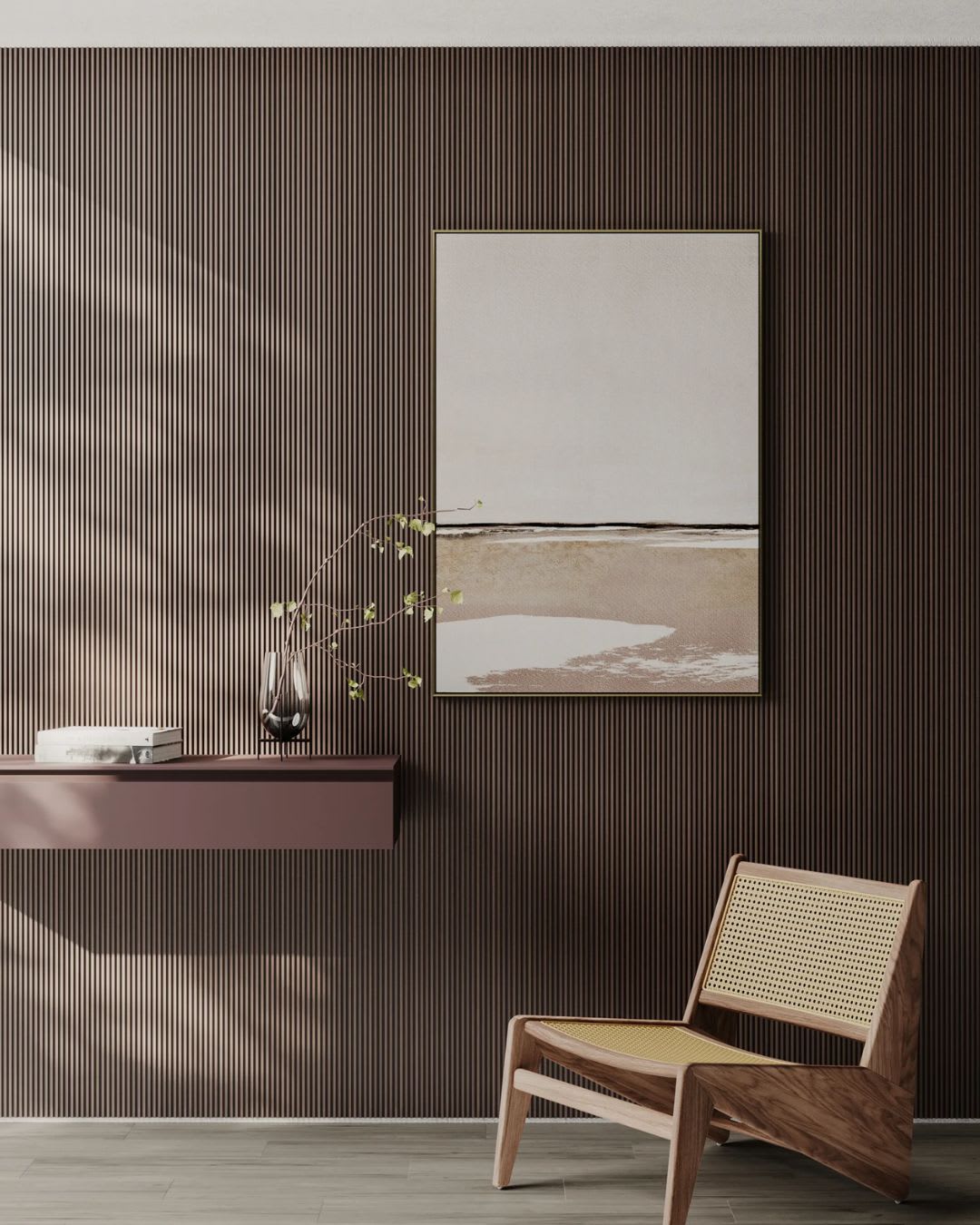
Vertical slat installations have become one of the most recognizable forms of indoor wood paneling in modern interiors. Thin wood slats installed vertically with small gaps between them create a striking architectural texture that instantly elevates a wall.
This style of indoor wood paneling works particularly well in contemporary spaces where clean lines and subtle detailing are key. The vertical orientation draws the eye upward, which can make ceilings appear taller and rooms feel more open. Designers often incorporate vertical slat paneling behind televisions, beds, or built in shelving to create a focal point without overwhelming the room.
Lighting also plays an important role in enhancing this design. When soft lighting is installed above or behind the slats, it highlights the natural wood texture and creates dramatic shadow lines that add depth to the space. Light toned woods such as blonde or natural oak are especially popular because they reflect light and maintain a bright modern atmosphere.
Statement Accent Walls Using Indoor Wood Paneling
One of the simplest ways to introduce indoor wood paneling into a space is by creating a feature wall. Instead of covering every surface, a single paneled wall becomes the central design element in the room.
In living rooms, indoor wood paneling accent walls are often positioned behind sofas or fireplaces. In bedrooms, they frequently serve as dramatic headboard walls that stretch across the width of the room. This approach allows the wood to act as a visual anchor while the remaining walls remain neutral and balanced.
Accent walls also provide an opportunity to experiment with different tones and textures. Darker wood finishes can create a striking contrast in light colored interiors, while pale oak tones maintain a calm and airy aesthetic. Because wood grain naturally varies from board to board, indoor wood paneling always introduces a level of visual interest that cannot be achieved with flat paint alone.
Indoor Wood Paneling on Ceilings for Architectural Impact
Ceilings are often overlooked in interior design, but indoor wood paneling can completely transform them into architectural highlights. When wood panels are applied overhead, they introduce warmth and dimension that changes the entire atmosphere of a room.
Wood ceilings are particularly effective in open concept spaces where large areas benefit from additional texture and material contrast. Instead of feeling empty or unfinished, the ceiling becomes an intentional design feature that complements the surrounding walls and furnishings.
In rooms with high ceilings, indoor wood paneling can help create a more intimate and balanced environment. The natural tone of the wood visually lowers the perceived height of the room, making the space feel more welcoming and cohesive. Whether installed as linear planks, slatted surfaces, or integrated with beams, ceiling paneling adds a refined architectural layer to interior spaces.
Herringbone and Patterned Indoor Wood Paneling
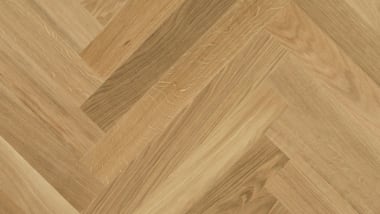
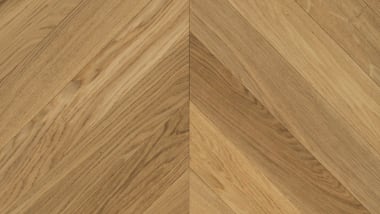
Patterned wood layouts traditionally used in flooring are increasingly being applied to walls and ceilings as indoor wood paneling. Designs such as herringbone introduce movement and geometric interest that elevate simple surfaces into statement features.
Herringbone indoor wood paneling creates a dynamic visual effect because the boards are arranged in alternating angles. The pattern draws attention and adds craftsmanship to the space, making it a popular choice for feature walls in living rooms, entryways, or dining areas.
Because the pattern itself carries strong visual character, it is typically used on a single wall where it can stand out without competing with other design elements. High-quality wood boards with consistent dimensions are essential for achieving the precision required for patterned installations. For instance, engineered oak herringbone boards provide both durability and the structural stability needed for vertical paneling applications.
Seamless Floor to Wall Indoor Wood Paneling
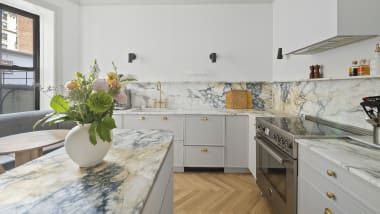
A particularly striking design technique involves extending wood flooring up onto the wall to create continuous indoor wood paneling. This seamless transition between surfaces emphasizes the natural beauty of the material and produces a highly cohesive aesthetic.
When the same wood boards are used for both floors and walls, the grain pattern flows naturally through the space. The result is a unified design that feels intentional and visually balanced. This technique is often used in entryways, staircases, and modern living rooms where strong architectural statements are desired.
Engineered wood boards are commonly selected for this approach because their layered construction improves dimensional stability while preserving the authentic appearance of solid wood. This allows them to perform well across both horizontal and vertical surfaces.
Minimalist Indoor Wood Paneling for Subtle Texture
Not all indoor wood paneling needs to be bold or dramatic. In minimalist interiors, wood paneling can be used to introduce subtle texture while maintaining a clean and understated aesthetic.
Wide plank boards in soft neutral tones create walls that feel refined without drawing too much attention. The natural grain provides gentle variation that adds warmth and visual depth, helping minimalist spaces feel comfortable rather than stark.
This restrained approach to indoor wood paneling is particularly popular in Scandinavian inspired interiors where simplicity and natural materials define the design language. In these spaces, wood acts as a quiet background element that enhances the overall atmosphere without dominating the room.
Creative Ways to Incorporate Indoor Wood Paneling
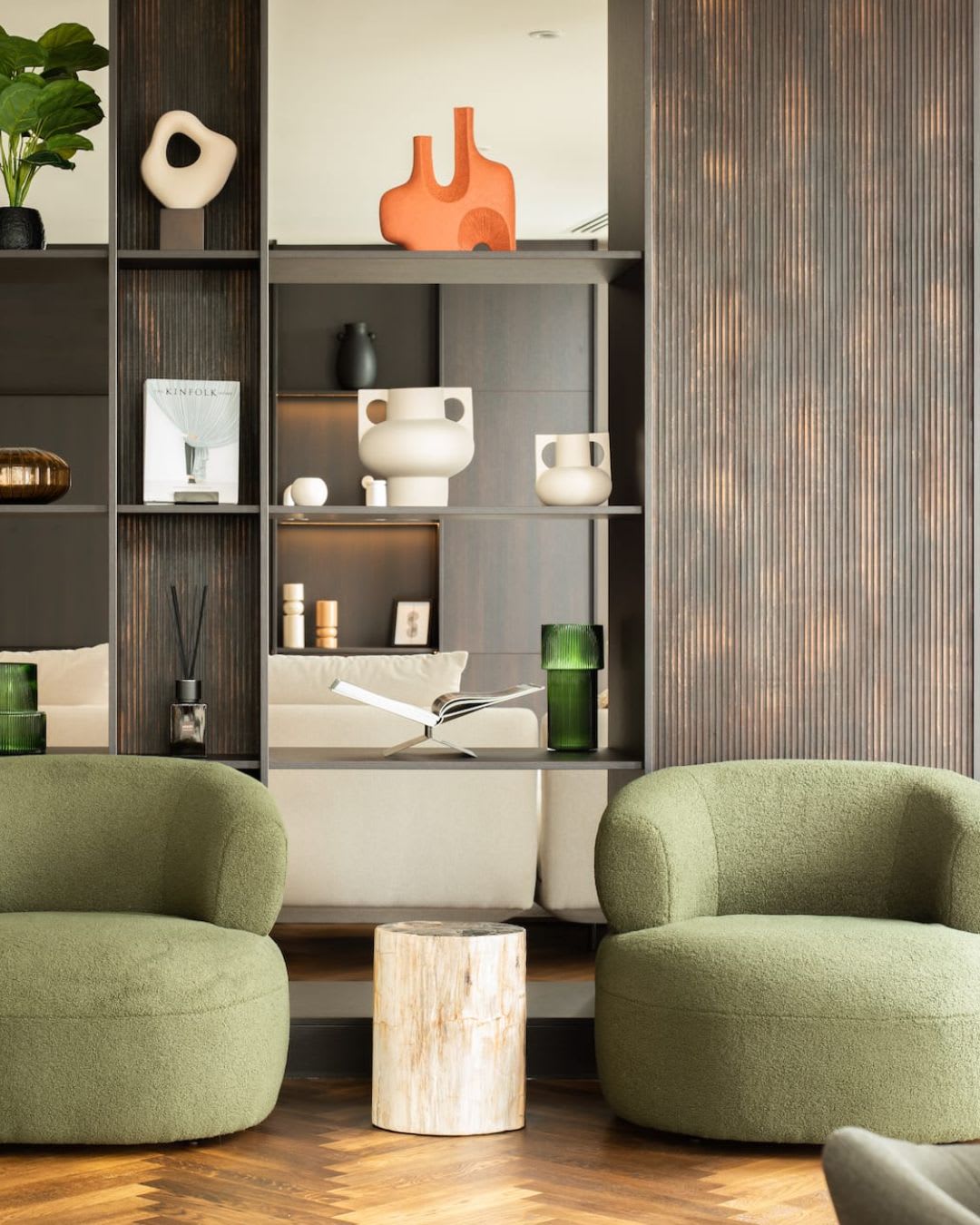
Indoor wood paneling can be used in many unexpected ways beyond traditional walls and ceilings. Designers frequently integrate wood surfaces into architectural details such as built in shelving, staircases, and kitchen features.
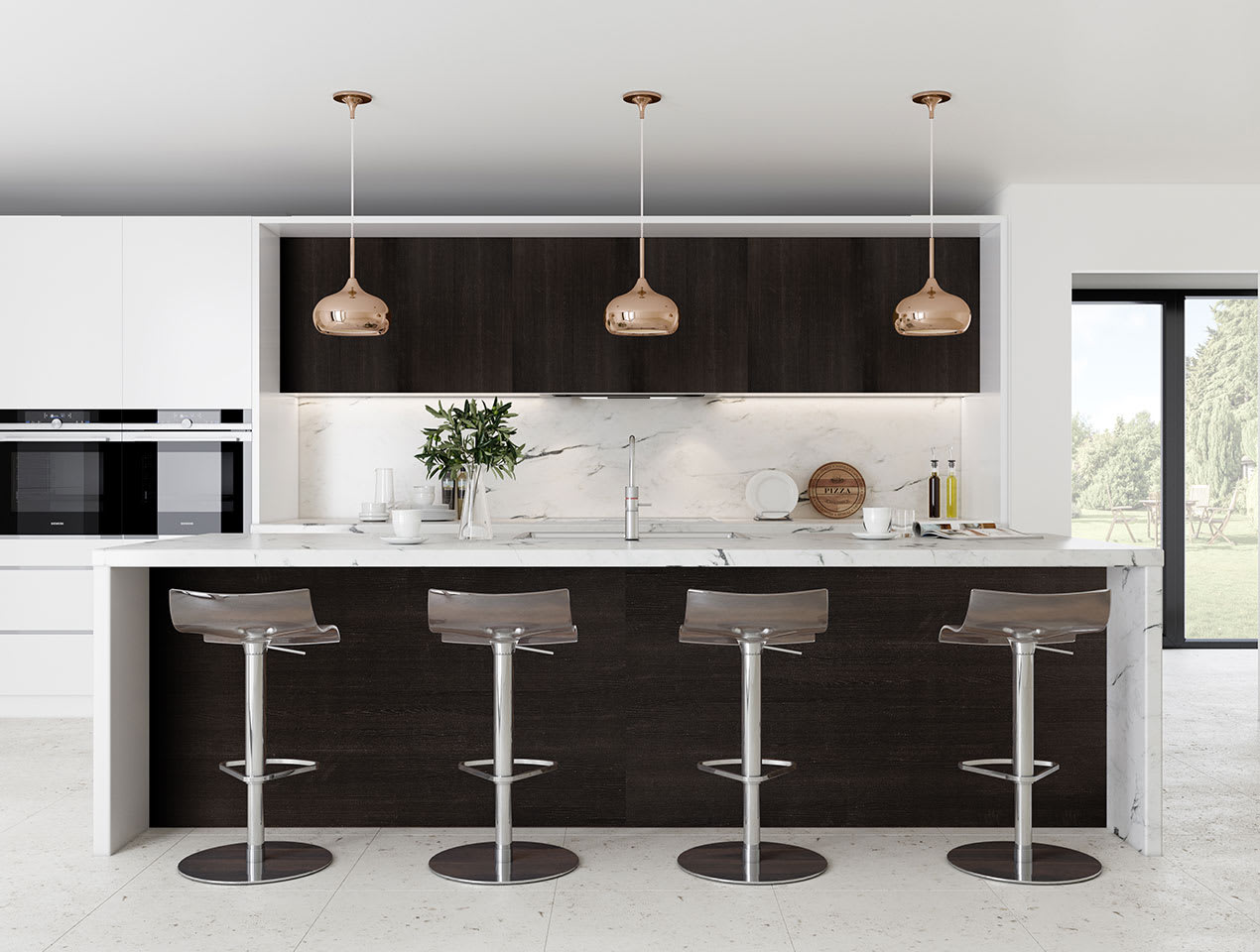
For example, wood paneling can wrap around a kitchen island to create continuity with nearby walls. It can also frame recessed shelving niches, turning functional storage into decorative focal points. In staircases, indoor wood paneling can line the stairwell wall, guiding the eye upward and creating a dramatic vertical feature.
These creative applications allow indoor wood paneling to become part of the structure of the home rather than simply an added decorative layer.
Choosing the Right Wood for Indoor Wood Paneling
Selecting the right material plays an important role in achieving the desired look and long term performance. European oak is a popular choice because it offers durability, consistent grain patterns, and a wide range of natural color tones. Finishes also influence the final appearance of indoor wood paneling. Oiled finishes enhance the natural texture of the wood, while lacquered finishes provide a smoother and more protective surface.
Board width and orientation can also dramatically affect the visual impact of the installation. Wider boards create a more modern and streamlined aesthetic, while narrower boards work well for intricate patterns and detailed layouts. The direction in which boards are installed can also influence how a room is perceived, with vertical layouts emphasizing height and horizontal arrangements making spaces feel wider.