














Mixing Hardwood Floors in a House: What Works and What Doesn’t
30 Mar 2026
Mixing hardwood floors has become a defining feature of modern interior design. Rather than sticking to one uniform look, homeowners are embracing contrast, texture, and variation to create more dynamic spaces. When done right, mixing hardwood floors adds depth and character. When done wrong, it can make a home feel disjointed and unfinished.
Understanding how to approach mixing hardwood floors is the difference between a cohesive design and a confusing one. This guide explores exactly what works, what doesn’t, and how to get it right.
Why Mixing Hardwood Floors Is a Growing Trend
Mixing hardwood floors reflects a shift in how we design our homes. Spaces are no longer expected to feel identical from room to room. Instead, each area can have its own identity while still contributing to a unified overall look.
This is particularly important in open concept homes, where flooring plays a major role in defining different zones without physical barriers. Subtle variation can help create visual separation while maintaining flow, a principle highlighted in modern flooring approaches.
Mixing hardwood floors allows homeowners to introduce personality while keeping a sense of structure throughout the home.
The Foundation of Mixing Hardwood Floors
Before combining different flooring styles, it is important to understand what actually makes one hardwood floor different from another. These differences go beyond just color.
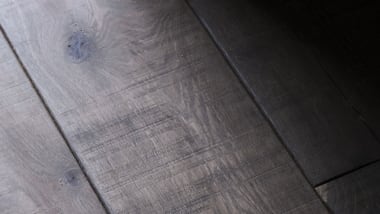
Wood flooring varies in tone, finish, plank size, grading, and pattern. Even floors that look similar at first glance can behave very differently in a space. For example, a wide plank European oak floor like Amazon 13 offers a blonde tone with a matte lacquered finish that reflects light evenly. On the other hand, Aspen Raw has a UV oiled finish that gives a more natural and textured appearance, even within a similar color family.
These subtle distinctions are what make mixing hardwood floors both exciting and challenging.
Creating Harmony Through Undertones
One of the most important rules when mixing hardwood floors is to keep undertones consistent. Undertones are the subtle colors beneath the surface, such as warm golden hues or cooler gray notes.
When undertones align, different floors can coexist without clashing. A honey toned floor like Cedro 12, for example, pairs naturally with other warm shades and creates a cohesive visual experience .
If undertones are ignored, even high quality flooring combinations can feel mismatched. This is often where mixing hardwood floors goes wrong.

Using Pattern to Introduce Contrast
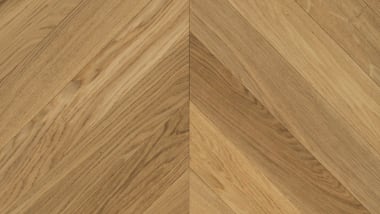
Pattern is one of the most effective ways to introduce variation without disrupting cohesion. Instead of switching to a completely different color, changing the layout can create visual interest while maintaining harmony.
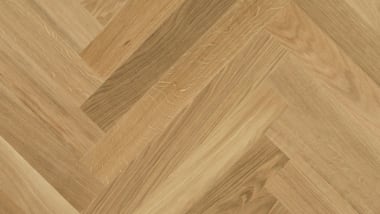
Herringbone flooring is a perfect example. A design like Cedro Character 120mm herringbone introduces movement and texture while still working alongside traditional planks.
This approach is especially effective in entryways, dining rooms, and feature areas where a subtle design statement can elevate the entire space.
The Role of Finish in Mixing Hardwood Floors
Finish plays a significant role in how flooring is perceived. Matte lacquered surfaces reflect light differently than oiled finishes, which tend to absorb light and highlight the natural grain.
Mixing hardwood floors with different finishes can work beautifully when done with intention. A matte finish may be more suitable for high traffic areas, while an oiled finish can create a softer, more organic feel in living spaces.
The key is ensuring that the finishes complement each other rather than compete for attention.
Balancing Clean and Character Grades
Wood grading introduces another layer of design opportunity. Prime grades offer a cleaner, more uniform look, while character grades showcase knots, grain variation, and natural imperfections.
Mixing hardwood floors by combining these grades can add depth and texture. For instance, pairing a sleek, uniform plank with a more expressive option like Blanco 13 Character introduces contrast without overwhelming the design.
This balance allows spaces to feel both refined and inviting.

Where Mixing Hardwood Floors Can Go Wrong
While mixing hardwood floors offers creative freedom, there are common mistakes that can quickly undermine the design.
One of the most frequent issues is combining floors with completely different undertones. Warm and cool tones placed side by side without intention can feel jarring and disrupt the visual flow of the home.
Another problem arises when too many variations are introduced at once. Mixing hardwood floors should feel curated, not chaotic. Combining multiple colors, patterns, and finishes in a single space often leads to visual overload.
Transitions are another critical factor. Abrupt changes between rooms, especially without proper thresholds or alignment, can make even the most beautiful flooring look poorly planned.
Maintaining Flow in Open Concept Spaces
Open layouts require a thoughtful approach when mixing hardwood floors. Because spaces are visually connected, the flooring must feel cohesive even when it changes.
Maintaining at least one consistent element is essential. This could be color tone, plank width, or finish. Without this consistency, the space can feel fragmented rather than unified.
Design strategies often emphasize continuity in open concept homes to preserve flow while still allowing for subtle variation .
A Structured Way to Approach Mixing Hardwood Floors
A clear plan is essential when mixing hardwood floors. Start by identifying a dominant floor that will anchor the design. This is typically used in main living areas and hallways.
From there, introduce a secondary floor that complements the primary choice. This could involve a slight shift in tone, a different pattern, or a change in finish.
Placement is just as important as selection. Variation should feel intentional, appearing in areas where it enhances the design rather than distracts from it.
Consistency should always remain a guiding principle. Even when mixing hardwood floors, there should be a clear thread connecting every choice.
Room by Room Considerations
Different areas of the home offer different opportunities for mixing hardwood floors. Living spaces tend to benefit from consistency, as they are often the most visible and frequently used areas.
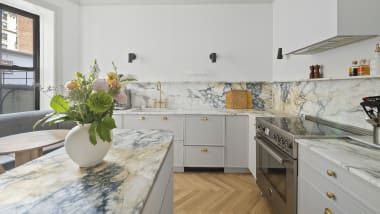
Kitchens provide an opportunity to introduce subtle variation, helping to define the space without breaking the overall flow.
Bedrooms allow for more flexibility, where warmer tones or softer finishes can create a comfortable and inviting atmosphere. This aligns with approaches that prioritize warmth and comfort in interior design .
Entryways and hallways are ideal for more distinctive patterns, creating a strong visual impact as soon as you enter the home.
Why Engineered Wood Makes Mixing Easier
Engineered wood flooring has made mixing hardwood floors more accessible than ever. Its multi layered construction provides stability and consistency, making it easier to combine different styles across a home.
Products within the same range often share similar dimensions and structural qualities, simplifying the process of coordinating multiple flooring types .
In addition, engineered wood performs well in environments with changing humidity levels, allowing for greater flexibility when mixing hardwood floors in different areas of the home.

Final Thoughts on Mixing Hardwood Floors
Mixing hardwood floors is both an art and a science. It requires a balance of creativity and restraint, where every decision contributes to a cohesive whole.
When approached thoughtfully, mixing hardwood floors can transform a home into a layered, visually engaging space. The key is to focus on harmony, consistency, and intentional design.
With the right choices, mixing hardwood floors becomes an opportunity to create a home that feels both unique and connected.

