











What Is End Grain Wood Flooring and Why Is It Making a Comeback?
25 Mar 2026
End grain wood flooring is one of the most distinctive and historically rich flooring options available today. Known for its durability, striking visual pattern, and heritage craftsmanship, end grain wood flooring has been used for centuries in both residential and commercial spaces. Recently, it has begun to make a strong comeback in modern interiors, catching the attention of architects, designers, and homeowners alike.
But what exactly is end grain wood flooring, and why are designers rediscovering it? In this guide, we explore the history, construction, benefits, and design appeal of end grain wood flooring, and why it is once again becoming a sought after flooring choice.
What Is End Grain Wood Flooring?
End grain wood flooring refers to wood blocks that are cut perpendicular to the tree’s growth rings. Instead of laying boards with the grain running lengthwise, end grain wood flooring exposes the circular growth rings of the wood.
This cutting method creates a completely different visual effect compared to traditional plank flooring. Rather than long linear grain patterns, the surface reveals natural rings and organic patterns that resemble small mosaics. The result is a highly textured and visually dynamic surface that instantly stands out.
Each piece of end grain wood flooring is typically cut into small blocks or tiles, which are then arranged together to form the finished floor. Because the end of the wood fibers faces upward, the floor becomes incredibly durable and resistant to wear. This orientation of the wood fibers allows the flooring to absorb pressure and impacts more effectively than standard plank flooring.
Historically, this type of flooring was used in factories, workshops, and warehouses due to its ability to withstand heavy loads and constant activity. Today, designers appreciate the same durability while also valuing the unique aesthetic that end grain wood flooring brings to a space.
The History of End Grain Wood Flooring
Although end grain wood flooring feels like a fresh design trend, it actually has deep historical roots. During the nineteenth century and the early industrial era, end grain blocks were widely installed in factories, mills, and industrial facilities.
Wood blocks proved to be an effective flooring solution because they were capable of handling heavy machinery and repeated impacts. The structure of end grain wood flooring allowed it to absorb vibration and noise better than stone or concrete floors, which made it a practical option in busy industrial environments.
In many historic buildings, especially converted warehouses and old manufacturing spaces, original end grain wood flooring can still be found today. These floors often remain in remarkably good condition even after decades of use, demonstrating just how durable this construction method can be.
Over time, the visual character of these floors began to attract attention from designers and architects. What was originally a purely functional surface became appreciated for its texture, pattern, and historical authenticity.
How End Grain Wood Flooring Is Made
The manufacturing process for end grain wood flooring differs significantly from the production of traditional wood planks. Instead of cutting boards along the grain of the wood, logs are sliced across the grain to create small blocks.
This cross section reveals the natural growth rings of the tree on the surface of each block. When many blocks are assembled together, they create the distinctive patterned appearance that end grain wood flooring is known for.
After the wood is cut, the blocks are carefully dried and stabilized to ensure they perform well once installed. In some cases, the blocks are assembled into panels or tiles that simplify installation while preserving the traditional aesthetic.
Because the strongest part of the wood fibers faces upward, end grain wood flooring becomes extremely resistant to dents and wear. This structure also allows the flooring to compress slightly under pressure and return to its original shape, which contributes to its longevity.
What Makes End Grain Wood Flooring Unique?
One of the most remarkable characteristics of end grain wood flooring is its durability. Since the wood fibers stand vertically rather than horizontally, the flooring can absorb impacts much more effectively than traditional plank flooring. This makes it particularly suitable for high traffic environments where long term performance is essential.
Another defining feature is the visual texture. The exposed growth rings create a natural pattern that cannot be replicated with conventional wood boards. Each block displays its own unique rings and grain formations, meaning no two sections of end grain wood flooring look exactly the same.

This organic variation gives the flooring a handcrafted appearance that many designers find appealing. In modern interiors, where authenticity and natural materials are highly valued, end grain wood flooring provides a surface that feels both timeless and distinctive.
In addition to its visual and structural qualities, wood flooring is widely valued for its sustainability when responsibly sourced. Many modern engineered wood products use carefully managed timber resources and durable wear layers designed to extend the lifespan of the floor.
Why End Grain Wood Flooring Is Making a Comeback
The resurgence of end grain wood flooring can be linked to several major trends in interior design and architecture. One of the most influential factors is the growing interest in authentic materials. Homeowners and designers increasingly seek surfaces that feel natural, tactile, and connected to craftsmanship.
End grain wood flooring fits perfectly within this movement because it highlights the raw beauty of wood in its most natural form. The visible growth rings emphasize the story of the material, creating a surface that feels rich with character.
Another reason for its return is the desire for distinctive flooring solutions. Many modern interiors are moving beyond traditional plank layouts in favor of more expressive designs. Patterned flooring such as parquet has gained popularity because it introduces movement and visual interest into a room.
End grain wood flooring offers a similarly bold design statement while maintaining the warmth and authenticity associated with natural wood.
Industrial inspired interiors have also contributed to the trend. Loft apartments, creative studios, and renovated commercial spaces often celebrate the history of buildings through exposed materials and original architectural features. Because end grain wood flooring was historically used in industrial settings, it naturally complements these environments.
Durability is another major factor behind its growing popularity. As sustainability becomes more important in construction and design, materials that last longer are increasingly valued. End grain wood flooring has a proven track record of longevity, making it an appealing option for both residential and commercial projects.
Design Styles That Work Well With End Grain Wood Flooring
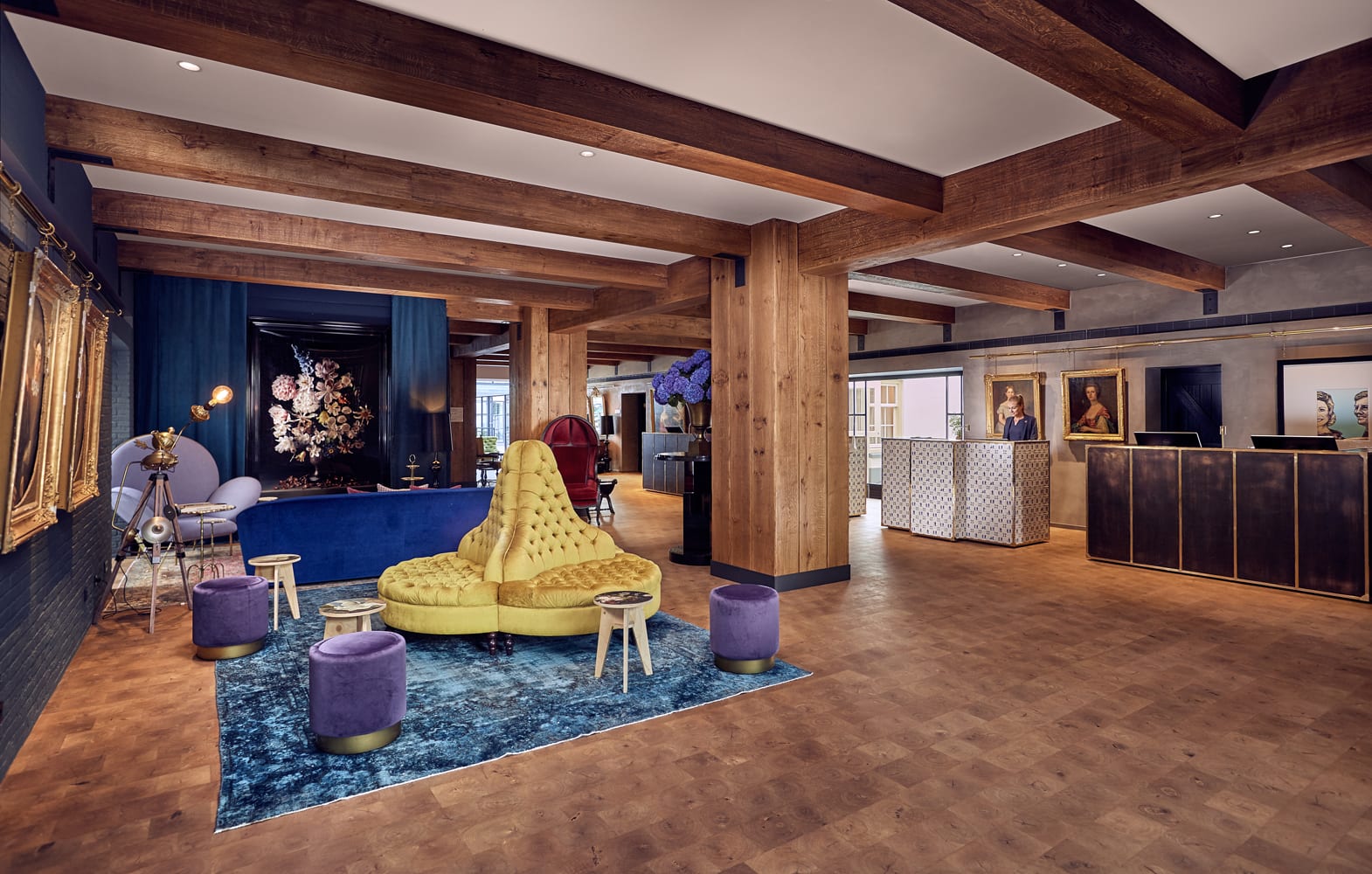
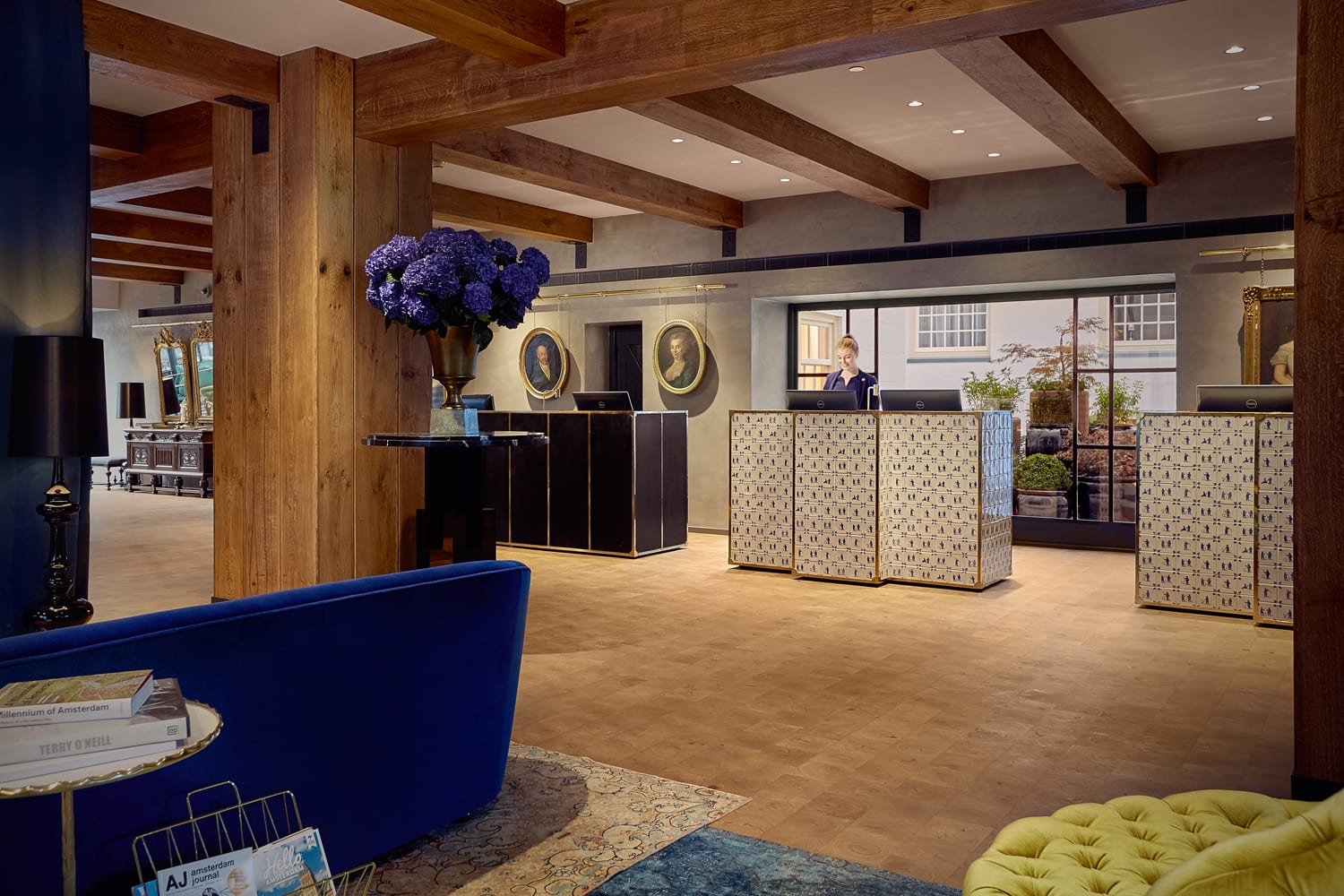
Although its origins are industrial, end grain wood flooring can work beautifully across a wide range of interior styles. In modern interiors, the textured surface creates contrast against clean architectural lines and minimalist furnishings. The flooring introduces warmth and depth without overwhelming the overall design.
Industrial style spaces are perhaps the most natural environment for end grain wood flooring. Exposed brick, steel accents, and open layouts complement the rugged history and raw character of the material.
Rustic interiors also benefit from the organic qualities of end grain wood flooring. When paired with natural materials, warm lighting, and handcrafted elements, the flooring enhances the sense of authenticity within the space.
Even contemporary commercial spaces such as restaurants, boutiques, and creative offices are beginning to incorporate end grain wood flooring. The distinctive pattern and durability make it ideal for environments that require both style and resilience.
Installation Considerations
Installing end grain wood flooring requires careful planning and skilled craftsmanship. Because the flooring consists of small blocks rather than long boards, the installation process differs from standard wood flooring systems.
The blocks must be properly aligned and secured to create a stable and even surface. Moisture control is also essential, as wood naturally expands and contracts in response to humidity. Preparing the subfloor correctly helps ensure the long term performance of the flooring.
Modern wood flooring technology has introduced engineered constructions that improve stability and installation efficiency. Engineered wood flooring often combines a hardwood wear layer with multiple structural layers to enhance strength and reduce movement.
These innovations make it easier to incorporate distinctive flooring styles such as end grain wood flooring into contemporary projects.
Maintenance and Longevity
Despite its exceptional durability, end grain wood flooring still benefits from regular care and maintenance. Routine cleaning helps remove dust and debris that can accumulate over time.
Wood safe cleaning products and protective finishes help preserve the natural appearance of the floor while protecting it from wear. Because the wood fibers face upward, finishes and oils can penetrate deeply into the surface, helping maintain the integrity of the wood.
With proper maintenance, end grain wood flooring can last for decades and often becomes more visually appealing as it ages. Over time, the floor develops a rich patina that enhances the natural patterns within the wood.
The Future of End Grain Wood Flooring
Interior design trends often rediscover traditional materials and reinterpret them for modern living. End grain wood flooring is a perfect example of this cycle.
What was once an industrial solution designed for durability has evolved into a sophisticated design feature. Architects and designers are embracing its distinctive texture, remarkable strength, and natural beauty.
As homeowners continue to seek materials that combine sustainability, durability, and visual character, end grain wood flooring is likely to remain an influential choice in contemporary design. For anyone looking to create a space that feels both authentic and enduring, this historic flooring style offers a compelling solution.