














Why Walnut Wood veneers Are a Top Choice for Modern Designers
25 Oct 2025
Interior designers today are constantly in search of materials that offer more than just beauty. They look for finishes that are versatile, sustainable, and capable of transforming a space with visual impact. Walnut wood veneers are becoming an increasingly popular choice for precisely these reasons. With their rich color palette, unique grain variation, and adaptability to various styles, walnut veneers are shaping the way modern interiors are being designed.
Whether applied in residential, commercial, or hospitality environments, walnut veneers add a layer of sophistication that feels both contemporary and enduring. Their wide appeal stems from the fact that they deliver the visual drama of natural wood while meeting the functional needs of modern spaces.
What Makes Walnut Wood Veneers So Special?
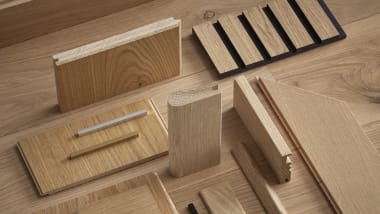
Walnut wood veneers are thin layers of real walnut wood that are adhered to a stable base material. This technique allows designers to achieve the luxurious appearance of solid wood without the high cost, heavy weight, or environmental impact. Veneers offer the same texture, tone, and warmth as solid wood, but with more flexibility for application.
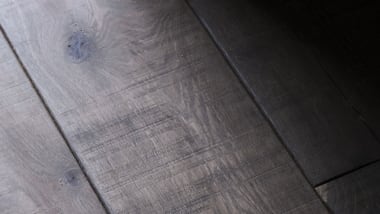
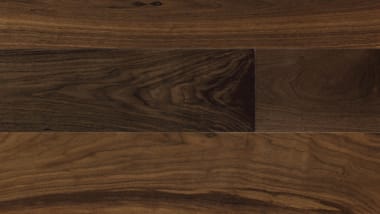
These veneers are known for their deep, chocolate-brown tones and natural grain movement. Depending on how the veneer is cut, it can appear smooth and linear or display swirling, organic patterns that bring added character to a room.
Sophistication Through Natural Aesthetic
Walnut is synonymous with high-end interior style. It introduces warmth, depth, and a grounded feel to any environment. Its refined brown tones, often enriched with undertones of grey or auburn, make it a natural match for a wide variety of color palettes.
This makes walnut wood veneers especially effective in spaces where subtle elegance is key. Designers are using them to create contrast in minimalist interiors or to enhance layered, textural environments that rely on tone-on-tone materials.
Lightweight, Yet Built to Perform
A significant advantage of walnut veneers is their reduced weight compared to solid hardwood. This makes them much easier to handle and install across large areas, including feature walls, ceilings, and built-in joinery. Despite being lightweight, walnut veneers are durable and long-lasting when properly finished and maintained.
The construction process also ensures greater dimensional stability. Warping and expansion, common with solid wood, are far less of a concern with well-manufactured veneers, making them ideal for environments with variable humidity or heating systems.
Responsible Design With Less Waste
Today’s designers are expected to build beautiful spaces with sustainability in mind. Walnut wood veneers make this possible by using significantly less raw material than solid wood. A single tree can produce many more square meters of veneer than solid boards, making this an efficient and environmentally thoughtful option.
Designers who prioritize sustainable sourcing also appreciate that veneers often come from responsibly managed forests. They allow for large-scale applications while maintaining a lower environmental footprint.
Smooth Transitions Across Interior Elements
Walnut veneers provide the consistency needed to achieve visual continuity across an entire space. Because veneers can be cut and applied with precision, designers can carry the same finish from walls to cabinetry to furniture with ease. This approach results in interiors that feel considered and cohesive.
Whether paired with stone, metal, glass, or other wood tones, walnut provides a neutral yet rich base that supports layered materiality. It works particularly well in open concept spaces where transitions between zones should feel fluid.
A Cost-Effective Path to a Premium Look
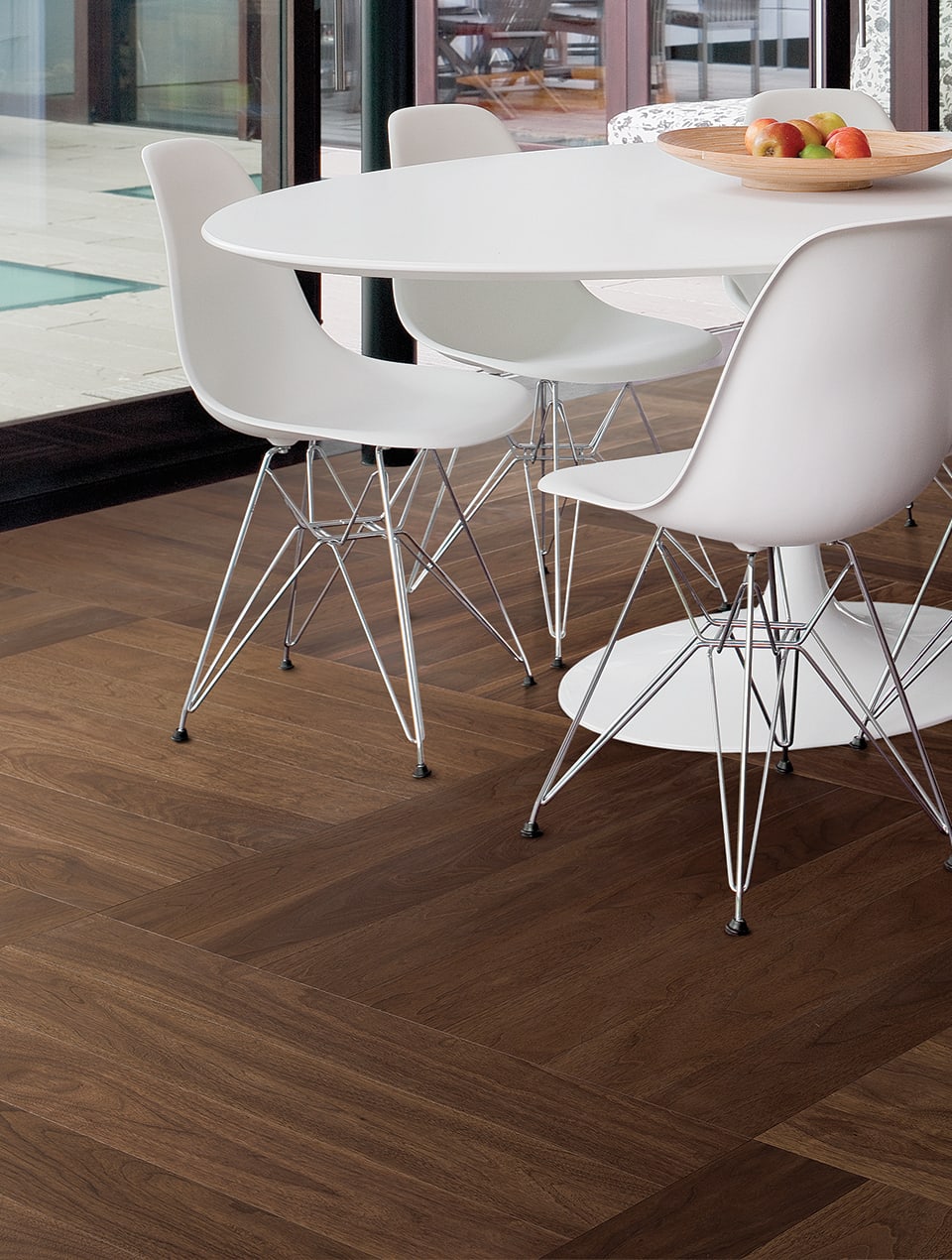
One of the most practical reasons designers turn to walnut wood veneers is their cost-efficiency. They offer the appearance of luxury at a fraction of the cost of solid walnut. For projects with budget constraints that still demand a premium finish, veneers make it possible to specify a high-end look without compromise.
Because of their efficiency, designers can explore more creative applications—wall cladding, curved surfaces, and custom details—without exceeding budgets or timelines.
Compatibility With a Range of Finishes
Walnut veneers can be finished in a variety of ways, from matte to satin and brushed to polished. These finish options enhance the natural grain and color of the wood while providing different sensory experiences, both visual and tactile.
This flexibility means walnut veneers can be adapted to suit everything from contemporary urban lofts to traditional heritage spaces. Designers can match the veneer’s finish to the lighting conditions, color scheme, and furniture selection in the room for a fully harmonized result.
Perfect for Bespoke and Built-In Design
The ability to customize is one of the key advantages of walnut wood veneers. Their thin profile makes them easy to work with, even on curved surfaces or detailed architectural features. Whether wrapping a column, crafting a bespoke credenza, or creating paneling that flows seamlessly around corners, veneers allow designers to think beyond flat planes.
This level of flexibility is invaluable in today’s design projects, where uniqueness and personalization are key selling points. With walnut veneers, every element can be tailored to match the vision.
Practical Applications Across Interior Design
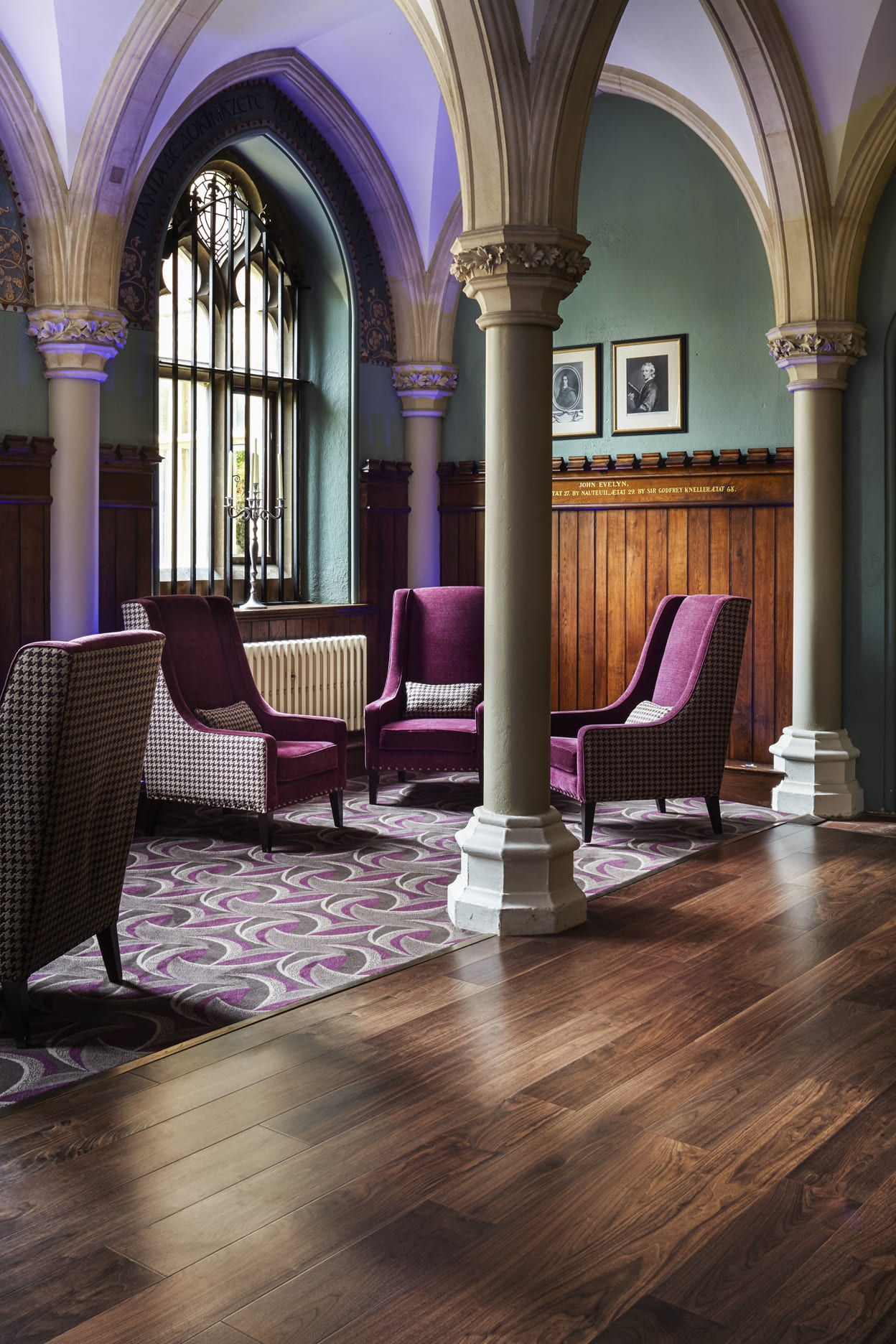
Walnut wood veneers are used across nearly every element of interior architecture. Designers often select them for wall paneling to bring warmth and richness into living areas, entryways, and bedrooms. In cabinetry, walnut offers a clean, upscale appearance for kitchens, bathrooms, and storage areas.
Furniture makers also incorporate walnut veneers into tables, shelves, and built-in seating to maintain a consistent material language. Even doors and trim elements benefit from the depth and refinement walnut brings. Its visual impact is undeniable, whether used on small details or major surfaces.
Why Walnut Veneers Are a Modern Essential
With the increasing demand for sustainable design, natural aesthetics, and material efficiency, walnut wood veneers have become a trusted choice for design professionals. They are not just a substitute for solid wood, but a design solution in their own right.
Their flexibility, beauty, and performance make them perfectly suited to modern interiors that require both form and function. Walnut’s timeless yet modern feel ensures that spaces retain their relevance and elegance over time.
Final Thoughts
Walnut wood veneers offer more than just surface-level appeal. They embody a design philosophy that balances luxury with practicality and sustainability with style. From their rich, organic beauty to their adaptability across different design elements, walnut veneers are an essential tool in any designer’s palette.
Whether used for large-scale commercial interiors or intimate residential spaces, walnut wood veneers provide the foundation for thoughtful, impactful design.