














Why Wood for Ceilings Is a Defining Feature in Modern Interiors
11 Feb 2026
Modern interiors are no longer defined by minimal walls and polished concrete alone. Today’s most compelling spaces balance clean architectural lines with warmth, texture, and authenticity. That is exactly why wood for ceilings has become a defining feature in modern interiors.
Designers and architects are increasingly looking upward, transforming the “fifth wall” into a statement surface. Wood for ceilings introduces natural character, softens acoustics, enhances spatial perception, and creates a cohesive design language that flows from floor to ceiling.
At Havwoods, we believe in wood that works. From flooring to walls and ceilings, wood for ceilings allows you to create interiors that feel elevated, purposeful, and architecturally complete.
Why Wood for Ceilings Instantly Elevates a Space
Wood for ceilings changes the way a space feels the moment you walk in. It adds depth, warmth, and dimension in ways painted drywall simply cannot. By introducing natural grain and tonal variation overhead, wood for ceilings transforms the atmosphere of a room, making it feel curated and intentional.
From an architectural perspective, wood for ceilings draws the eye upward and emphasizes height and structure. Whether installed in linear planks, slatted panels, or more intricate layouts, wood for ceilings creates a strong rhythm that enhances the overall geometry of a space. The ceiling becomes a design feature rather than a blank surface.
Modern interiors often lean toward neutral palettes, glass, and metal finishes. Wood for ceilings balances these cooler elements with organic texture. European oak tones, for example, introduce warmth without overpowering a contemporary aesthetic. This balance is essential in achieving interiors that feel modern yet welcoming.
Another powerful advantage of wood for ceilings is design continuity. Extending the same material from floor to ceiling creates a cohesive environment that feels refined and complete. In open concept homes, where visual flow is crucial, wood for ceilings can reinforce unity across living, dining, and kitchen areas. As discussed in The best flooring type for open concept spaces , flooring plays a vital role in tying expansive areas together. When that material continues onto the ceiling, the result is a seamless and immersive design experience.
Wood for Ceilings and the Modern Minimalist Aesthetic
Minimalism is not about emptiness. It is about intentionality. Wood for ceilings supports minimalist design by adding subtle depth without introducing clutter. Clean-lined planks installed in a consistent direction can elongate a room and reinforce its architectural framework.
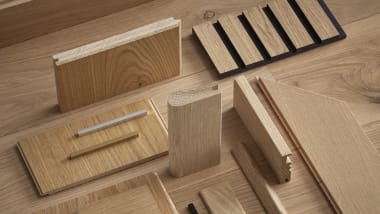
Lighter finishes such as prime-grade oak create a soft, airy effect that complements neutral interiors. Multi-layered engineered boards, such as Amazon 13 – Prime 180mm 1-Strip, feature stable construction and a 4mm wear layer, making them versatile across floors, walls, and ceilings . This type of product allows designers to maintain consistency throughout a project.
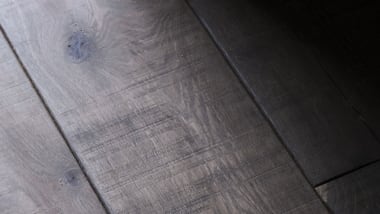
For those seeking a more natural and expressive aesthetic, products like Aspen Raw 13 Prime 180mm 1-Strip offer a UV oiled finish that enhances the natural grain and texture of European oak . Used as wood for ceilings, this finish creates a subtle yet impactful visual layer that enhances the modern minimalist scheme.
Acoustic and Functional Benefits of Wood for Ceilings
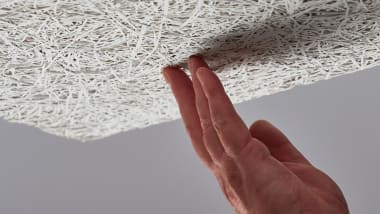
Beyond aesthetics, wood for ceilings delivers important functional advantages. In large or open spaces, hard surfaces can cause sound to reverberate. Wood helps absorb and diffuse sound, creating a more comfortable acoustic environment. This is especially beneficial in open concept living areas, hospitality projects, and commercial environments where sound control contributes to the overall experience.
Wood for ceilings can also be used to conceal ductwork, lighting tracks, and structural elements. By integrating these systems behind or within ceiling panels, designers can maintain a clean visual appearance without sacrificing accessibility. Engineered wood is particularly well suited for overhead applications due to its dimensional stability, which reduces the risk of movement caused by changes in humidity.
Wood for Ceilings in Residential Interiors
In residential settings, wood for ceilings creates both drama and comfort. In living rooms, a wood ceiling can anchor the entire design and provide a warm counterpoint to contemporary furnishings. In kitchens and dining areas, wood for ceilings softens hard finishes such as stone countertops and stainless steel appliances, creating balance within the space.
Hallways and transitional areas also benefit from wood for ceilings. These spaces are often overlooked, yet they play a crucial role in how a home feels as a whole. Introducing wood overhead in these areas adds depth and transforms circulation zones into design moments.
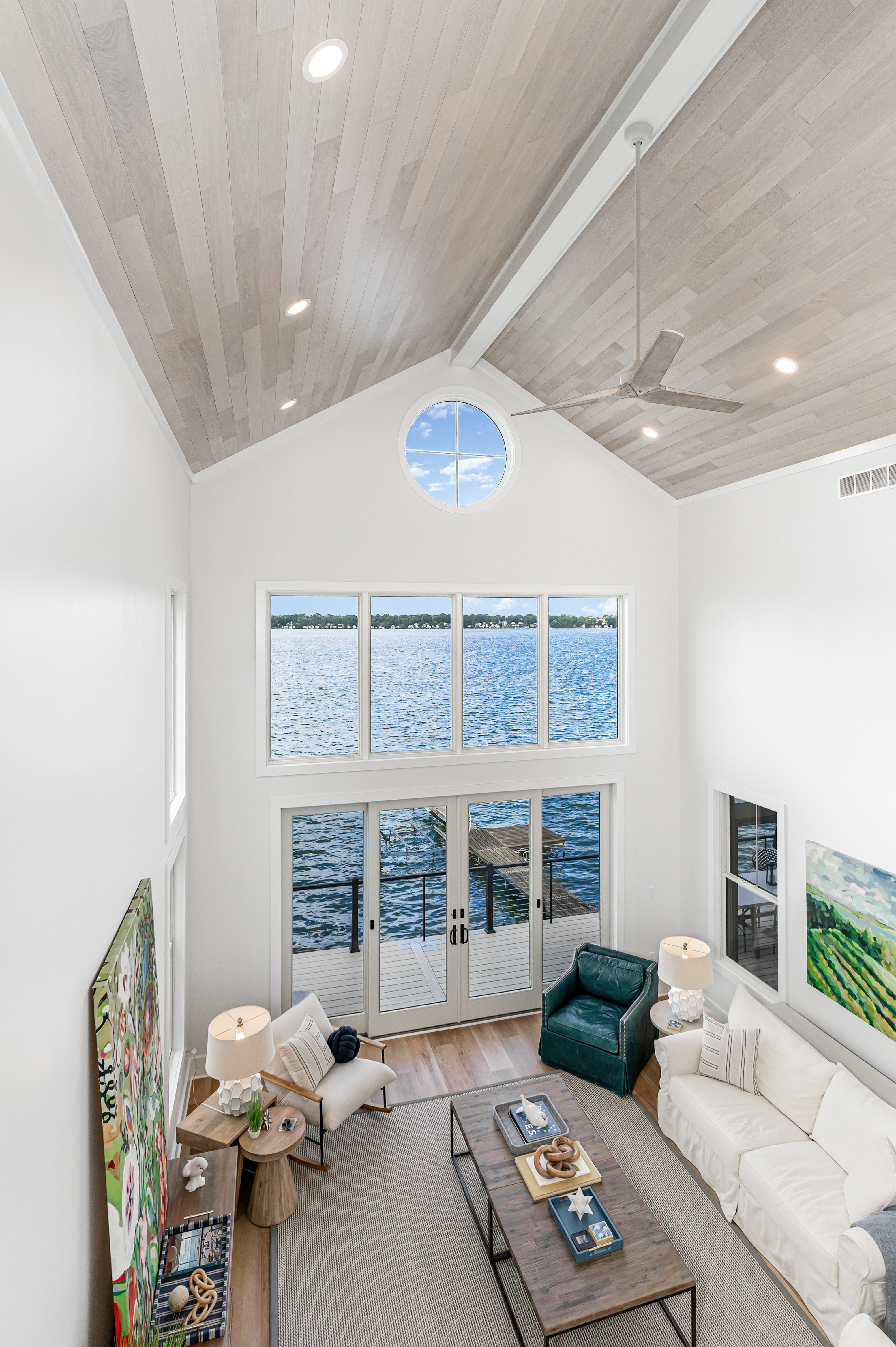
For projects that call for greater character and tonal variation, Blanco 13 – Character 180mm 1-Strip offers a distinctive look with an extra white UV oiled finish . Similarly, Cedro 12 – Character 180mm 1-Strip provides a honey-toned warmth that can enrich ceilings and create inviting interiors . Both options demonstrate how wood for ceilings can be tailored to suit different design narratives.
Wood for Ceilings in Commercial and Hospitality Design
The hospitality sector has embraced wood as a material that supports both sustainability and guest experience. As highlighted in Why Wood is the Architect’s Choice for Sustainable Hotels , wood contributes to biophilic design and aligns with eco-conscious values.
In hotels, restaurants, and retail environments, wood for ceilings enhances atmosphere and reinforces brand identity. It creates a welcoming and elevated setting while supporting acoustic comfort in high-traffic spaces. The use of wood for ceilings in commercial design signals attention to detail and a commitment to quality.
Sustainability is also central to the appeal of wood for ceilings. Wood is a renewable material that stores carbon throughout its life cycle. Engineered construction maximizes material efficiency by using a hardwood wear layer over a stable core, reducing the demand for solid hardwood. When responsibly sourced and specified, wood for ceilings becomes a responsible and forward-thinking choice.
Installation and Long-Term Performance
Proper installation is essential to ensure the long-term performance of wood for ceilings. Structural support, expansion allowances, and humidity control must all be carefully considered. Coordinating lighting and mechanical systems before installation helps achieve a seamless result.
Havwoods’ FAQs provide additional guidance on installation, finishes, and maintenance considerations . By working with experienced professionals and selecting high-quality engineered products, wood for ceilings can perform beautifully for years to come.

The Future of Wood for Ceilings
Design trends continue to evolve, yet natural materials remain at the forefront of contemporary interiors. As discussed in Top 5 Flooring Trends to Watch in 2025 , texture, warmth, and biophilic elements are shaping the next chapter of interior design. Wood for ceilings aligns perfectly with these movements, offering authenticity and depth in increasingly streamlined spaces.
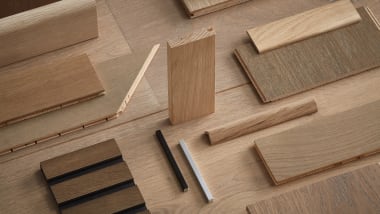
At Havwoods, our expert team helps clients find the right samples and specifications for their projects . Whether you are designing a private residence or a large-scale commercial development, wood for ceilings offers a powerful way to define space and elevate interiors.
Wood for ceilings is more than a decorative choice. It is an architectural statement that transforms the character of a room. By introducing warmth, texture, and continuity overhead, wood for ceilings defines modern interiors in a way few other materials can.