














Wood Boarding for Walls: How to Transform Interiors with Natural Texture
22 Dec 2025
Wood boarding for walls has become one of the most effective ways to introduce warmth, depth, and character into interior spaces. No longer limited to rustic cabins or traditional homes, wood boarding for walls is now a defining feature in contemporary residential and commercial design. From subtle accent walls to full room transformations, wood boarding for walls offers a tactile, architectural quality that elevates interiors beyond flat painted surfaces.
At Havwoods, the focus is always on wood that works, not only underfoot but across walls, ceilings, cabinetry, and bespoke joinery. Using high quality engineered wood products designed for stability and longevity, wood boarding for walls becomes a design investment that delivers visual impact while maintaining performance.
Why Wood Boarding for Walls Is Transforming Modern Interiors
Wood boarding for walls brings something unique that few other materials can replicate: natural texture paired with material integrity. While trends in paint colors and wall coverings continue to evolve, wood boarding for walls remains relevant because it responds dynamically to light, shadow, and movement within a space.
Natural wood introduces visual softness that balances hard architectural lines. In modern interiors filled with glass, steel, and stone, wood boarding for walls acts as a grounding element. It absorbs sound, adds warmth, and creates a sense of comfort that feels intentional rather than decorative.
Another reason wood boarding for walls continues to grow in popularity is its adaptability. Whether the design direction is minimalist, organic modern, industrial, or classic, wood boarding for walls can be tailored through species choice, finish, board width, and installation direction.
The Design Benefits of Wood Boarding for Walls
Wood boarding for walls delivers more than visual appeal. It actively enhances how a space feels and functions on a day to day basis.
Acoustic performance is one of the most valuable benefits of wood boarding for walls. The natural grain and texture help diffuse sound, reducing echo and creating a calmer atmosphere. This is particularly beneficial in open plan homes, offices, hospitality venues, and retail environments where noise control supports comfort and usability.
Wood boarding for walls also creates visual continuity. Using complementary wood finishes across floors and walls allows interiors to flow naturally from one space to another. This layered use of wood introduces cohesion without appearing repetitive or overwhelming.
There is also a strong emotional connection to natural materials. Biophilic design principles consistently highlight the positive impact of wood on wellbeing. Wood boarding for walls brings this connection into interiors in a refined, architectural way that feels both contemporary and inviting.
Choosing the Right Wood for Wall Boarding
Selecting the right product is essential when specifying wood boarding for walls. Not all wood is suitable for vertical applications, and performance should be considered alongside appearance.
Engineered wood is often preferred for wood boarding for walls due to its layered construction. This structure provides enhanced stability, reducing the risk of movement caused by fluctuations in temperature and humidity. As walls experience different conditions than floors, this stability is particularly important.
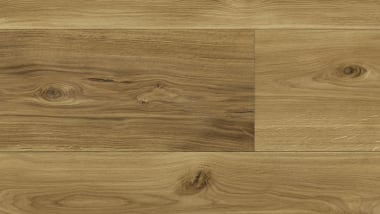
European oak remains one of the most popular species for wood boarding for walls. Its consistent grain pattern, wide tonal range, and natural durability make it suitable for both residential and commercial interiors. Oak adapts well to different finishes, allowing designers to achieve anything from a raw, natural look to a more polished aesthetic.
Finish choice has a significant impact on the final result. Oiled finishes enhance the grain and texture of the wood, creating a soft, organic appearance that feels warm and natural. Lacquered finishes provide a more uniform look with added protection, making them ideal for higher traffic or hospitality environments.
Board size and grade also influence how wood boarding for walls is perceived. Wider boards tend to feel more architectural and modern, while narrower boards introduce rhythm and detail. Cleaner grades offer a calm, minimal appearance, while character grades bring knots and tonal variation that add personality and depth.
Where Wood Boarding for Walls Works Best
Wood boarding for walls can be used across a wide range of interior settings, offering both subtle enhancement and bold visual impact.
In living rooms, wood boarding for walls is often used to frame fireplaces, media units, or feature seating areas. It adds texture and warmth without overpowering the space, especially when paired with neutral furnishings and considered lighting.
Bedrooms benefit greatly from wood boarding for walls, particularly behind headboards. The material creates a cocooning effect that feels calm and restorative, turning bedrooms into inviting retreats. The natural tones of wood also pair beautifully with soft textiles and layered lighting.
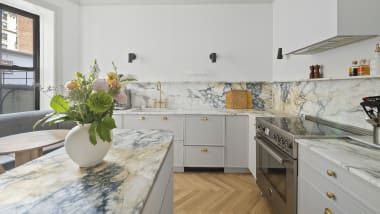
Kitchens and dining areas use wood boarding for walls to soften cabinetry and hard surfaces. When applied thoughtfully, it introduces warmth and contrast alongside stone countertops, metal fixtures, and contemporary finishes.
Commercial spaces such as hotels, offices, and retail environments rely on wood boarding for walls to establish atmosphere and brand identity. Wood communicates quality and craftsmanship instantly, making it a powerful material in customer facing spaces where first impressions matter.
Installation Styles That Shape the Look of Wood Boarding for Walls
The way wood boarding for walls is installed plays a major role in the overall aesthetic. Direction, alignment, and layout all contribute to how the space is experienced.
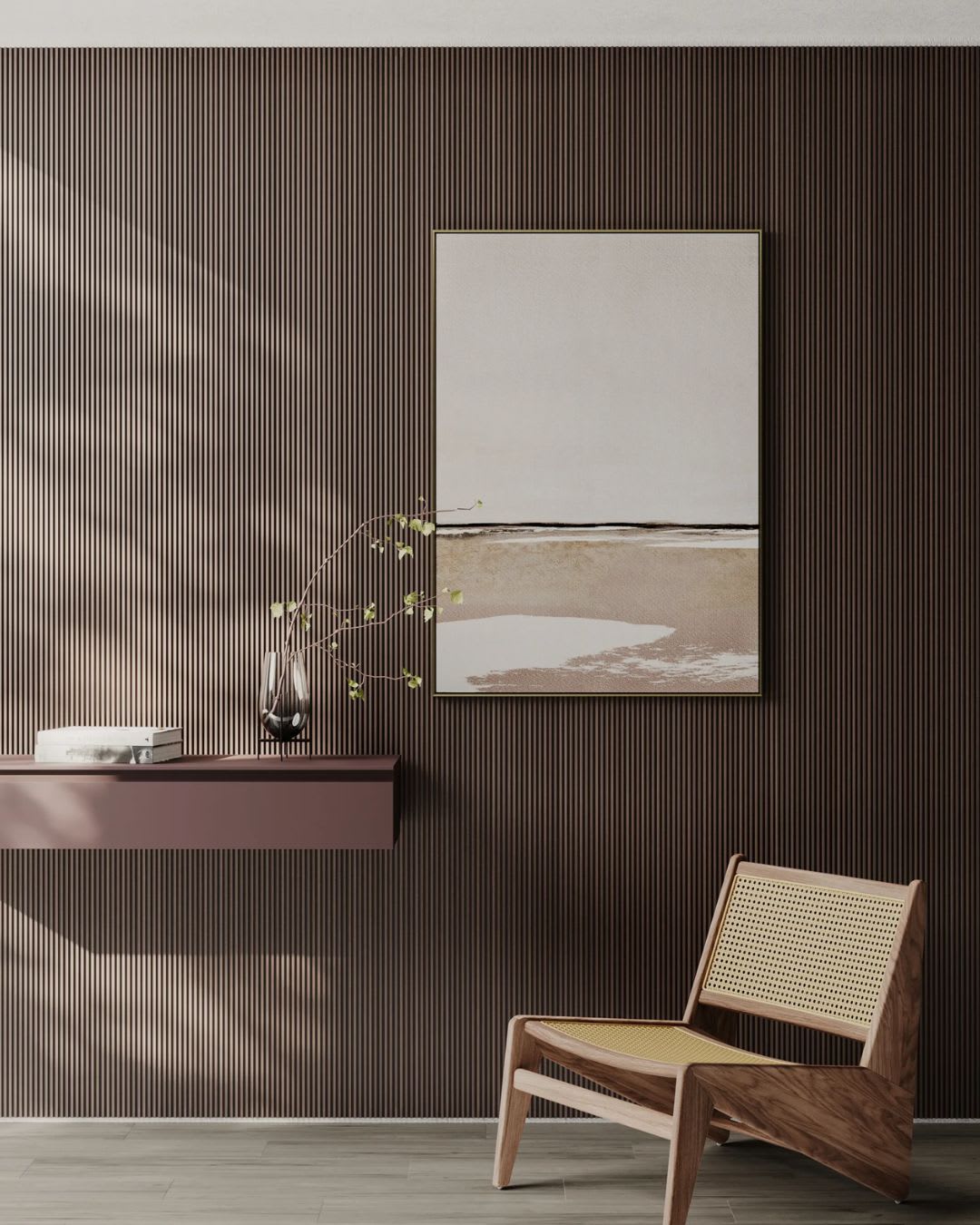
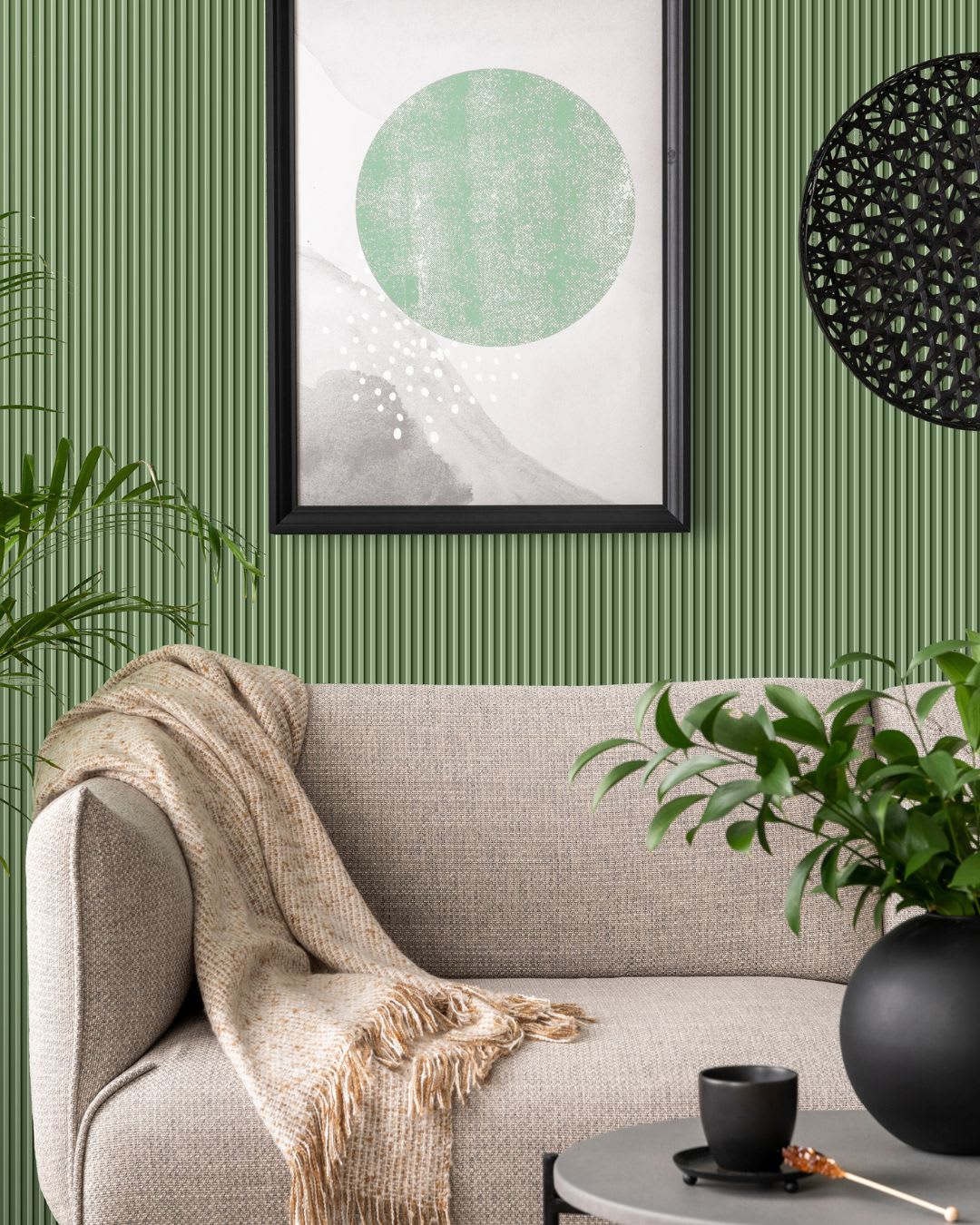
Vertical installation emphasizes height, making it ideal for rooms with lower ceilings or spaces that need a sense of lift. This approach feels clean, modern, and architectural.
Horizontal installation visually widens a space, which works well in narrow rooms or corridors. It references traditional paneling styles while remaining highly relevant in contemporary interiors.
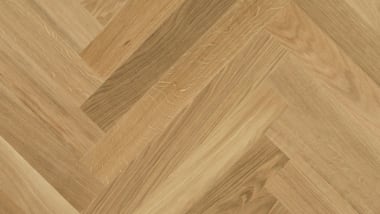
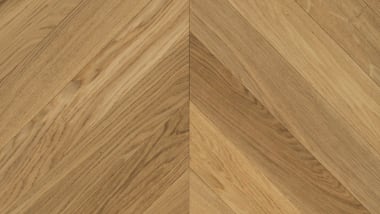
More creative layouts, such as diagonal or bespoke patterns, introduce movement and drama. These installations turn wood boarding for walls into a strong design feature, often used in statement areas or commercial settings.
When planning wood boarding for walls, the first step is to clearly define the purpose of the wall. Consider whether it will function as a subtle accent or as a full surface treatment that sets the tone for the entire space. Feature walls often work best when they highlight architectural elements such as fireplaces, bedheads, or circulation zones, while full wall applications can create an immersive, cohesive interior.
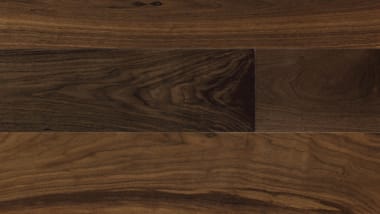
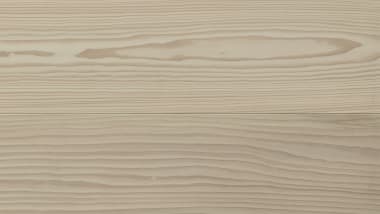
Selecting the right wood species and finish is the next consideration. The chosen wood should work in harmony with existing materials, furnishings, and lighting conditions. Lighter tones help brighten interiors and support a contemporary aesthetic, while deeper hues add richness and contrast. Finish choice also influences how the wood reflects light and showcases its natural grain.
Board size and grade then shape the overall character of wood boarding for walls. Wider boards create a bold, architectural statement, while narrower boards introduce rhythm and visual interest. Cleaner grades deliver a refined look, while character grades add depth through natural variation.
Installation direction should be carefully considered to enhance room proportions. Vertical boards draw the eye upward, increasing the sense of height, while horizontal boards expand the perceived width of a space. The direction should always align with the architectural intent of the room.
Finally, working with experienced professionals ensures correct preparation and fixing. Proper installation is critical for long term performance and visual consistency. Attention to wall preparation, fixing methods, and alignment allows wood boarding for walls to maintain its impact over time.
Sustainability and Wood Boarding for Walls
Sustainability plays an increasingly important role in material selection, and wood boarding for walls aligns naturally with responsible design values. When sourced and manufactured correctly, wood is a renewable material with a lower environmental impact than many synthetic alternatives.
Engineered wood products maximize the use of each log by combining a real wood wear layer with a stable core. This approach reduces waste while preserving the authentic look and feel of solid wood.
Longevity is another sustainable advantage. Wood boarding for walls is not a short term finish. With proper care, it can last for decades, aging gracefully rather than requiring frequent replacement. This durability supports sustainable design by reducing material turnover.
Maintenance and Long Term Performance
Wood boarding for walls is relatively easy to maintain. Regular dusting and gentle cleaning are usually sufficient to keep surfaces looking their best. Compared to painted walls, wood is less prone to showing marks and scuffs over time.
Oiled finishes may require occasional refreshing depending on the environment, while lacquered finishes offer added protection with minimal upkeep. Selecting the appropriate finish from the outset ensures wood boarding for walls performs well in its intended setting.
Because walls experience less physical wear than floors, wood boarding for walls often retains its appearance for many years, making it a practical and visually rewarding choice.
Elevating Interiors with Wood Boarding for Walls
Wood boarding for walls goes beyond decoration. It plays an architectural role by defining zones, guiding movement, and enhancing spatial flow. When used across walls, ceilings, and joinery, wood creates interiors that feel cohesive and considered.
Lighting interacts beautifully with wood boarding for walls, highlighting grain and texture to create depth and dimension. This natural interplay adds visual interest that flat surfaces simply cannot achieve.
Incorporating wood boarding for walls is about choosing a material that offers warmth, texture, and authenticity while delivering long term design value. With thoughtful selection and expert installation, wood boarding for walls becomes a defining feature that elevates interiors and stands the test of time.

