












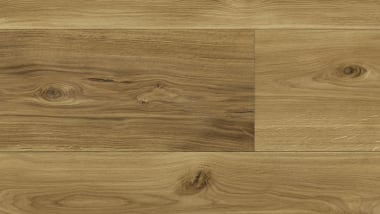



Wood Stair Edging for Residential and Commercial Projects
22 Jan 2026
When we think about staircases, they are often treated as purely functional elements. In reality, stairs play a major role in how a space looks, feels, and performs. Wood stair edging is one of the most important details in staircase design, shaping safety, durability, and visual flow in both residential and commercial environments. When specified correctly, wood stair edging helps stairs feel intentional, refined, and built to last.
In residential homes, wood stair edging allows you to carry your flooring design seamlessly between levels. In commercial spaces, wood stair edging must meet higher performance demands while still supporting a polished, design led finish. When you understand how wood stair edging works and why material selection matters, you can make confident decisions that support both aesthetics and long term performance.
What Is Wood Stair Edging?
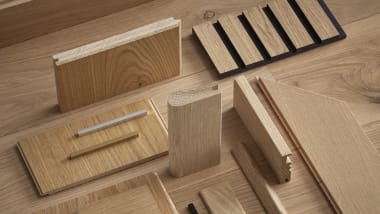
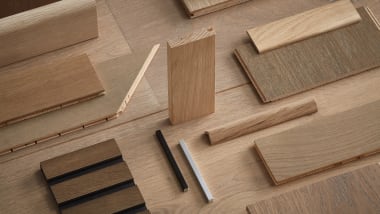
Wood stair edging, sometimes called stair nosing, is the finished edge installed along the front of each stair tread. We use wood stair edging to protect the exposed edge of the stair, improve grip underfoot, and create a clean transition between the tread and riser. Without wood stair edging, stair edges are far more vulnerable to wear and damage, which can quickly affect both safety and appearance.
Wood stair edging is designed to match or complement your wood flooring, ensuring consistency in color, grain, and finish. This consistency is especially important in open plan interiors and commercial projects where staircases are highly visible and closely connected to surrounding floors.
Why Wood Stair Edging Matters in Residential Spaces
In residential settings, wood stair edging supports both safety and design continuity. Your home sees daily use from family members, guests, pets, and moving furniture. Wood stair edging strengthens the leading edge of each step, helping prevent chipping and wear while delivering a refined finish that feels deliberate rather than unfinished.
From a practical perspective, wood stair edging improves safety by reinforcing stair edges and reducing long term deterioration. From a design standpoint, it allows you to maintain a smooth visual transition between floors and staircases, helping your home feel cohesive and well considered. Over time, properly specified wood stair edging reduces maintenance needs and adds value through thoughtful detailing that holds up to everyday life.
Wood Stair Edging in Commercial Projects
Commercial environments place greater demands on every material choice. Offices, hotels, retail spaces, restaurants, and multi use developments experience constant foot traffic throughout the day. In these settings, wood stair edging needs to deliver durability, stability, and visual consistency without compromise.
We specify commercial grade wood stair edging to withstand frequent use while maintaining its appearance. When you choose the right wood stair edging, you help protect stair edges from premature wear, reduce ongoing maintenance requirements, and support compliance with safety standards. In public facing spaces, wood stair edging also improves accessibility by clearly defining step edges for everyone using the staircase.

Matching Wood Stair Edging to Wood Flooring
One of the greatest advantages of wood stair edging is the ability to create a seamless connection between your staircase and surrounding flooring. When you match wood stair edging to engineered or solid wood flooring, you achieve consistency in tone, grain pattern, and surface finish across levels.
When stair edging is manufactured from the same species and finished to match the flooring, stairs feel like a natural extension of the floor rather than a separate design element. We regularly recommend this approach in both residential and commercial projects because it creates a unified, intentional look. Careful consideration of wood species, grade, finish, thickness, and profile ensures your wood stair edging integrates cleanly with the overall flooring system.
Engineered Wood Stair Edging Benefits
Engineered wood stair edging is a popular choice for modern projects because it offers enhanced dimensional stability. The engineered construction helps wood stair edging resist movement caused by temperature changes and fluctuations in humidity.
If your home includes underfloor heating or experiences seasonal climate shifts, engineered wood stair edging provides added reliability. In commercial settings, engineered options perform consistently under heavy foot traffic. With strong wear layers and controlled construction, engineered wood stair edging delivers durability, compatibility with contemporary flooring systems, and a uniform appearance throughout the space.
Design Considerations for Wood Stair Edging
Wood stair edging has a significant influence on how a staircase feels within a space. The profile, proportions, and finish you choose affect whether the stairs appear minimal and modern or more defined and architectural. Clean, simple profiles suit contemporary interiors, while slightly more detailed edging can add character and depth.
We often use wood stair edging to highlight architectural intent or soften transitions between levels. In residential interiors, it helps bring warmth and continuity. In commercial spaces, it reinforces a premium, natural aesthetic that aligns with modern design expectations. When selecting wood stair edging, you should consider staircase visibility, lighting conditions, foot traffic levels, and the overall style of the interior.
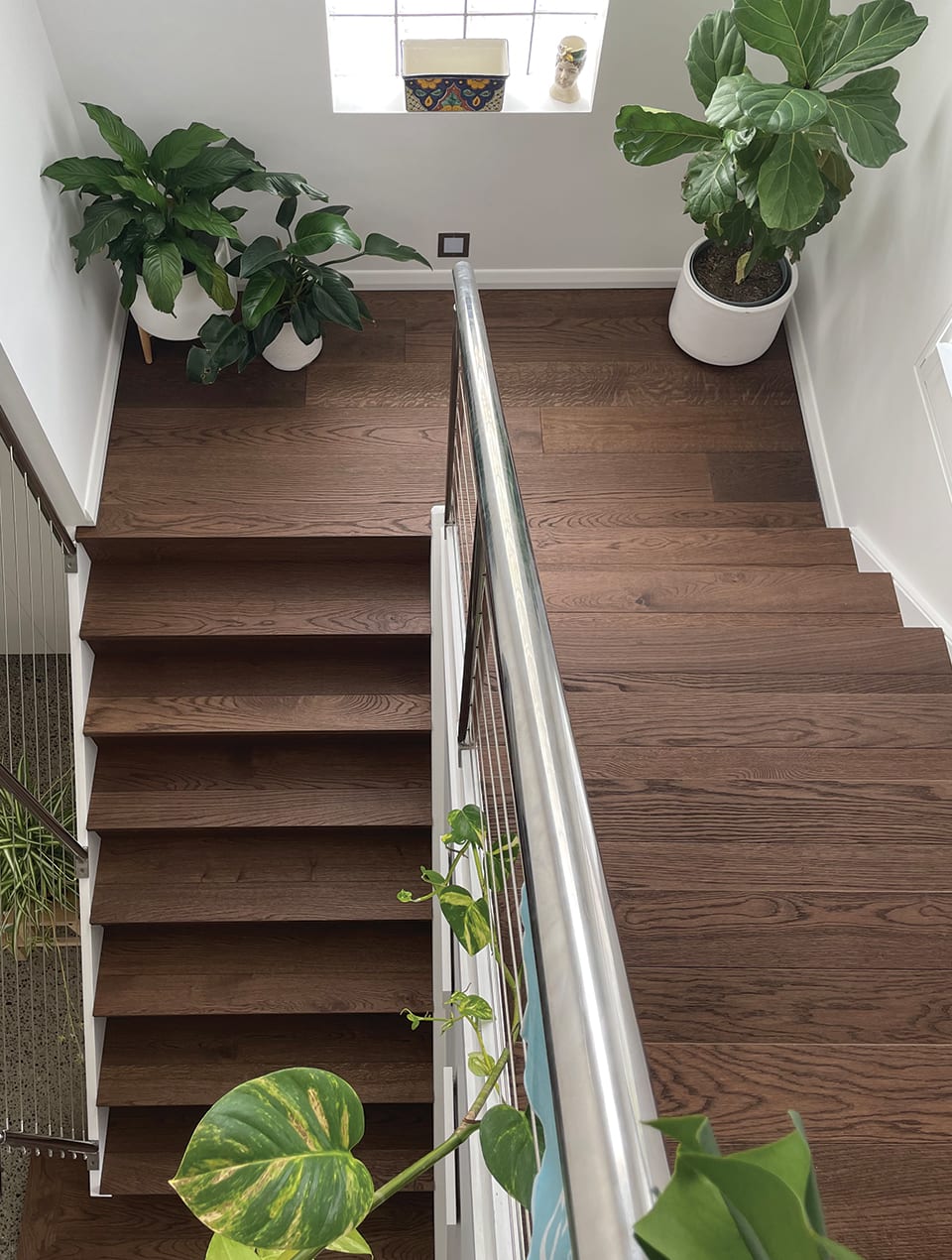
Safety and Performance of Wood Stair Edging
Safety is one of the main reasons we specify wood stair edging in both residential and commercial projects. Exposed stair edges wear faster and can become hazardous over time. Wood stair edging strengthens these edges, improves traction, and enhances visual clarity.
In commercial environments, wood stair edging supports safety requirements by clearly defining stair boundaries, especially in high traffic areas. By reinforcing step edges and improving visibility, wood stair edging contributes to safer movement throughout the building and helps maintain long term staircase performance.
Installation Best Practices for Wood Stair Edging
Even the best wood stair edging depends on proper installation to perform as intended. Accurate measurements ensure each piece fits securely and aligns correctly with adjacent flooring. Fixing methods and adhesives must be chosen based on the substrate, stair construction, and expected traffic levels.
We always recommend professional installation to ensure wood stair edging delivers both performance and visual consistency. This is particularly important in commercial projects, where installation quality directly affects durability, safety compliance, and overall finish across larger areas.
Maintenance and Longevity
Wood stair edging is designed to perform for many years when cared for properly. Regular cleaning removes debris that can cause surface abrasion, while appropriate maintenance products help protect the finish.
In residential settings, simple routine care is usually sufficient. In commercial spaces, scheduled maintenance helps ensure wood stair edging continues to perform well despite constant use. With the right care approach, wood stair edging maintains its structural integrity and appearance, even in demanding environments.
Why Wood Stair Edging Is a Smart Investment
Wood stair edging is not just a finishing detail. It is an investment in safety, durability, and design quality. Whether you are working on a private home or a large commercial project, wood stair edging enhances staircase performance while elevating the overall interior.
When you choose high quality wood stair edging that complements your flooring and suits the demands of the space, you create a cohesive result that lasts. Wood stair edging supports architectural intent, reinforces safety, and delivers a refined finish that adds long term value.
Wood Stair Edging for Modern Projects
As interior design continues to favor natural materials and cohesive layouts, wood stair edging remains an essential component of modern spaces. Its ability to balance performance with aesthetics makes it suitable for a wide range of residential and commercial applications.
From private homes to high traffic public interiors, wood stair edging provides structure, stability, and visual continuity. When you specify it thoughtfully and install it correctly, wood stair edging transforms staircases into strong architectural features that perform as well as they look.

