














Seamless Flooring From Old to New
Project - Chelsea Town House
Location - London
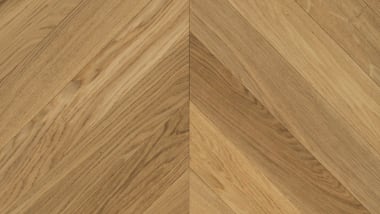
Product Used - HW2366 Basque herringbone | HW14306 Basque plank
Builder - ARKD London
Photographer - Calverts
Instagram - arkd.london
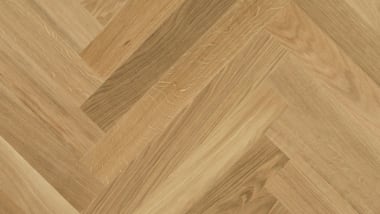
Using HW2366 Basque herringbone and HW14306 Basque planks, ARKD London precisely matched the tone and character of the existing flooring, creating a cohesive timber language throughout the home.

Achieving a near-perfect match
One of the most defining features of the property was the existing nail-down herringbone oak flooring in the living room and master bedroom. Rather than replacing it, the decision was made to restore and celebrate this feature, using it as a reference point for all new flooring introduced throughout the house.
The project involved replacing the carpeted secondary bedrooms with hardwood flooring and extending timber finishes into the circulation spaces. The main challenge was achieving a near-perfect match between the restored original flooring and the new herringbone installed in adjacent areas. Any variation in tone, grain, or pattern would have disrupted the visual flow of the house.
Havwoods flooring was selected for its consistency, quality, and range of complementary detailing.
HW2366 Basque herringbone from the V Collection was glue-down installed, allowing for a stable and refined finish that closely mirrored the original nail-down boards.
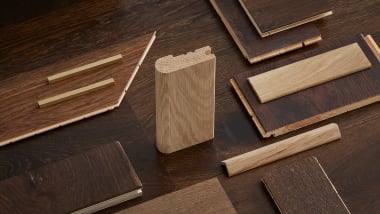
On the landings, HW14306 Basque planks were used, along with bespoke bullnose stair nosings that matched the timber precisely, ensuring a clean and considered transition between levels.


Junctions between different materials
Special attention was given to junctions between materials. A recessed metal threshold was specified to connect the staircase landing with the large-format tiles in the bathroom, creating a subtle yet highly detailed transition that respected both finishes without visual clutter.
To further refine the integration between old and new, unfinished oak trims were used alongside the restored flooring and stained on-site to match the original surface. While an exact match is rarely achievable in restoration-led projects, the result was extremely close—visually cohesive and technically precise.


