























Havwoods match+maker: A curated guide of contrasting and complementary timber tones
26 Mar 2026
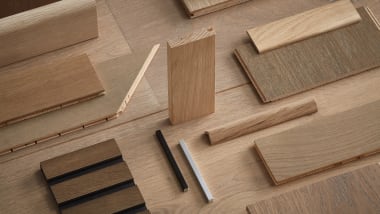
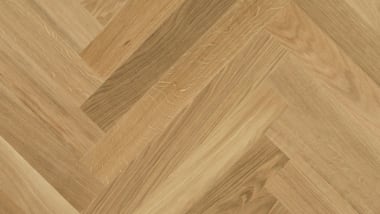
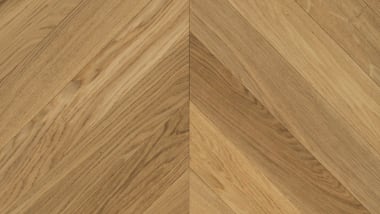
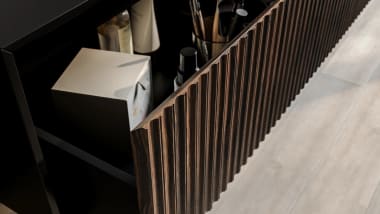
Havwoods match+maker was created to simplify the specification process and help bring great designs to life, this curated collection shows how Havwoods timber can be mixed and matched across floors, walls, cabinetry and architectural details. Whether you’re creating continuity or contrast, match+maker is designed to help you bring tone, undertone and texture together so multiple timber surfaces feel considered and cohesive.
How to use timber beyond the floor
There’s something instinctive about timber. It’s often the first material we reach for when we want a space to feel warmer, calmer, more grounded.
Today, timber is no longer confined to the floor. It moves across walls, joinery, ceilings, and architectural details, shaping spaces in a more immersive way.
At Havwoods, we see timber being used in increasingly creative ways. Designers and homeowners alike are embracing its ability to unify spaces, add warmth, and elevate everyday interiors.
But as timber takes on a greater role in interiors, the question naturally follows: how do you bring multiple timber surfaces together so they feel intentional, not accidental?
The answer lies in understanding how timber works across multiple surfaces. And how different tones can be mixed or matched with confidence.
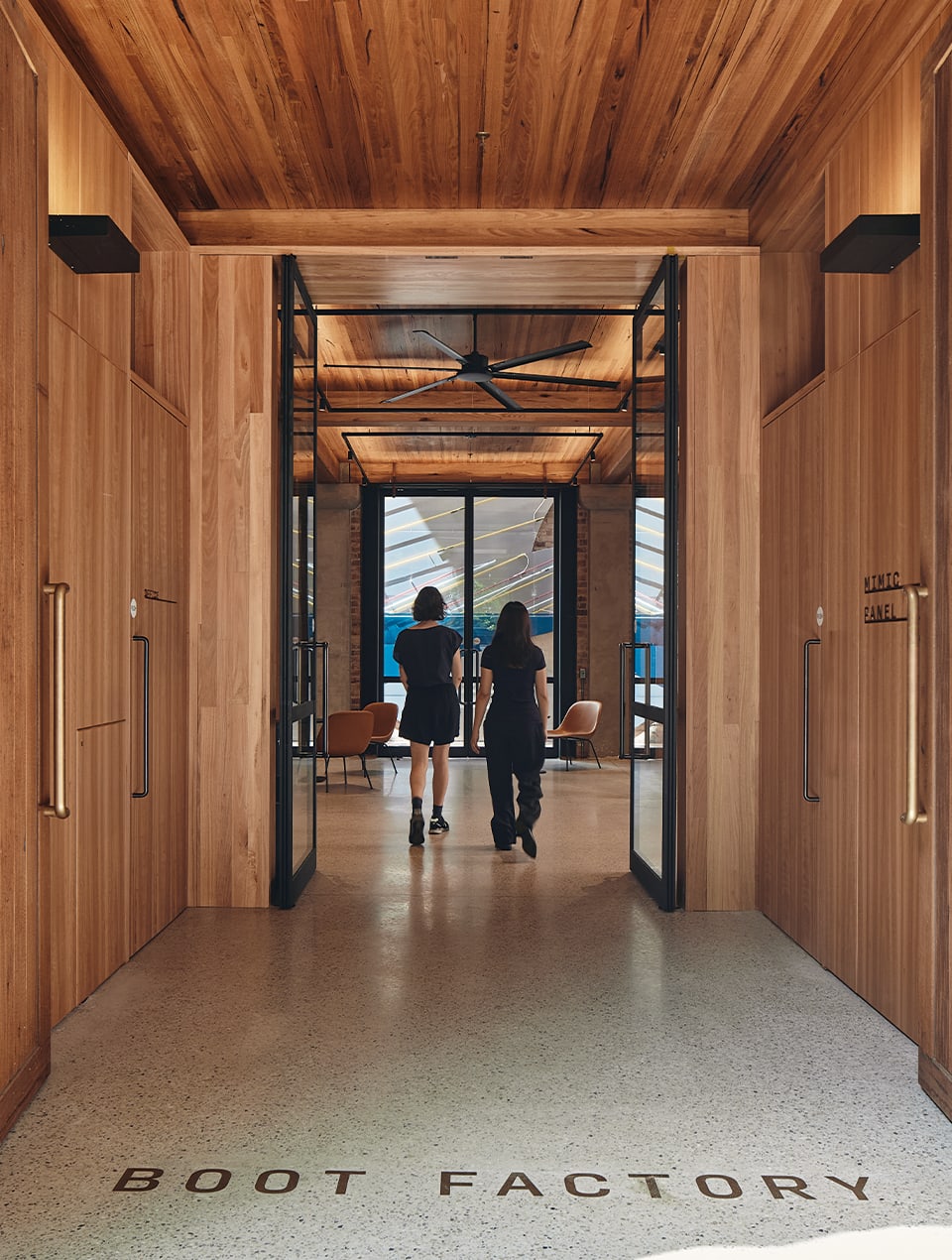
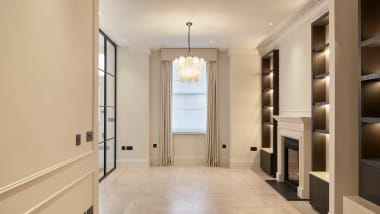
The Boot Factory in Bondi Junction showcases Havwoods EP110 Blackbutt timber from the Australian Collection. Specified throughout the space, the timber complements the building's heritage character and enduring civic function.
Why timber across multiple surfaces is defining modern interiors
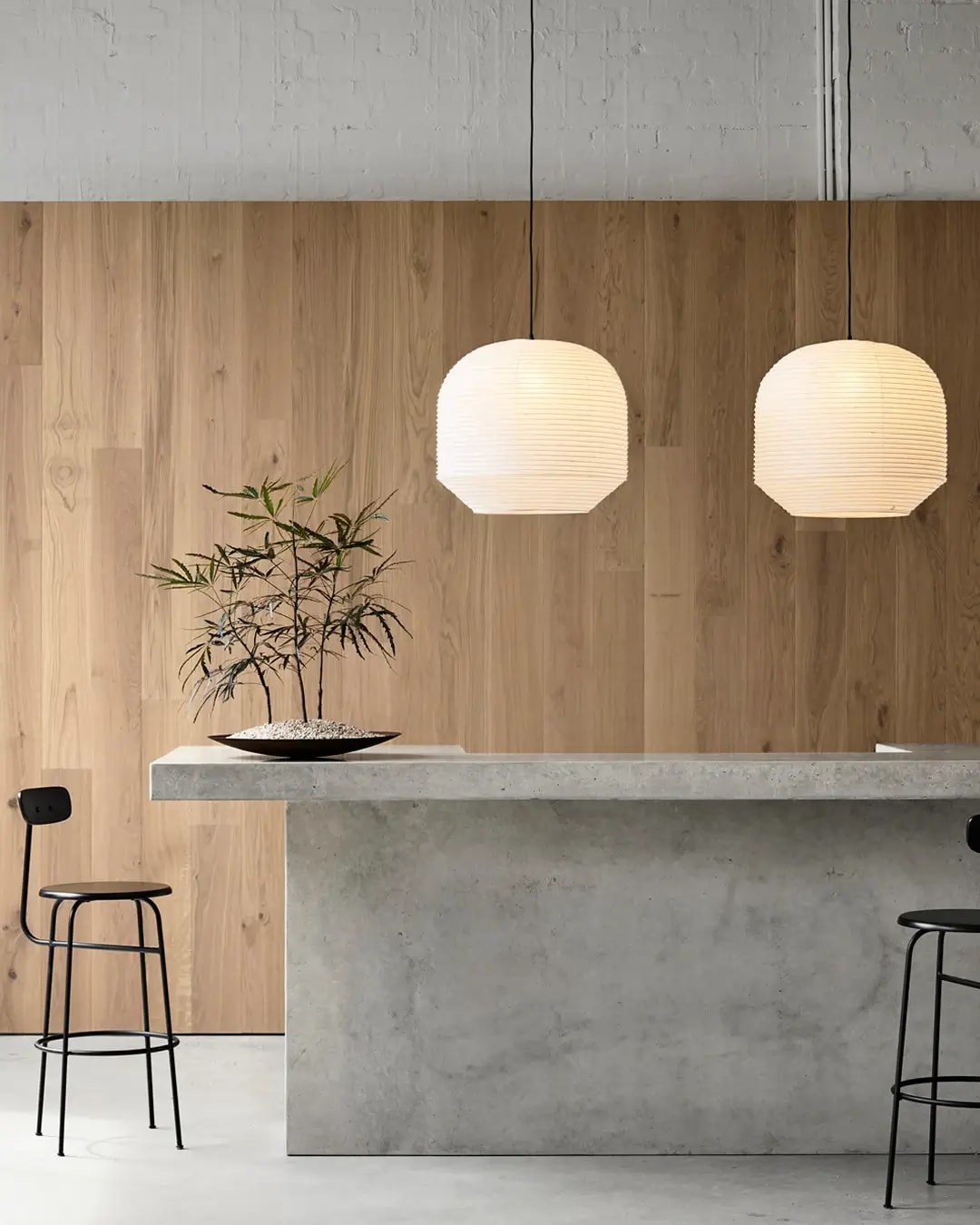
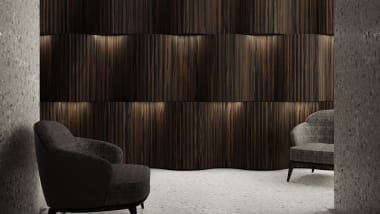
The Armadillo & Co Showroom in Melbourne features the Aspen Raw 13mm timber flooring from the Venture Plank collection. It's used as wall cladding to create a warm, gallery-like setting that complements the pale grey concrete and elevates the brand's handcrafted rugs.
The rise of timber beyond the floor reflects a broader evolution in interior design.
Spaces are becoming more layered, more tactile, and more connected to natural materiality. Timber supports this shift visually and experientially, introducing warmth, familiarity, and texture.
Beyond aesthetics, timber aligns with a growing focus on human-centred and biophilic design principles.
Both residential and commercial environments are increasingly seeking spaces that feel warmer, more tactile, and more emotionally engaging.
Timber plays a central role in achieving that balance.
In homes, timber softens open-plan layouts, creating a sense of warmth and visual flow from room to room. In commercial settings, it introduces balance and comfort, offsetting harder materials like concrete, glass, and steel.
See where timber can be used in residential and commercial spaces →
Designers are increasingly drawn to timber because it:
- Creates visual continuity across spaces
- Adds warmth without overpowering a scheme
- Works equally well in minimalist and expressive interiors
- Ages beautifully, developing character over time
Where timber can be used in residential and commercial spaces
Timber’s versatility extends far beyond flooring.
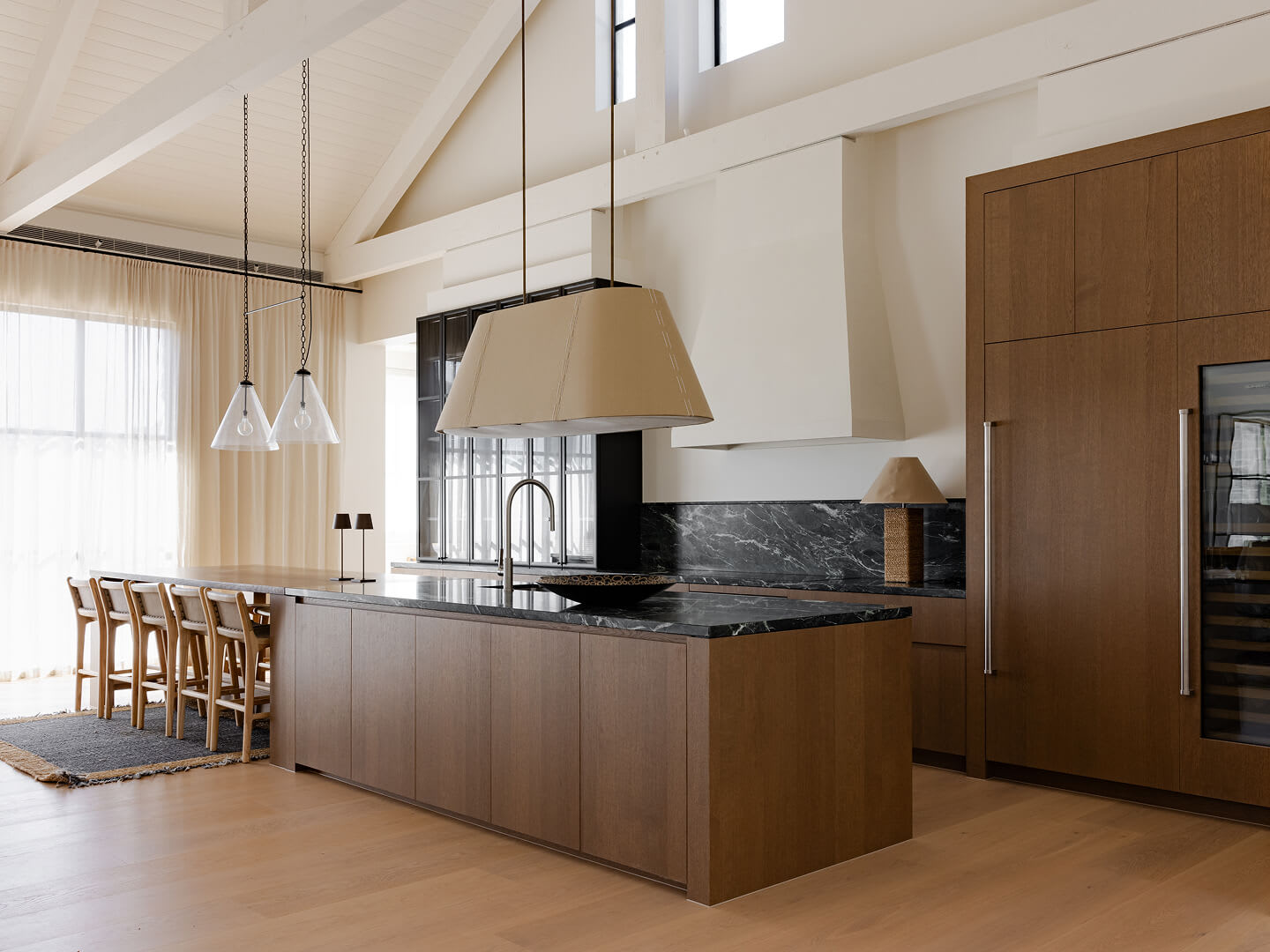
In homes, timber is commonly used for:
- Flooring throughout living areas and bedrooms
- Kitchen and bathroom cabinetry
- Feature walls and panelling
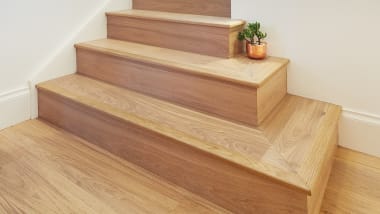
- Staircases and landings
- Built-in joinery, shelving, and furniture
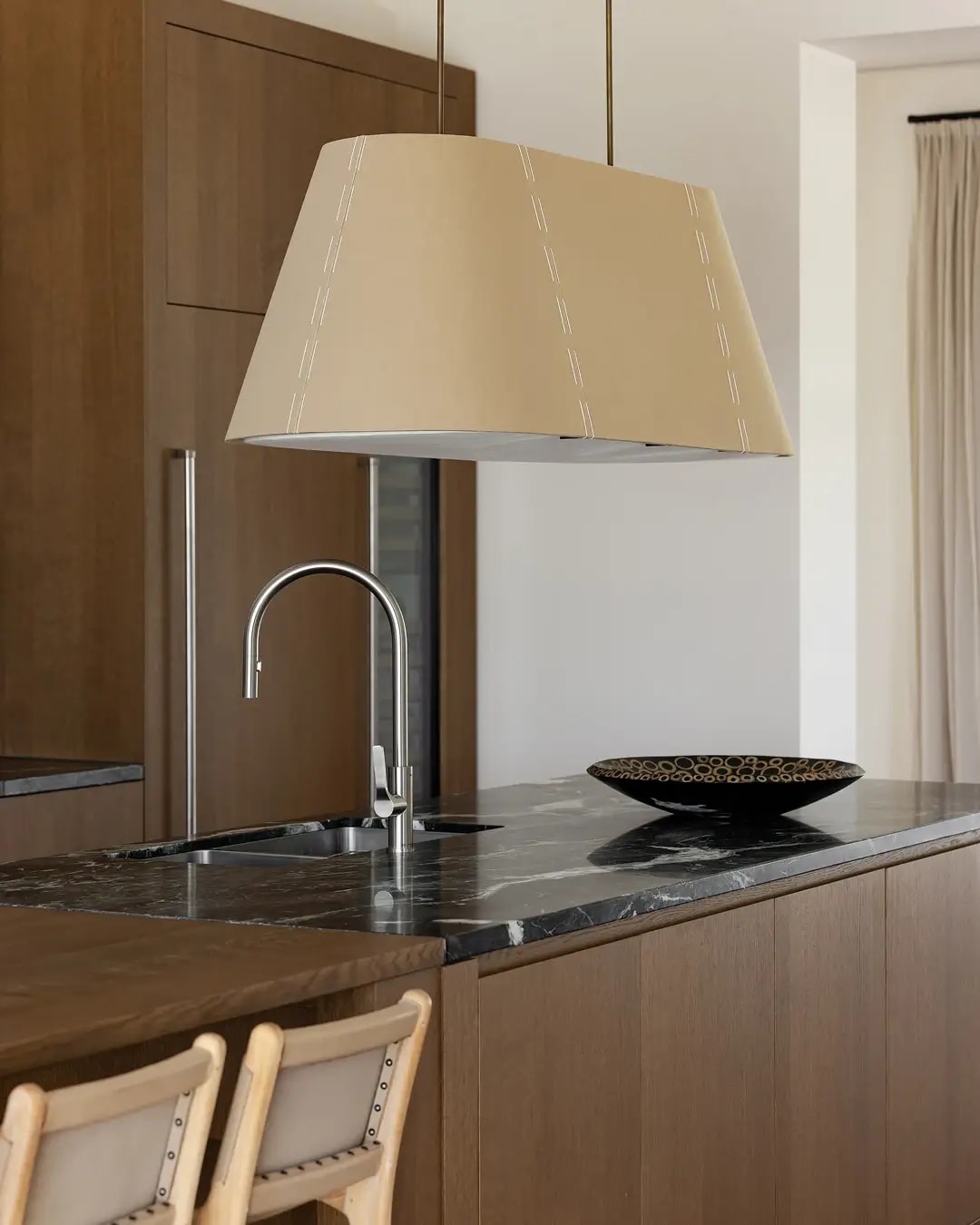
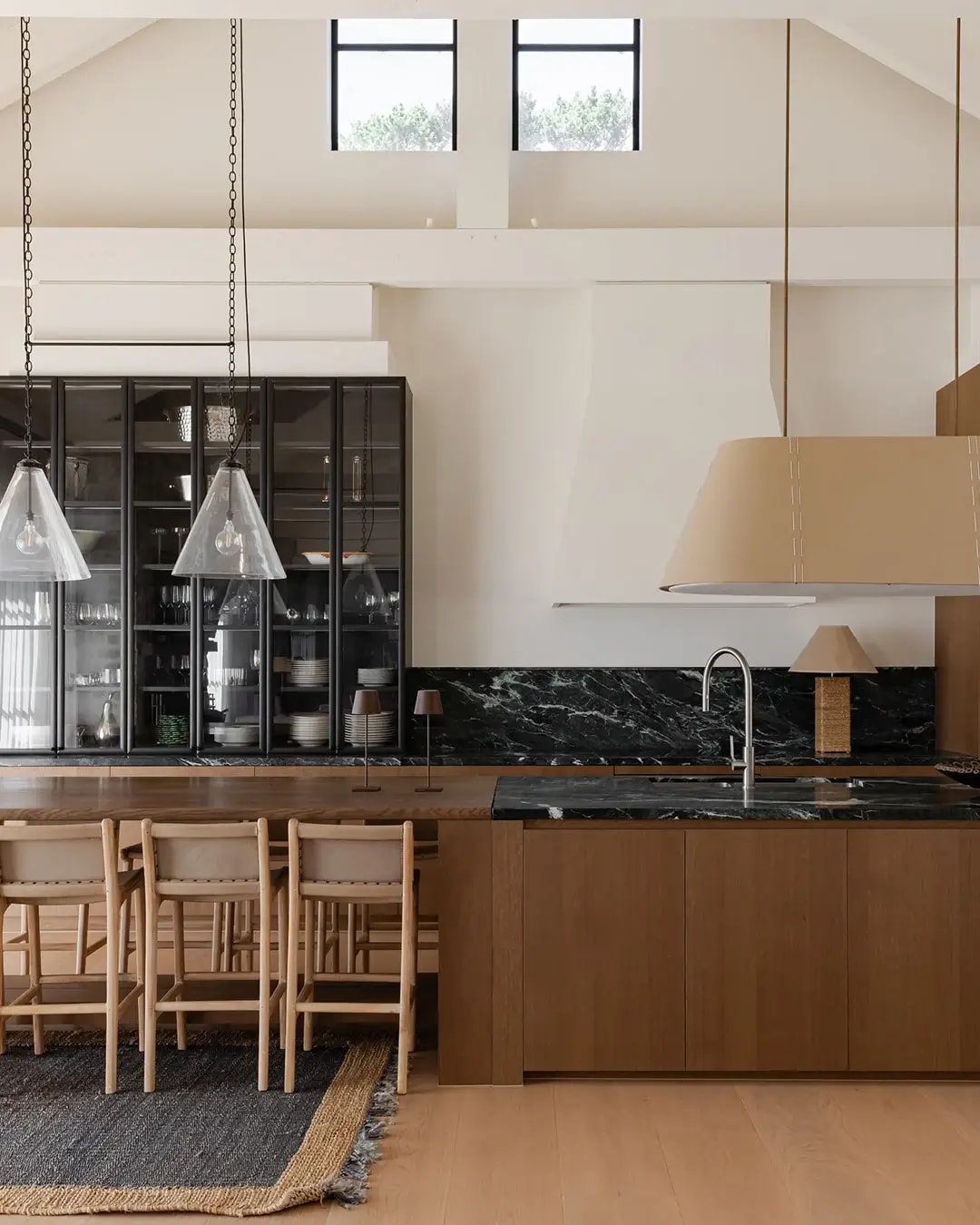
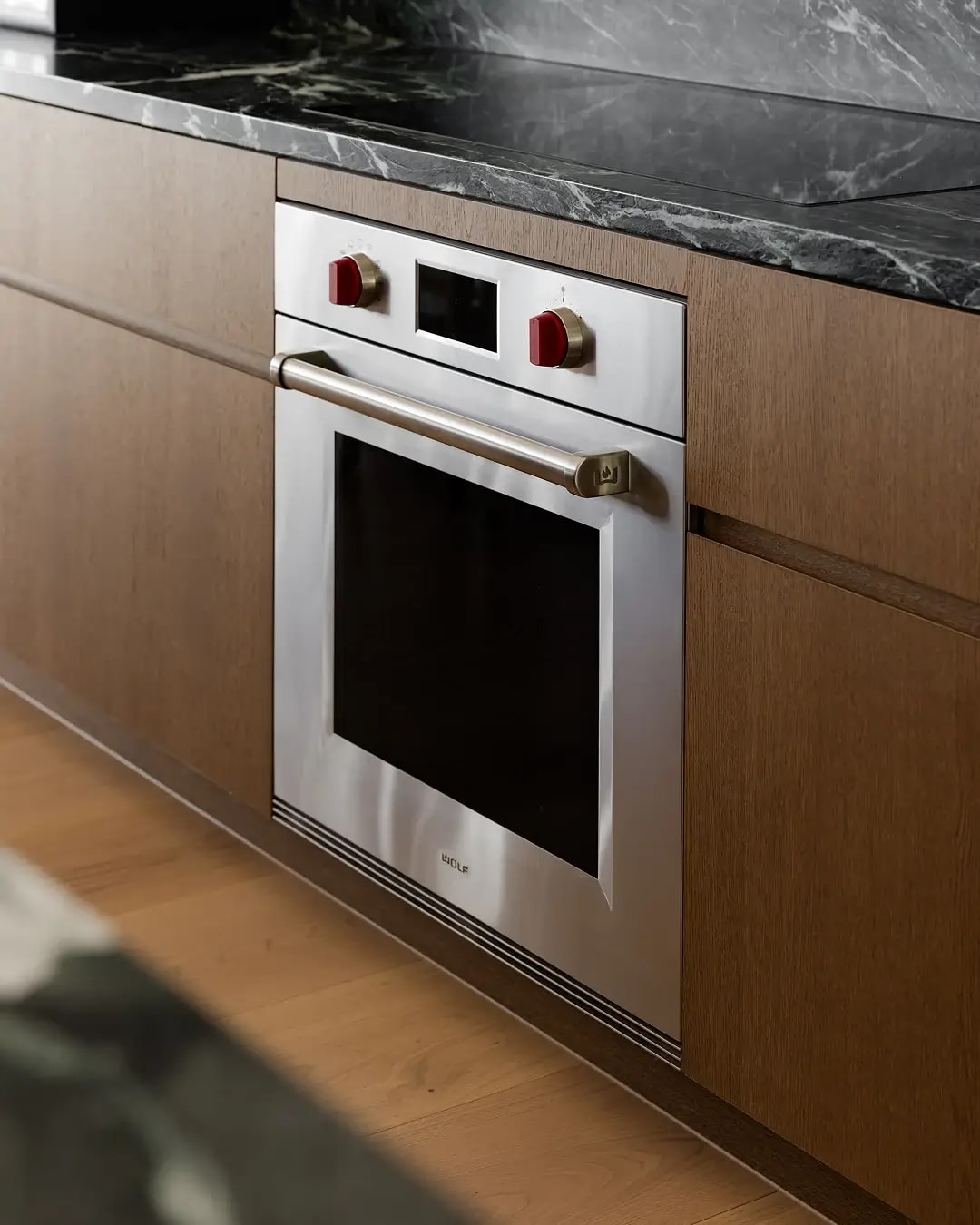
The Red Hill Home features Bayonne from the PurePanel collection, used across cabinetry and joinery to create a warm, cohesive, interior. Paired with complementary timber flooring, the mid-toned veneer brings depth and tonal harmony.
In commercial spaces, timber is increasingly specified for:
- Office flooring and breakout spaces
- Reception desks and feature walls
- Hospitality joinery, bars, and banquette seating
- Retail wall linings and display units
- Ceiling features and acoustic panelling
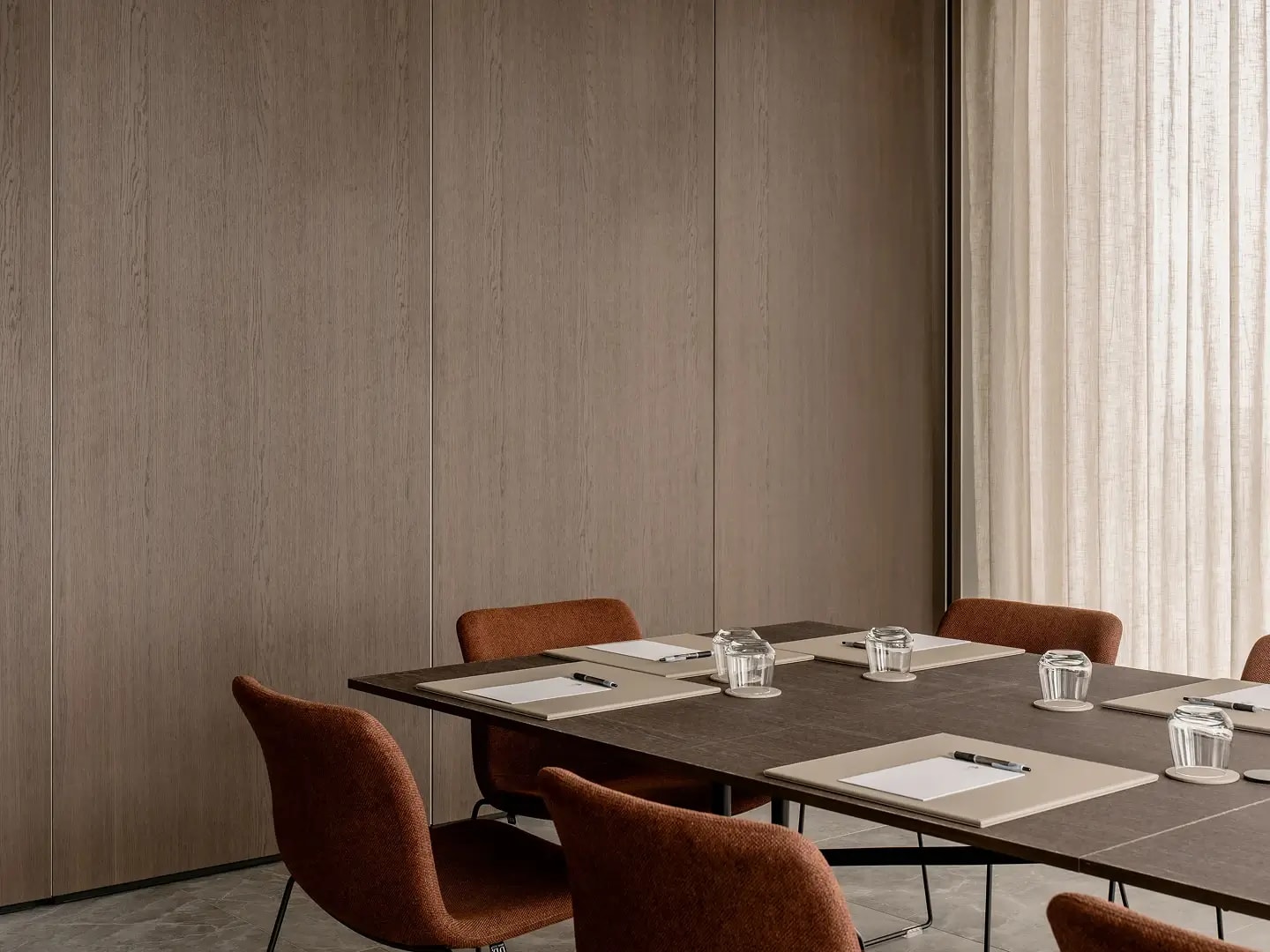
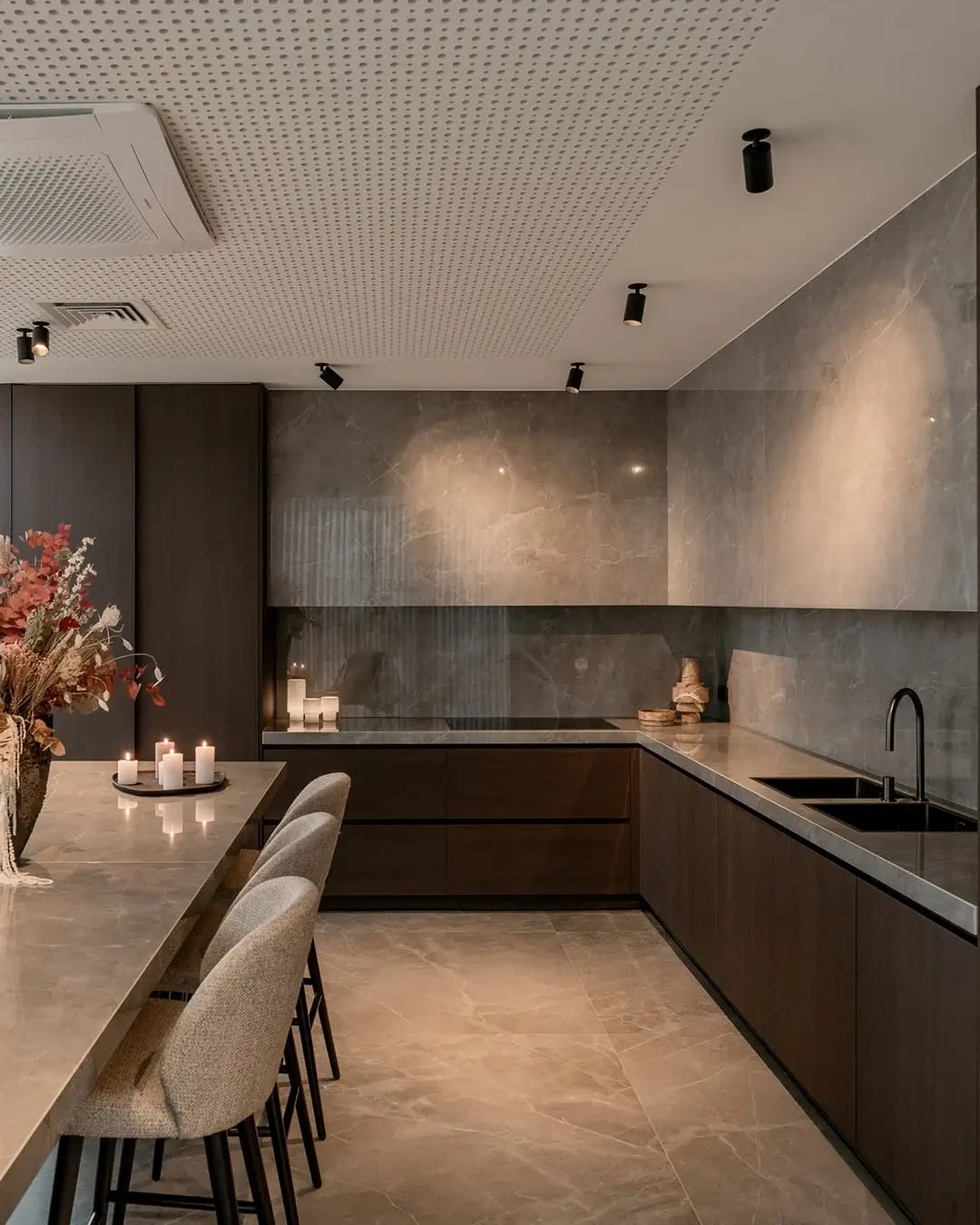
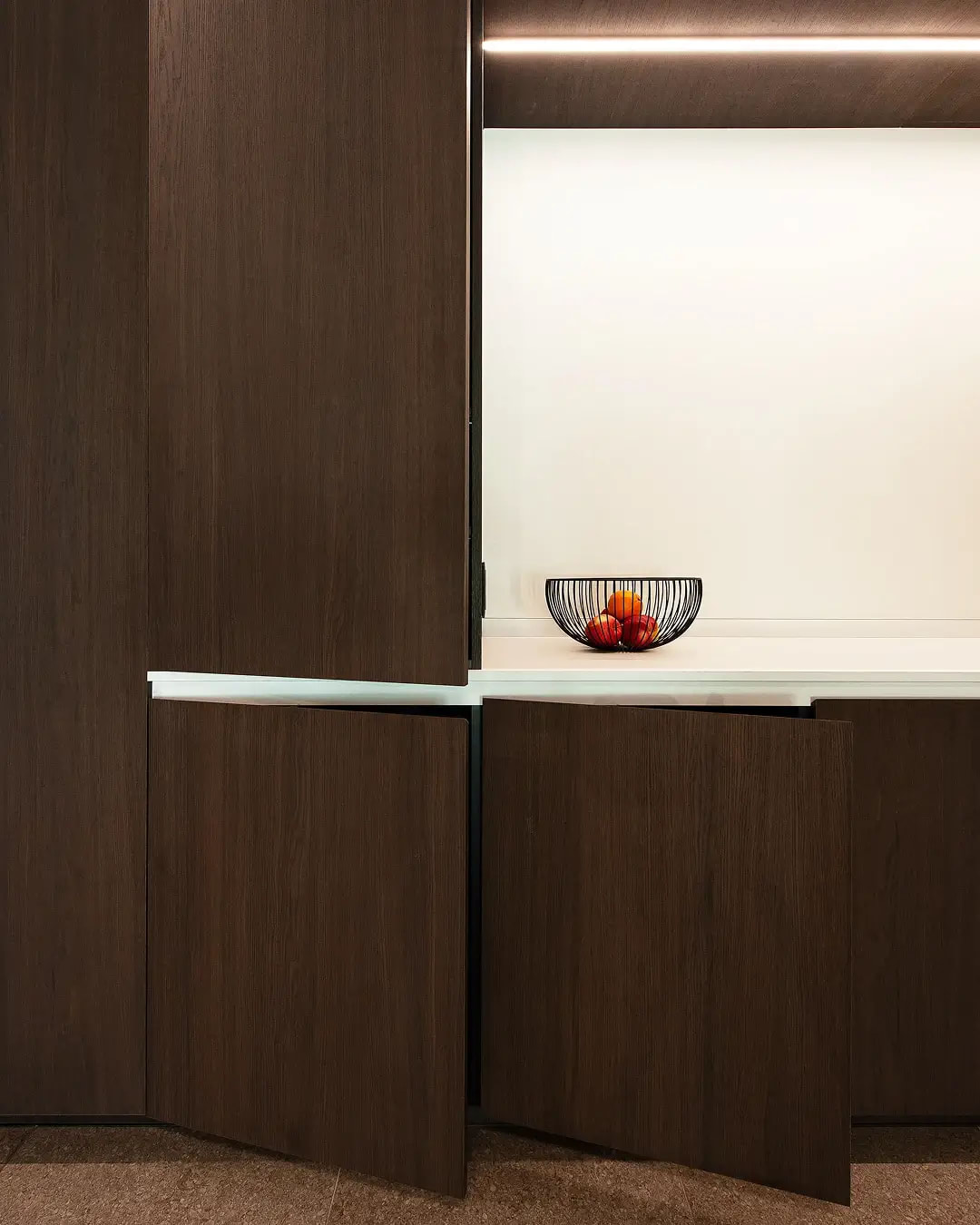
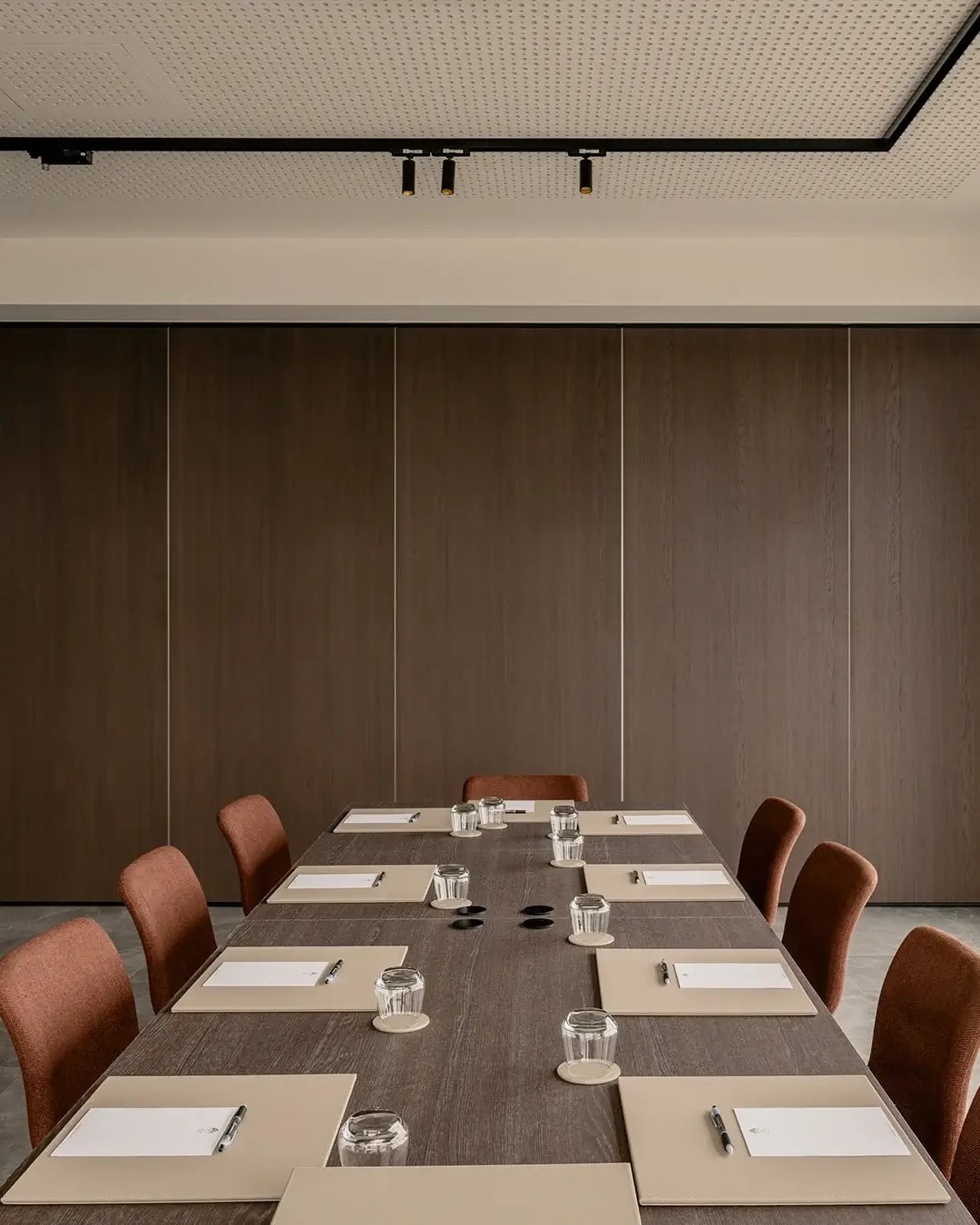
Using timber across multiple surfaces is no longer just a visual decision. It’s increasingly a strategic one. In homes, it helps reduce visual clutter, making rooms feel calmer, more cohesive, and intentional. In commercial spaces, consistent timber application can help tie large areas together, support brand identity, and create spaces that feel more connected and engaging.
Using timber across multiple surfaces in the same space
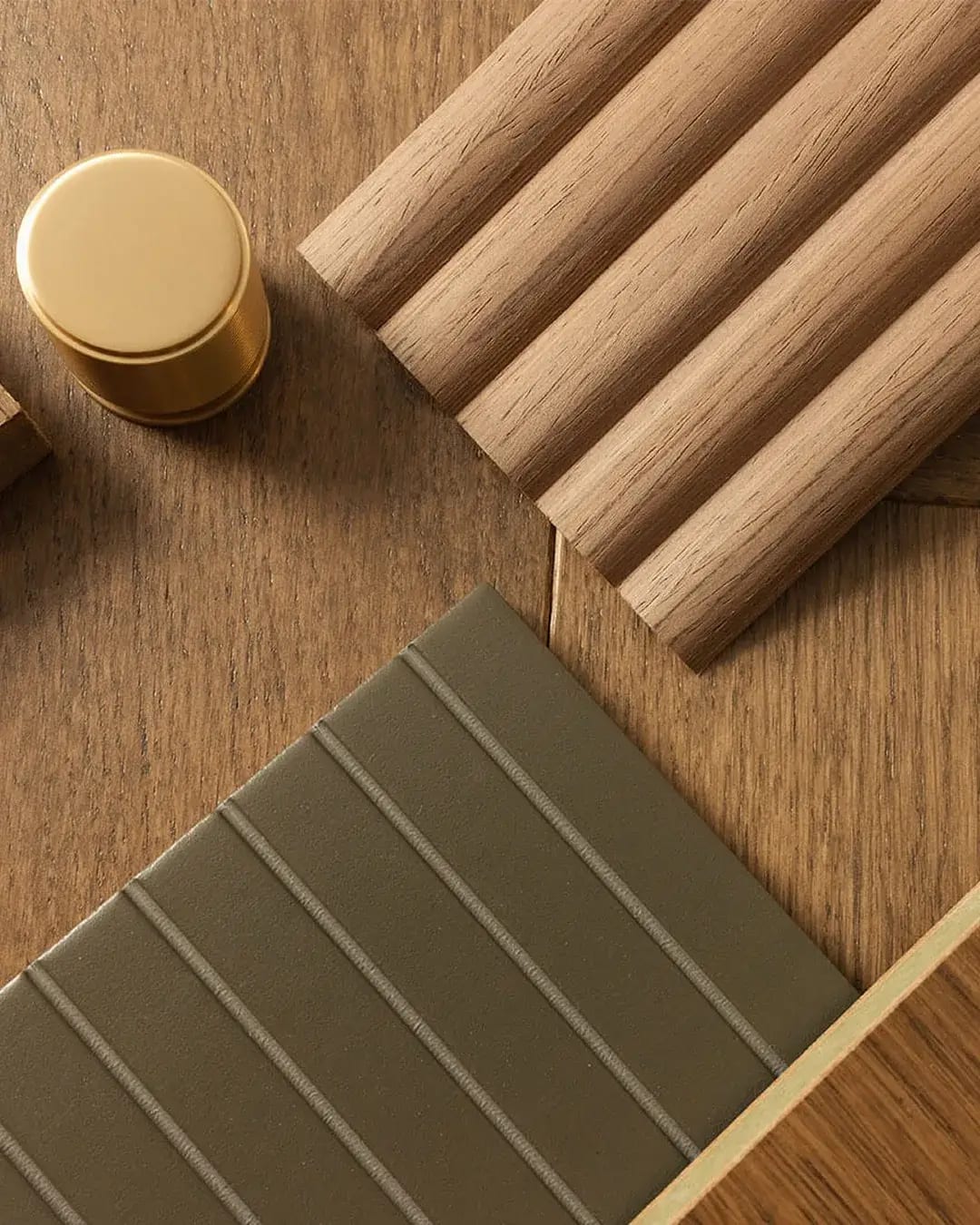
One of the most effective ways to elevate an interior is by using timber across multiple surfaces within the same room.
For example:
- A timber floor paired with custom timber cabinetry
- Flooring complemented by a matching or tonal feature wall
- Joinery details that echo the tone or grain of the floor
When these surfaces work together, the result is beautifully cohesive. When they don’t, even high-quality materials can feel disconnected.
They key isn’t choosing identical products. It’s understanding tone, undertone, and balance.
That’s where match+maker comes in: a curated guide designed to help you pair timber tones with confidence.
"Our goal with match+maker was to take the guesswork out of pairing timber surfaces. It was created to help designers and clients navigate timber selection with more certainty. It provides a clear framework for combining finishes across floors, walls, and joinery.”
- Jessica Lantry | Head of Marketing, Havwoods Australia
How to match or mix timber tones successfully: start with colour
Every Matchmaker scheme begins the same way: with colour.
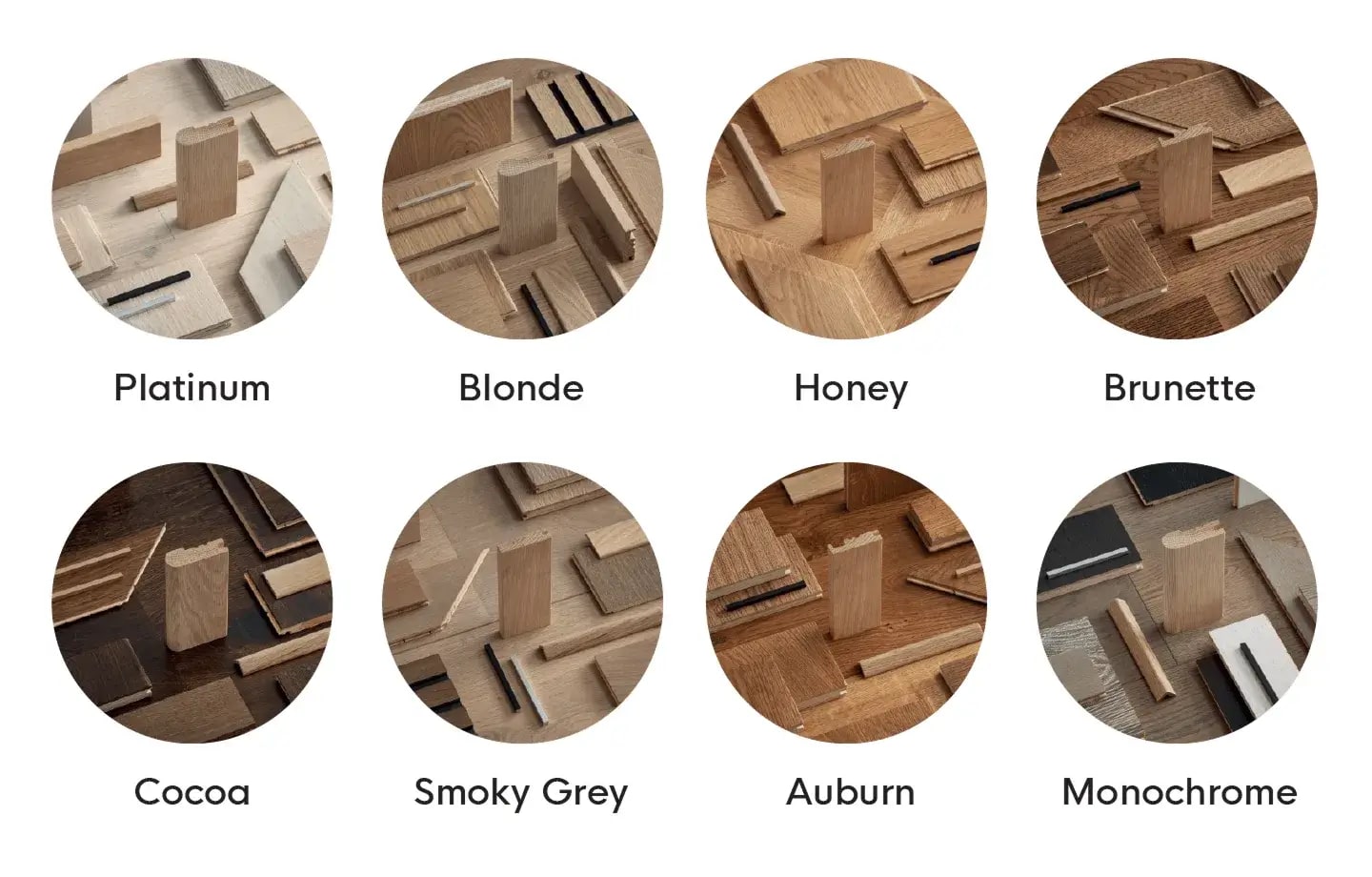
Our curated timber families simplify the selection process by grouping products into tonal categories: Platinum, Blonde, Honey, Auburn, Brunette, Cocoa, Smoky Grey, Monochrome.
Instead of starting with hundreds of individual products, you begin with a mood. Do you want it to feel light and refined? Warm and inviting? Deep and architectural?
Once you identify a preferred colour family, you can explore two pathways: Match or Mix.
Understanding undertones: the foundation of successful timber pairing
While colour sets the mood, undertone determines whether timber combinations work together or clash.
Warm undertones often carry subtle notes of red, gold, or amber. Cool undertones lean toward grey, ash, or muted brown.
Even two timbers that look similar can feel off if their undertones don’t align. Matching or thoughtfully balancing these subtle tones allow different timber surfaces to create a harmonious, comfortable space.
This approach is at the heart of match+maker.
Match: a study in continuity
Matching timber tones can help interiors feel balanced and connected.
To achieve this:
- Use the same timber tone across floors, walls, and cabinetry
- Vary format or application to create interest, such as wide planks on the floors and vertical battens on walls
- Allow texture and grain to introduce subtle contrast
Matching is ideal in spaces designed for calm and balance. Think wellness retreats, luxury residences, or premium offices where material continuity reinforces a sense of quality and care.
The variation doesn’t come from colour, but from format and texture. The result feels layered, never flat.

Mix: the art of contrast
Mixing timber tones adds depth and personality while maintaining cohesion.
To mix successfully:
- Select timbers with similar undertones (warm with warm, cool with cool)
- Use one dominant timber and one secondary accent tone
- Balance darker timbers with lighter finishes to avoid heaviness
For example, a warm mid-tone timber floor might be paired with lighter cabinetry in a similar undertone or accented with darker joinery to anchor the room.
Many leading designers often favour mixing over matching. They use tonal contrast to create hierarchy and visual interest while ensuring everything feels connected.
Havwoods match+maker: designed to make it simple
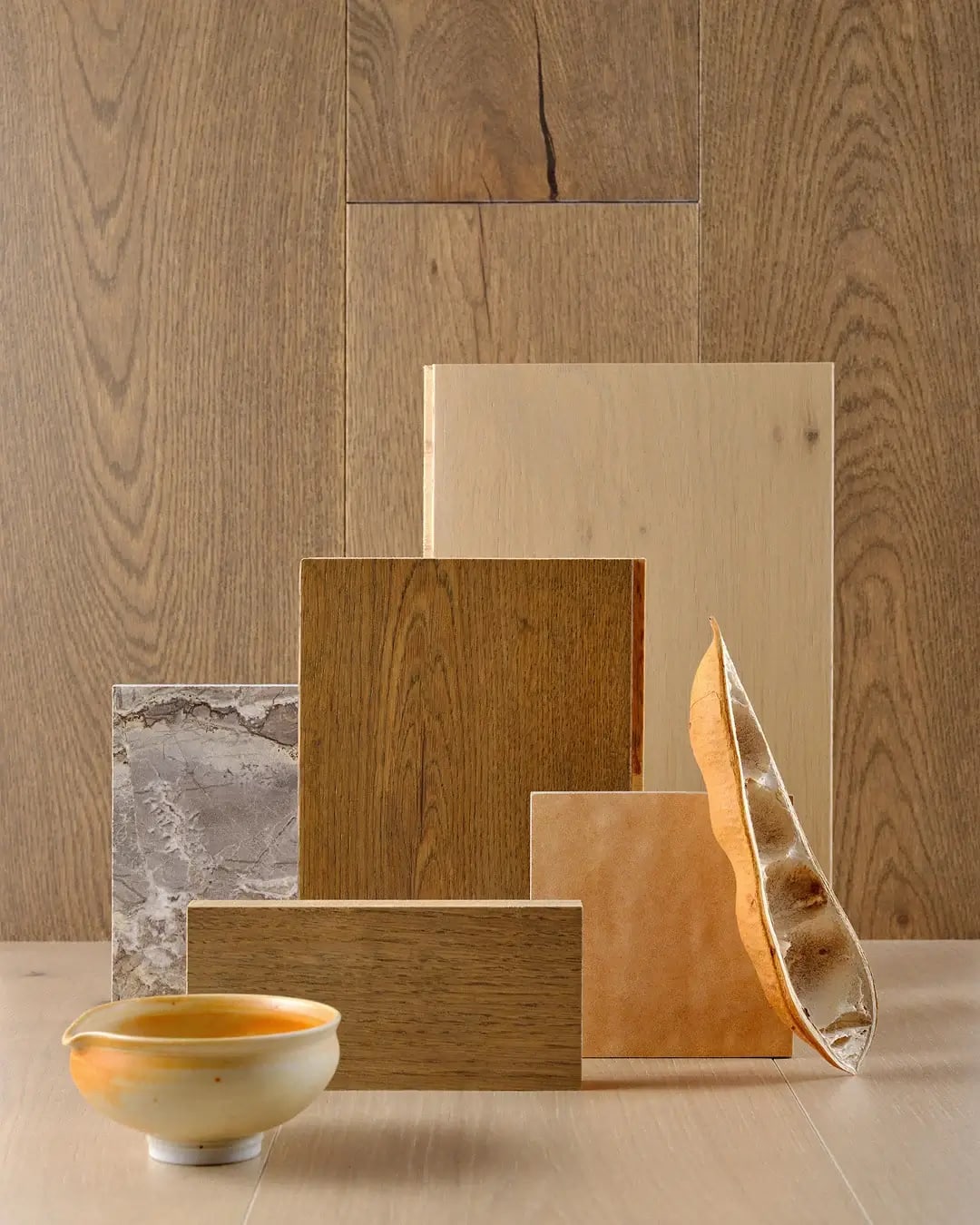
With so many options available, combining timber across multiple surfaces can feel complex. Havwoods match+maker was created to simplify the process.
Each pairing is structured to make specification simple:
- A feature flooring product anchors the theme
- Complementary surface selections are curated to match or contrast
- Visual moodboards illustrate how materials sit together
Through curated pairings, vertical moodboards, and expert guidance, match+maker helps you explore how Havwoods timber products can work together across floors, walls, cabinetry, and beyond.
With a range spanning flooring, wall applications, and joinery surfaces, integrated timber schemes can be supported from early design stages through to final specification.
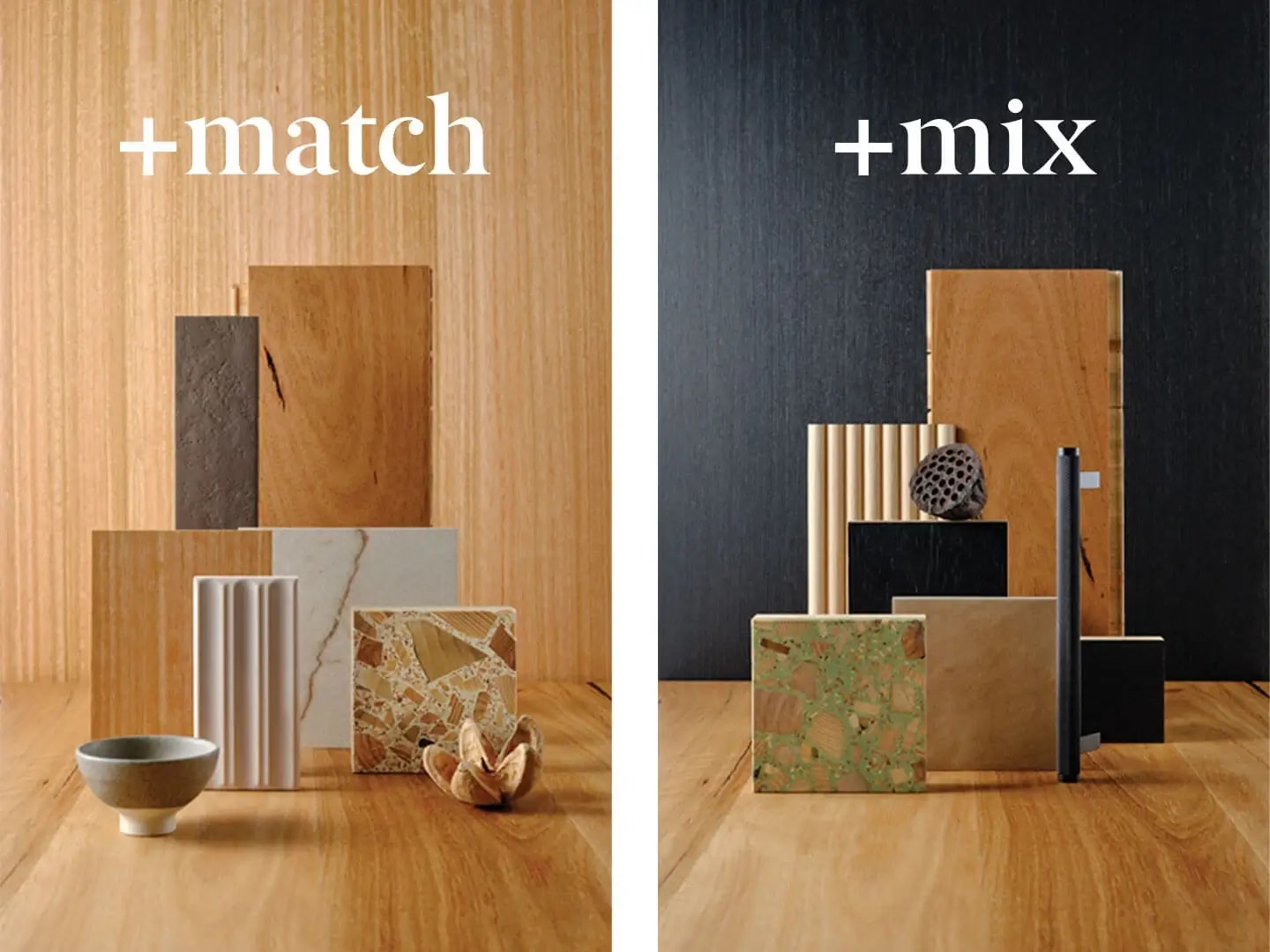
"We spent months testing pairings, creating moodboards, and going through combinations in our showrooms. Havwoods match+maker is the result of those real-world insights. It’s how we translate expertise into a tool anyone can use."
- Olivia Golding | Havwoods Sydney Showroom Manager
Created for designers.
Accessible for everyone.
match+maker supports:
- Interior designers and architects
- Homeowners navigating renovation decisions
- Builders and project managers coordinating multiple timber finishes
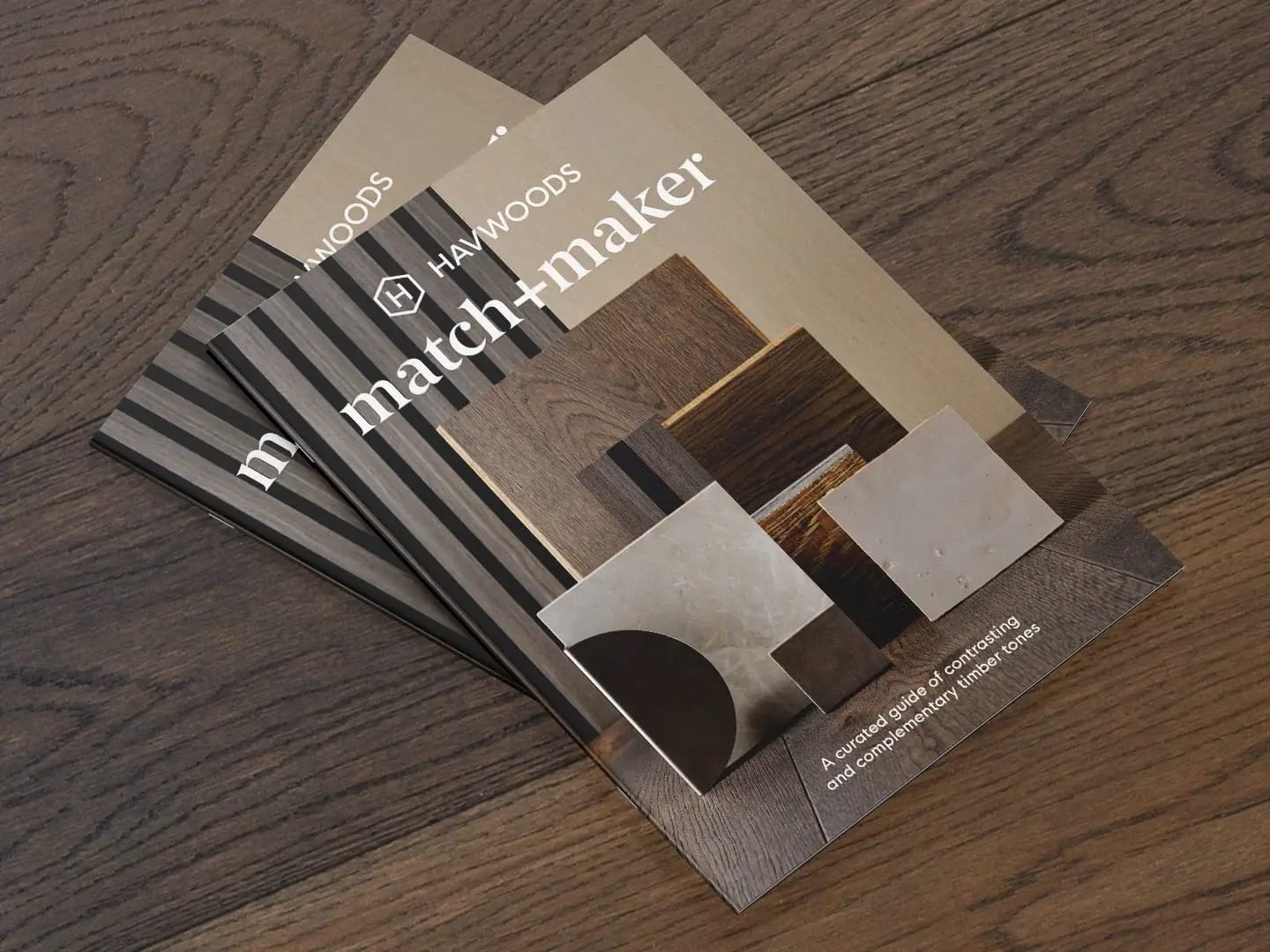
Discover Havwoods match+maker
The full match+maker guide explores all eight colour families, with both Match and Mix options. It includes curated pairings, visual moodboards, and specification-ready selections.
Download the brochure to see the full collection. Or stop by your local Havwoods showroom to experience the materials firsthand and discuss tailored combinations with our timber specialists.