





















Sustainability starts with the right timber
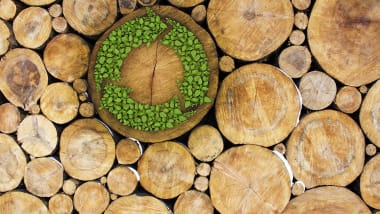
Timber is one of nature’s most enduring materials. At Havwoods, we believe its value lies not only in its warmth, beauty and versatility, but in how carefully it is sourced, engineered, specified and cared for over time.
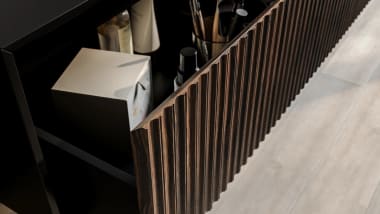
Our approach to sustainability is grounded in responsible sourcing, recognised certification, material efficiency and long-term product performance — helping homeowners, designers, architects and builders make more considered choices for floors, walls, ceilings, cabinetry and interior surfaces.
Why timber matters
Timber brings a warmth and tactility that few materials can replicate. It is renewable by nature. And when sourced from responsibly managed forests, it can form part of a more considered approach to building and interiors. The key is choosing the right timber: material with a clear supply chain, recognised certification where available and the durability to remain in use for years to come.
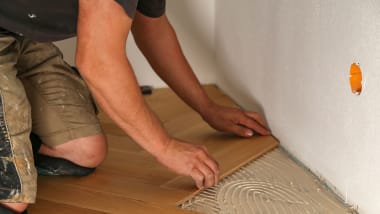
A renewable material grown by nature
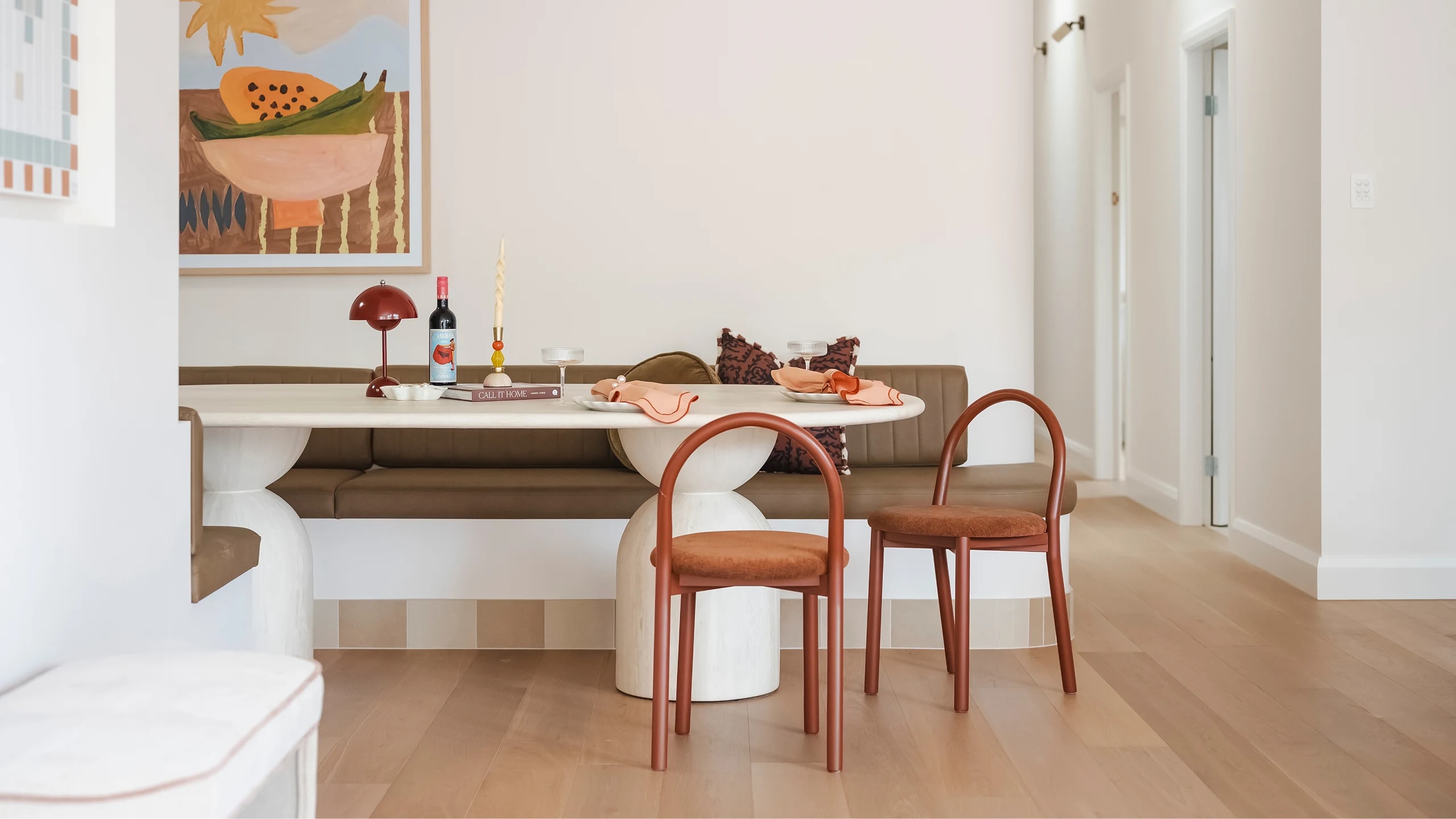
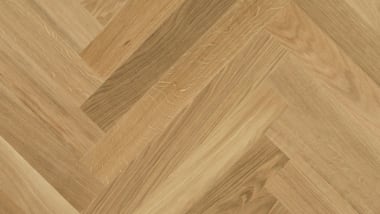
Timber is a natural, renewable resource, with a warmth and tactility that few materials can replicate. Responsibly sourced, it can be part of a more considered approach to interiors.
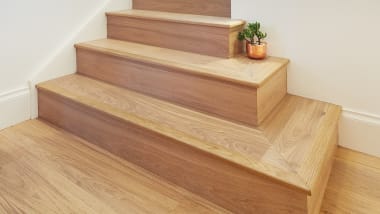
Sourced with care
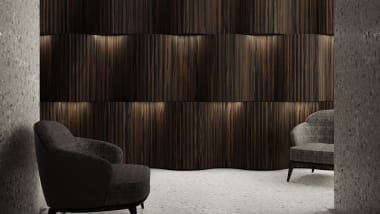
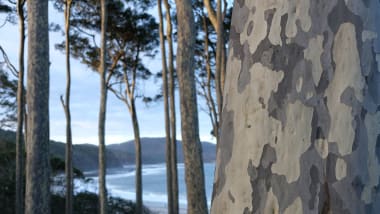
Understanding where timber comes from matters. Recognised certification and clear supply chain information can help support more responsible choices.
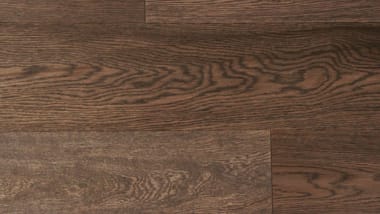
Selected and specified for long-term use
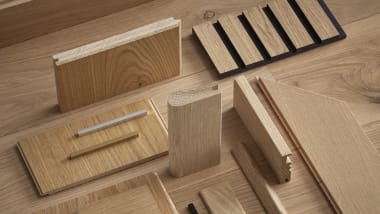
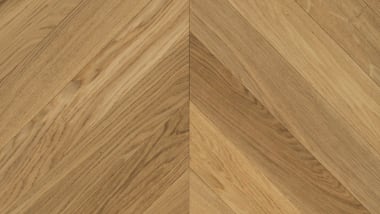
Choosing the right construction, finish, and application can help a timber surface perform well and remain part of a space for years to come.
Responsible sourcing
Sourcing timber from responsibly managed forests is an important part of our approach to sustainability. We only work with reputable timber companies and have stringent onboarding processes for our suppliers, with environmental and responsible sourcing criteria built from the outset.
What we look for:
→ Recognised certification where available
→ Clear supply chain and product provenance
→ Reputable supply partners
→ Compliance with Australian timber regulations
→ Product information to support specification
→ Suitability for the intended application and long-term performance
For timber imported into Australia, we also follow relevant due diligence requirements under Australian timber import and illegal logging regulations.

Looking for sustainably certified timber products?
For projects where certification forms part of the brief, we’ve brought products with recognised third-party sustainability credentials together in one dedicated collection. Explore the range and access the certification information available for each product.
Understanding certification
Certification can provide an additional layer of transparency when specifying timber and other interior materials. Different schemes assess different aspects of sustainability, so it is important to understand what each certification actually covers.

FSC®
Helps demonstrate that timber comes from responsibly managed forests and can be traced through the supply chain.
Why it matters: For specifiers, FSC certification can provide greater confidence around the origin of certified timber and the chain of custody supporting it.

PEFC™
Supports sustainable forest management and certification across a wide range of forest ownership and management models.
Why it matters: PEFC certification provides a recognised framework for demonstrating responsible forest management and tracing certified material through the supply chain.

Cradle to Cradle Certified®
Assesses products across several sustainability categories, including material health, circularity, climate, water, and social fairness.
Why it matters: For projects with specific material health or circularity goals, Cradle to Cradle Certified can provide useful product-level sustainability information.
Engineered timber and sustainability
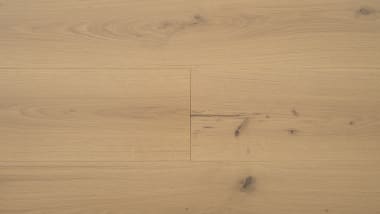
Engineered timber combines a genuine timber surface with a strong, stable core, creating a durable flooring product while making better use of valuable hardwood.
Rather than using solid hardwood throughout the entire board, a thinner layer of real timber forms the visible surface, with engineered layers underneath providing stability and strength. This means more flooring can be made from the same amount of hardwood, while still retaining the natural beauty and character of real wood.
It's a more efficient way to use timber, making better use of the tree while creating a durable surface needed for modern interiors.

Project: Bistrot Bisou, Hotel Indigo Melbourne | Flooring: HW6085 Mayne, Henley (PEFC Certified) | Please note: This product is currently on Clearance. While stocks last.

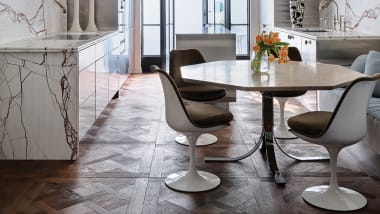
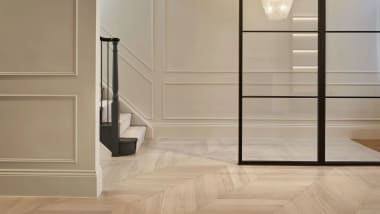
Project: Dover Heights House | Flooring: HW16004CP Alabastro Herringbone, The Italian Collection (PEFC Certified)
Designed for longevity
A timber surface is not simply a short-term finish. When carefully selected, installed, and maintained, it can become part of the long-term character of a space.
Choosing durable materials and keeping them in use for longer can help reduce the need for replacement and make better use of the resources that go into creating them. That’s why longevity is an important part of a more considered approach to sustainability.
At Havwoods, our sustainably sourced timber products are backed by robust warranties, with guidance on installation, care and maintenance to help timber flooring and surfaces perform well for years to come.
Projects designed with sustainability in mind


Working more responsibly
For Havwoods, we have employed an Environmental, Social and Governance framework as a practical way of looking at how we operate as a business — from the timber products we bring into the Australian market to the relationships we build with our suppliers, clients, team and wider design community.
Our focus is on making responsible decisions that are meaningful to our industry: sourcing with care, improving how we use and share product information, supporting more informed specification, reducing unnecessary waste where possible, and continuing to review the way we work.
1. Environmental responsibility
Our environmental approach begins with responsible sourcing but we also look for practical ways to reduce, reuse or improve across carbon emissions, waste, sample use, packaging, printed materials and product information.
2. Social responsibility
We aim to work respectfully and ethically across our team, suppliers, clients and wider community, with consideration for fair work practices, wellbeing, inclusion and responsible supply chains.
We also support education and awareness within our industry of important topics such as sustainability through CPDs and other learning resources.
3. Governance and accountability
Responsible business practice relies on clear processes and informed decision-making. For Havwoods, this includes an internal team dedicated to supplier review, certification information, compliance with relevant regulations, employee wellbeing and continuous improvement.
Resources for responsible specification
Making a considered material choice starts with having the right information. Whether you’re researching certification, comparing products or preparing a specification, our resources are here to help.
Havwoods Studio Sessions
Book a Havwoods Studio Session to build your knowledge of timber, wellbeing and responsible specification through CPD or Lunch & Learns.
Technical documents & whitepapers
Access product documents and specification support, and explore deeper insights into responsible timber, wellbeing and material selection.
Free sustainably certified samples
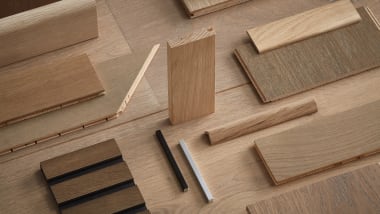
See colour, finish and texture up close with our hand samples, helping you make a more considered material choice for your project.
Sustainability frequently asked questions
What makes timber a sustainable material?
Timber is a renewable, natural material, but its sustainability depends on how it is sourced, manufactured, specified, and used. Responsible forest management, supply chain transparency, material efficiency, durability, and long-term use all play a role.
What is sustainably sourced wood?
Sustainably sourced timber generally refers to wood sourced from responsibly managed forests and supported by appropriate supply chain information or recognised certification. The specific requirements and evidence can vary between products and certification schemes.
Is engineered timber flooring sustainable?
Engineered timber can make efficient use of real timber by combining a genuine timber surface with a carefully constructed core. Its overall sustainability depends on factors including the timber source, manufacturing process, product construction, certification, and how the flooring is specified and used.
What does FSC certification mean?
FSC certification provides a recognised framework for responsible forest management and supply chain traceability. It can help demonstrate that certified timber has been sourced from responsibly managed forests and tracked through the relevant chain of custody.
What does PEFC certification mean?
PEFC is a recognised forest certification system that supports sustainable forest management and chain of custody across different forest ownership and management models.
What does Cradle to Cradle Certified mean?
Cradle to Cradle Certified is a product-level sustainability certification that assesses product across several categories, including material health, circularity, climate, water, and social fairness.
Does Havwoods offer sustainably certified products?
Yes. Havwoods offers a selection of products with recognised third-party sustainability credentials. These products are brought together in our sustainably certified collection, with certification information available to support specification.
How can architects request certification documents?
Our team can help provide available certification and product documentation. Speak to a Havwoods timber specialist to discuss the requirements of your project.
What should I consider when specifying timber for a sustainable project?
Consider the timber’s provenance, certification, supply chain, product construction, intended application, durability, maintenance requirements, and available product documentation. The right choice will depend on the specific requirements of the project.
Choosing the right timber starts with the right advice
Whether you’re designing a family home, specifying a commercial interior, or selecting surfaces for joinery, our team can help you explore certified products, documentation, and material options suited to your project.