

























Prefinished vs Raw Solid Timber Flooring: Pros and Cons Explained
2 Dec 2025
Choosing the right timber flooring is as much about lifestyle as it is about design. Whether you seek the seamless elegance of raw solid timber or the precision and efficiency of prefinished boards, each option brings its own artistry. Discover the pros, cons, and expert insights to guide your next flooring decision.
Choosing between prefinished and raw solid timber flooring?
Here's the short version:
- Choose prefinished if you want a fast, clean installation with a factory-perfect finish. Ideal for projects with tight timelines and minimal tolerance for mess.
- Choose raw solid timber if your priority is a custom, seamless look tailored precisely to your space, but you'll need to allow for sanding, staining, and curing time on site.
Both options deliver stunning results, but they serve different needs. Read on for the full breakdown - pros, cons, trade-offs, and suitability in various scenarios.
Let’s break it all down so you can make an informed decision.

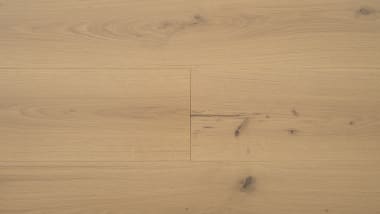
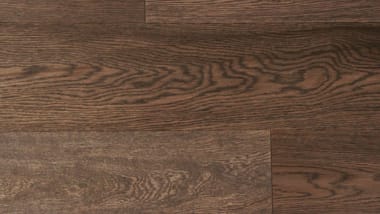
Havwoods engineered European Oak timber flooring: HW6230 Bellmore Plank from the Luxe Collection | Project: Hipwell Haus, Mayfield, NSW
What is prefinished timber flooring?
Prefinished timber flooring is manufactured, sanded, stained, and sealed in a controlled factory environment before it arrives on site. That means it’s ready to install straight from the box.
Key features:
- Coated with durable UV-cured finishes
- Consistent finish quality
- Faster installation, no need for sanding or sealing on site
- Minimal on-site disruption
What is raw solid timber flooring?
Raw solid timber flooring is delivered unfinished. It requires sanding, staining, and sealing after installation. This provides greater flexibility in tailoring the finish to your exact vision.
Key features:
- Installed bare and then treated on site
- Offers a highly customised finish
- Requires more labour and time
- Final result depends on site conditions and trades

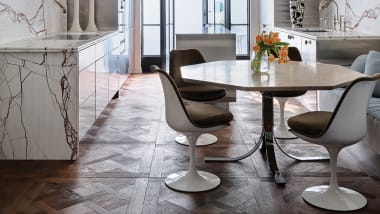
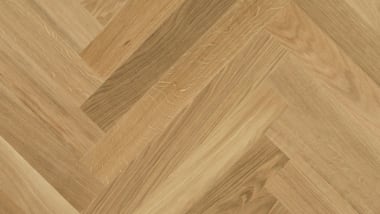
Havwoods engineered European Oak timber flooring: HW4120 Mentone Herringbone from the Venture Plank Collection | Project: Georgie Residential, Malvern, VIC
Pros and cons of each flooring type
Prefinished timber flooring
Pros:
- Faster installation: No on-site sanding or sealing means quicker turnaround
- Consistent factory finish: Perfectly even colour and coating
- Cleaner process: Minimal dust, smell, or mess during install
- More durable finish: UV-cured coatings are often harder and more resistant
Cons:
- Less customisable: Limited to preselected stains and finishes
- Visible micro-bevels: These edges can collect dirt more easily
- Slight height variance: Can make re-sanding in future more complex
Raw solid timber flooring
Pros:
- Complete customisation: Choose any stain, gloss level, or finish
- Seamless appearance: No micro-bevels - creates a smooth, unified floor
- Better long-term refinishing potential: Easier to re-sand and refinish evenly
Cons:
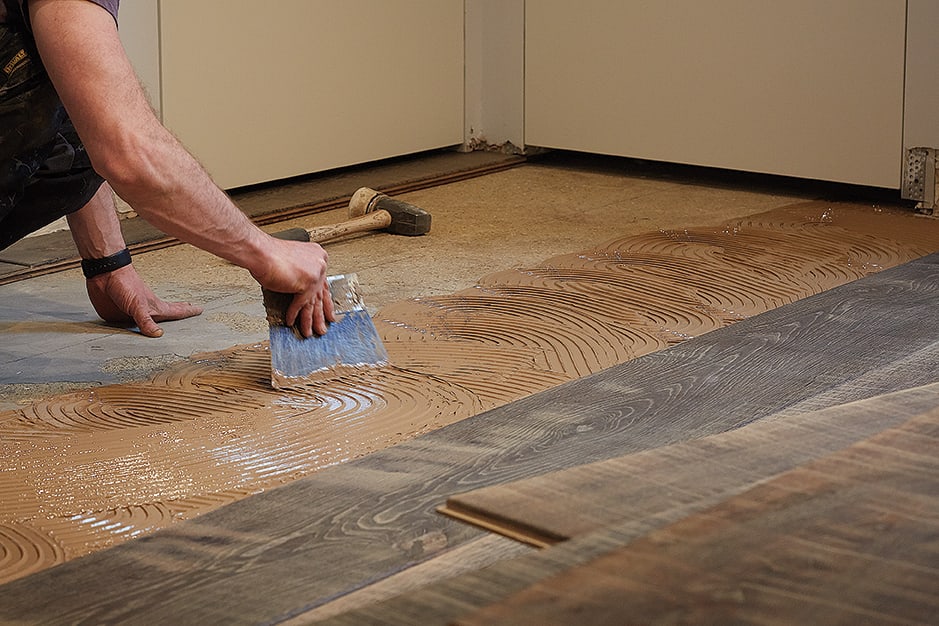
- Longer, messier process: Requires sanding, staining, and drying on-site
- Environmental impact: More wastage, dust, and emissions during install
- Dependent on trades: Finish quality can vary based on skill and conditions
Insights from Havwoods' Timber Expert
For time-sensitive projects like renovations or commercial fitouts, prefinished engineered timber offers significant advantages. Boards come factory-finished with sanded, stained, and UV-cured coatings, giving a consistent, durable finish. Installation is faster, cleaner, and hassle-free. No dust, fumes, or waiting for finishes to cure. You can move in immediately.
Cross-ply construction provides excellent stability across seasons, higher moisture tolerance, and flexible installation options, including direct stick, floating, or secret nail. Prefinished timber is ideal for clients seeking a beautiful, reliable floor with minimal hassle and predictable timelines,” says Tony Trajkovski, Head of Technical and Installation.

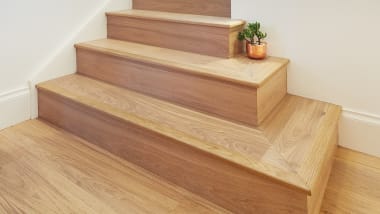
Havwoods engineered European Oak timber flooring: EP110 Blackbutt 136 from The Australian Collection | Project: The Boot Factory, Bondi Junction, NSW
Quick Comparison: Prefinished vs Raw Solid Timber
| Feature | Prefinished timber | Raw solid timber |
| Installation time | Fast - ready to install | Slower - on-site sanding/sealing |
| Customisation | Limited | High - full control over finish |
| Finish durability | High - factory UV cured | Moderate - site-applied |
| Site disruption | Minimal | High - dusty and noisy |
| Aesthetic flexibility | Pre-selected finishes only | Infinite design options |
| Future maintenance | Harder to re-sand evenly | Easier to refinish or change finish |
| Appearance | Micro-bevel joins visible | Flush, seamless surface |
What should you choose?
If you’re after speed, cleanliness, and consistency, go prefinished.
If you want total design control and a truly custom finish, raw solid timber may be your best bet.
Both have their place. And at Havwoods, we specialise in expertly crafted pre-finished timber flooring, while also offering unfinished solutions for those who prefer to customise their finish. Reach out to our team to determine which option is right for you.
Havwoods engineered European Oak timber flooring: HW3823 Amazon Wide Plank | Pre-finished veneer: HW33018 Brienne PureVeneer | Composite MDF pre-finished board: HW31002 Mendes Veneer | Project: Pakenham Home, VIC
Frequently asked questions
Is prefinished timber flooring more expensive than raw solid timber?
Not always. While the product may cost more upfront, it often results in lower installation costs and faster project completion, potentially saving money overall.
Can I change the finish of prefinished timber later?
It’s possible, but re-sanding a prefinished floor can be tricky due to the bevelled edges and factory coating hardness. Raw timber is more forgiving for future changes.
Which is better for commercial or high-traffic areas?
Prefinished flooring is generally more durable due to its UV-cured coating, making it ideal for high-use environments.
Is raw timber better for heritage homes?
Yes. For period-style renovations, raw timber allows full control over tone, gloss level, and finish — making it easier to match existing floors.
Which is more sustainable?
Engineered prefinished timber can be more sustainable due to reduced wastage and efficient manufacturing, particularly when sourced from responsibly managed forests. Havwoods offers both options with strong sustainability credentials.
Is prefinished timber the same as engineered timber?
No they’re not the same, but they often go hand-in-hand, and one is often confused for the other.
- Engineered timber refers to the structure of the board - it’s made from multiple layers, typically with a hardwood veneer over a stable core. It’s designed to handle Australian climate changes better than solid timber
- Prefinished timber refers to the surface treatment - boards that are factory-sanded, stained, and sealed before they arrive on site
Explore your flooring options
Book a showroom appointment or order free samples online and they’ll be delivered to your address. Our team is here to help you find the perfect fit.

