
























The ultimate guide to choosing the right flooring: Comparing laminate, hybrid, timber, solid timber, engineered timber, and vinyl for Australian homes
30 Jan 2026
Choosing the right flooring is about balancing style, durability, and performance in Australia's varied climate. This guide compares six popular flooring types including engineered timber, laminate, hybrid, solid timber, vinyl, and traditional timber. We highlight key differences in moisture resistance, comfort, cost, maintenance, and room suitability.
Comparing flooring types: Engineered timber, laminate, hybrid, solid timber, vinyl, and timber
Your choice of flooring affects not only the look and feel of your space but also its durability, comfort, and resale value. With Australia's diverse climate and lifestyle preferences, the right flooring must do more than look good; it needs to perform well under varied environmental and lifestyle conditions.
In this guide, we explore six major flooring types available to Australian consumers: engineered timber, laminate, hybrid, solid timber, vinyl, and timber. We compare them across critical factors including climate suitability, cost, maintenance, comfort, design flexibility, sustainability, and more. This helps you make the best decision for your project, whether it's a home, office, commercial or hospitality setting.
1. Engineered timber flooring
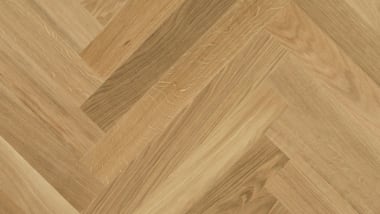
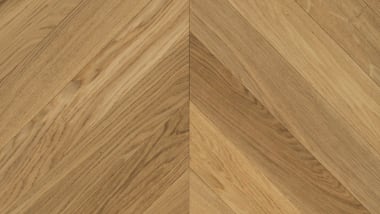
Engineered timber features a genuine hardwood veneer (the 'wear layer') typically 2mm to 6mm thick, bonded over a highly stable multi-layer core, often made of plywood, HDF, or a combination. This cross-ply construction counteracts the natural tendency of solid wood to expand and contract significantly.
It delivers the look and warmth of solid wood with significantly greater dimensional stability, making it particularly well-suited to Australia's climate diversity and its varying humidity levels.
Best for: Stylish homes, offices, or commercial spaces seeking the elegance of real wood with modern performance and sustainability, particularly in multi-level buildings or where slab heating is used.
Pros
- Authentic wood surface with enhanced moisture resistance due to the stable core structure and factory-applied finishes
- Suitable for underfloor heating because its dimensional stability minimises gapping and cupping under temperature fluctuations (read more about installing underfloor heating under timber floorboards)
- Easier and quicker installation compared to solid timber as it's often pre-finished and uses a tongue-and-groove or click-lock system, requiring less acclimatisation time
- More dimensionally stable in humid or dry conditions reducing the risk of warping, cupping, and bowing common with solid timber
- Often made with responsibly sourced materials (e.g. FSC/PEFC-certified) especially for the core layers
Cons
- Can only be sanded a limited number of times depending on the thickness of the top veneer layer (e.g. a 4mm wear layer may allow 1-2 professional sandings)
- Costlier than laminate or hybrid options reflecting the genuine hardwood component
2. Laminate flooring
Laminate flooring is a multi-layered synthetic product. It consists of a base layer (often melamine), a high-density fibreboard (HDF) core, a high-resolution photographic layer (the décor layer) that mimics the appearance of natural wood or stone, and a clear, protective top layer (the 'wear layer') infused with aluminium oxide for resistance.
It's constructed from high-density fibreboard (HDF), making it affordable and easy to install via a floating floor click-lock system.
Best for: Bedrooms, home offices, and low-moisture living areas, or investment properties requiring a cost-effective, durable surface.
Pros
- Budget-friendly for homeowners and first-home buyers due to the synthetic material composition
- Scratch-resistant and durable under moderate wear
- Easy to install with a click-lock system making it a popular DIY option
- Available in a range of designs and textures as the look is determined by the printed photographic layer
Cons
- Susceptible to moisture damage as the HDF core can swell irreversibly if exposed to standing water or high moisture ingress at the seams
- Cannot be refinished since the surface is a photographically printed layer, not solid wood
- Lower resale value compared to real timber options as it is a synthetic substitute
3. Hybrid flooring
Hybrid flooring is a composite product blending key features of laminate and vinyl technologies. It features a rigid, stable core - typically Stone Plastic Composite (SPC) or Wood Plastic Composite (WPC) - for dimensional stability and rigidity.
This core is topped with a decorative print layer and a commercial-grade, clear vinyl protective wear layer. This structure makes it a versatile, rigid plank that is waterproof.
Best for: Open-plan homes, high-traffic areas, kitchens, and bathrooms, particularly in rental properties or homes where high moisture or spillage is a constant factor.
Pros
- Waterproof as the core (SPC/WPC) and surface layer are non-porous, making it suitable for wet areas like bathrooms and laundries
- Scratch- and dent-resistant due to the rigid core and tough, high-performance vinyl wear layer
- Suitable for bathrooms due to its high resistance to moisture and temperature changes
Cons
- Lacks the natural variation, texture, and warmth of real wood. The décor layer is a repeating pattern print. Unlike engineered timber, which offers an authentic timber surface and a more premium tactile experience.
- Slightly higher cost than laminate or flexible vinyl due to the more complex, rigid core composition
- Can feel harder underfoot compared to real timber due to its dense, rigid core construction
Related reading: Engineered timber flooring vs hybrid timber flooring
4. Solid timber flooring
Solid timber flooring is milled from single slabs of hardwood, such as Australian species like Blackbutt or Spotted Gum, or imported species. It is typically supplied raw (un-finished) and is fixed directly to the subfloor (joists or concrete slab) before being sanded and finished on-site.
This method provides unmatched authenticity, structural integrity, and charm. However, its natural sensitivity to environmental changes (it is hygroscopic, meaning it absorbs and releases moisture) makes it more suitable for specific applications with controlled environments.
Best for: Premium homes, heritage renovations, and living areas where character is key, and where owners are committed to maintaining the required environmental stability.
Pros
- Timeless appearance and natural beauty with the unique grain, colour, and characteristics of genuine hardwood
- Can be sanded and refinished multiple times as it is solid wood throughout, offering a lifespan of decades or even a century
- Long-lasting and increases property value as it is considered a premium, permanent structural feature
Cons
- Expensive and labour-intensive to install requiring professional installation, often involving complex sub-floor preparation, glueing/nailing, sanding, and coating
- Reacts strongly to humidity and temperature changes (expansion and contraction) which can lead to gapping in dry periods and cupping/crowning in humid periods
- Requires regular maintenance and acclimatisation before install often needing weeks on-site to reach equilibrium moisture content with the environment
5. Vinyl flooring
Vinyl flooring is a resilient synthetic flooring option available in sheets, planks (luxury vinyl planks or LVP), or tiles (luxury vinyl tiles or LVT). It is primarily composed of PVC (Polyvinyl Chloride), offering flexibility and water resistance.
Traditional sheet vinyl is laid in large continuous rolls, while LVP/LVT mimics wood or stone looks via printed layers and is installed using a glue-down or interlocking system (note: flexible vinyl is distinct from the rigid-core hybrid/SPC vinyl).
Best for: Bathrooms, laundries, and kitchens - especially in rental or investment properties, and high-use commercial settings where easy cleaning and water resistance are paramount.
Pros
- Water-resistant and ideal for wet areas especially sheet vinyl, which can create a virtually seamless, impermeable surface
- Cushioned underfoot and quiet due to the inherent flexibility and composition of the PVC material
- Extremely low maintenance requiring only simple sweeping and mopping
- Budget-friendly as it is one of the lowest-cost resilient flooring options
Cons
- Can dent under heavy furniture due to its softer, less rigid composition compared to hybrid or timber
- Shorter lifespan than timber options though modern LVP/LVT has improved durability
- May emit VOCs (Volatile Organic Compounds) if not low-emission certified due to its PVC base, though quality brands now offer low-VOC products
6. Timber flooring (softwood and less dense hardwood options)
This category typically refers to flooring milled from less dense, generally cheaper timber species—either true softwoods (like Pine) or less durable hardwoods—that offer the natural look of wood but may compromise on stability and hardness compared to premium solid hardwood or engineered timber.
They are installed similarly to solid timber (sanding and finishing on-site) but possess different performance characteristics due to the lower Janka hardness rating of the wood species.
Best for: Homeowners who value the look of real wood but may be working with lower budgets or seeking a more rustic aesthetic, and are prepared to accept more natural wear and tear.
Pros
- Natural timber aesthetic providing the genuine look and feel of real wood
- Available in a variety of wood species often sourced locally or from renewable plantations
- Can be sanded and refinished as it is solid wood, though its lifetime may be limited by wear depth and denting
Cons
- Prone to dents and wear from daily traffic due to the lower Janka hardness rating of the wood species, making them softer
- Less dimensionally stable than engineered options as they are solid wood and subject to natural movement with humidity
- Sensitive to moisture and climatic changes requiring careful acclimatisation and moisture control
Key flooring types comparison
| Factor | Engineered timber | Laminate | Hybrid | Solid timber | Vinyl | Timber (Other) |
| Durability | High | Moderate | High | Very high | Moderate | Moderate |
| Water resistance | Moderate | Low | High | Low | High | Low |
| Installation | Moderate | Easy (DIY) | Easy (DIY) | Complex | Easy (DIY) | Moderate |
| Cost | Medium-high | Low | Medium | High | Low | Medium |
| Maintenance | Moderate | Low | Low | High | Low | Moderate |
| Design options | Natural timber | Wide | Wide | Natural timber | Wide | Natural timber |
| Sustainability | Responsible timber | Varies | Improved | Renewable timber | Varies | Varies |
| Room suitability | All areas | Living, beds | All areas | Living, beds | Wet areas | Living, beds |
| Comfort and acoustics | High | Moderate | Moderate | High | Soft, quiet | Moderate |
| Underfloor heating | Yes | No | Some types | No | Some types | No |
| Pet/child friendliness | Good | Good | Excellent | Moderate | Excellent | Moderate |
| Resale value | High | Moderate | High | Very high | Moderate | Moderate |
Why choose Havwoods Australia for engineered timber flooring and surfaces?
At Havwoods, we understand that flooring is the foundation of how your home looks, feels, and functions. Our curated range of engineered timber, hybrid, and premium timber flooring products are tailored for the unique conditions of Australian homes.
We offer:
- FSC/PEFC-certified sustainable options
- Expert advice tailored to your home environment
- Showrooms across Australia
- Trusted by leading architects, designers, and homeowners
Explore our collections today and find the flooring that fits your lifestyle and budget.