





















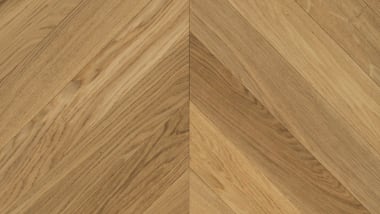





Narrow vs wide plank timber flooring: How to decide which style suits your space
30 Apr 2026
Narrow vs wide plank timber flooring: Narrow planks create detail and rhythm, while wide planks bring scale and openness.
Narrow and wide plank hardwood flooring can both work beautifully in Australian homes, but they do different jobs. While definitions can vary across the industry, Havwoods classifies narrow planks as 155mm wide or under, and wide planks as 180mm and above.Havwoods also notes that engineered construction is what makes wider boards practical and stable enough for contemporary use, especially in an Australian climate.
Narrow vs wide plank flooring at a glance
Narrow plank flooring
Typical characteristics of narrow plank flooring:
- Typically 118mm to 155mm within Havwoods’ narrow category
- Creates more board lines and more visual rhythm
- Often suits traditional detailing, compact rooms, and spaces where you want the floor to feel more textured
- Can visually elongate a room because the eye follows more frequent parallel lines

Wide plank flooring
What defines wide plank flooring:
- Starts at 180mm in Havwoods’ wide-plank product selection
- Reduces visible joins and creates a calmer, broader floor plane
- Often suits open-plan layouts, contemporary interiors, and projects where you want fewer visual interruptions across the floor
- At Havwoods, wide formats extend to 260mm in Venture Plank, with engineered construction and substantial wear layers available in that range

Related reading: What are wide planks and when to use them?
What widths count as narrow and wide plank flooring?
This is where many buying decisions can go wrong. “Wide” and “narrow” are often used loosely, which can make comparing products difficult. While industry definitions vary, Havwoods gives useful anchors.
What exactly is narrow plank flooring?
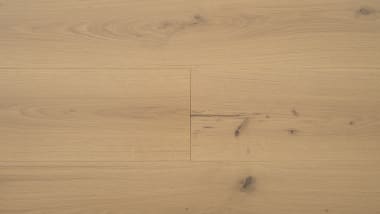
Havwoods classifies narrow planks as anything 155mm wide or under. On the narrow-plank selection pages, widths include 118mm, 120mm, 130mm, 136mm and 143mm. The Italian Collection is our primary narrow-plank collection and shows this slimmer format particularly well, with products such as Notte Plank at just 120mm wide. It features engineered construction, a 4mm wear layer, tongue-and-groove profile, glue-down installation, and suitability for underfloor heating.

What is wide plank flooring?
Havwoods defines modern wide planks as 180mm and wider. Widths above 200mm should be engineered for stability, and our Venture Plank range includes boards at 260mm wide. One example is Amazon Wide Plank Character 260mm 1-Strip, an engineered European oak board with a 4mm wear layer, 19mm thickness, and 1950 to 2400mm lengths.

Does wide plank flooring show more movement?
Yes, in principle, wider boards have a greater tendency to show movement because timber is hygroscopic and reacts to humidity. This is often why solid boards are rarely found above 140mm, as wider solid timber planks have a greater propensity for movement, and can be more prone to cupping, bowing and warping.
The important qualifier is construction - as engineered timber changes the equation. Engineered boards are built from multiple layers of real wood, and wider engineered planks tend to be more stable in Australia’s variable conditions. Engineered timber construction makes wide planks more resistant to cupping and bowing and suitable for the volatile Australian climate.
The practical answer is: wide planks can show more movement risk than narrow planks if you compare like-for-like solid timber, but well-made engineered boards significantly reduce that risk.
Which plank width suits small rooms?
There is no single rule, because “best” depends on whether you want the room to feel longer, busier, calmer, or larger.
Narrow planks in small rooms
Narrow planks can elongate any room by drawing the eye down the space, particularly when laid parallel to the longest dimension. That makes them a sensible choice for hallways, galley layouts, and rooms where you want a more directional, tailored look. They also introduce more seams, which can add detail and visual energy.

Wide planks in small rooms
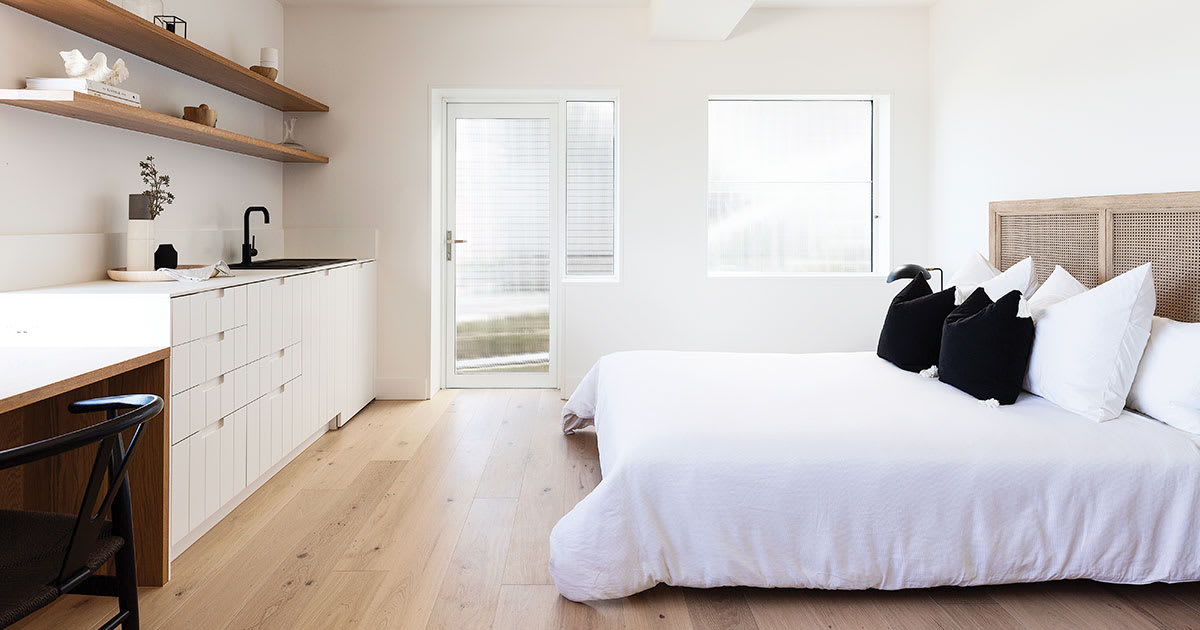
Wider planks can make a smaller space appear larger because there are fewer visible joins. That creates a smoother, less cluttered visual field. In practical design terms, wide plank is often the better choice when the goal is simplicity, quietness, and a more contemporary feel.
So for small rooms:
- Choose narrow planks when you want to add visual rhythm and structure, giving the floor a more traditional character.
- Choose wide planks when you want to reduce the number of visible board joins, creating a cleaner and less visually busy floor.
How does engineered timber construction affect narrow and wide planks?
This is the technical point that matters most. Havwoods’ engineered floors are made from multiple layers of real wood. That layered build improves dimensional stability compared with a single-piece solid board, which is why engineered construction is so important once widths increase.
For example:
- PurePlank 2.0 uses 14mm engineered Europeak oak boards with a solid hardwood top layer bonded to eucalyptus plywood. Widths in the range include 120mm and 190mm.
- Venture Plank is engineered European oak with a solid hardwood top layer bonded to birch plywood, with 7 to 11 layers depending on thickness. It is the Havwoods range most closely associated with wider plank formats such as 180mm and 260mm.
The result is that engineered construction gives you more freedom to choose width for aesthetic reasons, not just movement risk.
Do narrow and wide planks need different installation thinking?
Yes. The wider the board, the more important substrate quality, product selection, and installation method become.
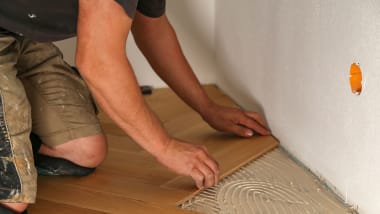
The main installation methods are glue-down, floating floor, and nail-down, with nail-down typically associated with solid timber. All Havwoods timber flooring products are suitable for glue-down installation, offering a stable, solid feel underfoot with good acoustic performance.
For many wide engineered boards, we recommend gluing down for added stability and a more solid feel underfoot. Narrower engineered boards can be more forgiving visually and, depending on the product, may also be available in click-system constructions such as PurePlank.
Many engineered products are compatible with underfloor heating, but suitability varies by product and heating system, so final selection should be checked with a technical flooring expert.
Related reading: Glue down vs floating timber flooring in Australia
Need expert guidance? Havwoods can help.
Every flooring project has unique requirements. At Havwoods, our team can help you navigate product selection for Australian conditions as well as installation options.
Book a showroom consultation at our Sydney, Melbourne, Newcastle, Brisbane, or Rutherford locations.
Did you know you can also arrange a virtual consultation with Havwoods from anywhere in Australia. And if you’re still in research mode, order free samples to see and feel our engineered timber collections before you decide.

